
Bedtime Stories for Teenagers
By

Dennis Wang, Bedtime Story Expert
14 min 22 sec
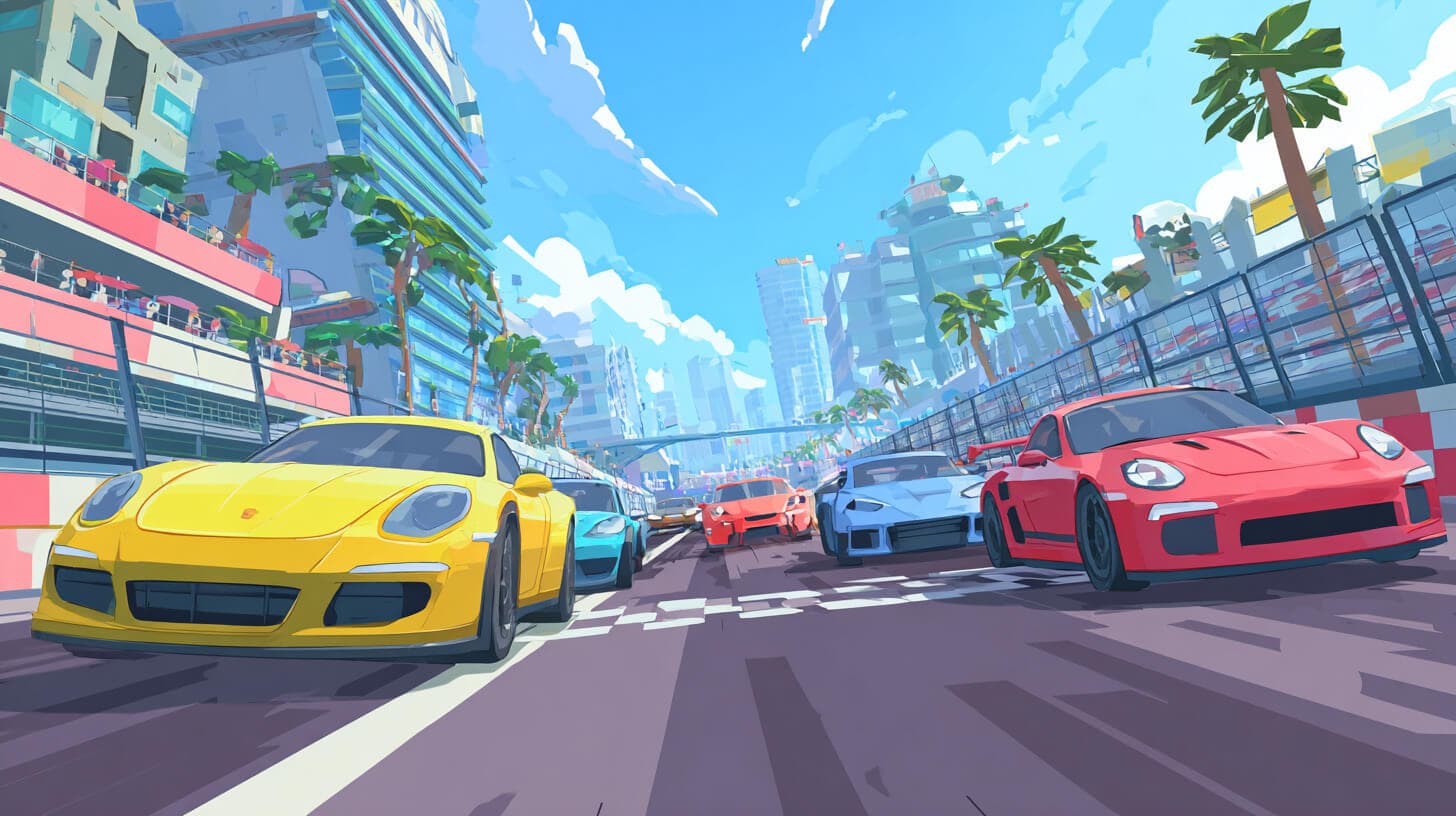
There is something about a long, empty highway at night that makes the inside of your head go quiet. The hum of tires, the soft glow of dashboard lights, the sense that the whole world has slowed down to match your breathing. This story follows a teen named Maya and her friends as they cross the country in a beat-up hatchback, and it is one of our favorite bedtime stories for teenagers because it trades urgency for wide-open stillness. If your teen wants a version with their own name, their own car, or a completely different route, you can build one in minutes with Sleepytale.
Why Teenager Stories Work So Well at Bedtime
Teens carry a particular kind of mental noise to bed. The social replays, the half-finished assignments hovering in the background, the low hum of screens they just put down. A story pitched at their level, one that respects their intelligence but asks nothing of them, can interrupt that loop the way a long drive through open country interrupts a crowded day. The key is that the story never talks down to them and never demands they figure anything out.
A bedtime story about teenagers on the road works especially well because it mirrors the liminal feeling of falling asleep: you are going somewhere, but you do not need to arrive yet. The landscape keeps shifting. The details are specific enough to hold attention but gentle enough to let it wander. There is no test at the end, no lesson to memorize, just the quiet accumulation of miles and moments that eventually makes the eyelids heavy.
Starlight Rims and the Open Road 14 min 22 sec
14 min 22 sec
The first flyer showed up on a Tuesday.
It was pinned to the bulletin board outside the cafeteria, slightly crooked, one corner already curling from the humidity that crept through the hallway vents. A cross-country car race for student teams. Atlantic to Pacific. Amber plains, red canyons, rolling forests, cities where late-night diners glowed like scattered constellations. Required community service at every stop. Safety inspections. No reckless speeds.
Maya read the fine print twice. The second time, she mouthed the words, which was a habit she had never been able to shake from second grade. Something hummed in her chest, that old feeling of a door swinging open and daring her to walk through it.
She was in.
The team came together in the garage behind her uncle's hardware store. The place smelled like oil and sawdust, and there was always a wasp somewhere near the ceiling, bumping lazily against the fluorescent tube. Luis knew engines the way a guitarist knows strings. He could diagnose a misfire by tilting his head and listening for about four seconds. Tasha had a map mind. She carried roads and back routes and alternate highways folded up in her memory like origami, and she could unfold any of them on demand.
Maya brought steadiness. She drove like someone who could feel the road thinking. Careful and quick, attentive to the way a curve wanted to be held rather than forced.
They cobbled together an entry car from a sun-faded hatchback that had been sitting under a sycamore for two years, collecting leaves in its windshield wipers. They called it Finch. Not a hawk, not an eagle. But it had heart, and it had wings you only noticed once it got moving.
The start line in Chesapeake felt less like a sprint and more like an invitation.
The first day threaded them along coastal roads where the water flashed in the afternoon light. Maya kept her hands easy on the wheel. Tasha called turns from the passenger seat with her finger tracing lines on a paper map she insisted on using even though her phone worked perfectly fine. Luis sat in the back with his head cocked toward the engine, listening for ghost noises the way you listen for a friend's voice in a crowded room.
Houses gave way to farms. The light was clean and new.
When they pulled into their first checkpoint, a small town with a mural of migrating geese painted across the side of a hardware store, their community task was to repaint a scuffed corner. Paint flecked their sleeves. The town librarian brought lemonade in a plastic pitcher with a crack along the handle, and she told them the geese had been there since 1987. Finch ticked quietly as it cooled in the parking lot.
That evening Maya walked alone down the main street, past porches where people spoke in low voices and cicadas sang their dense, overlapping song. She passed a dog sleeping on a welcome mat, its legs twitching in some private dream.
The next days unspooled like ribbon. Pennsylvania hills. Ohio, wide and open. Indiana and Illinois with fields stitched together like green quilts. The convoy of competing teams stretched and thinned across the highway, not a swarm but a loose constellation of moving points that sometimes blinked at each other in gas station parking lots.
They traded detour tips. They shared sockets and wrenches when bolts needed persuading. Sometimes, when the sun slid down, teams parked in a rough circle and swapped stories. A girl from Arizona played harmonica, and she was not particularly good at it, but nobody cared. A boy from New York sketched caricatures of everyone, turning tired faces into cartoon laughter.
In Missouri, Finch coughed.
Not a real cough. More like a pause between one breath and the next. Maya heard it the way you hear a friend hesitate before saying something important.
Luis crawled under the car with a headlamp while a thunderstorm built itself on the horizon, stacking dark clouds like a kid building blocks. Tasha held an umbrella so large it could have sheltered a picnic table. Maya kept one hand on the bumper and spoke quietly to the car, the kind of words you offer someone who is trying.
You've got this. Keep going. Find the rhythm.
Clogged fuel filter. Simple enough, if you had the part.
They found one at a salvage yard run by a woman with a braid that reached her belt. She told them about the time she drove through three states on a dare and a prayer and a thermos of bad coffee. The storm broke while they worked, rain hammering the corrugated roof so loudly they had to shout, and then they gave up shouting and just laughed, because it felt like the sky had decided to give them a soundtrack whether they wanted one or not.
By morning the world smelled like wet asphalt.
Finch hummed as they rolled west, content as a cat in a window.
Kansas opened with a horizon so wide it seemed to push the walls of Maya's chest apart. They slept in a church rec room alongside a dozen other teams, under a banner that said Be kind and curious. In the morning they helped organize a book drive, stacking paperbacks into towers. Maya picked up a novel about mountain climbers, read a single paragraph about a woman resting at base camp and watching the light change, and slipped it into her backpack. She was collecting small pieces of other people's courage. She did not think of it that way at the time. Later she would.
Colorado lifted them into altitude.
The road curled like ribbon candy, switchback after switchback. Maya learned to read the sky. Where the shadows fell meant cool air on the engine. Where the sun blazed meant she should ease off, give Finch a breath between long pulls. On the tighter turns she heard her father's voice from years ago, from the empty mall parking lot where he taught her to drive. Look where you want to go. Hands light. Eyes ahead. Trust your judgment.
It was strange how advice could sit dormant for years and then arrive exactly when you needed it, like a letter that got lost in the mail and showed up on the right day anyway.
They reached a high checkpoint where a lake mirrored the sky so perfectly it looked like a door into somewhere else. Their task was trail cleanup. The three of them hiked in comfortable silence, picking up litter, listening to gravel crunch under their shoes and feeling the thin, bright air fill their lungs a little differently than the air at sea level.
On the way back they met a man who had run this race decades ago, back when it was barely a rumor passed between road-obsessed friends. He pointed at the line of mountains. The trick, he said, is to understand that the road is you. You think you are moving across it, but it is moving across you too.
Maya turned that over later in the back seat while Luis drove the evening stretch. She watched stars appear, one by one, arriving quietly as if they did not want to make a fuss.
Maybe the road moving through you meant this: the places you pass become part of your private language, and years later all it takes is a certain shade of sunset to carry you back.
Utah was red rock and silence.
Nevada shimmered.
Finch kept steady time through the heat, the engine a patient metronome. They stopped at a roadside stand where a family sold cold fruit from coolers. Maya bought watermelon slices for the team. Juice ran down their wrists. Sticky and laughing, they leaned against the hood and watched distant dust devils spin in the empty scrubland like dancers rehearsing alone in a studio with the lights off.
Tasha traced a new route on the map, one that dipped south to dodge a construction jam. Luis nodded. Maya listened to the quiet between them, which had become its own kind of conversation by now.
California announced itself as a scent before anything else. Something green and salt-touched, eucalyptus and brine braided together in the wind coming through the cracked window.
The final days felt like a dream pulled slowly through sunlight.
They drove past fields where workers bent and straightened with steady grace. They crossed a bridge that wove air and steel over impossible blue. The last checkpoint asked for a beach cleanup at dawn. Maya watched pelicans slide low over the waves and thought of the mural geese from the first stop, how beginnings and endings sometimes face each other like twin reflections.
The final stretch was not about speed.
Maya felt it in the way she eased Finch into its lane. In the way Luis patted the dashboard the way you pat a friend's shoulder after a long day. In the way Tasha put her phone down and simply looked out the window, memorizing.
The finish arch rose up ahead, bright and temporary against the morning sky.
They rolled under it with the window down so they could hear the cheer not as a roar but as a collection of individual voices, each one its own note in something larger.
They did not win first place. The harmonica girl's team beat them with smarter refuel stops. But Finch won a hand-painted plaque for Spirit of the Road, with a little bird on it that made Maya's eyes sting in a way she did not entirely expect.
She thought of the salvage yard. The storm. The book drive. The mountain lake. Watermelon under scorching sun. The hush of deserts and the hush of gym floors at midnight when all you can hear is your own breathing settling into something slow.
That night the race held a beach bonfire.
People built a ring of chairs out of coolers and gear boxes. Someone passed around roasted corn and glow bracelets. The ocean spoke in long, breathy sentences that did not seem to need finishing. Maya wandered to the edge of the water, shoes in one hand, toes pressed into wet sand so that each wave kept finding her like a small surprise.
She thought about who she had been on that Tuesday in the cafeteria. She thought about who she was now. The difference was not a sharp line. It was more like something rough that had been smoothed by a long, patient hand.
She did not feel older exactly. She felt more herself, as if the road had polished something she had been carrying all along.
Tasha joined her, bumping shoulders.
Luis too, tossing a shell sidearm and watching it skip the way his father had taught him on a lake in some earlier summer.
They did not say anything for a while. They did not need to.
The stars came out stubborn and clear. The glow bracelets traced soft arcs when people gestured around the fire, a slow constellation of stories still being told.
When Maya finally spoke it was quiet, half to Finch, half to the dark.
Thank you, she said. For being steady. For getting us here.
The ocean answered the way big things do, which is to say it kept going.
On the last morning they took photos with their hands shaped like birds. They loaded Finch with sandy shoes, a cooler of leftover oranges, and a new understanding of distance. Maya saw the harmonica girl waving from across the lot. She waved back and thought that maybe what made the race spectacular was not the miles or the ribbon or the list of states she could now recite in order.
Maybe it was the way the journey stitched strangers together. Maybe it was the way the country felt less like a map and more like a story you could walk into and find yourself welcome.
They turned Finch east. Not to race, just to go home. School was waiting. Homework, lockers that stuck, the ordinary miracle of hallways full of small decisions.
But the road had moved through them. The mountains and plains felt tucked behind their ribs.
When Maya closed her eyes in the passenger seat as Luis drove the first miles back, she saw lines and curves and open windows, heard laughter in motel parking lots, and felt a courage that was quiet. The kind you carry softly and set down gently when it is time to rest.
She slept.
The tires whispered.
Morning made new promises.
The Quiet Lessons in This Teenager Bedtime Story
This story is built around patience, trust, and the slow accumulation of belonging. When Finch breaks down in Missouri and Maya speaks gently to the car instead of panicking, kids absorb the idea that steadiness matters more than speed during a crisis. The way the team never wins first place but earns the Spirit of the Road plaque shows that showing up with care counts for something real, even when it does not come with the loudest applause. And the thread of community service at every stop, painting murals, cleaning trails, stacking books, weaves generosity into the adventure so naturally that it feels like part of the fun rather than a lecture. These are exactly the kind of reassurances a teenager needs before sleep: that effort matters, that connection is built gradually, and that tomorrow does not require perfection.
Tips for Reading This Story
Give Maya a calm, measured voice and let Luis sound slightly distracted, like someone always half-listening to something mechanical in the background. When the thunderstorm breaks over the salvage yard roof, speed up your reading just a little and raise your volume, then drop both when the morning-after line arrives. At the moment Maya stands at the water's edge during the bonfire, slow your pace way down and leave a full breath of silence before she says "Thank you," so the weight of the whole trip lands in that pause.
Frequently Asked Questions
What age is this story best for? It works well for listeners around 12 to 17. The characters are teens navigating real feelings like self-doubt and the pressure to win, but the pace is unhurried enough that younger teens will not feel overwhelmed. Older teens tend to connect with Maya's quiet self-awareness and the way the story never rushes to explain what she is feeling.
Is this story available as audio? Yes. Press play at the top of the story to listen. The audio version is especially nice for this one because the rhythm of the road, the rain on the salvage yard roof, and the long quiet stretches between dialogue all come alive when you hear them paced by a narrator. It is a good option for teens who want to close their eyes and let the drive carry them to sleep.
Is this story realistic about how teen road trips work? The race is fictional, but the details are grounded. The required safety inspections, the community tasks, and the group dynamic of sharing tools and swapping stories at rest stops all reflect the kind of structured adventure programs that exist for young drivers. Maya and her friends handle real problems like mechanical breakdowns and route changes, which gives the story a practical texture underneath the gentler, dreamlike pacing.
Create Your Own Version
Sleepytale lets you build a personalized teen wind-down story in minutes. Swap Maya for your teenager's name, trade the cross-country road trip for a sailing voyage or a train ride through the mountains, or adjust the tone from calm to gently funny. Each story is designed to respect your teen's independence while giving their mind something quiet and specific to hold onto as they drift off.
Looking for more teen bedtime stories?
Short Bedtime Stories For Teen Girls
Relax into soothing Short bedtime stories for teen girls with gentle wonder and kind courage. Enjoy a calm story you can read online and drift off feeling understood.
Short Bedtime Stories For Teen Boys
A tiny knight steps out of a game to guide real world quests in surprising ways. Short bedtime stories for teen boys end with a pixel feather that still glows.

Long Bedtime Stories For Teen Girls
A peppermint scented tunnel leads a teen into a candlelit gallery where paintings open into gentle quests. short Long bedtime stories for teen girls ends with keepsakes and a calm return home.
Long Bedtime Stories For Teen Boys
Wind down with short Long bedtime stories for teen boys that feel thoughtful and soothing. Enjoy a gentle time travel mystery and get ideas for your own calm bedtime read.

Funny Bedtime Stories For Teen Girls
Moonlight slips through a bedroom window as a teen and her cat trade bodies and bumble through breakfast. short Funny bedtime stories for teen girls brings cozy laughs and a gentle return to normal.
Funny Bedtime Stories For Teen Boys
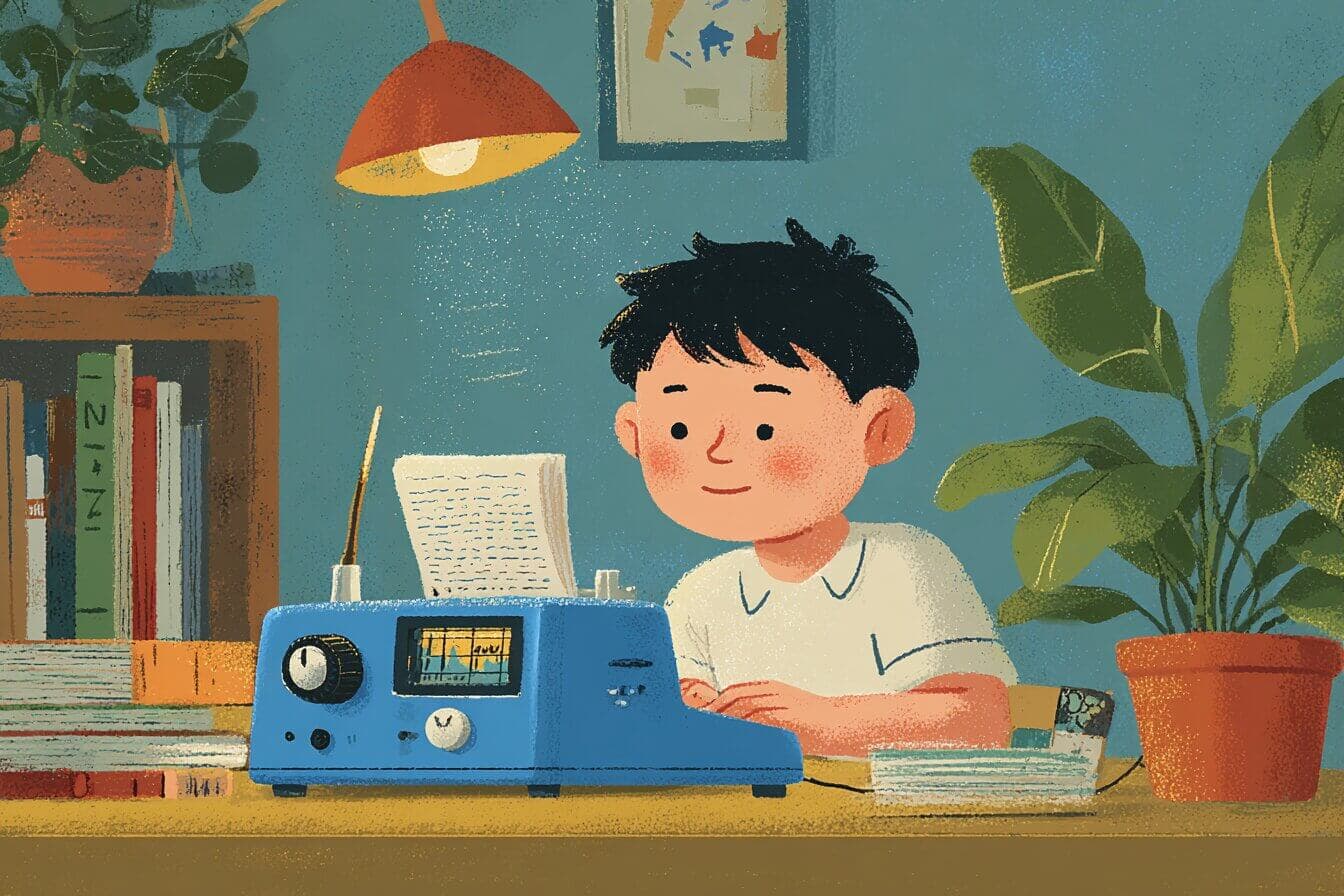
In a garage lit by a single lamp, a teen inventor hits print and gets melodramatic homework lines. short Funny bedtime stories for teen boys turns the mix up into cozy laughter.