
Bedtime Stories for Boyfriend
By

Dennis Wang, Bedtime Story Expert
10 min 21 sec

There is something about reading aloud to someone you love right before sleep, the way your voice drops lower, the way the room gets quieter around the words. "The Little Diary of Pip" follows a hamster who journals his way through a gentle evening, noticing the scent of mint, the chirp of a cricket, and the way moonlight lands on small things. It is one of our favorite bedtime stories for boyfriend because the pace is deliberately slow and the images sink in like warm water. You can also create a version built around your own details and inside jokes with Sleepytale.
Why Boyfriend Stories Work So Well at Bedtime
Most adults never get read to. That is part of what makes a bedtime story for your boyfriend so disarming. It short-circuits the mental loop of work emails and half-finished tasks because it asks the listener to do something unfamiliar: just receive. When the story is calm and sensory rather than plot-heavy, the nervous system gets the signal that nothing urgent is happening, and the body follows.
There is also something quietly intimate about sharing a story that is not a screen. Your voice becomes the delivery system, and the rhythm of your reading naturally slows both of your breathing. Boyfriend stories at bedtime do not need to be grand or dramatic. They just need to hold attention gently enough that the day lets go on its own.
The Little Diary of Pip 10 min 21 sec
10 min 21 sec
Every evening, when the golden light in the living room softened into something more like a sigh, Pip the hamster woke from his nest and stretched his tiny paws so wide his toes trembled.
The first thing he did, every single time, was smooth his whiskers, pat the pocket of his wee satchel, and tug out a small, leaf-green book bound with a bit of blue thread. This was his diary.
The cover smelled like sun-dried grass. The inside pages felt like soft petals, though one corner had a water stain from a night Pip would rather not discuss.
He loved everything about this book. The way the paper whispered when turned. The way a pencil tip scratched a friendly hello. The way his thoughts found little homes on each line, settling in like they had been waiting for the right address.
He set the diary on a clean square of cloth near his water dish and took a sip. The water was cool and round and quiet, the way water only tastes when you are not in a hurry.
Pip liked writing after a sip of water. It made his words feel calm, like pebbles in a slow river.
He tapped the pencil twice and listened to the evening.
Somewhere a clock hummed. A curtain shifted. The house was holding its breath in the best possible way, the way a house does when it knows everyone inside is safe.
He began to write.
Dear Diary, he wrote. Today I woke to the smell of oat flakes and sunshine. I tidied my nest and found a feather tucked beside me. It looked like a tiny sail. I felt like a boat in the grass sea.
He smiled and drew a small picture of the feather, then stopped because a breeze had arrived carrying something, faintly, unmistakably apples. He wrote that down too.
He loved writing what a day felt like, not just what happened. Sometimes a day felt like apples. Sometimes a day felt like warm socks or the shadow of a cloud or a nap wrapped in another nap.
Today felt like a soft pillow and a whisper.
After a while Pip lifted his head and watched a line of dust sparkle in the lamplight. Each particle floating, turning, landing. He thought they looked like they were rehearsing something and could not quite agree on the choreography.
The dust dances like sleepy fireflies, he added.
Then he folded his paws and listened. The house hummed that particular hum, the one that sounds like being held.
Across the room, near a round pot of spearmint, a cricket chirped once. Twice. Three times, as if trying out a tune and deciding whether to commit to it.
Dear Diary, a cricket played a song that sounded like a polite hello. I answered by tapping my pencil three times. We were a band.
He loved how writing turned moments into friends.
When he finished the first page of the evening, he blew a gentle breath across the words, the way you blow on soup even when it is not really too hot, and turned the page as carefully as lifting a sleeping leaf.
A pressed clover sat at the corner of the next page. He had tucked it there days ago. He touched it and something glad fluttered through his chest, small and quick, like a bird changing branches.
Pip liked to step away from his diary sometimes to collect fresh moments for it. He climbed down the side of his habitat, his claws making a faint ticking sound against the plastic ledge, and padded to the windowsill.
The garden had quiet paths between pots of thyme and marigold. He pressed a paw to the glass.
The sky was turning lavender. A moon, pale and unhurried, lifted itself over the hedge like someone who knows they are early but came anyway.
In the garden below, a snail made its careful path along a smooth stone. Pip watched it for a full minute. The snail's shell had a hairline crack near the top, a little scar from some adventure Pip would never know about.
He went back to his diary.
Dear Diary, the moon is like a lantern. The snail is a teacup traveler. I think the thyme smells brave and the marigold has a shy laugh.
He drew the snail beside the words, then the moon as a gentle circle with little dots for stars. One star came out lopsided. He left it.
A soft sigh drifted from the hallway. Someone settling into sleep. Pip let it fold into the evening too.
Sometimes, before writing more, he read bits from other days. He liked how older words felt like friends waving at him from the page. Here was the day he wrote about the first snow: It sounded like paper being folded in the sky. Here was the day a sunbeam landed on his ear and warmed it like a small cookie.
He giggled. It was a very small giggle, the kind that barely reaches your own whiskers.
He turned to a fresh page and tapped the pencil three times. The quiet band warming up.
He wanted to write about something small and important. He closed his eyes and listened.
The air hummed. The mint leaves breathed. The house dreamed.
He could almost hear the moon's silence, thick and gentle, like wool.
Then he knew.
Dear Diary, I like that words can be soft. Today I learned that soft words help me feel brave. When I say hush or help or hello, my heart sits down and smiles. I think this is a treasure.
Pip stretched and looked at the pressed clover again. He wondered who had placed it there. He remembered a friend who sometimes visited, a shy mouse who collected linen threads and never knocked, just appeared. Maybe it had been the mouse.
He hoped to write about a visit with that friend someday. But tonight the story was about the quiet things he could carry inside his pocket. Small thoughts like smooth stones.
He closed the diary, tucked it under his arm, and padded to his nesting corner where soft bits of cloth made a round hill. He snuggled in. He imagined the diary's pages glowing faintly, like fireflies in a jar, sending just enough light into the room that the shadows would not feel left out.
But there were more words inside him. A kettle still warm after tea.
So he went back. Reopened the diary.
Dear Diary, my paws feel like little boats. Each step across the page makes a boat trail. I like to watch ink lakes grow behind me.
A yawn slipped from him like a tiny balloon, and he wrote about that too because he liked keeping company with every small thing that visited his evening.
Dear Diary, a yawn is a friendly door that opens to a soft place.
He wrote a thank-you to the day for being so gentle. He wrote a promise to notice the smallest sound tomorrow. Maybe it would be thyme leaves brushing the pot. Maybe a ladybug tiptoeing. Maybe the cushion whispering when he turned over. The promise felt like a ribbon tying a gift to the morning.
When he finished the page, he placed a small dot at the bottom.
The dot meant I am content.
He had dots on many pages. They were like beads on a calm necklace.
Then a new idea arrived, quiet and sweet. He would make a tiny pocket at the back of his diary for treasures that matched his words. He folded a little envelope from a scrap of paper, licked the edge (it tasted like nothing, which was somehow perfect), and pressed it into the back cover. Inside he tucked the smallest sprig of thyme, a single sun-colored petal, and a speck of smooth pebble.
Dear Diary, we are building a tiny museum of quiet.
A gentle rustle near the mint. Pip looked over. The cricket had hopped closer, its eyes bright and moon-silver, and it stood very still, as if listening to the hush Pip loved.
Pip tapped his pencil three times. The cricket chirped three times.
He wrote the number with neat strokes: 3, and then the word three, and then three dots in a row so his page kept the rhythm. He liked that his diary could hold numbers, words, and dots, like different notes in the same sleepy song.
The moon climbed higher.
Pip decided on one last page for the night. He started at the top with a careful title he would only whisper to himself: A Quiet Parade.
He described the things that marched past his senses, one by one, without any hurry. The scent of mint. The hush of curtains. The cricket's tiny song-flags. The moon's lantern. His pencil writing like a mouse taking a stroll. His whiskers moving like brushstrokes. The feeling of belonging, like slipping into a sweater that fit just right.
He wrote about how each thing took a bow, and how he clapped very softly so as not to startle the parade.
He ended with his favorite line.
Dear Diary, the quiet is not an empty room. It is a kind friend who holds my paw and walks with me.
The room felt even more peaceful after he wrote that. He closed the diary with both paws and breathed in the faint scent of pencil that hung in the air, like the ghost of a freshly sharpened memory.
He placed the diary beside him in the nest, where he could touch its spine, the way a pebble rests steady in a stream.
As he curled into a moon shape, he thought of tomorrow's pages. Rain on the window, maybe. The way the floorboards talk in tiny creaks. A map to the mint pot with a star for the cricket's stage. Teaching his shy mouse friend to write hello in big letters and then in smaller and smaller ones, so even the smallest moment could read it.
He imagined writing an invitation to the moon, asking it to visit the tiny museum of quiet.
Sleep came like a feather drifting down.
He let it land without moving at all. Before his eyes closed, he placed his paw on the diary and felt its cool, calm cover. He whispered into it, in case words liked to sleep too.
Thank you, he said. I love that you listen.
His breathing matched the hush of the house. The hush of the house matched the breath of the night. The breath of the night matched the quiet inside his pages.
A leaf outside tapped the window one last time.
Pip smiled.
In the faint silver of the moon, the blue thread on his diary gleamed like a river through a meadow. It would carry tomorrow's words just as gently. It would keep them safe, one soft page at a time.
And there, with the softest thought in his heart, Dear Diary, I am home, Pip slipped into gentle dreams where pencils drew lullabies and the moon turned every dot at the bottom of every page into a star that glowed just enough to keep the night cozy for everyone who liked to listen.
The Quiet Lessons in This Boyfriend Bedtime Story
This story is quietly stacked with things worth absorbing before sleep. Pip's habit of writing down what a day felt like, rather than just what happened, models emotional awareness in the simplest possible way; when he describes a day that "felt like apples," he is practicing the kind of naming that makes feelings less overwhelming. His three-tap exchange with the cricket shows how connection does not require big gestures or even words, just showing up and responding in kind. And the recurring dot at the bottom of each page, his personal mark for "I am content," gives listeners a small, portable ritual they might carry into their own evenings. These are lessons that land best at bedtime, when the mind is open and unguarded, and tomorrow still feels far enough away to be gentle.
Tips for Reading This Story
Give Pip a soft, slightly high voice, almost a murmur, and slow down noticeably during his diary entries so they feel like real writing happening in real time. When the cricket chirps three times and Pip taps his pencil three times back, actually tap something near you three times; the physical sound will pull your listener deeper into the scene. At the very last line, "Dear Diary, I am home," drop your voice to barely above a whisper and let the silence hold for a few seconds before you close the story.
Frequently Asked Questions
What age is this story best for? This one is written for adults, specifically as something to read aloud to a partner. The pacing is deliberately slow, the imagery is sensory rather than action-driven, and the emotional core, Pip's gentle journaling ritual, resonates with anyone who needs permission to stop thinking and start winding down. It works beautifully for couples in their twenties and beyond.
Is this story available as audio? Yes. You can press play at the top of the story to listen. The audio version captures Pip's quiet rhythm especially well; the diary entries have a cadence that sounds almost like breathing when read aloud, and the three-tap exchange with the cricket translates into something surprisingly musical in narration.
Can I read this story to my boyfriend even if he says he does not like bedtime stories? Absolutely. Pip's world is so low-stakes and sensory that it sidesteps the "this is childish" reflex most adults have. Start by reading just the first diary entry aloud and see what happens. Most people who think they do not want a bedtime story have simply never had someone read to them in a warm room with the lights low. The specificity of the details, the cracked snail shell, the lopsided star, tends to pull even skeptical listeners in.
Create Your Own Version
Sleepytale lets you build a bedtime story shaped around your boyfriend's actual world. Swap the hamster for his favorite animal, set the story in a place that means something to both of you, or weave in details from your shared routine, like the tea he drinks or the playlist he falls asleep to. Every version is personal, calming, and ready to read aloud tonight.
Looking for more couples bedtime stories?

Funny Short Bedtime Stories For Girlfriend
Ben retells Shrek so loudly the neighbor's dog barks back in this short funny short bedtime stories for girlfriend favorite.
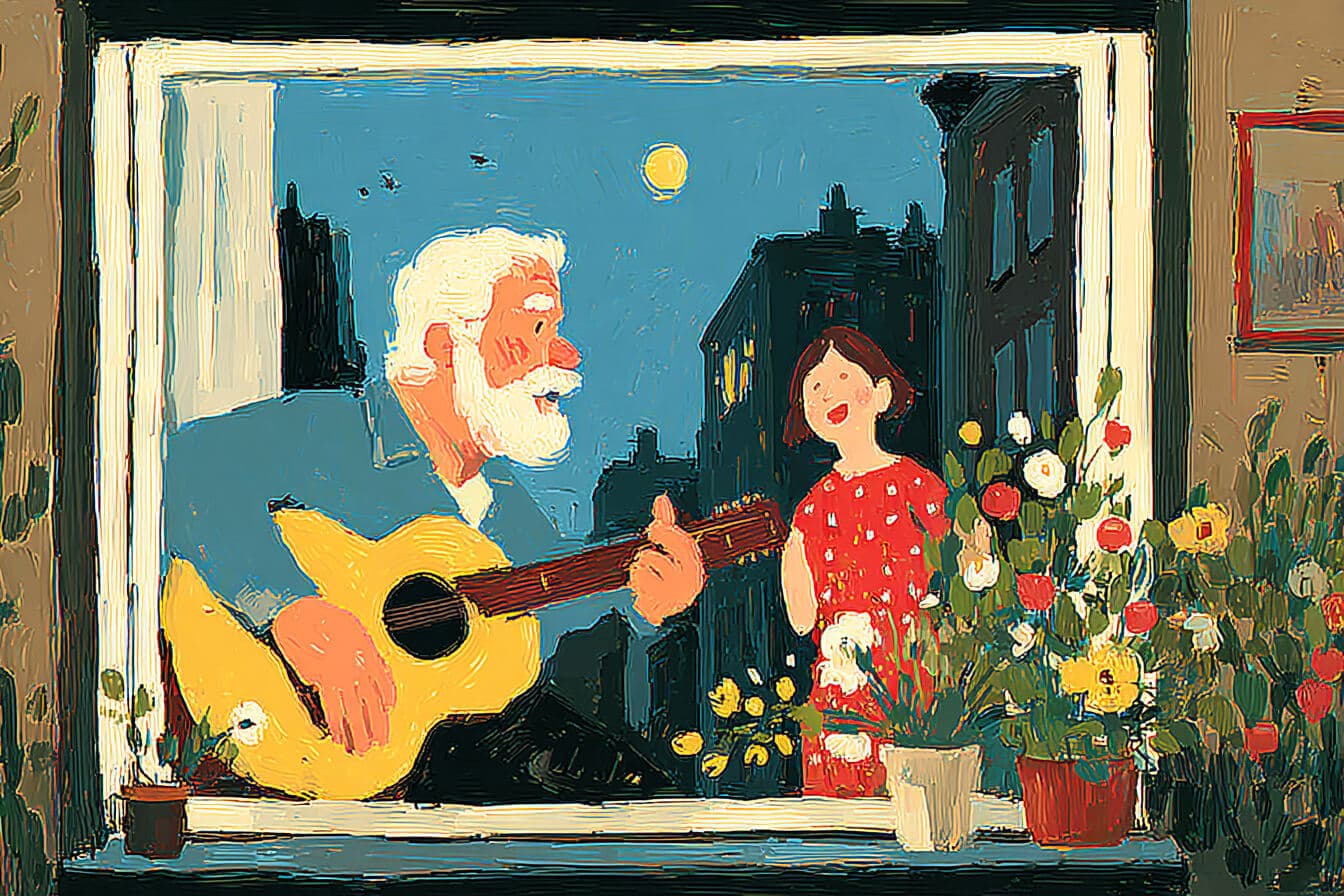
Funny Short Bedtime Stories For Boyfriend
A guitar serenade drifts to the wrong window in this short funny short bedtime stories for boyfriend tale about Mateo and a bearded neighbor.
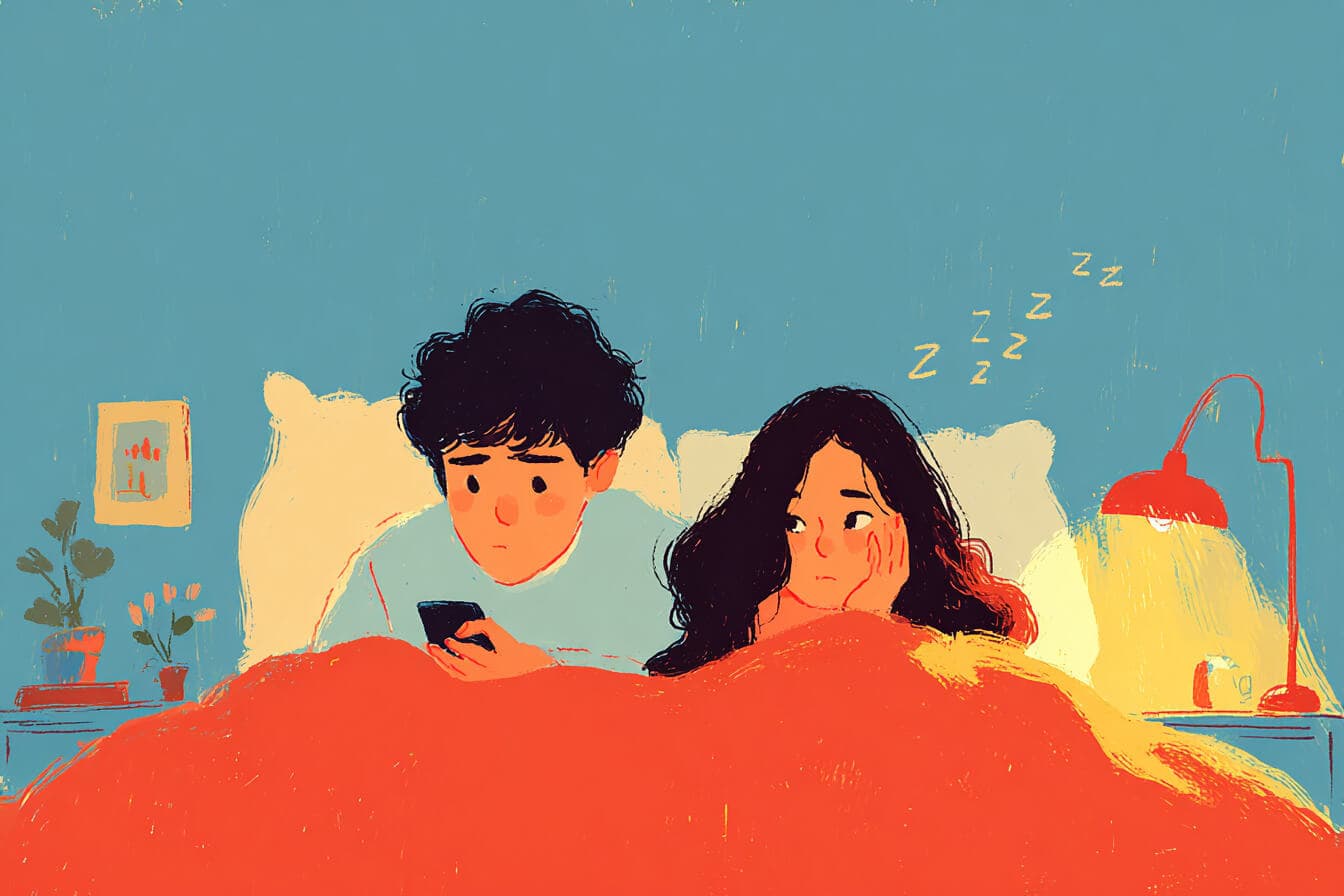
Cute Short Bedtime Stories For Girlfriend
Discover short cute short bedtime stories for girlfriend featuring Mia waiting for Oliver's goodnight text under the stars.
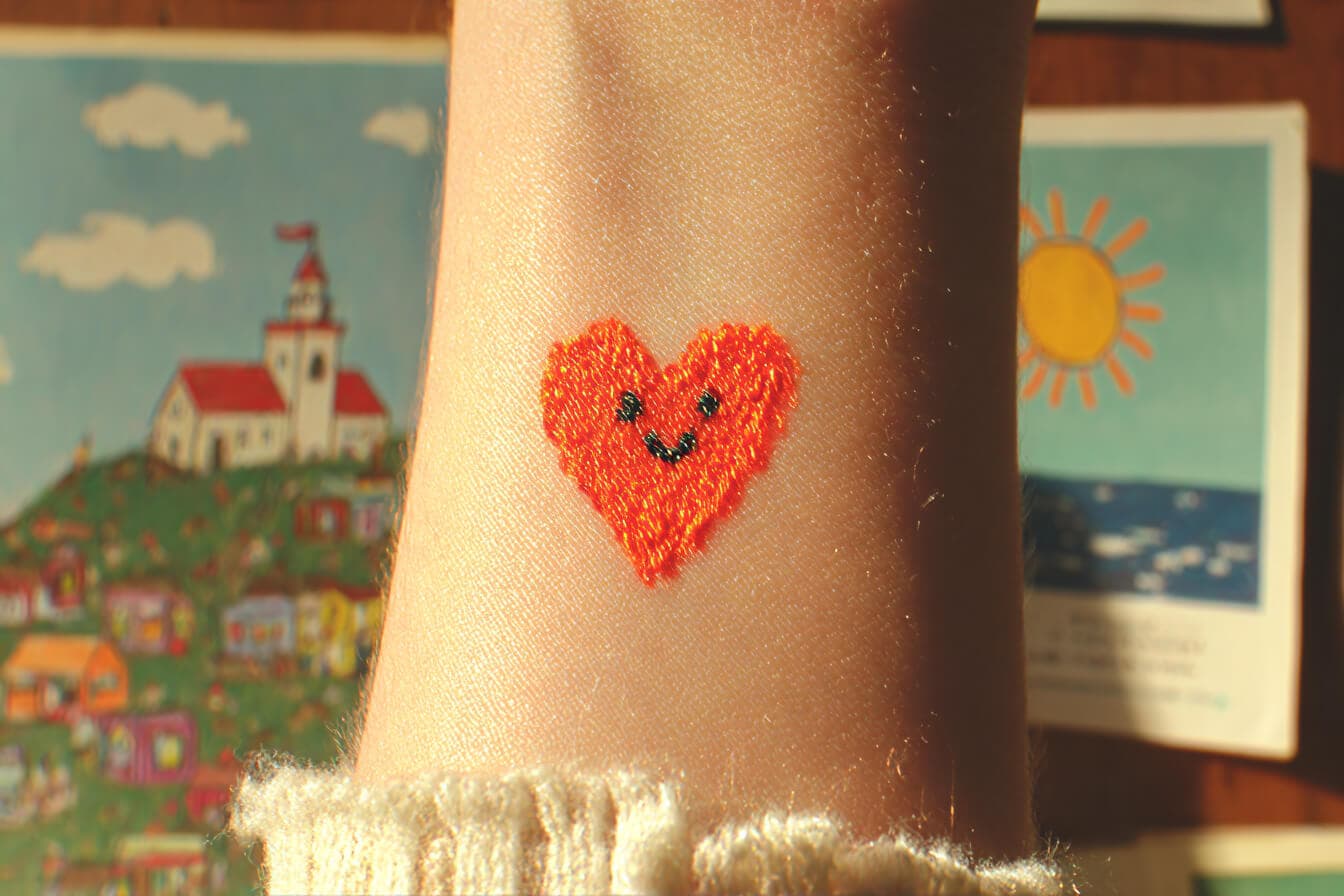
Cute Short Bedtime Stories For Boyfriend
Forget grand gestures; a silver marker and a tiny heart a wrist say everything in this short cute short bedtime stories for boyfriend gem.
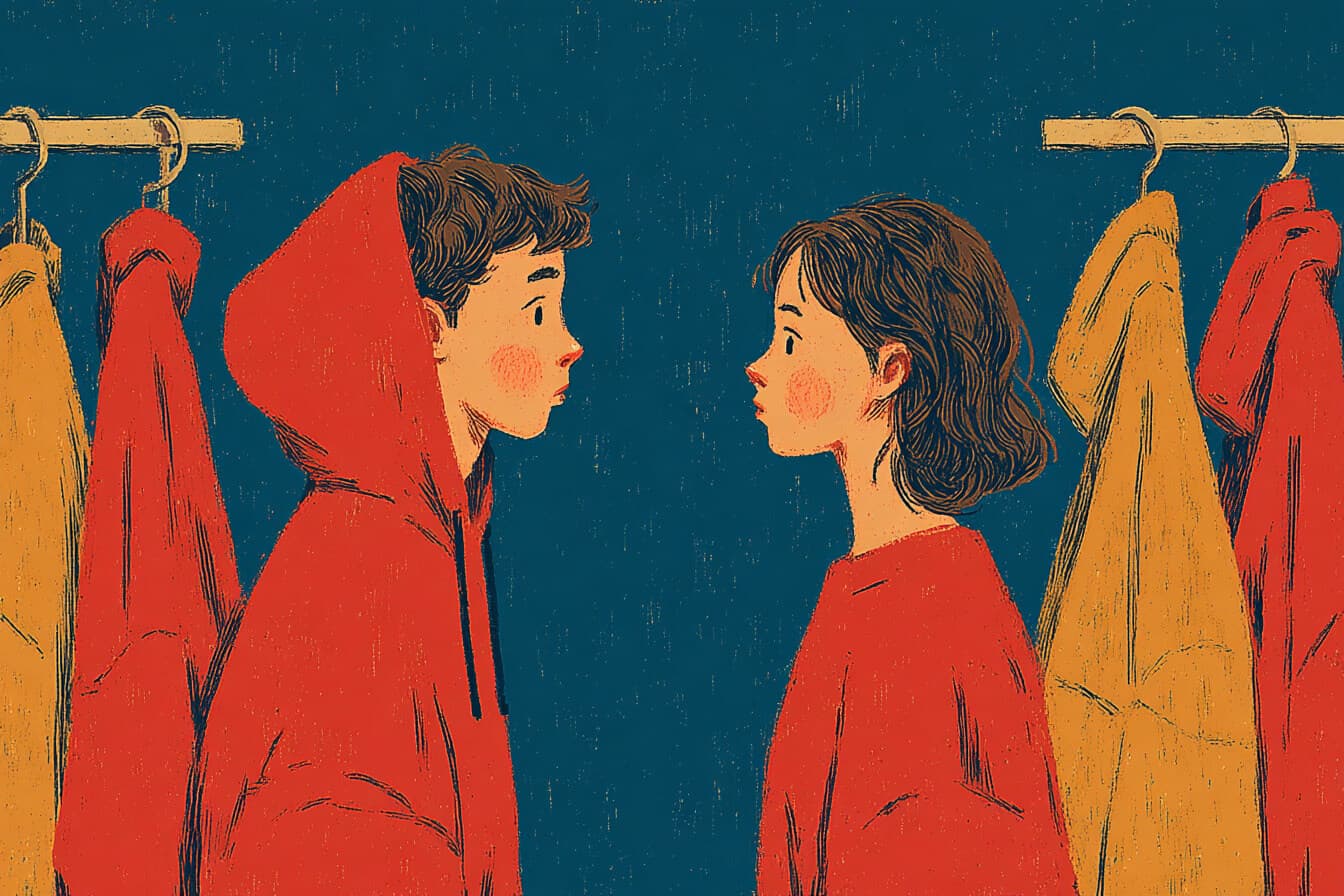
Bedtime Love Story For Your Girlfriend
This short bedtime love story for your girlfriend centers two blue hoodies, a pinky promise, and the gentle joy of learning to share.

Bedtime Love Story For Your Boyfriend
A short bedtime love story for your boyfriend winds through back roads, peach stands, and three quiet hand squeezes that say everything.