
Seahorse Bedtime Stories
By

Dennis Wang, Bedtime Story Expert
8 min 35 sec
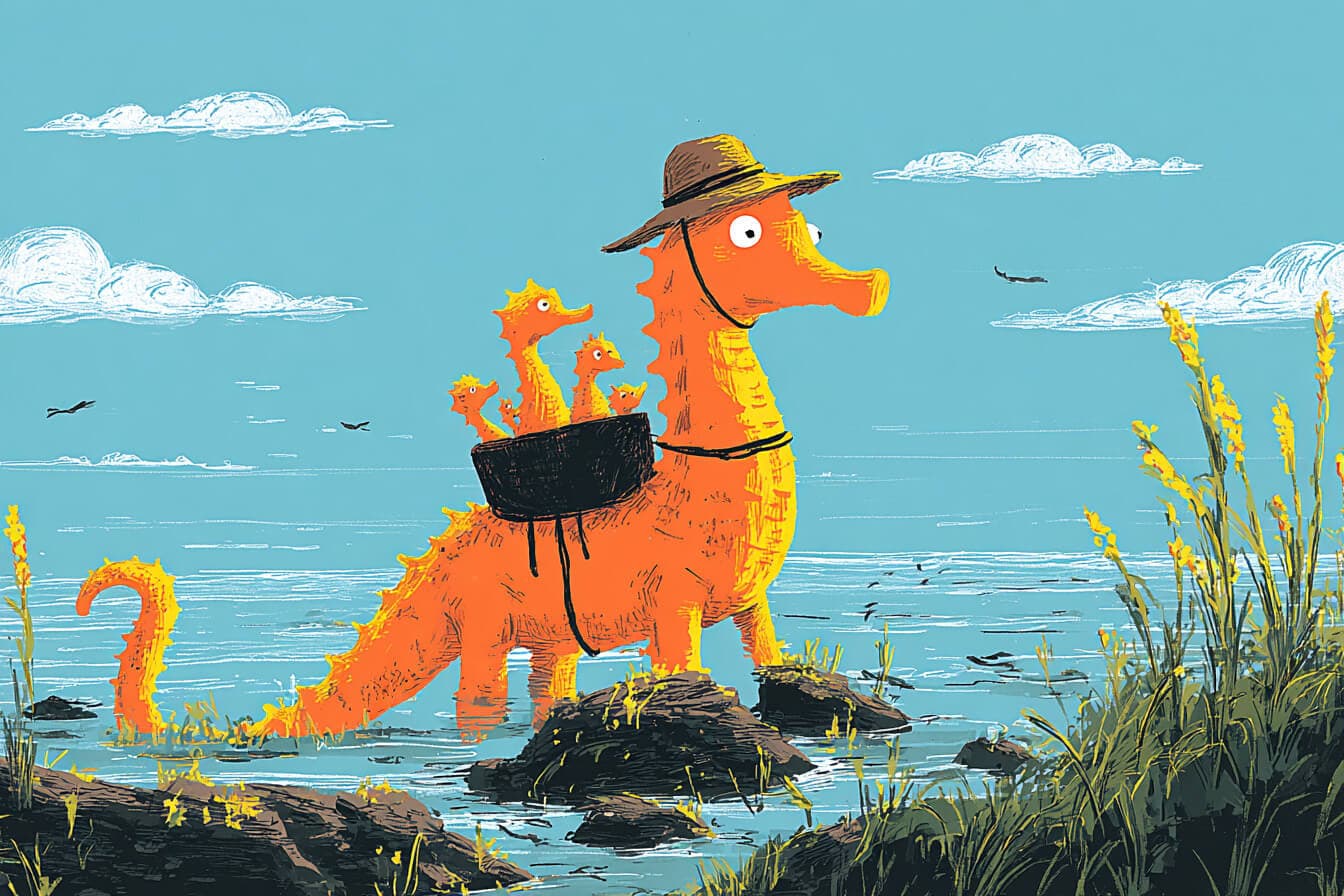
There's something about the slow, drifting rhythm of the ocean that makes children's bodies go soft and heavy before a single page is done. Tonight's story follows Henry, a seahorse dad with a pouch full of tiny babies, as he guides them through the glowing coral of their reef and learns that the bravest thing love can do is hold still. If your little one already loves seahorse bedtime stories, this one was written to match that quiet, swaying feeling they crave right before sleep. You can also create your own version, with different characters, settings, and details, using Sleepytale.
Why Seahorse Stories Work So Well at Bedtime
Seahorses move slowly. That's the whole trick. In a world where bedtime stories often feature characters racing, leaping, or solving problems at full speed, a seahorse story forces the pace to drop to something tidal. Children who are wound up find their breathing matching the gentle drift of the narrative, the way a seahorse curls around a piece of coral and simply waits. The ocean setting helps, too, because water sounds and water imagery have a natural sedative quality that even very young listeners respond to.
There's also something uniquely comforting about the real biology of seahorse dads, who carry their babies in a pouch close to their chest. For a child hearing a bedtime story about a seahorse father, that image maps perfectly onto the feeling of being held safe by someone bigger and warmer. It taps into a child's deepest need at the end of the day: the certainty that someone is keeping watch while they let go and fall asleep.
Henry's Big Ocean Heart 8 min 35 sec
8 min 35 sec
In the warm waters of Coral Bay, a seahorse named Henry hummed to himself while his round belly fluttered with tiny babies tucked inside his pouch. Not a real song, exactly. More of a vibration, the kind you feel in your ribs before you hear it in your ears. Every one of his babies looked up at him from within the pouch, and Henry smiled back, because what else can you do when that many eyes are watching you with total trust?
Today he would teach them something new, same as every day.
Henry flicked his tail and glided above the pink coral towers, pausing so the babies could watch a clownfish family wiggle between the anemone's sticky fingers. "Those orange fish stay safe inside their homes," he whispered, and the babies wiggled in reply, though whether they understood or just liked the wiggling was hard to say.
He carried them past sea grass that tickled his fins, past starfish gripping rocks with quiet stubbornness, and past a turtle who blinked one eye open, decided nothing interesting was happening, and went back to sleep.
When a silver school of sardines flashed by like a broken mirror catching light, the babies gasped. Henry waited a beat, letting the sparkle do its work, then explained how sticking together kept those tiny fish strong. "None of them is fast on their own," he said. "But together, they confuse anything that tries to catch just one."
The babies listened, feeling their father's heartbeat steady against their small bodies. That rhythm was the most reliable thing in their world.
Henry showed them sea urchins bristling with spines, crabs shuffling sideways with their homes riding their backs, and the way every creature in the reef seemed to have a job it didn't need to be asked to do. He told them that love meant protecting one another, sharing food, and saying something gentle when someone looked scared. He didn't explain this in a speech. He just pointed things out and let the reef do the talking.
His pouch swayed like a cradle as he swam.
When a shadow swept overhead, Henry curled around his babies, quick and complete, shielding them from the pelican skimming the surface. It happened in less than a second. The pelican moved on, uninterested, and Henry uncurled and started humming again as if nothing had happened. The babies stayed calm. They had felt his body tighten and then release, and that told them everything: danger came, daddy handled it, the world was still okay.
He carried them deeper, to where purple sea fans waved like slow flags nobody was saluting, and he talked about how love grows when you explore new places together instead of always staying where you already feel safe.
The babies watched jellyfish pulse past, their bodies lit from inside like lanterns running low on oil. Henry told them that even in the dark, love would light the way, and then he paused, because he realized that sounded like something off a greeting card. "What I mean," he added, "is that you won't be scared of the dark if someone you trust is beside you in it."
A tiny baby named Lila, the smallest in the pouch, asked if love ever felt too heavy to carry. Henry let out a bubbly laugh that sounded like someone blowing through a straw into a glass of water. "Love never weighs us down, little Lila. It lifts us. Like bubbles."
Lila didn't look entirely convinced, but she smiled anyway.
Henry swam them through a tunnel of orange sponges. The sponges had a faint sweetness to them, not exactly a smell, more of a feeling in the water, the way you can sense rain before it arrives. He showed them how parrotfish nibbled coral and left behind fine white sand, turning rock into soft ground, one bite at a time. "Love sometimes looks like that," he said. "Quiet work that makes things better for someone who'll never know your name."
A baby named Nico, who had more energy than the others and always seemed to be squirming toward the edge of the pouch, wondered aloud if love could swim faster than the fastest fish. Henry grinned and darted alongside a needlefish just to show that he still had some speed in him, and the babies squealed and the sound bounced off the scattered shells below. Then Henry slowed down, because he was a little out of breath and didn't want anyone to notice.
He showed them how sea stars could regrow a lost arm, slowly, over months. The babies snuggled deeper into his pouch when he said that, as if they were filing the information away for a time they might need it.
He carried them past a garden of anemones where young fish played a game that looked like hide and seek but probably had rules only fish understood. Henry watched his own babies copying them, peeking out of his pouch and ducking back inside, laughing at their own daring. He didn't interrupt. Some lessons only work if nobody is teaching them.
He told them about whales that sing across the entire ocean just to say hello to someone they haven't seen in years. Some of the babies tried tiny humming sounds of their own. The sounds were wobbly and thin, but Henry acted like he'd just heard the greatest choir in the sea.
"Even when you're ready to swim alone," he said, "my love will follow you like a current. You won't see it. But you'll feel it pushing you forward."
When the afternoon sun slanted golden through the water, Henry carried his babies to the reef's highest coral tower. From up there, they could see the sky's light dancing on the surface, breaking into shifting coins of gold and white. He didn't say anything for a while. Neither did they. Some moments just need to be the size they are.
A baby named Kira, who had been quiet most of the trip, asked if love could make them brave enough to explore the dark trench beyond the reef. Henry looked at the twilight water past the reef's edge and swam a short way toward it, not far, just enough that the babies could feel the temperature drop by half a degree. Then he turned back. "Love walks beside courage," he said. "Not in front of it. Beside it."
The babies shivered, but it was excitement, not fear.
Henry brought them home before night fell. He tucked each baby deeper into his pouch and started a lullaby about starfish and moonlight. The melody was simple. He'd been singing it since before they were born, humming it into the empty pouch so they'd know it when they arrived.
The babies yawned, one after another, like a chain of tiny doors opening.
Henry swayed with the tide, rocking them while the reef grew quiet. Somewhere a parrotfish was still grinding away at the coral, the faint crunch the last busy sound of the day.
He whispered that love never sleeps. It just watches and waits, the way moonlight sits on the water whether anyone is looking at it or not.
The last thing the babies heard before dreams took them was their daddy's heartbeat, steady and unhurried, the same rhythm it had been all day and would be all night. Henry stayed awake a little longer, feeling the flutter of their tiny breaths, and he sent a quiet thought of thanks out into the water for no particular reason except that it felt right.
He knew that one day they would outgrow his pouch and swim off into the blue. But tonight they were still small, still safe, still curled against him.
Moonlight painted silver stripes across the coral. Henry closed his eyes. The reef settled into its night sounds, his humming woven into the soft push of waves above, and the whole ocean held still for just a moment, as if it were listening too.
The Quiet Lessons in This Seahorse Bedtime Story
This story carries a few ideas that settle well into a child's mind right before sleep. When Henry curls around his pouch to shield his babies from the pelican, kids absorb the reassurance that someone is always watching out for them, even when surprises come fast. The moment where Lila asks if love can be too heavy, and Henry answers honestly instead of perfectly, gives children permission to ask big questions without needing a tidy answer tonight. And the way the story lingers on small, steady acts of care, parrotfish turning coral into soft sand, sea stars regrowing what they lost, teaches that strength and healing often happen quietly, without anyone announcing it. These are the kind of lessons that feel safe to carry into sleep: the world can be uncertain, but someone steady is close by.
Tips for Reading This Story
Give Henry a low, warm voice that vibrates slightly when he hums, and make Lila sound small and curious, like she's whispering a secret. When the pelican's shadow passes overhead, speed up for just one sentence, then slow way down as Henry uncurls, so your child physically feels the tension release. At the moment Henry swims toward the dark trench and the temperature drops, pause and ask your little one, "Would you peek over the edge?"
Frequently Asked Questions
What age is this story best for? This story works well for children ages 2 through 6. The youngest listeners respond to Henry's steady heartbeat rhythm and the repetitive swaying of the pouch, while older kids connect with Lila's question about whether love can be too heavy and Kira's curiosity about the dark trench. The vocabulary is simple enough for toddlers, but the emotional moments give preschoolers something to think about.
Is this story available as audio? Yes, you can press play at the top of the story to listen. The audio version works especially well here because Henry's humming scenes and the moment where the babies try their own wobbly little songs come alive with sound in a way that reading alone can't quite capture. The slow pacing and ocean imagery make it a natural fit for listening with eyes closed.
Why does the daddy seahorse carry the babies instead of the mommy? In real life, seahorse fathers are the ones who carry the eggs in a special pouch until the babies are ready to be born, which is unusual in the animal kingdom. Henry's story is inspired by this real biology, and it gives children a gentle way to learn that caring and nurturing come in all forms. Your child might enjoy knowing that real seahorse dads can carry hundreds of babies at once.
Create Your Own Version
Sleepytale lets you build a personalized ocean bedtime story in moments. You can swap Coral Bay for a kelp forest or a moonlit lagoon, replace Henry with a mama octopus or a shy little crab, or change the tone from cozy and warm to gently adventurous. Every detail bends to fit your child's favorite creatures and the kind of calm they need tonight.
Looking for more animal bedtime stories?
Polar Bear Bedtime Stories
A shimmering palace appears the sea ice, and a small wish turns into shared laughter. Drift into short polar bear bedtime stories with a bright, gentle twist.

Bear Bedtime Stories
Drift off with short bear bedtime stories that feel warm and soothing, plus a simple way to create your own cozy version in Sleepytale.
Tropical Fish Bedtime Stories
Sunlight paints golden paths across a coral reef as a brave little fish leads a pattern parade. Drift into short tropical fish bedtime stories with gentle pride and calm sea sounds.
Pufferfish Bedtime Stories
Drift under turquoise waves with short pufferfish bedtime stories where a jumpy little fish turns surprise bounces into a brave stage dance. A conch charm makes the twist feel tender.
Piranha Bedtime Stories
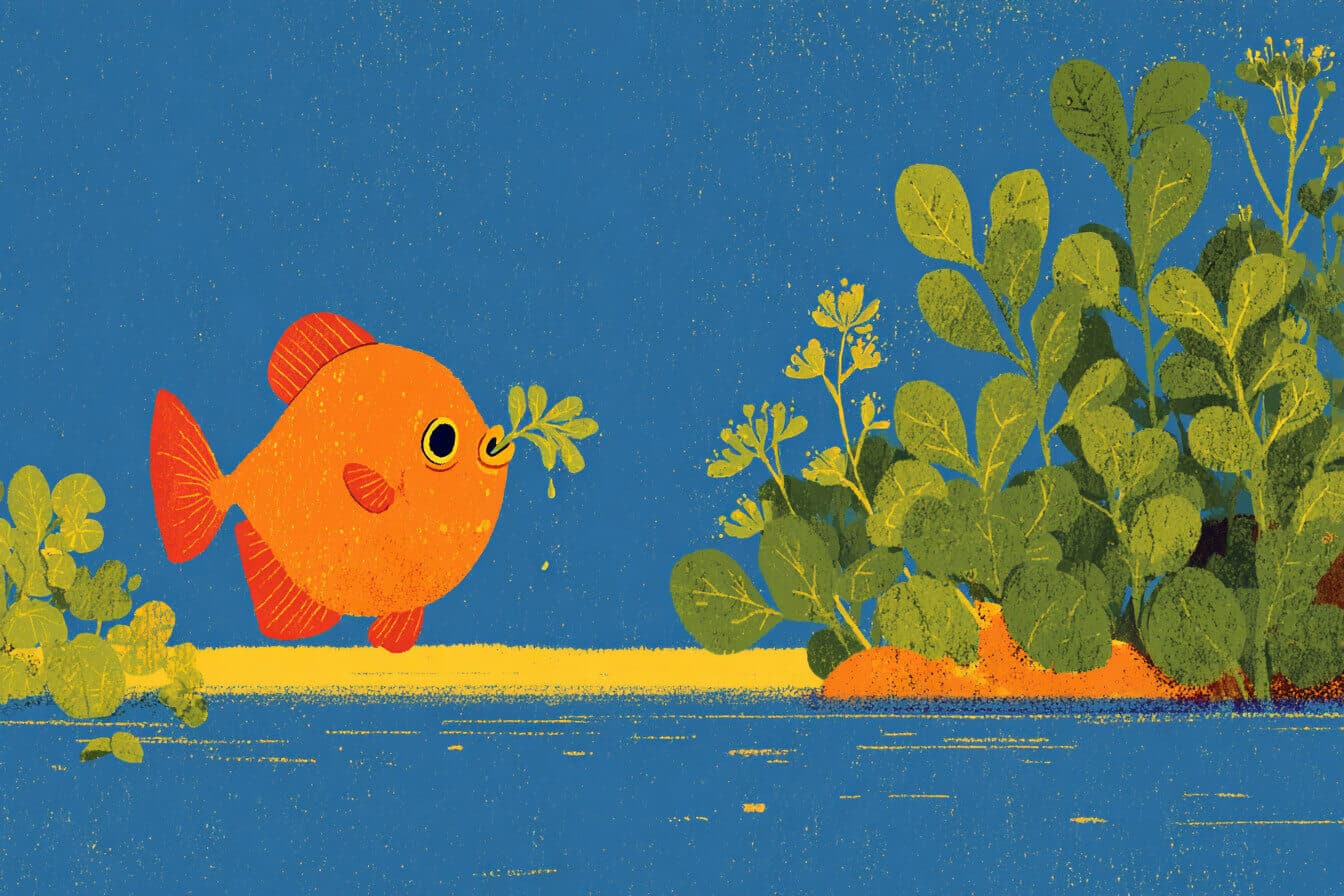
Drift into the Amazon with short piranha bedtime stories where a toothy fish hosts a leafy picnic and wins hearts one crunch at a time.

Pigeon Bedtime Stories
Ease into comfort as Pablo delivers tiny folded notes tied with a sky blue ribbon to lift lonely hearts. Settle in with short pigeon bedtime stories that bring warmth, hope, and easy sleep.