
Camel Bedtime Stories
By

Dennis Wang, Bedtime Story Expert
6 min 7 sec
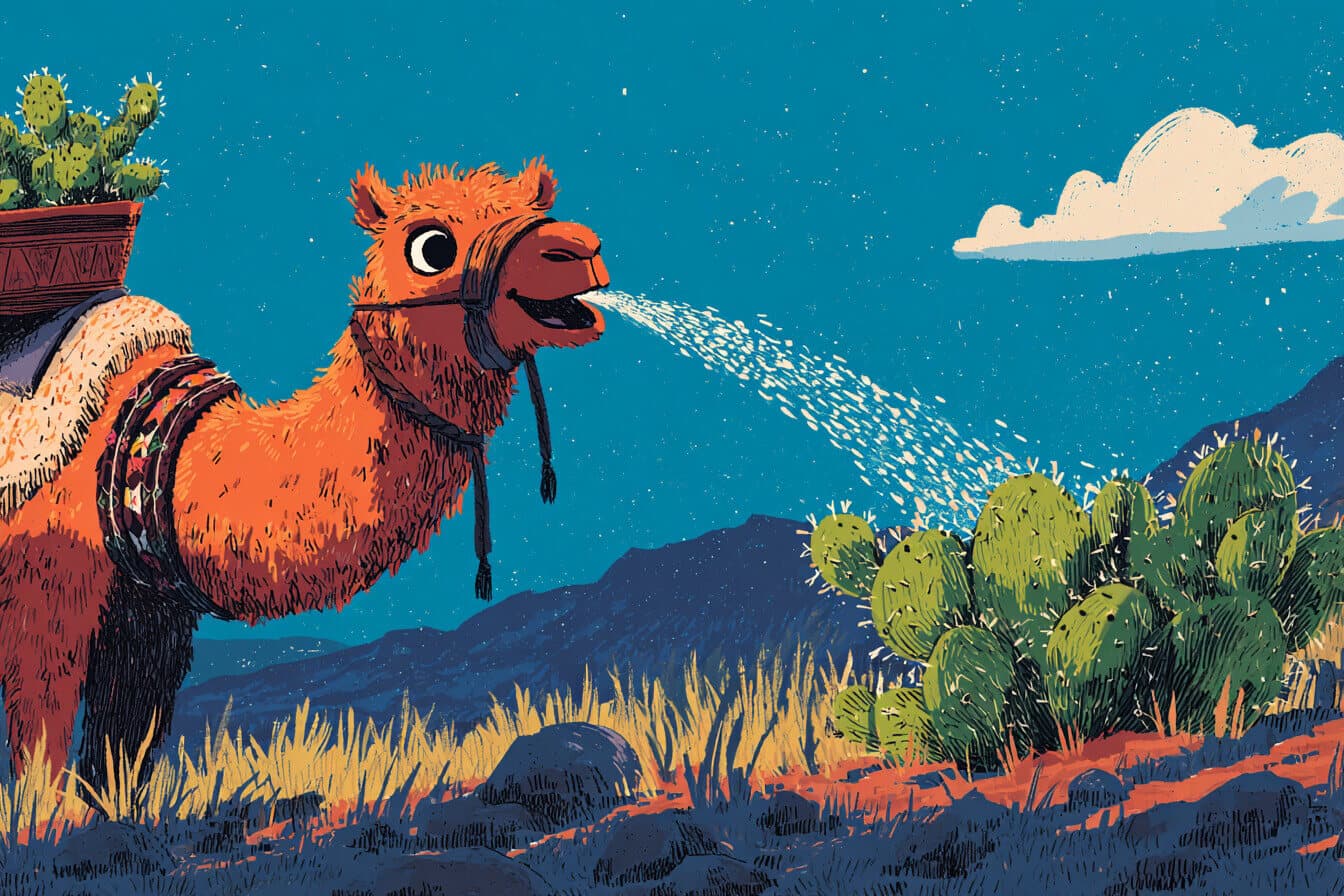
There is something about desert air at night that makes everything feel slower and quieter, as if the whole world is settling into its own bed of warm sand. In this story, a camel named Carlos notices his village well has gone silent and decides to cross the dunes carrying water barrels on his back, one careful step at a time. It is one of those camel bedtime stories that trades flash and noise for steady courage and the sound of sand shifting underfoot. If your child has a favorite animal or setting they would rather hear about, you can create your own gentle version with Sleepytale.
Why Camel Stories Work So Well at Bedtime
Camels move at a pace that practically hypnotizes a tired child. Their rhythm is unhurried, patient, built for distance rather than speed. A bedtime story about a camel crossing quiet dunes mirrors the feeling of sinking deeper into a pillow, one slow step after another, until the destination arrives almost as a surprise. The landscape itself helps, too. Deserts at dusk are simple places: sand, sky, a few stars, the hum of wind. There is nothing cluttered or overstimulating to keep a mind buzzing.
Kids also respond to animals that look a little unusual and still manage to be gentle. Camels have those impossibly long lashes, soft noses, and a calm stubbornness that children find both funny and reassuring. When a camel character decides to help someone, the story never feels frantic. It feels like a long walk home with a friend who knows the way, which is exactly the kind of feeling that invites sleep.
Carlos the Camel and the Thirsty Village 6 min 7 sec
6 min 7 sec
Carlos the camel loved the feeling of sand beneath his wide, padded feet.
Every morning he woke inside the golden dunes outside the village of Mirage Wells, stretched his long neck toward the pink sunrise, and hummed a tune through his nostrils. It was not a pretty tune. It sounded like someone blowing across the mouth of a jar. But it was his, and he liked it.
Today felt different.
The air was still. The palm fronds hung low, barely twitching. And the village well, which usually gurgled away like a stomach after lunch, stood completely silent.
Carlos trotted over.
Old Sana the well keeper sat on the stone rim, turning a clay cup in her hands, her face creased with worry.
"The spring has gone dry," she said quietly. "Without water the gardens will wilt, the goats will grow thirsty, and the children will have nothing to drink."
Carlos blinked his long lashes. Twice.
He had carried bundles, baskets, and once an enormous birthday cake that smelled of cardamom and kept sliding sideways. But he had never carried hope.
He knelt so Sana could lean on his hump and peer into the well together. A cracked clay pipe told the story: the underground channel that fed the village had collapsed somewhere beneath the dunes.
Carlos remembered a distant oasis, one he had stumbled across months ago while chasing a sand butterfly that kept landing on his nose. Crystal pools ringed by date palms, water so clear you could count the pebbles at the bottom.
"I can go there," he said. "Fill the barrels, bring life back before sunset tomorrow."
The villagers cheered. They fastened two sturdy barrels to his saddle, packed dried apricots in a cloth pouch, and patted his neck until he stepped away because, honestly, too many pats start to itch.
He set off under the noon sun.
Each step sank slightly into the rippling sand, and the heat pressed on his back like a warm blanket someone forgot to take off. He hummed his jar tune to keep his legs moving, a song his mother had taught him about walking when you would rather stop.
Heat waves wobbled on the horizon, turning distant hills into shapes that looked, if you squinted, like resting lions. Hours slid past.
Carlos paused at a lonely acacia tree. One leaf. He nibbled it slowly, let the bitter taste sit on his tongue, then pressed on.
By late afternoon the sand shifted to a rose color, and the wind carried a smell he could not name but that made his throat ache with want. Water, somewhere close.
He crested the final dune.
The oasis glimmered below like a green jewel dropped on brown cloth. Tall date palms circled a pool so clear that Carlos could see his own face staring back, looking more tired than he had expected.
Relief flooded him. But the real work was just starting.
He had to fill both barrels, seal them tight, and cross shifting sand before dawn. Night in the desert brings cold that seeps into your bones, and jackals that love the clattering sound of hooves on hard ground.
Carlos knelt, unfolded a leather hose from his pack, and began siphoning water. It was slow, careful work, the kind where you hold your breath without realizing. Stars blinked awake above, one by one, like an audience arriving to watch a camel try to save a village.
When both barrels gurgled full he sealed the brass caps, checked every knot twice, then allowed himself one long drink.
The water tasted of mint and something cold and clean that had no name. He closed his eyes for exactly one hour, which is a talent camels have, then rose, took a breath that filled every corner of his chest, and turned toward home.
The desert at night feels endless.
Carlos kept his mind on the children of Mirage Wells, the way they chased each other around the well at dusk, the way their laughter bounced off the stone walls. He counted his own footsteps the way sailors count stars, letting the rhythm carry him forward.
Halfway home, the wind changed its mind.
A sandstorm roared over the dunes, pelting him with stinging grains that found every gap in his fur. He lowered his head, closed his eyes to slits, and trudged. Eighty steps. Eighty-one. Eighty-two. The numbers became a kind of rope he held onto.
When the storm finally thinned and moved on, grumbling into the distance, Carlos discovered one barrel had loosened. Water sloshed onto the sand, darkening it for a second before the desert swallowed it up.
He grabbed the strap with his teeth, pulled it tight, and promised himself to move more carefully. His legs ached. The barrels felt heavier than before, though of course they were lighter now. Funny how that works.
Dawn blushed pink on the horizon just as the first rooftops of Mirage Wells peeked into view.
The villagers ran to meet him, barefoot on the cool morning sand. They unloaded the barrels, poured water into clay jugs, and the sound of it filling each cup was the best music Carlos had ever heard, better even than his jar tune.
Children hugged his knees. A painter began sketching his portrait on the well house wall, getting the number of eyelashes wrong but capturing the tired pride in his eyes. The village musician sat cross-legged and started plucking out a melody she called "Carlos Brings the Dawn."
The well pipe was repaired that week, and water returned to its old habit of gurgling cheerfully. Gardens grew back, greener and somehow more stubborn than before, as if the plants remembered being thirsty and decided never to waste a single drop.
Carlos did not think of himself as a hero. He was a friend who walked until the walking was done. That was all.
But every evening, when the sun sank into the dunes and the well murmured its quiet song, he settled into the warm sand beside it, closed his eyes, and listened. Somewhere in the village a child was laughing. Somewhere a goat was drinking its fill. The stars came out one by one, the same patient audience from the oasis, and the desert hummed with the kind of stillness that feels, if you listen closely enough, like a lullaby.
The Quiet Lessons in This Camel Bedtime Story
This story carries a few ideas that settle well into a child's mind right before sleep. Carlos notices someone else's problem and chooses to help without being asked, which gives kids a gentle picture of what empathy looks like in action. The sandstorm scene, where he loses water and tightens the strap with his teeth, shows that setbacks do not have to mean failure; you adjust, you keep walking, and you arrive a little lighter but still enough. There is also the small detail that Carlos does not see himself as a hero, just a friend who kept going. That kind of quiet self-acceptance is reassuring at bedtime, when children are processing their own small struggles from the day and need to hear that showing up and trying is already enough.
Tips for Reading This Story
Give Carlos a low, slightly breathy voice, as if he is always a little winded from the heat, and let Sana sound dry and matter-of-fact when she delivers the bad news about the well. During the sandstorm, speed up your pace and lower your volume so the counting, "eighty, eighty-one, eighty-two," lands like a heartbeat your child can follow. When Carlos finally drinks from the oasis and the water tastes of mint, pause for a beat and ask your little one what they think magic water would taste like.
Frequently Asked Questions
What age is this story best for?
Children around ages 3 to 7 tend to enjoy it most. Younger listeners love the rhythm of Carlos counting his steps through the sandstorm, while older kids appreciate the stakes of carrying water back before dawn and the detail about the loosened barrel strap. The plot is straightforward enough for a three-year-old but textured enough to hold a six-year-old's attention.
Is this story available as audio?
Yes. You can press play at the top of the story to hear it read aloud. The audio version brings out details that really shine when spoken, like the slow siphoning scene at the oasis and the shift from the noisy sandstorm to the quiet final walk home. Carlos's steady rhythm pairs well with a narrator's voice winding down toward sleep.
Why does Carlos carry barrels instead of just drinking and storing water like real camels do?
Real camels can drink enormous amounts and travel long distances, but in the story the barrels give Carlos a visible, tangible task that children can picture and root for. Kids understand a barrel that might spill or a strap that might loosen. It turns the journey into something they can almost feel on their own backs, which makes the homecoming more satisfying when those barrels are finally unloaded.
Create Your Own Version
Sleepytale lets you build a personalized desert adventure in just a few taps. Swap Carlos for a llama or a tortoise, move the setting from sand dunes to snowy mountains, or add a sidekick who cracks jokes along the trail. You can adjust the tone from adventurous to extra cozy, and in moments you will have a soothing story ready to replay whenever bedtime needs a calm, steady ending.
Looking for more animal bedtime stories?
Polar Bear Bedtime Stories
A shimmering palace appears the sea ice, and a small wish turns into shared laughter. Drift into short polar bear bedtime stories with a bright, gentle twist.
Bear Bedtime Stories
Drift off with short bear bedtime stories that feel warm and soothing, plus a simple way to create your own cozy version in Sleepytale.
Tropical Fish Bedtime Stories
Sunlight paints golden paths across a coral reef as a brave little fish leads a pattern parade. Drift into short tropical fish bedtime stories with gentle pride and calm sea sounds.
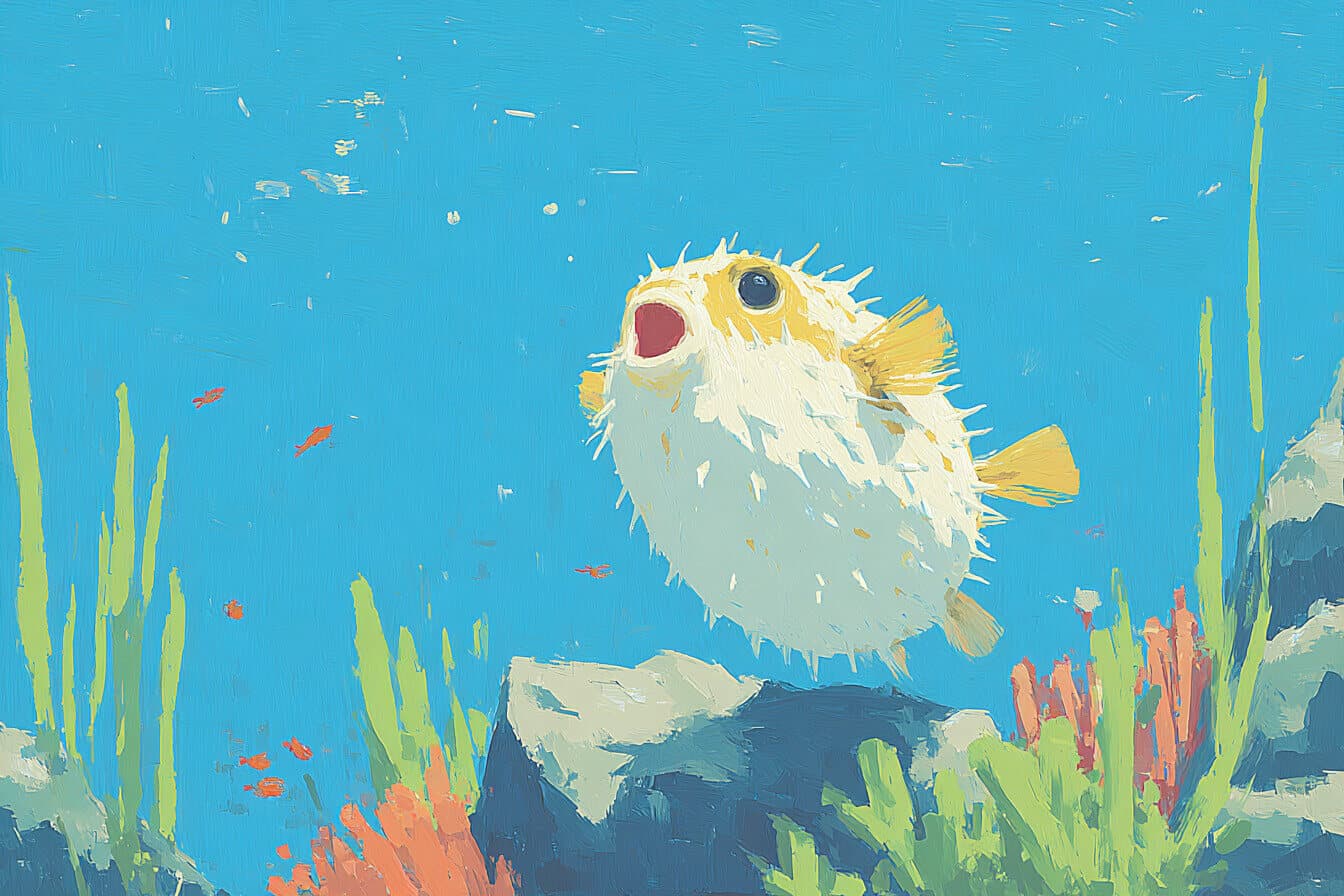
Pufferfish Bedtime Stories
Drift under turquoise waves with short pufferfish bedtime stories where a jumpy little fish turns surprise bounces into a brave stage dance. A conch charm makes the twist feel tender.
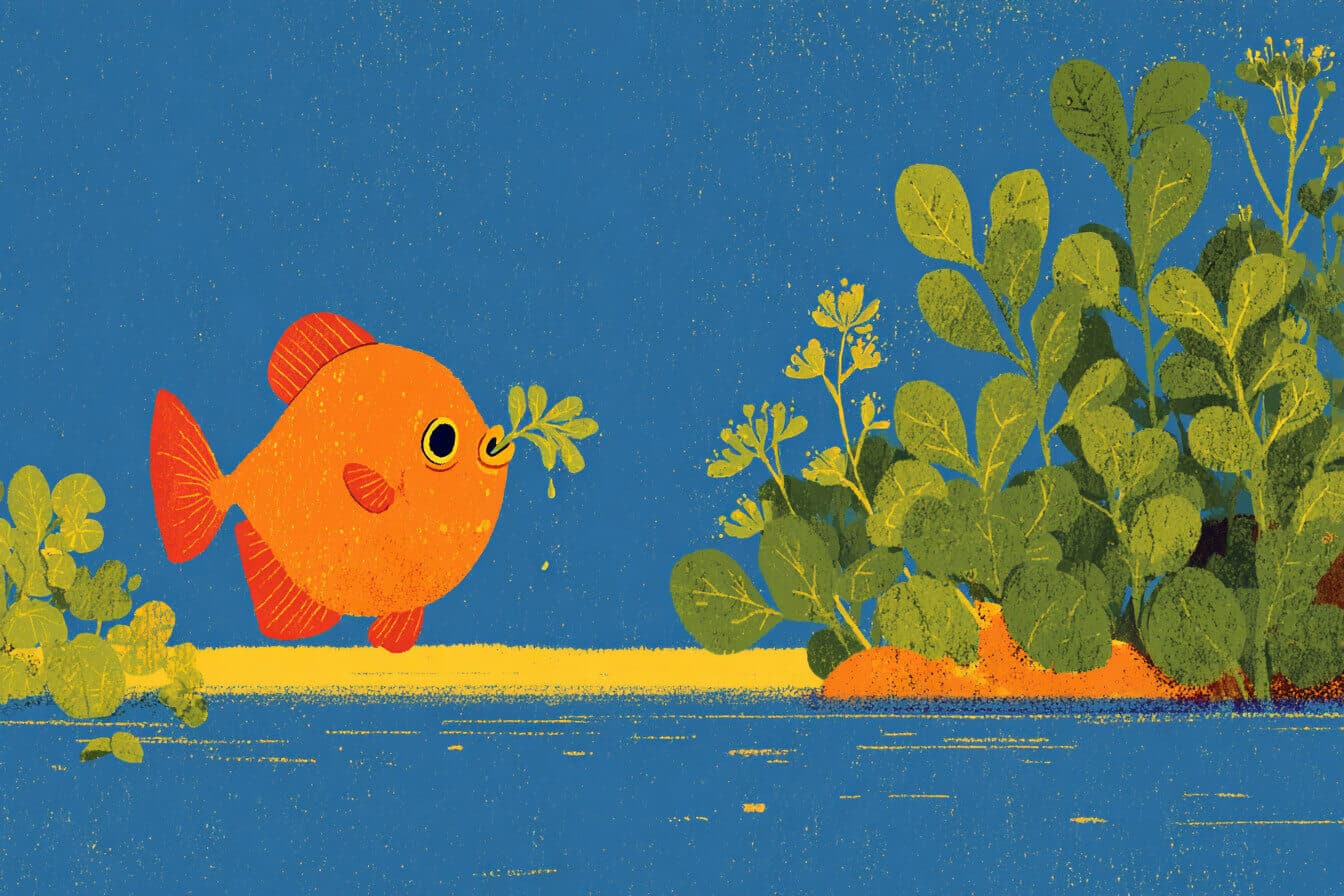
Piranha Bedtime Stories
Drift into the Amazon with short piranha bedtime stories where a toothy fish hosts a leafy picnic and wins hearts one crunch at a time.

Pigeon Bedtime Stories
Ease into comfort as Pablo delivers tiny folded notes tied with a sky blue ribbon to lift lonely hearts. Settle in with short pigeon bedtime stories that bring warmth, hope, and easy sleep.