
Bedtime Stories For 16 Year Olds
By

Dennis Wang, Bedtime Story Expert
8 min 0 sec
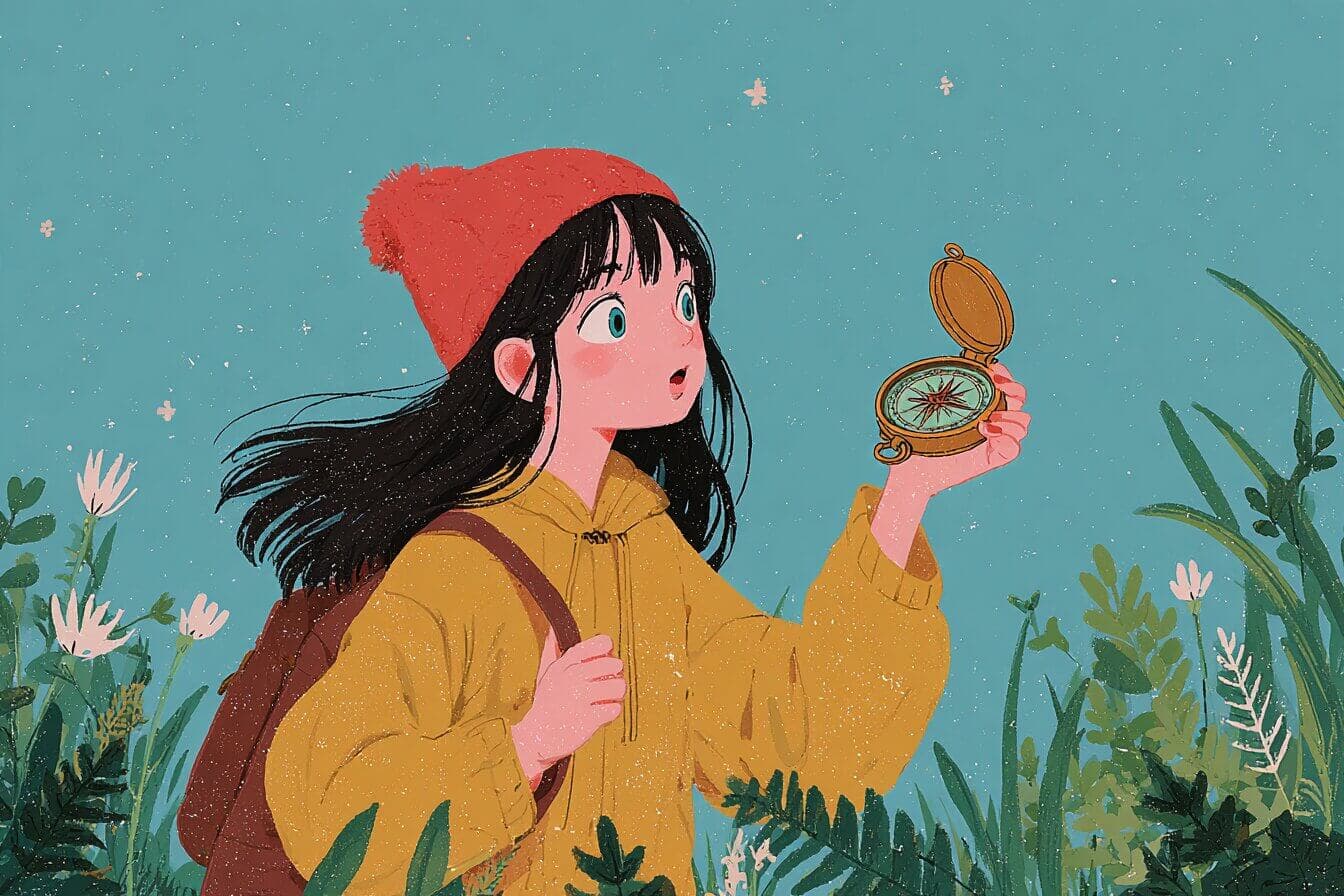
There is something about the space between childhood and adulthood that makes nighttime feel louder than it should, full of half-formed questions and choices that won't sit still. This story follows Maya, a teen who stumbles into an antique shop, finds a compass that points at her own heart, and has to decide whether to play it safe or follow the strange melody she has been composing in secret. It is the kind of bedtime stories for 16 year olds that works precisely because it takes the weight of "what do I do next" and turns it into something gentle enough to fall asleep to. If you want to shape a story like this around your own teenager's world, you can make your own version with Sleepytale.
Why 16 Year Old Stories Work So Well at Bedtime
Sixteen is an age when the brain runs hot all day, sorting through identity, social pressure, and decisions that feel enormous even when they are small. A bedtime story for 16 year olds works because it gives that overworked brain a single, contained narrative to follow instead of a hundred open tabs. The stakes are real enough to hold attention but gentle enough that no adrenaline kicks in.
What makes this age group especially responsive to storytelling at night is the emotional mirror effect. When a character faces a recognizable dilemma, like choosing between the expected path and the honest one, the reader gets to process that tension safely, under a blanket, with no consequences. That kind of rehearsal calms the nervous system and makes sleep come more easily than scrolling ever could.
The Compass of Tomorrow 8 min 0 sec
8 min 0 sec
Maya pressed her nose against the dusty shop window and fogged the glass.
Inside, among towers of brass keys and cracked snow globes and a taxidermied owl that someone had dressed in a tiny bow tie, a compass sat on a velvet cushion. Its needle was not the usual dull gray but a shimmering silver that caught the afternoon sun and scattered tiny rainbows across the shelves. A handwritten tag, the ink slightly smudged where a thumb had rested, read: "For the traveler who must choose."
The bell above the door jingled.
The shop smelled of cedar and something older, something that didn't have a name but reminded Maya of her grandmother's closet. Behind the counter, Mr. Alder adjusted his round spectacles and looked at her the way librarians look at people who actually read.
"Looking for something special?" His voice was soft, unhurried.
Maya pointed at the compass.
He lifted it with both hands and placed it in her palm. The moment her fingers closed around the cool brass, the needle whirled like a dizzy bumblebee, then stilled. It pointed straight at her heart.
"It points toward the one decision that will change everything," he said. "But you must choose before it stops spinning forever."
Maya opened her mouth to ask what that meant, exactly, but Mr. Alder had already turned away to reorganize a shelf of porcelain cats, humming to himself as though he had said nothing unusual at all.
Outside, clouds moved fast. Maya's sneakers crunched autumn leaves as she hurried to the park where two paths split apart.
One trail, paved and familiar, led home. Warm soup. The piano bench she had sat on since she was seven. The promise of safe, expected tomorrows. The other was a narrow ribbon of dirt that disappeared into golden woods where, if she held very still, she could hear something like music.
The compass trembled. Its needle flicked between the two directions like a heartbeat deciding whether to race or rest.
She remembered Grandma Rose saying, once, in the middle of peeling an apple in one long spiral: "Courage is choosing the path that lets your truest self sing." Maya had been eleven. She had not understood it then.
She sat on a bench and pulled her knees to her chest.
She thought about the school talent show next week. If she went home, she would practice piano and perform the same gentle lullaby everyone expected, the one Mrs. Torres always praised, the one that sounded like somebody else's idea of who she was. If she followed the dirt trail, she might find the melody she had been composing in secret for months, the one she played only when the house was empty, the one that made her fingertips tingle and her throat tight in a way she could not explain.
The compass needle slowed. Its glow was dimming.
She pressed it to her ear. A faint ticking, small and precise, like a clock made for a mouse.
A robin landed on the bench beside her. It looked at her sideways.
"I wish you could just tell me," Maya said.
The robin chirped once, sharp and definite, and hopped toward the woods.
Maya laughed. It came out shaky. She stood, brushed leaf crumbs from her jeans, and stepped onto the dirt path.
The compass brightened immediately, needle steady as a lighthouse beam. Branches arched overhead, forming a tunnel of gold and amber. Each footstep released pine scent and the earthy smell of soil after rain. She passed a hollow log where two snails appeared to be racing in slow motion, neither of them winning. She passed a cluster of mushrooms glowing faintly green at their edges. She passed a feather caught in a spider's web, turning in the breeze, catching light it had no business catching.
Then the trail opened.
A small clearing. A brook running over stones, making a sound that was almost, but not quite, a melody. And on the far bank, half swallowed by ivy, an old upright piano with yellowed ivory keys.
Maya stopped breathing for a second.
She had dreamed of this instrument. She had never told anyone about the dream because it sounded ridiculous, a piano in the woods, but there it was, real and solid and a little bit ruined and perfect.
The brook was too wide to jump. The bridge had rotted away years ago; only the posts remained, leaning into each other like tired friends. Maya looked at the compass. The needle pointed at the piano now, spinning slowly, as if to say: your move.
She found flat stones along the bank. One by one she laid them across the water, stepping and steadying, arms wide. The brook chuckled underneath her, spraying cool drops onto her ankles, soaking through one sock.
On the other side, she touched the piano. The wood was warm from the last of the sun. She sat on a mossy stump that was exactly the wrong height, adjusted, sat again, and began to play.
The secret melody came out hesitant at first, the way a confession starts. Then it found itself. Notes tumbled and climbed and turned corners she hadn't planned. The clearing filled with sound, and the ivy on the piano seemed to lean in closer, curious. When the final chord faded, the compass needle stopped spinning entirely. It pointed not forward and not back but straight up, toward the sky, toward nothing, toward everything.
A wind stirred the trees.
Maya sat there for a long moment, hands still on the keys, just breathing.
She understood: the decision had never been about which path to take. It was about trusting the song that already lived inside her, the one she kept apologizing for.
She closed the compass and slipped it into her pocket.
Far above, clouds parted. The first evening star appeared, small and definite.
She played the melody once more, and this time she sang words she hadn't known she knew: "I am the music of my own becoming." Her voice was imperfect. It cracked on the high note. She sang it anyway.
When she finished, fireflies rose from the grass, slow and deliberate, forming a glowing line across the brook. Maya stepped carefully back over, each footfall sparking light. The trail home felt shorter, as though the forest itself was hurrying her along.
At the edge of the park, streetlights flickered on.
Her mother waited on the porch, arms crossed, worry softening into relief the instant she saw Maya's face.
"I was about to call the police," Mom said, pulling her close.
Maya breathed in lavender soap and the faint smell of dinner burning slightly on the stove.
"I found my song," she said.
Her mother looked at her for a long moment, then nodded as though she understood something she could not name.
Inside, Maya practiced the new piece until moonlight slid across the living room rug and the cat fell asleep on the pedals. The next evening, she walked onto the talent show stage. The auditorium hushed. Her fingers found the keys, and the forest melody poured into fluorescent light, filling the rows of plastic chairs, filling the space between people's ribs.
When the last note faded, the audience rose. Applause, loud and warm. But Maya's favorite sound was the quiet certainty in her own chest, steady as a compass needle that had finally found true north.
Weeks later, the compass disappeared from her pocket, as quietly as dew evaporates at sunrise.
Maya smiled. She did not need it.
Every morning she wakes and chooses the path that lets her truest self sing. Sometimes that means composing something new. Sometimes it means helping a friend believe in their own hidden music. Sometimes it just means listening to the wind and not filling the silence with noise.
And on certain evenings, when twilight turns the sky lavender, she goes back to the clearing. The piano waits, ivy curling around its legs. She plays, the brook hums along, and fireflies rise like tiny compasses, pointing every listener toward something they already carry but keep forgetting to trust.
The Quiet Lessons in This 16 Year Old Bedtime Story
At its core, this story explores self-trust, the courage to be imperfect, and the difference between performing for approval and creating something honest. When Maya steps onto the dirt path even though she is scared, kids absorb the idea that bravery is not the absence of doubt but the willingness to move through it. When her voice cracks on the high note and she keeps singing anyway, the story shows that authenticity matters more than polish. These are exactly the kind of reassurances that settle well at bedtime, the reminder that tomorrow does not require perfection, just one honest step.
Tips for Reading This Story
Give Mr. Alder a slow, measured cadence, like someone who has all the time in the world, and let Maya's dialogue come out faster and a little breathless by contrast. When Maya lays the stones across the brook, slow your pace to match her careful steps, and pause for a beat after "each footfall sparking light" on the firefly bridge to let the image land. If you are reading aloud, try humming a few notes when the story says Maya begins to play; it turns an abstract moment into something your listener can feel.
Frequently Asked Questions
What age is this story best for?
It is written for listeners around 14 to 17, the age when decisions about identity and self-expression feel huge and immediate. Maya's dilemma, choosing between the safe lullaby everyone expects and the melody that is actually hers, maps directly onto the kind of tensions teens navigate daily, which makes it easy for this age group to connect with her without the story feeling childish.
Is this story available as audio?
Yes. You can press play at the top of the story to listen. The audio version brings out details that might slip past on the page, especially the contrast between the quiet antique shop and the open clearing, and Maya's melody feels more alive when you can hear the rhythm of the sentences shift as she starts to play. It works well as a wind-down listen with the lights already off.
Can a story like this actually help a teenager fall asleep?
It can. The pacing moves from a small, enclosed space (the shop) to a slow walk through the woods to a still clearing, which mirrors the kind of gradual relaxation that helps the body shift into sleep mode. Maya's journey gives a busy teen brain a single thread to follow instead of spiraling through tomorrow's to-do list, and the ending resolves gently enough that there is nothing left to worry about.
Create Your Own Version
Sleepytale lets you reshape this kind of story around your own teenager's world. You can swap the forest for a rooftop at night, trade the compass for a journal or a ring, change Maya into someone with your teen's name, or shift the secret talent from piano to painting, coding, or spoken word. In a few moments you get a calm, personalized story with a gentle landing that actually fits the person listening to it.
Looking for more bedtime stories for kids by age?
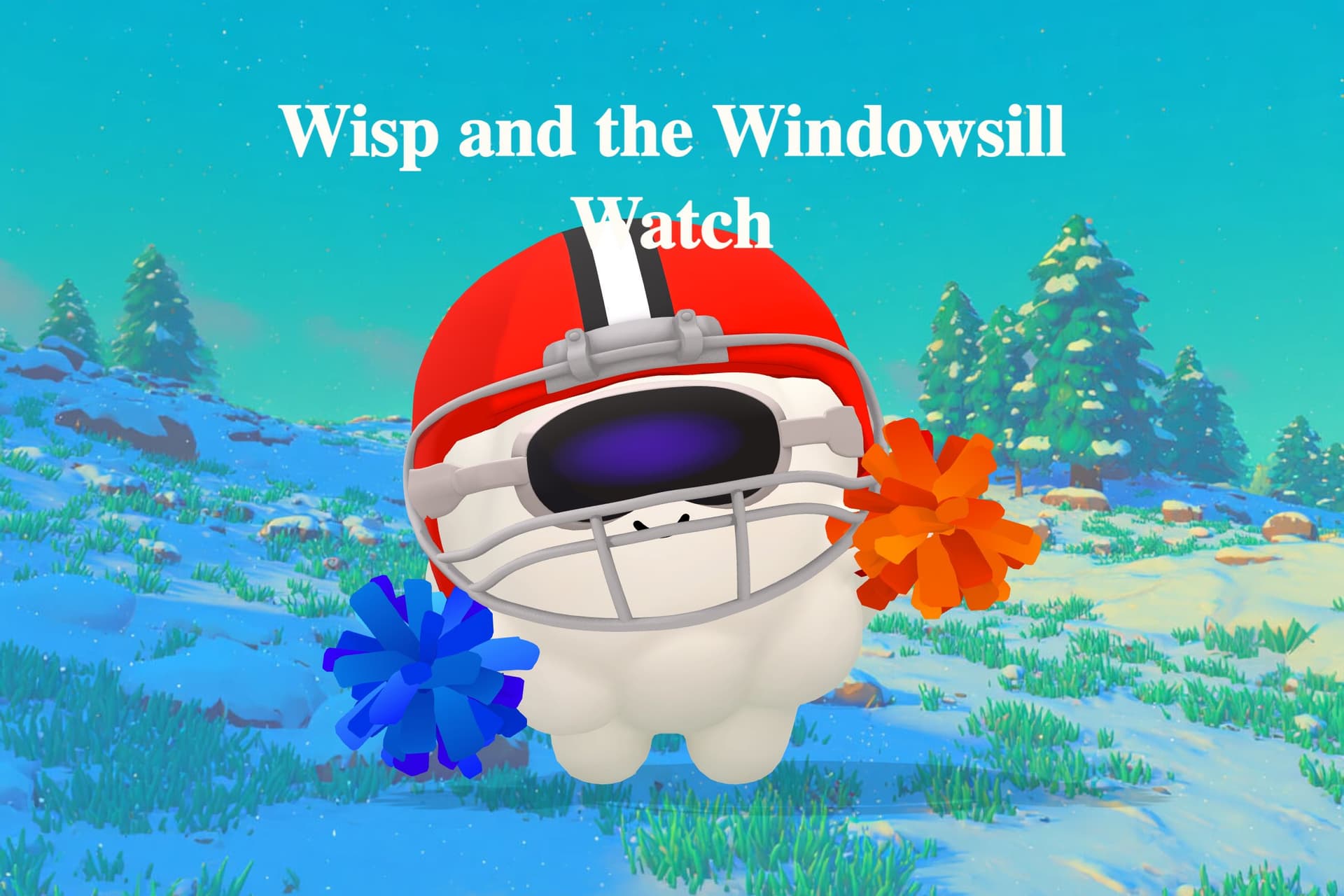
Scary Stories For Kindergarteners
Are you looking for short scary stories for kindergarteners? Wisp is a tiny trembling ghost who learns to name the shadows a windowsill.
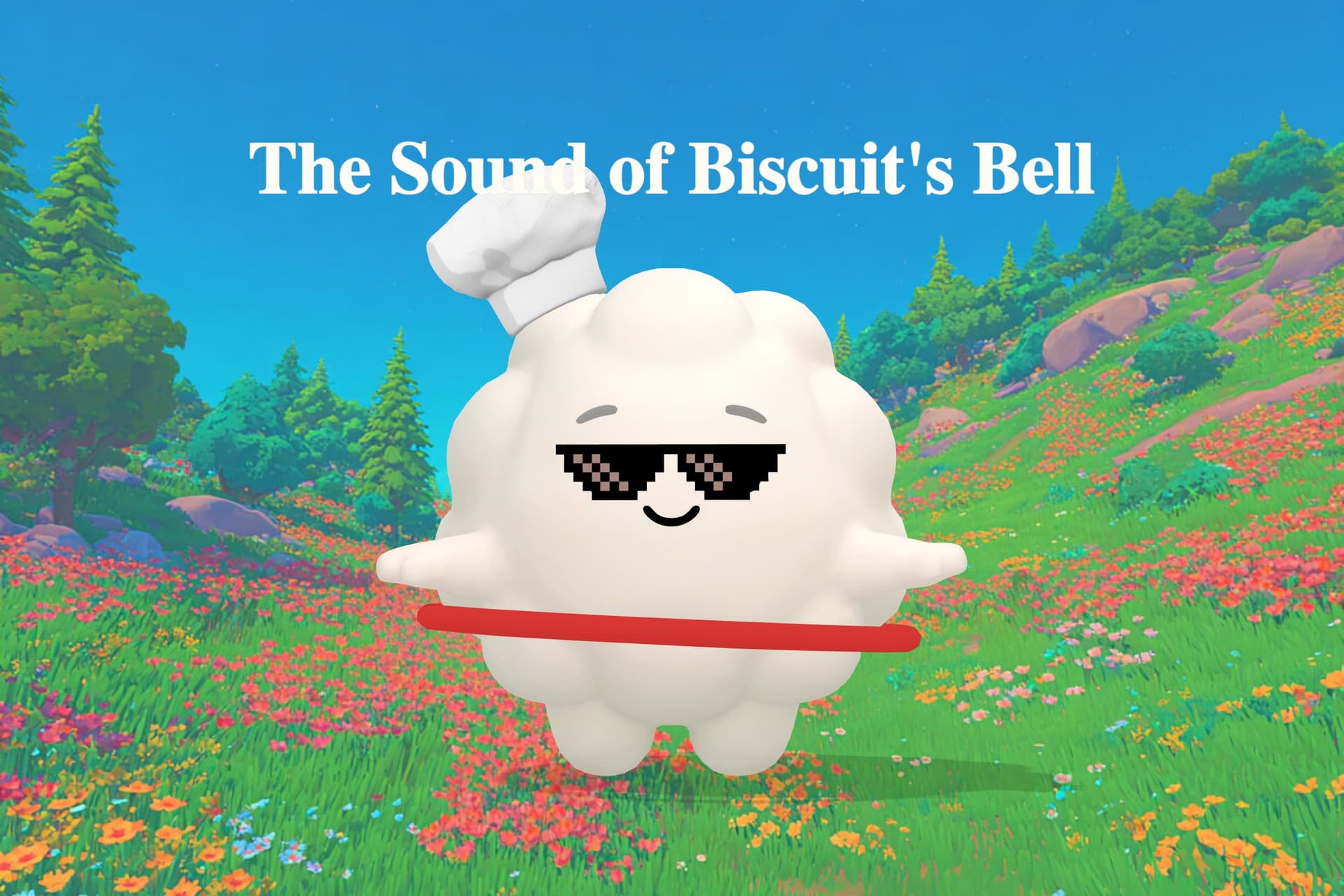
Audiobooks For Kindergarteners
A tugboat named Biscuit navigates fog by following buoy bells, making short audiobooks for kindergarteners feel like a lullaby the water.

Short Newborn Bedtime Stories
Are you searching for short newborn bedtime stories where the moon watches over a sleeping baby all night?

Baby Bedtime Stories
Enjoy a cozy night with short baby bedtime stories like The Waiting Hug, featuring a stuffed rabbit's patient wait for one perfect embrace.

Short Stories For 8th Graders
Maya spent three years saying hello to every face in her hallway, and one quiet boy replied with dragons. Discover short stories for 8th graders here.

Kindergarten Stories
A lost red crayon waits under a bookshelf until a boy named Mateo draws a smiling sun in one of the sweetest short kindergarten stories for bedtime.