
The Selfish Giant Bedtime Story
By

Dennis Wang, Bedtime Story Expert
6 min 9 sec
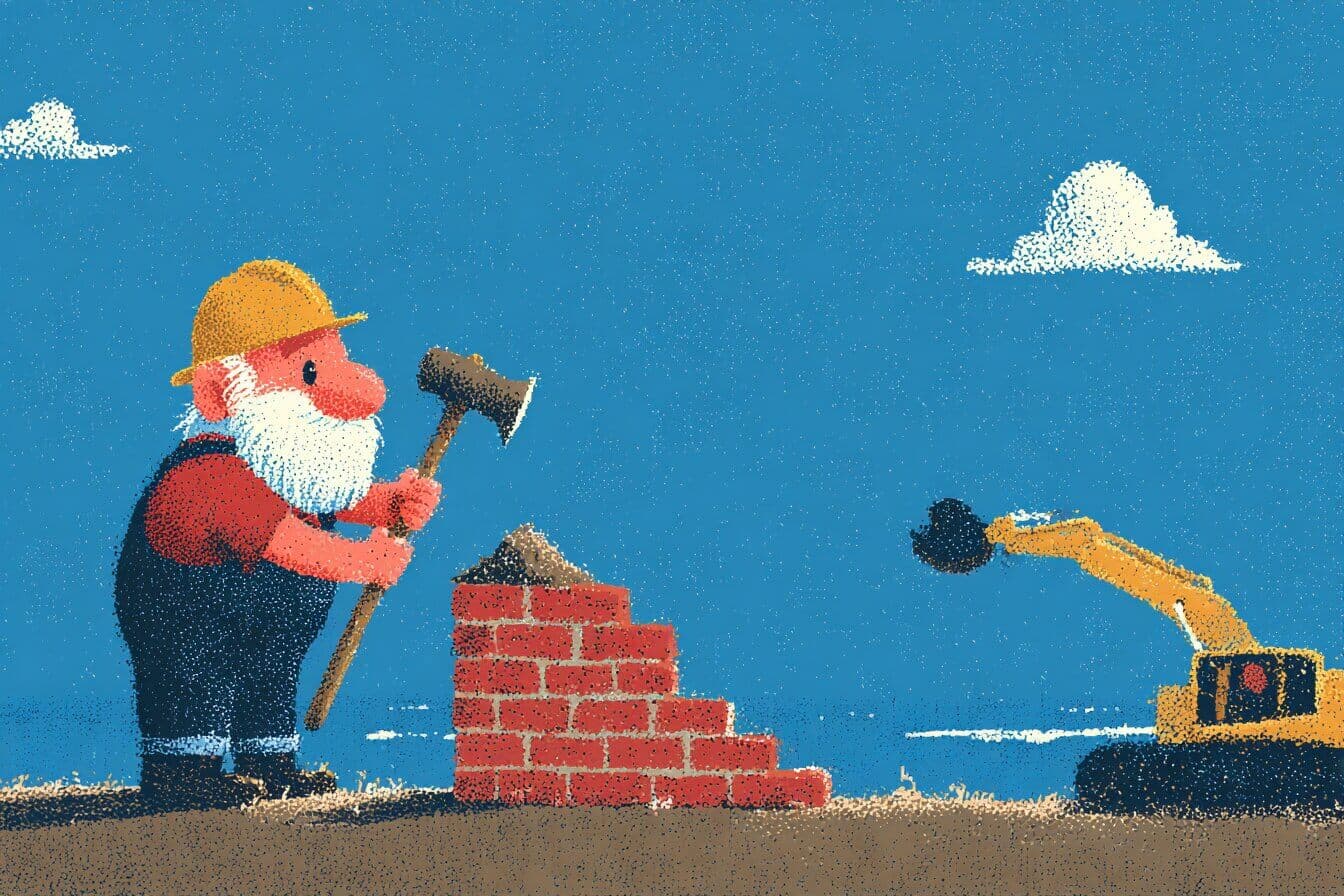
There is something about a locked garden that pulls at a child's imagination, the mystery of what might be growing behind a wall nobody is allowed to climb. In this gentle retelling, a giant named Bartholomew seals off his beloved garden only to watch it freeze under a winter that refuses to leave, until one small visitor knocks at the gate. It is the kind of the selfish giant bedtime story that settles into a child's breathing like cool grass under bare feet, quiet and grounding. If you would like a version shaped around your own family, you can create one with Sleepytale.
Why Selfish Giant Stories Work So Well at Bedtime
Children are still learning how to hold two feelings at the same time, wanting something all to themselves and wanting to be close to other people. A selfish giant story puts that tension into a landscape they can picture: a garden that blooms when shared and freezes when hoarded. The images are concrete enough for a young mind to grasp without any explaining.
That is also why this kind of story calms rather than excites. The conflict is not loud or scary; it is a slow chill, a quiet loneliness, and then a gradual thaw. Reading a story about a giant at bedtime gives kids a safe way to sit with the idea that shutting people out makes the world feel colder, and that opening the gate is always possible, even after a long winter.
The Giant Who Learned to Share 6 min 9 sec
6 min 9 sec
In a quiet village tucked between hills so green they looked painted, there lived a giant named Bartholomew who loved his garden more than anything else in the world. Every morning he watered the roses, trimmed the hedges, and chased away birds that tried to get at his strawberries. He had a particular way of clapping his hands twice, sharp and flat, that sent starlings scattering before they even touched a berry.
The garden was his pride. Fountains caught the light. Fruit trees bore peaches so sweet that juice would run down your chin before you even got a proper bite. One afternoon, while Bartholomew was crouched over his tulips, pulling a weed that had no business being there, he heard laughter floating over the stone wall.
He peeked through the ivy and saw village children playing tag among the daisies outside his gate. Their joy made him frown.
"My garden is too beautiful for sticky fingers and muddy shoes," he muttered to nobody. That very night, the giant built a wall so high the clouds had to drift around it. He sealed the iron gate with a lock as big as a wagon wheel and hung a sign that read, "Children Keep Out!" He stepped back and nodded at his work, satisfied with the silence.
The next morning, children pressed their faces against the cold stone, but they could no longer enter. They stood there a while, then wandered off to find somewhere else to play.
At first Bartholomew felt proud. But days passed, and something strange crept in. The peach trees stopped bearing fruit. The roses drooped. Frost appeared on the grass even though every other garden in the village sat warm under summer sun. Snowflakes drifted down, covering benches and birdbaths in white. The giant shivered and wrapped his cloak tighter. He could not understand it.
Winter had come to stay. The laughter that used to float over the wall had vanished completely, and without it the garden held a kind of hush that pressed on his ears. Months passed. Bartholomew grew lonely, though he would not have used that word. He told himself the quiet was peaceful. He told himself he preferred it.
One morning, he heard a tiny knock on the gate. Just three small taps, so faint he almost missed them.
Opening it a crack, he saw a boy with tousled hair and a gap in his smile where a tooth used to be. The boy had a leaf stuck to his sleeve, which he did not seem to notice.
"Mister Giant," the child said, "may I come in? I want to see if the peaches are ready."
Bartholomew nearly pushed the gate shut. But something in the boy's voice, patient and curious rather than demanding, made his hand stop.
"There are no peaches," the giant grumbled. "My garden is frozen."
The boy squeezed through the gap and took hold of one of Bartholomew's enormous fingers. His hand was warm and slightly sticky, the way children's hands always are. "Maybe it just needs a friend."
They walked among the frosted trees together. Where the boy stepped, snow melted and tiny crocuses pushed through the earth, purple and white and trembling. The giant said nothing for a long time. He just watched.
The boy picked a snowdrop and reached up on his toes to tuck it behind Bartholomew's ear. It sat there, small and ridiculous against the giant's enormous head, and neither of them mentioned it.
"See? Sharing makes everything warmer."
Bartholomew's eyes filled. Not sadness. Something closer to relief, the feeling of finally putting down something heavy you have carried too long.
He walked to the gate and pushed it wide open. Then he called out toward the village, his voice carrying over rooftops and through open kitchen windows. The children came slowly at first, peeking around the stone wall, unsure. But when they saw the giant standing there with a snowdrop behind his ear and a crooked smile on his face, they rushed inside.
The garden bloomed all at once. Roses unfurled. Peaches blushed pink along the branches. Butterflies appeared from nowhere, or maybe from everywhere.
From that day, Bartholomew shared his garden with everyone. He built a wooden swing from an old oak branch, testing it three times himself before he let any child sit on it. He planted a patch of strawberries low to the ground, right where small fingers could reach. The children taught him hide and seek, though he was hopeless at it. You could always spot his boots sticking out behind the rose bushes.
Every evening they gathered around the fountain. Bartholomew told stories about his travels in faraway mountains, and occasionally he got details wrong on purpose just to hear the children correct him. "No, the mountain was taller than that!" they would shout, and he would scratch his chin and say, "Was it? You might be right."
The garden became the happiest place in the village. Winter never settled there again, and laughter hung in the air the way the smell of cut grass does on a warm afternoon.
Bartholomew baked peach pies with the children on Saturdays. Flour dusted his beard and sometimes the pies came out lopsided, but nobody cared. One girl painted his portrait in watercolors, giving him slightly more hair than he actually had. He framed it and hung it above the fireplace without saying a word about the hair.
Years later, the boy who had first knocked on the gate grew up and brought his own children to play beneath the same peach trees. Bartholomew would lift them high to pick the juiciest fruit, their laughter echoing over the wall, which was much lower now. Stones had been borrowed from it over the years for stepping paths and little seats, and no one had minded.
The sign on the gate had long been replaced. The new one read, "Everyone Welcome!" in paint that needed touching up every spring but always got it.
And every year, when the first crocus pushed through the last thin layer of snow, Bartholomew would kneel down to look at it. He never said anything out loud. He just smiled, and the garden leaned a little closer to the sun.
The Quiet Lessons in This Selfish Giant Bedtime Story
This story holds a few ideas that settle well right before sleep. When Bartholomew locks the gate and watches his garden freeze, children absorb the connection between shutting others out and the loneliness that follows, without anyone needing to explain it. The moment the boy takes the giant's finger and walks with him through the frost carries a lesson about how small, brave gestures of kindness can change a whole landscape. And when Bartholomew opens the gate and stands there with a snowdrop behind his ear, looking slightly ridiculous and not minding, kids see that letting go of pride is not a loss but a relief. These are reassuring thoughts to carry into sleep: that mistakes can thaw, that one knock on a door can be enough, and that tomorrow is a good day to share.
Tips for Reading This Story
Give Bartholomew a low, rumbly voice that softens as the story goes on, so by the time he calls the children back his tone is completely different from his early grumbling. When the boy tucks the snowdrop behind the giant's ear, pause for a beat and let the image sit; that quiet moment lands better with a little silence around it. At the part where children shout, "No, the mountain was taller than that!" let your voice get bright and a little louder, then drop back to a murmur for the final paragraphs so the ending eases your child toward sleep.
Frequently Asked Questions
What age is this story best for? This version works well for children ages 3 to 8. Younger listeners enjoy the clear images of snow melting under the boy's footsteps and the silliness of Bartholomew hiding behind rose bushes, while older children pick up on the connection between his loneliness and his choice to lock the gate. The language is simple enough for a three year old to follow but layered enough to hold a second grader's attention.
Is this story available as audio? Yes. You can press play at the top of the story to hear it read aloud. Bartholomew's grumbly dialogue and the boy's gentle voice come alive in narration, and the shift from the quiet frozen garden to the noisy, laughing one has a rhythm that audio captures especially well. It is a nice option for nights when you want to listen together instead of reading.
Why does the garden freeze when Bartholomew locks it? In the story, the frost is a way of showing what happens when generosity disappears. Bartholomew's garden thrived partly because of the life and energy children brought into it. Once he shut them out, the warmth left too. It is not meant to be literal science; it is the kind of gentle magic that helps children understand an emotional truth through a picture they can see in their minds.
Create Your Own Version
Sleepytale lets you reshape this classic tale to fit your child's world. You could swap Bartholomew's garden for a rooftop greenhouse in a city, change the peaches to mangoes, or turn the brave visitor into a sibling or a talking sparrow. In a few moments you will have a cozy, personalized story with the same gentle arc of closed hearts opening again, ready to read whenever bedtime needs a little extra warmth.
Looking for more bedtime story classics?

Once Upon A Time Stories
What happens when June opens a golden book with no title? One of the sweetest short once upon a time stories about a forest, a hedgehog, and a blank page.

Fairy Tales Written By Hans Christian Andersen
Anders discovers short fairy tales written by Hans Christian Andersen as his grandmother reads from a soft brown book by lamplight.

Bluebeard Fairy Tale
In this short bluebeard fairy tale, the forbidden room holds not horror but a music box and memories of the people Lord Corvus loved most.

Red Shoes Fairy Tale
What happens when Karen's magical red shoes refuse to stop dancing? Discover this short red shoes fairy tale tonight.
Twinkle Twinkle Little Star Bedtime Story
Lily watches a kind star and floats up to help deliver dreams in this short twinkle twinkle little star bedtime story. A warm, quiet tale for sleepy nights.
Through The Looking Glass Bedtime Story
Step into a calm, magical short through the looking glass bedtime story and drift toward sleep with gentle wonder. Enjoy a soothing retelling that feels cozy from start to finish.