
The Legend Of Sleepy Hollow Bedtime Story
By

Dennis Wang, Bedtime Story Expert
6 min 27 sec
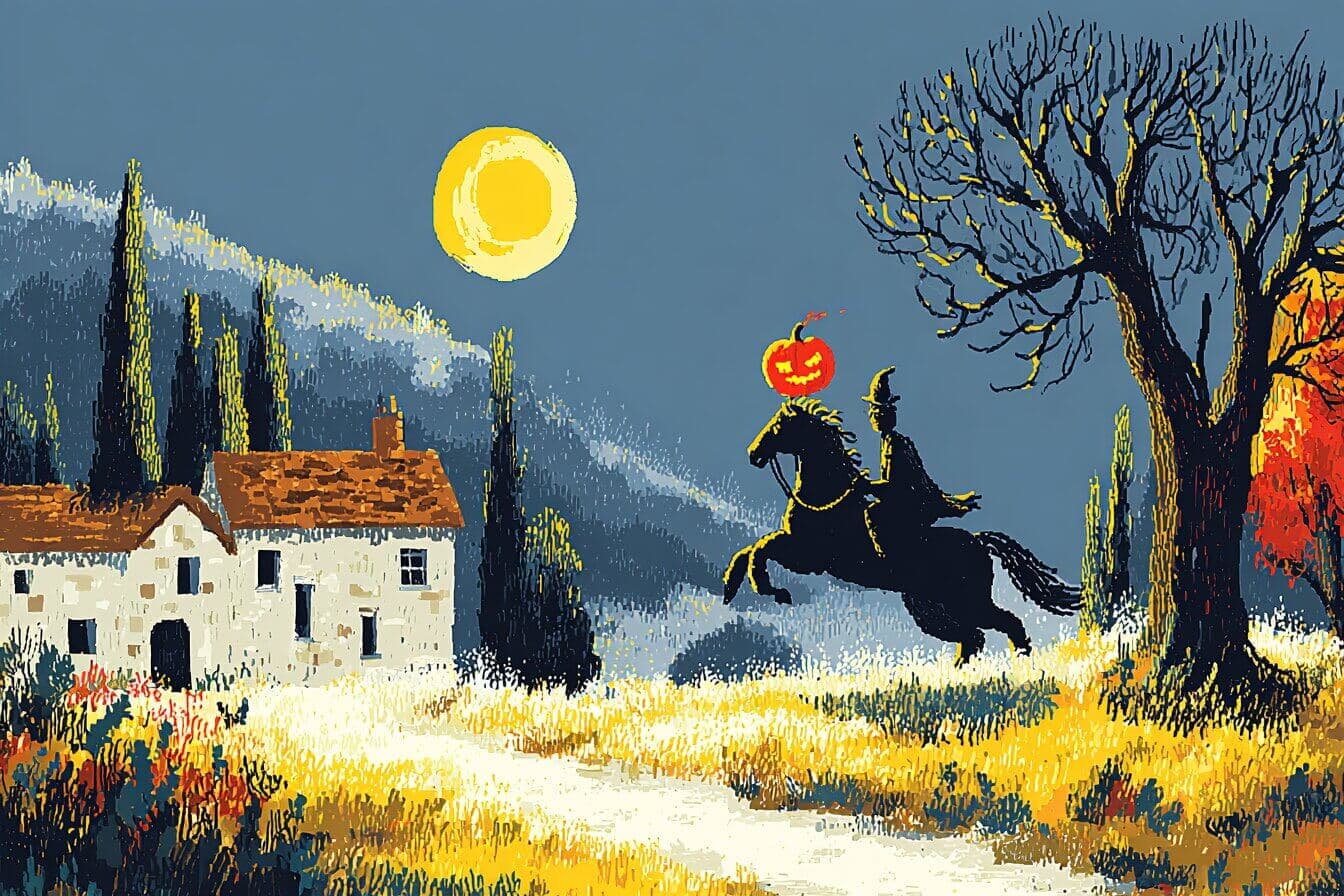
There is something about autumn air, the smell of damp leaves and wood smoke, that makes children want to curl up close and hear a story with just enough mystery to feel exciting but not enough to keep them awake. This gentle retelling follows Ichabod Crane along a misty road where a courteous rider, a glowing lantern, and a small act of bravery turn the legend of Sleepy Hollow bedtime story into something warm and reassuring instead of frightening. Ichabod does not run; he tips his hat, shares his light, and rides home safely, which is exactly the kind of ending a child needs before sleep. If you would like to customize the characters or setting to suit your little one, you can create your own version with Sleepytale.
Why Sleepy Hollow Stories Work So Well at Bedtime
Children are drawn to stories that let them peek at something a little spooky and then pull them safely back to warmth. Sleepy Hollow, with its misty roads and lantern light, gives kids just enough thrill to feel brave while wrapping the whole scene in autumn coziness. The fog, the old bridge, the clip-clop of hooves; these details are rhythmic, almost hypnotic, and they slow a child's breathing down without them even noticing.
A bedtime story about Sleepy Hollow also teaches something useful: that the things hiding in the dark are not always what they seem. When a shadowy rider turns out to be a guide instead of a threat, kids absorb the idea that nighttime can hold kindness as easily as mystery. That shift from nervousness to safety mirrors the exact journey a child takes as they settle into bed.
The Lantern of Sleepy Hollow 6 min 27 sec
6 min 27 sec
Every autumn, when the moon hung like a silver coin over the Hudson Valley, the children at the one-room schoolhouse begged their teacher, Mr. Ichabod Crane, for tales of the Hollow's gentle ghost.
Ichabod was a thin man whose coat flapped like a scarecrow's jacket. He always polished his tiny spectacles before he spoke, slowly, the way you'd blow on hot cider so it wouldn't burn. He believed stories should feel like that; warm, careful, worth the wait. He told them of the Headless Horseman who carried not a fearsome pumpkin, but a glowing lantern made of kindness, meant to guide travelers home.
The children loved how his voice dipped and rose like a lullaby. They never guessed their teacher carried the very same lantern hidden in his satchel, wrapped in a scrap of flannel to keep the tin from rattling.
One dusk, with maple leaves swirling like copper butterflies, Ichabod set off on his mare, Ginger, along the familiar crooked road. Ginger's ears twitched at nothing. Then at something.
Mist pooled between the trees, so thick it looked like spilled cream, and every hoofbeat echoed like a second heartbeat just out of step with the first. Halfway past the old stone bridge, Ichabod heard the clip-clop of another horse. Steadier than Ginger. Stranger, too.
From the fog emerged a towering rider clad in midnight velvet, holding a carved pumpkin that blazed with friendly golden light. His collar stood empty above his shoulders, yet he bowed politely, as courtly as a king greeting a neighbor at the fence.
Ichabod's knees wobbled.
But he remembered his promise to the children, the one he made every Monday morning before arithmetic, to be brave when it counted. So he tipped his cap and said, simply, "Evening."
The Headless Horseman lifted the lantern higher, and hundreds of tiny firefly sparks drifted out, rearranging themselves until they spelled the word "Peace" across the mist. The letters hung there, soft and golden, then dissolved one by one like sugar in rain.
Ginger snorted but stayed calm. Animals know when hearts are true, and something about the Horseman's stillness told her there was nothing here to bolt from.
Ichabod realized the ghost needed something. He could not say how he knew, only that the Horseman's gloved hand trembled the way a person's does when they want to ask for help but have no mouth to form the words. So Ichabod reached into his satchel, felt past the flannel wrapping, and drew out his own tin lantern, the one painted with lopsided stars because he had decorated it on a bumpy wagon ride years ago.
Together, the two lanterns touched. Their lights merged into a single rainbow beam that swept the Hollow clean of every lurking shadow, the way morning sweeps a bedroom when someone pulls back the curtains.
The Horseman's gloved hand pressed a small seed into Ichabod's palm. The seed was warm, almost like holding a penny that had been sitting in sunlight. Then the rider wheeled his steed and vanished into the moonlight, leaving only the scent of cinnamon and pine.
Ichabod tucked the seed beside his heart, finished the ride home, and fell asleep in his chair by the stove still wearing his boots. He dreamed in color that night.
Weeks passed. Snow whispered over the valley. The seed in Ichabod's desk drawer began to glow, faintly, as if a firefly had gotten trapped inside it.
On the first day of spring, he planted it behind the schoolhouse beside the lilac hedge, pressing it into the cold dirt with his thumb.
Overnight, a slender sapling sprouted silver leaves that chimed when the wind blew. The sound was high and clear, like someone tapping a spoon against a glass at a dinner party.
Children came from every village to see the miracle tree. Ichabod told them it was a gift from the Hollow's guardian, proof that courage grows when kindness is shared. He said it plainly, the way he said most things, and the children believed him because he did not make it sound fancy.
Each autumn, the tree produced one small pumpkin-shaped fruit that glowed softly, like captured sunrise.
Ichabod let the oldest pupil light it on Halloween night. The warm beam guided parents along the dark road to fetch their little ones, and the walk home never felt lonely.
No one feared the Hollow after that. The Headless Horseman roamed only to keep wanderers safe, and Ichabod's story became a lullaby sung from one generation to the next, each family adding a small detail of their own.
Travelers sometimes reported seeing two bobbing lights near the bridge, one large and one small, dancing together like old friends who had forgotten how the argument started.
Ichabod never met the Horseman again. Yet every time he crossed the bridge, he lifted his own lantern in greeting. A gentle breeze always answered, carrying the faint scent of cinnamon and pine through the years, through the trees, all the way to wherever you are listening right now.
The Quiet Lessons in This Sleepy Hollow Bedtime Story
When Ichabod's knees wobble but he still tips his cap and says "Evening," children absorb the idea that bravery is not the absence of fear; it is choosing politeness and calm even when your hands are shaking. The moment he reaches into his satchel to share his lopsided tin lantern shows kids that generosity does not require perfection, just willingness. And the seed that glows quietly in a desk drawer all winter teaches patience, the understanding that good things sometimes need time in the dark before they are ready to grow. These themes settle well at bedtime because they replace worry with reassurance: tomorrow, you can be brave, you can be kind, and the things that seem scary might just need your help.
Tips for Reading This Story
Give Ichabod a soft, slightly reedy voice, the kind of voice that sounds like it belongs to someone who would polish his spectacles before telling a story. When the Horseman appears, drop your voice low and slow your pacing, then let the word "Evening" land in a normal, almost casual tone to highlight Ichabod's bravery. At the moment the two lanterns touch and the rainbow beam sweeps the Hollow clean, pause for a beat and let your child picture it before you move on.
Frequently Asked Questions
What age is this story best for? This retelling works well for children ages 4 to 9. Younger listeners enjoy the sensory details, like the firefly sparks spelling "Peace" and the silver leaves that chime, while older kids appreciate Ichabod's choice to greet the Horseman instead of running. The mild spookiness of the fog and the empty collar gives just enough thrill without crossing into anything that would keep a child awake.
Is this story available as audio? Yes, you can press play at the top of the story to listen. The audio version brings out details that really shine when heard aloud, like the clip-clop rhythm of the two horses meeting on the bridge and the quiet moment when the firefly letters dissolve "like sugar in rain." Ichabod's calm greeting to the Horseman also carries more weight in a narrator's voice, making the bravery feel real and immediate.
Why is this version of the Headless Horseman friendly instead of scary? This retelling reimagines the Horseman as a guardian of the Hollow rather than a villain, which keeps the atmosphere mysterious without tipping into fear. Children still get the thrill of a foggy bridge and a rider emerging from the mist, but the interaction ends with a gift and a beam of light instead of a chase. It lets kids enjoy the spooky setting while learning that not everything unfamiliar is dangerous.
Create Your Own Version
Sleepytale lets you reshape this classic tale to match your child's comfort level and imagination. You can swap the misty bridge for a moonlit garden, turn the Horseman into a friendly owl or a glowing deer, or let your child step into Ichabod's shoes as the brave teacher. In a few taps, you will have a cozy Sleepy Hollow tale with the exact tone, characters, and setting that make your little one feel safe enough to drift off.
Looking for more bedtime story classics?

Once Upon A Time Stories
What happens when June opens a golden book with no title? One of the sweetest short once upon a time stories about a forest, a hedgehog, and a blank page.

Fairy Tales Written By Hans Christian Andersen
Anders discovers short fairy tales written by Hans Christian Andersen as his grandmother reads from a soft brown book by lamplight.

Bluebeard Fairy Tale
In this short bluebeard fairy tale, the forbidden room holds not horror but a music box and memories of the people Lord Corvus loved most.

Red Shoes Fairy Tale
What happens when Karen's magical red shoes refuse to stop dancing? Discover this short red shoes fairy tale tonight.
Twinkle Twinkle Little Star Bedtime Story
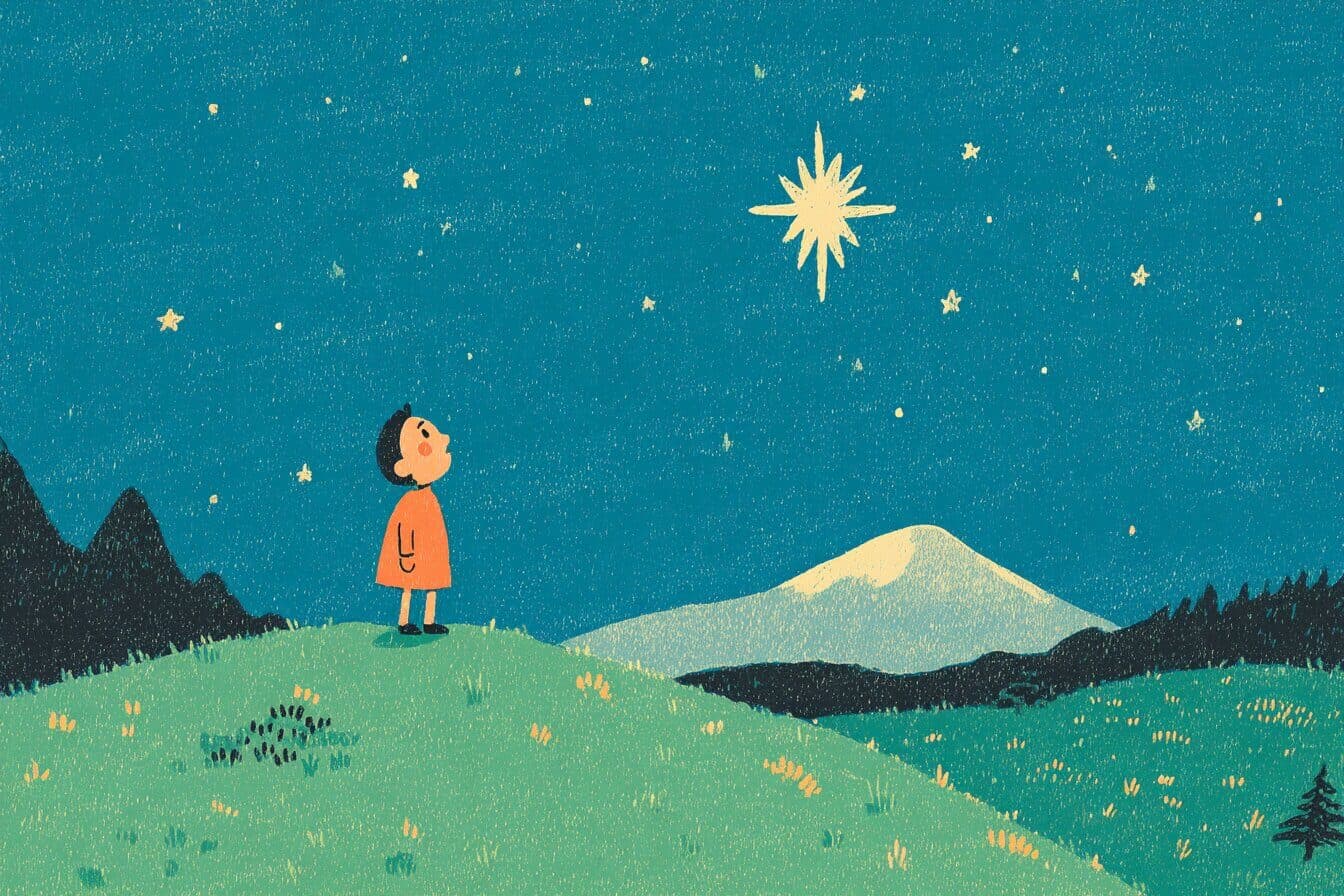
Lily watches a kind star and floats up to help deliver dreams in this short twinkle twinkle little star bedtime story. A warm, quiet tale for sleepy nights.
Through The Looking Glass Bedtime Story
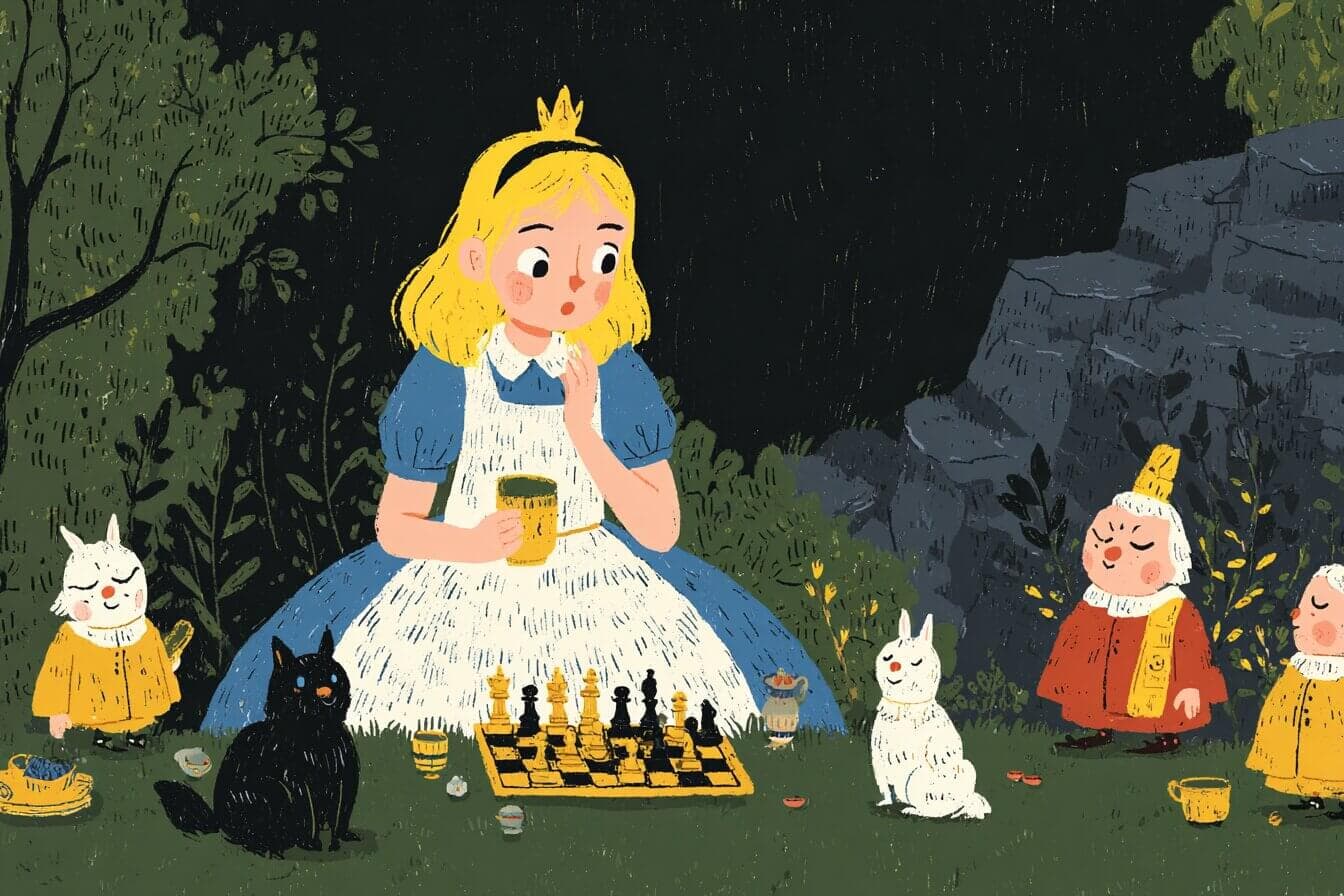
Step into a calm, magical short through the looking glass bedtime story and drift toward sleep with gentle wonder. Enjoy a soothing retelling that feels cozy from start to finish.