
The Labors Of Hercules Bedtime Story
By

Dennis Wang, Bedtime Story Expert
11 min 4 sec
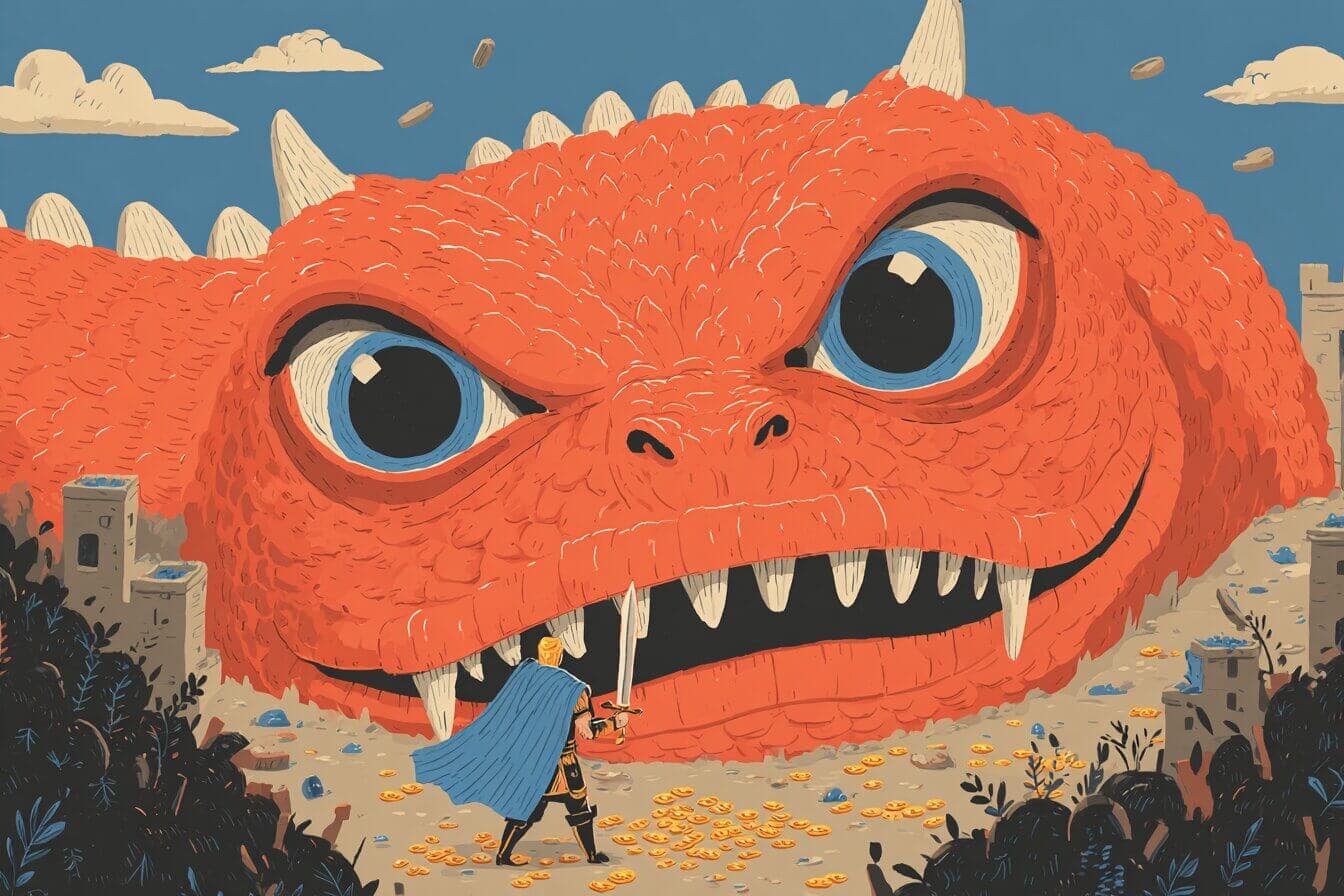
There is something about a long list of impossible tasks that makes a child's eyelids grow heavy, especially when every challenge gets solved with patience instead of a sword. This gentle retelling follows Hercules and his chatty lion cub Leo through twelve curious chores, each one answered with kindness, clever thinking, and the occasional lullaby. It is exactly the kind of the labors of Hercules bedtime story that trades battle dust for warm milk and starlight. If you would like to shape your own softer version with different characters or settings, you can create one with Sleepytale.
Why Hercules Stories Work So Well at Bedtime
Kids already know Hercules as the strong hero, but strength at bedtime means something different. When the tasks are solved through singing, sharing, and quiet observation rather than fighting, children get to reimagine what power looks like. That shift turns a mythical adventure into something reassuring: even the biggest problems can be handled calmly, one at a time, before the lights go out.
A bedtime story about Hercules also gives kids a sense of forward motion without anxiety. Each task is its own small world with a beginning, a kind solution, and a satisfying close. That rhythm mirrors the winding down of a real evening, moving from activity to stillness, and it gives restless listeners a reason to stay tucked in just one more task, then one more, until sleep arrives on its own.
Hercules and the Twelve Shining Tasks 11 min 4 sec
11 min 4 sec
Long ago in a village at the foot of a rocky Greek hillside, a gentle strongman named Hercules lived with his best friend, a talking lion cub called Leo. Hercules could lift an ox over his head without thinking much about it, but most mornings you would find him hauling water jars for the older neighbors or pressing olive saplings into the dry ground so there would be shade in a few years. Leo would supervise from the top of a stone wall, offering commentary nobody asked for.
One spring morning a herald arrived, blowing a brass horn that had a dent near the mouthpiece.
The king needed a hero to finish twelve impossible chores before the harvest moon rose. Whoever succeeded would win freedom for their family forever. Hercules stepped forward, brushing crumbs of honey bread from his tunic. He had been halfway through breakfast.
The king's advisor handed him a scroll sealed with purple wax. On it were tasks that sounded equal parts silly and terrifying: slay a serpent that grew two heads for every one removed, clean stables holding a thousand cows without using water, catch a golden deer that outran arrows, and more. Leo studied the list upside down, then declared it looked like a puzzle, not a punishment. Hercules rolled the scroll, tucked it under his arm, and started down the dusty road, humming a little rhyme about patience that he made up on the spot and forgot by the second verse.
His first stop was the swamp of the many-headed serpent.
The creature sat coiled in the murky center, hissing softly. Instead of swinging his club, Hercules crouched at the water's edge and watched. He noticed something. Whenever a villager cheered or clapped from the hill, the serpent startled and new heads popped out like mushrooms after rain. So Hercules waded over to the frogs and asked if they knew any lullabies. They did. They knew dozens. They began humming in low, wobbly harmony, and the serpent's many eyelids drooped.
While it dozed, Hercules laid soft lily pad blankets over its eyes and tied the peaceful heads together with willow ribbons, loosely, the way you would braid a garland. When the serpent woke, it blinked slowly and seemed confused that nobody was screaming. It promised to guard the swamp quietly and stop frightening travelers. Hercules patted each scaly neck and left a basket of dates by the reeds.
Next came the royal stables.
Mountains of straw rose so high you could not see the rafters. The smell was impressive in a way that made Leo sit down outside and refuse to move. The river was too far to haul enough water, and the king had banned liquid anyway. Leo scratched his chin with one paw and said, "Think like a gardener."
So they did. They fetched wagon loads of fresh clover, parsley, and dandelion greens and spread them across the filthy straw. Then Hercules opened every stable door wide. Sparrows arrived first, then goats, then hedgehogs, tumbling over each other to get at the feast. By sunset the animals had eaten every stalk, and the marble floors underneath were smooth and almost sparkling. The grateful cows offered Hercules fresh milk in a coconut shell. He drank it standing in the clean doorway while the last sparrows argued over a parsley stem.
The third task called for catching a golden deer that moved like sunlight through the forest.
Hercules chased it for hours. The deer sailed over rivers, slipped between thorn bushes, and once doubled back right past him with what he could have sworn was a wink. Finally Hercules dropped onto a mossy log, breathing hard. Leo flopped beside him. The deer paused fifty paces ahead, ears turning like little satellite dishes.
Every time a bird sang, the deer went still.
Hercules remembered the lullaby from the swamp. He started humming. Birds joined, layering the woods with gentle sound. The golden deer slowed, then stopped entirely, its dark eyes half-closed. Hercules rose and walked forward, offering a crown he had woven from daisies while sitting on the log. The deer lowered its head and let him place it between its antlers. Instead of dragging the deer away, Hercules asked if it would visit the king's garden each dawn to make the roses bloom. The deer agreed and trotted beside him like a dog that had simply been waiting to be asked politely.
The king's advisor, who had been secretly following at a distance, scratched his head and wrote something in a little notebook.
Hercules tucked a daisy behind his ear and unrolled the scroll again.
The fourth task demanded that he retrieve the belt of the Amazon queen, a gift from the goddess of wisdom. Hercules journeyed to the Amazon village and found Queen Hippolyta teaching children to read under a laurel tree. One small girl was struggling with a word that had too many consonants in a row. Rather than interrupt, Hercules knelt and helped her sound it out. The queen watched. She did not say anything for a while, but when the lesson ended and the children scattered, she unclasped her belt and held it out.
"Wisdom belongs to those who share knowledge kindly," she said.
Hercules thanked her and promised to return with scrolls of stories for her library. He meant it.
The fifth task sent him to fetch man-eating horses kept by a gloomy warlord. When Hercules arrived, the horses were not eating men. They were just hungry and scared, penned in a muddy yard with nothing to chew but fence posts. He offered them apples from his pack and sang until they stopped trembling and nuzzled his pockets for more. The warlord stood in his doorway watching, arms folded, trying to look stern. Eventually he admitted he had wanted them fierce for battle, but fierce horses that ate your fences were expensive. He gave the whole herd to Hercules, who led them to a meadow so green it looked like someone had painted it.
Task six required golden apples from a secret garden guarded by a hundred watchful dragons.
Hercules climbed the mountain expecting something enormous. The dragons were each no bigger than a teacup, with tiny wings that buzzed like bees. They hoarded the golden apples because, well, shiny things. Hercules understood. He built a small playground from pinecones and shells, then tied his one remaining brass bell to a low branch. When the wind blew, the bell rang, and the little dragons went wild with delight. They pushed the golden apples toward him in a heap, already distracted by their new toy.
The seventh task involved cleaning the world's dirtiest cloak, stained with dragon smoke and what appeared to be giant jam.
Hercules carried it to the sea. Dolphins arrived almost immediately. They splashed and squirted bubbly water while seagulls scrubbed with strips of kelp. The whole operation took less than an hour and was louder than anyone expected. When Hercules pulled the cloak out, it smelled like salt and warm sunshine. He draped it over his shoulders and Leo said he looked ridiculous. He wore it anyway.
Task eight asked him to silence a pack of howling wolves so the village could sleep. Hercules tracked them to a rocky den and found the problem right away. A tangle of fallen logs had covered their pond, blocking the moon's reflection. The wolves were not howling in anger. They missed the silver light on the water. Hercules rolled the logs aside one by one. The moon appeared on the pond's surface, wobbling slightly, and the wolves went quiet as stones.
He taught them to sing in rounds before he left, so their evening voices sounded like wooden flutes drifting down the valley.
The ninth task demanded a feather from the firebird without harming a single scale. Hercules waited in the cool desert night, sitting cross-legged on the sand, saying nothing. When the firebird appeared it blazed orange and gold against the dark like a second sunset. Hercules spoke softly, praising its colors, mentioning the way the light turned the sand pink near its feet. The firebird ruffled its feathers, pleased, and one glowing plume drifted into his open hand. He wrapped it in a damp cloth and thanked the bird, who seemed surprised that someone bothered.
Task ten was absurd. He was supposed to empty a lake into a jug.
Hercules looked at the jug. He looked at the lake. He sat down and laughed until Leo asked if he was okay. Then he asked the clouds for help. They rained into the jug until it overflowed, and a rainbow arched across the sky, bending from one shore to the other. The lake stayed exactly where it was, but the king's advisor, still following with his notebook, agreed the spirit of the task had been met. He underlined something twice.
Task eleven involved calming a brass bull that breathed steam and charged at anything that moved. Hercules circled it carefully and noticed a keyhole in its flank. The bull was clockwork. It did not need fighting; it needed winding. He turned the key gently, three clicks, and the bull settled into a soft, steady ticking. The village placed it in the square, where it became the town clock, chiming the hour with a small puff of steam that smelled faintly of copper.
The twelfth and final task told Hercules to bring back the king's missing smile.
He returned to the palace carrying everything he had gathered along the way: willow ribbons from the serpent's swamp, clover seeds, a daisy crown slightly wilted now, the queen's belt, a tiny dragon bell, the firebird feather still warm in its cloth, and the ticking bull trailing behind. He set each gift on the marble steps and told the story behind it. The serpent that wanted to feel safe. The deer that just wanted music. The wolves that missed the moon.
The king sat very still on his throne. Then something loosened in his face, and he laughed. It was a rusty laugh at first, like a hinge that had not moved in years, but it grew. He laughed until tears ran into his beard, and he said Hercules had done the impossible: he had turned chores into chances to help.
Freedom was granted.
Hercules and Leo walked home under a sky packed with stars, the road quiet beneath their feet. Leo fell asleep draped across Hercules' shoulders before they reached the village gate, purring softly like a very small engine. Somewhere behind them, a brass bell rang once in the wind, and the last golden apple of the evening rolled gently to a stop.
The Quiet Lessons in This Hercules Bedtime Story
Each of Hercules' twelve tasks teaches something slightly different, but the thread running through all of them is the same: paying attention matters more than being powerful. When Hercules crouches by the swamp and notices that noise is startling the serpent, children absorb the idea that observation can solve problems brute force cannot. The moment he helps a small girl sound out a difficult word for Queen Hippolyta shows that generosity does not need to be grand to be real. And when the wolves go silent simply because someone cleared the logs from their pond, kids feel the relief of a problem that turns out to be smaller than it looked. These are reassuring lessons to carry into sleep, the quiet certainty that tomorrow's challenges might be puzzles, not punishments, just like Leo said at the start.
Tips for Reading This Story
Give Leo a slightly squeaky, matter-of-fact voice, especially when he refuses to enter the smelly stables or announces that Hercules looks ridiculous in the cloak. When Hercules hums the lullaby in the swamp, actually hum a few bars yourself and let the room go quiet for a moment before continuing. At the scene where the firebird appears in the desert, slow your pace and drop your voice low so the blaze of color feels sudden against the stillness. And when the king finally laughs near the end, let your own voice crack just a little with the effort of that rusty hinge, then soften into the starlit walk home.
Frequently Asked Questions
What age is this story best for? Children between ages 4 and 8 tend to enjoy it most. Younger listeners love the parade of creatures, from the teacup-sized dragons to the golden deer with its daisy crown, while older kids appreciate the problem-solving in tasks like clearing the stables with clover or convincing the clouds to fill a jug. The gentle tone keeps it comfortable for sensitive listeners too.
Is this story available as audio? Yes. You can press play at the top of the story to hear it read aloud. The audio version works especially well for this tale because the rhythm shifts naturally between short, punchy task introductions and longer stretches of calm description, like the desert scene where Hercules waits for the firebird. Character moments, particularly Leo's dry commentary, come alive with a narrator's voice carrying them.
Why does this version of Hercules solve problems without fighting? This retelling reimagines the classical myths as bedtime material, so each task is resolved through kindness, music, or clever observation instead of combat. Hercules still shows strength, like rolling heavy logs away from the wolves' pond, but the focus stays on listening and understanding what each creature actually needs. It keeps the spirit of the original hero while making the story feel safe and settling before sleep.
Create Your Own Version
Sleepytale lets you build a personalized retelling of Hercules and his gentle tasks in just a few moments. Swap Leo the lion cub for a wise owl companion, move the setting from ancient Greece to a moonlit jungle, or turn the twelve chores into cozy riddles solved with starlight and warm soup. Every detail can be shaped to fit your child's mood, so bedtime feels like an adventure that always ends softly.
Looking for more bedtime story classics?

Once Upon A Time Stories
What happens when June opens a golden book with no title? One of the sweetest short once upon a time stories about a forest, a hedgehog, and a blank page.

Fairy Tales Written By Hans Christian Andersen
Anders discovers short fairy tales written by Hans Christian Andersen as his grandmother reads from a soft brown book by lamplight.

Bluebeard Fairy Tale
In this short bluebeard fairy tale, the forbidden room holds not horror but a music box and memories of the people Lord Corvus loved most.

Red Shoes Fairy Tale
What happens when Karen's magical red shoes refuse to stop dancing? Discover this short red shoes fairy tale tonight.

Twinkle Twinkle Little Star Bedtime Story
Lily watches a kind star and floats up to help deliver dreams in this short twinkle twinkle little star bedtime story. A warm, quiet tale for sleepy nights.
Through The Looking Glass Bedtime Story
Step into a calm, magical short through the looking glass bedtime story and drift toward sleep with gentle wonder. Enjoy a soothing retelling that feels cozy from start to finish.