
The Emperor And The Seed Bedtime Story
By

Dennis Wang, Bedtime Story Expert
5 min 36 sec
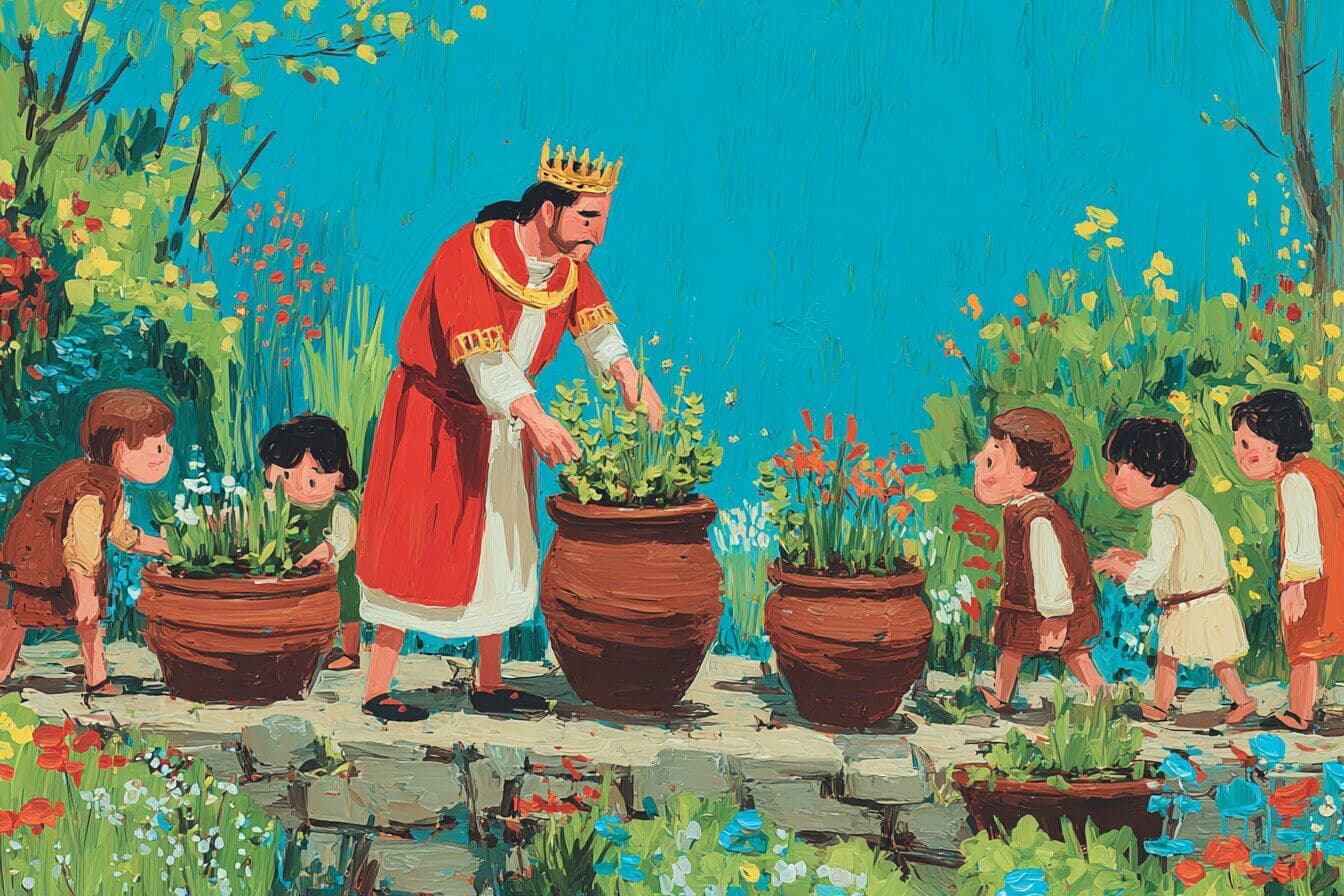
There is something about a pot of bare soil that makes a child's chest tighten with recognition, because every kid knows what it feels like to try hard and see nothing happen. This retelling of the emperor and the seed bedtime story follows Jun, a quiet boy who tends a seed that refuses to sprout and must decide whether to hide or show up honestly. It is a story about waiting, about embarrassment, and about the surprising strength of telling the truth when everyone around you is pretending. If you want to shape your own gentle version with different names, settings, or details, you can build one in Sleepytale.
Why Emperor and the Seed Stories Work So Well at Bedtime
Kids carry small anxieties to bed with them, worries about a test they might fail, a friend who seemed upset, a moment when they did not measure up. A bedtime story about the emperor and the seed meets that worry head on and then gently resolves it. The slow rhythm of planting, watering, and waiting mirrors the act of settling down for the night, one breath at a time.
What makes this particular tale so calming is that the hero does not win by doing something extraordinary. Jun wins by simply being honest, which is a message that feels like a warm blanket to a child lying in the dark. There is no monster to defeat, no race to run. Just soil, patience, and a quiet kind of courage that children can carry into sleep.
The Empty Pot's Secret 5 min 36 sec
5 min 36 sec
Long ago, in the Kingdom of Verdantia, Emperor Sageleaf announced a contest that sent whispers skittering from rooftop to rooftop like sparrows.
Every child was invited to the palace to receive a single seed. Whoever grew the finest flower in three moons would become the new Royal Gardener and help design the imperial greenhouse.
Jun heard the news while sitting in the crook of a walnut tree, sketching the way one leaf overlapped another. He almost missed the announcement entirely because a beetle had landed on his page and he was drawing that instead.
He climbed down, brushed bark dust from his knees, and joined the line of children winding up the marble steps.
The seed he received was small and dark, no bigger than a lentil. He tucked it into a pouch of soft moss and walked home slowly, turning it over in his mind the way you turn a word you have just learned.
At home he chose a clay pot with a hairline crack along the rim, the kind nobody else wanted. He filled it with forest soil that smelled like rain and pressed the seed just below the surface with his thumb.
Every morning he watered it. He moved it to follow the sun across the windowsill, and some days he talked to it, not grand speeches, just things like "come on, then" or "whenever you are ready." He even read poems aloud once, though he felt a bit foolish doing it.
Nothing happened.
His friend Mei showed up one afternoon with green shoots curling from her pot like tiny fists. Lin from the next street had buds already. Jun's pot sat on the sill looking exactly the way it had the day he filled it, just brown soil with a faint crust where the water dried.
He tried less water. He tried more water. He moved the pot outside, then back in. He whispered to it at night.
The soil did not care.
When the Emperor's trumpet called the contestants to the palace, Jun stood in the doorway holding his empty pot and feeling like the whole world could see straight through him. His grandmother found him there. She did not say anything encouraging or wise. She just straightened his collar, which was crooked, and nodded once.
He walked.
The courtyard was ridiculous with color. Roses so red they looked angry. Lilies taller than Jun's arm. Orchids with spots like freckled eggs, and one kid had somehow grown a sunflower the size of a dinner plate. Children jostled and bragged, adjusting petals the way you fix your hair before a photograph.
Jun set his pot on the marble bench at the end of the row. He did not adjust anything because there was nothing to adjust.
Emperor Sageleaf moved along the line in no hurry, nodding, bending to smell things, asking questions. Jun could hear the Emperor's sandals scraping the stone, getting closer. He stared at his soil.
The sandals stopped.
The courtyard went quiet, the kind of quiet where you can hear someone swallow.
Sageleaf looked at the empty pot for a long time. Then he looked at Jun. Then, instead of scolding or moving on, he raised one hand and the silence deepened.
"Every seed," the Emperor said, and his voice carried without effort, "was boiled the night before I gave them to you. Not a single one could have sprouted."
A murmur rippled through the crowd. Feet shifted. Someone's pot clinked against the bench.
The Emperor explained that the contest had never been about flowers. It was about character. The children with blooming pots had swapped seeds, bought plants from market stalls, or simply stuck cut stems into dirt and hoped nobody would notice. Only Jun had carried his honest, embarrassing, empty pot all the way to the palace.
Sageleaf placed a hand on Jun's shoulder. It was heavier than Jun expected, warm and steady.
"This one," the Emperor said quietly, "is my Royal Gardener."
Jun did not make a speech. His eyes stung and he blinked hard and nodded, and that was enough.
The Emperor handed him a leather pouch full of real seeds, seeds that had not been boiled, and said something Jun never forgot: "Trust is like a garden. It only grows in good soil."
In the years that followed, Jun turned the palace grounds into the kind of place people traveled weeks to see. Jasmine climbed the eastern wall and filled the hallways with sweetness every evening. Sunflowers lined the path to the gate. Medicinal herbs grew in neat rows behind the kitchen, and the cooks left Jun thank-you notes tucked between the basil pots.
He kept the cracked clay pot on a shelf in his greenhouse. Visitors always asked about it, and he would pick it up and turn it in his hands and say, "This is the most important thing I ever grew," which confused people until he told them the story.
Every spring, Jun and the Emperor hosted a new contest. But the prizes went for kindness, or persistence, or the wildest idea somebody actually tried. And every child received seeds that would truly sprout.
Travelers carried Verdantia seeds to distant places, and with them went the story of a boy who showed up with nothing and left with everything.
On quiet evenings, Jun walked the garden paths as the light turned gold, sketching whatever caught his eye, a beetle on a leaf, the way the water pooled in a clay saucer, the last butterfly of the day folding its wings shut like a tiny book.
The kingdom did not become perfect. But it became a place where people tried to be honest, even when it was hard, because they had all heard about the boy with the empty pot. And that was enough.
The Quiet Lessons in This Emperor and the Seed Bedtime Story
This story carries a few lessons that land softly right before sleep. When Jun stands in his doorway clutching that bare pot, children absorb the idea that embarrassment does not have to stop you from doing the right thing. His grandmother's wordless nod teaches that sometimes the best support is not a pep talk but simple presence. And the Emperor's reveal, that every seed was boiled, shows kids that honesty is not just a nice idea but a form of real strength that other people notice and reward. These are reassuring things to feel right before closing your eyes: that being truthful is enough, that you do not have to be the loudest or the most impressive, and that tomorrow is a fine day to try again.
Tips for Reading This Story
Give Emperor Sageleaf a slow, deliberate voice, the kind that makes every word feel chosen, and let Jun's lines sound small and honest, almost mumbled. When you reach the single line "Nothing happened," pause for a full beat of silence so your child feels the weight of that empty pot the way Jun does. At the courtyard scene, speed up slightly as you describe the ridiculous parade of flowers, then drop your voice low and quiet the moment the Emperor's sandals stop in front of Jun.
Frequently Asked Questions
What age is this story best for?
Children between ages 4 and 9 tend to connect most with this story. Younger listeners respond to the simple rhythm of Jun watering his pot each day and the satisfying moment when the Emperor chooses him. Older kids pick up on the social pressure Jun feels when everyone else has blooming flowers and he has to decide whether to fake it or show up honestly.
Is this story available as audio?
Yes. You can press play at the top of the story to hear it read aloud. The audio version works especially well here because the pacing of Jun's daily routine, the watering, the waiting, the quiet one-sided conversations with his seed, has a gentle, repetitive rhythm that settles kids down. The courtyard scene also comes alive in narration, with the shift from noisy crowd to sudden hush when the Emperor stops in front of Jun's pot.
Why does the Emperor boil the seeds instead of just asking the children to be honest?
The Emperor knows that asking children to be honest is easy, but actually testing honesty requires a real situation with real stakes. By giving out seeds that cannot sprout, he creates a moment where every child must choose between appearing successful and telling the truth. It is the same reason Jun's story resonates at bedtime: kids understand what it feels like to want to hide a failure, and seeing Jun walk through that fear helps them feel braver about their own small struggles.
Create Your Own Version
Sleepytale lets you reshape this classic tale into something that feels like it belongs to your family. You can swap Verdantia for your own neighborhood, change the seed to a seashell or a painted stone, or turn Jun into your child's name and age. In just a moment you will have a cozy, personalized story with the same gentle pacing, ready to read or listen to at bedtime.
Looking for more bedtime story classics?

Once Upon A Time Stories
What happens when June opens a golden book with no title? One of the sweetest short once upon a time stories about a forest, a hedgehog, and a blank page.

Fairy Tales Written By Hans Christian Andersen
Anders discovers short fairy tales written by Hans Christian Andersen as his grandmother reads from a soft brown book by lamplight.

Bluebeard Fairy Tale
In this short bluebeard fairy tale, the forbidden room holds not horror but a music box and memories of the people Lord Corvus loved most.

Red Shoes Fairy Tale
What happens when Karen's magical red shoes refuse to stop dancing? Discover this short red shoes fairy tale tonight.

Twinkle Twinkle Little Star Bedtime Story
Lily watches a kind star and floats up to help deliver dreams in this short twinkle twinkle little star bedtime story. A warm, quiet tale for sleepy nights.
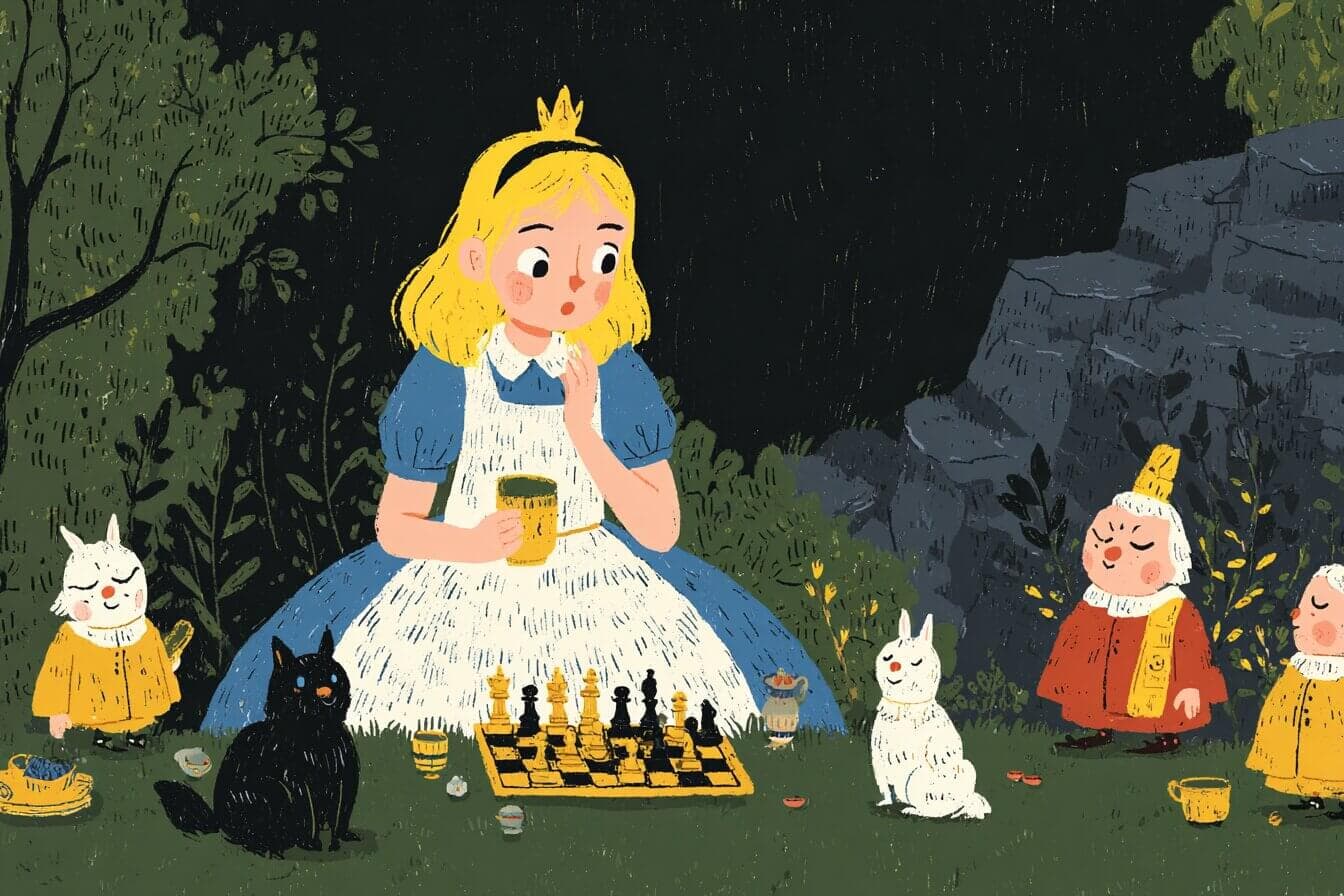
Through The Looking Glass Bedtime Story
Step into a calm, magical short through the looking glass bedtime story and drift toward sleep with gentle wonder. Enjoy a soothing retelling that feels cozy from start to finish.