
Sleep Stories for Adults
By

Dennis Wang, Bedtime Story Expert
8 min 53 sec
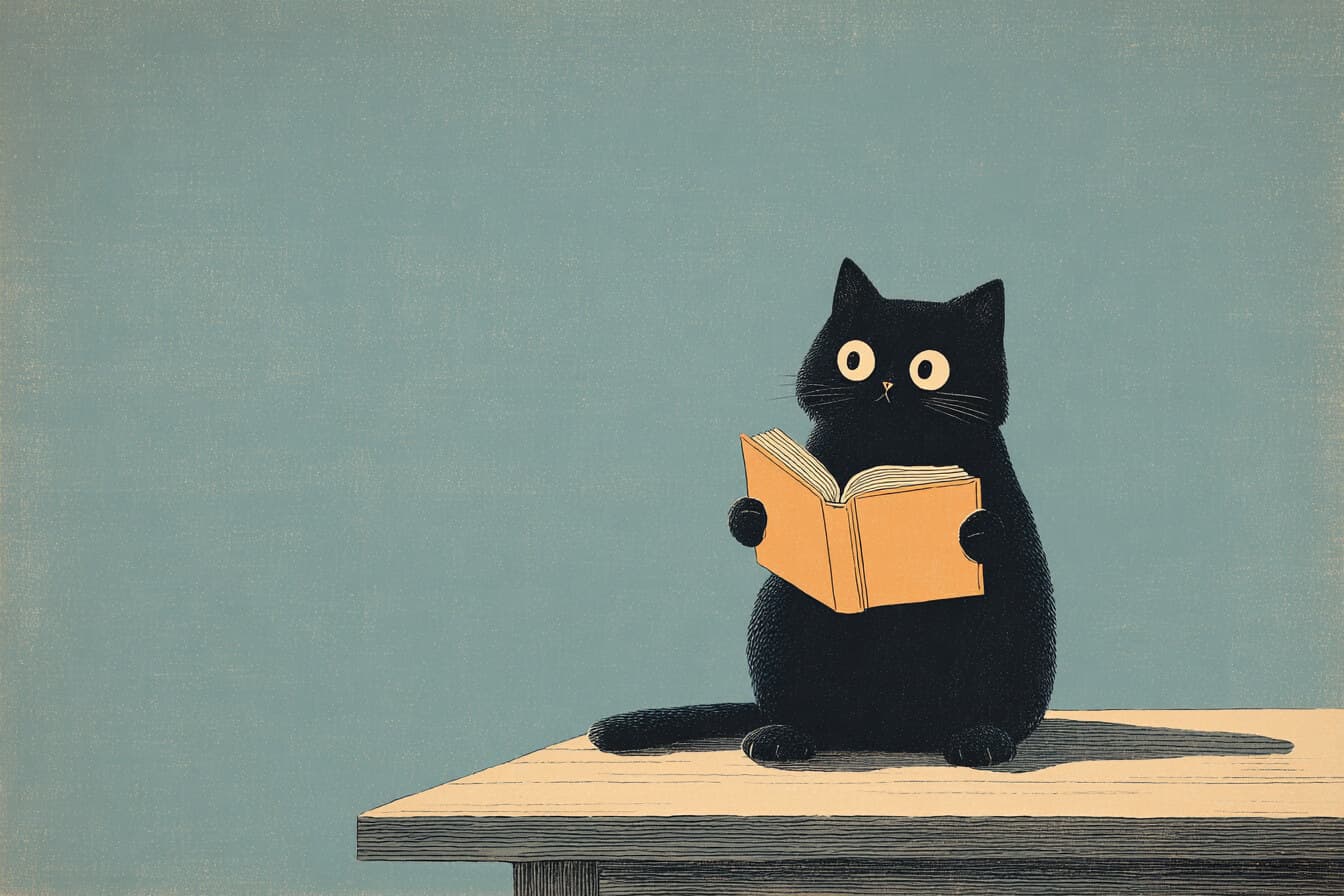
There is something about a warm lamp, a quiet room, and a story that asks nothing of you except to listen. This gentle tale follows Albert, a house cat who stumbles into reading one idle afternoon and discovers that words on a page can slow the whole world down. It is exactly the kind of sleep stories for adults that lets you stop thinking about tomorrow and just sink into the moment. If you would like to build your own version with custom pacing, characters, and audio narration, you can create one free inside Sleepytale.
Why Sleep Stories Work So Well at Bedtime
Adults rarely give themselves permission to be read to. There is something almost radical about lying still and letting a story carry you instead of scrolling, planning, or replaying the day. A good sleep story at bedtime works because it gives your mind a single gentle thread to follow, crowding out the noise without asking you to concentrate. The rhythm of sentences, the low stakes of a quiet plot, and the warmth of familiar details all signal to your nervous system that it is safe to let go.
Stories like this one, where a cat discovers books in a sunlit room, are especially effective because they trade on sensory comfort. Lamplight, old paper, the hum of a still house. A bedtime story about a calm afternoon mirrors the stillness you are trying to create in your own bedroom. There is no villain, no urgency. Just a world that gets softer the further you go.
Albert the Bookish Cat 8 min 53 sec
8 min 53 sec
Albert lived on Maple Street in a tall brick house where the afternoon sun always arrived in neat squares.
They slid across the hardwood like warm postcards, pausing near the rug for a while before drifting off again as if they had somewhere else to be.
Most days followed the same pattern. Birds flicked past the kitchen window. A delivery truck exhaled at the curb. A neighbor's wind chime knocked out its simple, off-key tune. Albert chased a sunbeam until it slipped under the sofa and was gone.
By Tuesday afternoon, even his tail looked bored.
He stretched out on the living room floor, yawned so wide his whiskers bent sideways, and stared at the ceiling. The ceiling stared back. Neither of them had anything to say.
He tried batting a dust bunny. It rolled two inches, stopped, and seemed to lose interest in itself. Albert let out a sigh that sounded like a tiny engine left idling in a parking lot. He didn't want excitement, not really. He wanted a different kind of quiet, the kind that feels interesting instead of just empty.
That was when the bookshelf caught his eye.
It had always been there in the corner, a wooden cliff packed with bright rectangles in every shade. Some were slim and neat. Some were thick enough to prop open a door. A few looked old enough to remember things they weren't telling anyone. Albert had walked past it a thousand times without caring. Books were human things, like shoes and calendars and the strange little box that beeped when Mrs. Penelope put bread into it.
But today the shelf seemed to hum.
He hopped onto the lowest ledge and landed between a dictionary and a travel guide that smelled faintly of perfume and rain. The papery scent was better than he expected, dusty and sweet at the same time, like opening a closet in a house you used to live in. He stepped forward carefully, paws light, as if the books might shift beneath him like stepping stones in a stream.
A small picture book lay open, pages resting face-up as though it had been waiting for exactly this.
On the left page, a dog wore polka-dot boots and smiled like life was one long, friendly joke. On the right, black letters sat in tidy rows. Albert squinted. The letters wriggled, just slightly, the way a caterpillar moves before it decides to become something else entirely.
Then, without any warning, the words formed a sound inside his mind.
See the dog run.
His ears lifted so fast they nearly collided. He leaned closer. Read it again. The sentence landed in his chest like a pebble dropped into a very calm pond, and rings of something warm spread outward from the center.
He tried something dangerous. He whispered it out loud.
"See... the dog... run."
The room did not explode. No thunder. No falling lamps. No angry universe demanding receipts.
Albert blinked slowly, the way cats do when they are genuinely impressed with themselves. He had just spoken words that lived in a book. His boredom slipped a little, like a blanket sliding off a chair nobody was sitting in.
He padded along the shelf and pressed a paw onto a cookbook. The cover showed a golden casserole bubbling with cheese, and a single crumb of something had been pressed into the page at some point, leaving a tiny grease spot near the word "Serves." Albert opened it, and the letters leapt into his mind with enthusiasm.
Tuna. Cream. Crunchy crumbs.
He licked his lips. He respected any book that took food seriously.
Next he tried a mystery novel, but the paragraphs were long and winding and his brain felt like it was jogging through tall grass in the dark. He closed it politely, the way you close a conversation you're not ready for, and chose something friendlier.
A book of silly rhymes.
The first poem made his whiskers twitch. The second made him purr so hard his ribs rattled. By the third, he was quietly laughing to himself in a way that would have offended anyone taking the world too seriously.
That was when the front door opened.
Mrs. Penelope stepped in with grocery bags, her hair still damp, a single leaf stuck to her coat sleeve that she hadn't noticed yet. She paused. Albert sat upright on the shelf with a book balanced between his paws like he owned the place and always had.
She froze.
Albert looked at her calmly.
Mrs. Penelope set the bags down very slowly, the way you set things down near a rare bird. "Albert," she said, her voice careful and bright, "what are you doing?"
Albert glanced at the grocery bag. A label stuck to the side in bold letters.
FRESH ORANGES.
He read it easily, the words popping into his mind like fireworks that made no noise.
"Fresh... oranges."
Mrs. Penelope stared for two full heartbeats. Then she burst into laughter so big she had to grab the counter to stay upright. Her glasses fogged. Her shoulders shook. The leaf finally fell off her sleeve and landed on the tile, unnoticed.
Albert waited patiently, tail curled neatly around his paws.
When she could breathe again, she pulled out her phone and whispered, "Okay. One more time."
Albert chose a tongue twister from the rhyme book. If you are going to be extraordinary, you might as well be entertaining too.
"Purple pickles... pick... properly."
Mrs. Penelope made a sound halfway between a laugh and a gasp. Her hands trembled with delight as she recorded it. It felt like a secret and a celebration at the same time.
Word of a reading cat does not stay secret for long.
Before the afternoon could settle, the doorbell rang. Then it rang again. Then again. Children from the neighborhood gathered in the living room with books clutched to their chests like treasure. They made a soft semicircle on the rug and looked at Albert with the kind of awe usually saved for astronauts and really good magicians.
"Please read," a boy whispered. He said it the way you ask a wish from a shooting star, quietly, in case speaking too loudly scares it away.
Albert considered them.
He could have been overwhelmed. He could have refused. He could have remembered his boredom and decided it was safer to keep.
Instead, he chose the calmest option he knew. He chose the story.
He selected a book about a brave mouse who piloted a balloon shaped like cheese. He cleared his throat, which is funny for a cat because it sounds like a tiny motor turning over on a cold morning, and began.
He read slowly. Not because he struggled, but because he liked what happened to the room when he took his time. The air changed. Shoulders dropped. One girl's eyes went so wide they seemed to take up half her face. He lifted his voice for the exciting parts, lowered it for the quiet ones, and paused between scenes so imaginations could catch up with what they were building.
Even the goldfish stopped looping and hovered near the glass, perfectly still, as if listening with its whole body.
When Albert finished the final line, the children erupted into applause that filled the living room like warm air rushing in through an open window. Someone gently tied a ribbon around his neck.
It read: WORLD'S FIRST READING CAT.
Albert blinked modestly. Then yawned in a satisfied way. This was a better kind of tired.
From then on, Albert hosted story hour every afternoon at three o'clock. He sat on a velvet cushion near the window, wearing his ribbon like a tiny professor who had long since stopped worrying about tenure. The sun squares returned. The wind chimes sang. The neighborhood grew quieter, but in the best way.
People stopped rushing. People sat down. People listened.
Stories about pirates and planets and pancake shops drifted across the room, and Albert's voice turned the middle of the day into something slower, something kinder, something that tasted the way warm bread smells.
A few weeks later, the mayor visited with a library card made especially for Albert. The photo on it caught him mid-purr, eyes half closed, looking like he knew something important about life that he wasn't quite ready to share.
Albert accepted it with a nod and a gentle flick of his tail.
That evening, after the last child went home and the house settled into its own breathing, Mrs. Penelope turned on the reading lamp. The light was warm and soft. It fell across the armchair and pooled on the floor in a shape that looked almost like a cat itself.
Albert climbed into her lap with a book that smelled like old paper and safe endings. He read a chapter of her favorite cozy mystery, letting the sentences guide them both into quieter thoughts. She rested one hand on his back, and the vibration of his purr and the rhythm of the words blurred together until neither of them could tell which was which.
Outside, birds still passed the window. The sun had left. The streetlamp clicked on, casting its own pale square on the wall. The world still repeated itself, the way it always does.
But Albert was never bored again.
Because now, every time a book opened, a door opened too. And every word he read was a small, steady step toward sleep.
The Quiet Lessons in This Sleep Bedtime Story
This story explores what happens when restlessness meets curiosity instead of frustration. When Albert chooses to open a book rather than keep chasing dust bunnies, kids and adults alike absorb the idea that boredom is not a dead end but a doorway, something you walk through rather than fight. The moment he reads aloud to the neighborhood children and the whole room softens is a gentle case for generosity, showing that the things we discover alone become richer when we share them. These are the kind of reassurances that sit well right before sleep: that quiet afternoons hold more than they seem to, that small talents matter, and that tomorrow will have its own interesting doors to open.
Tips for Reading This Story
Give Albert a low, dignified voice with just a hint of dry humor, especially when he says "Fresh... oranges" to Mrs. Penelope. For the tongue twister line, "Purple pickles pick properly," try stumbling on it yourself first, then let Albert nail it perfectly. Slow way down during the scene where Albert reads to the children and the goldfish stops swimming; let the silence between sentences stretch a beat longer than feels natural, because that stillness is what makes the room feel like it is actually settling around the listener.
Frequently Asked Questions
What age is this story best for?
Despite being labeled for adults, this story works beautifully for listeners from about age 16 and up. The humor is gentle enough for older teens, like Albert's deadpan reaction to Mrs. Penelope's laughter, while the layered theme of finding purpose in quiet moments resonates most with adults who know what real boredom and real restlessness feel like.
Is this story available as audio?
Yes. You can press play at the top of the story to hear it narrated. Albert's tale is especially good in audio because the pacing mirrors the slowness he discovers in reading. The long, still scene where he reads to the children and even the goldfish listens translates beautifully into spoken narration, letting the pauses do as much work as the words.
Can a story about a cat actually help me fall asleep?
It can, and the reason is structural rather than magical. Albert's world is built from sensory repetition: sun squares crossing the floor, wind chimes, lamplight, the hum of a quiet house. These recurring images give your mind a gentle, looping pattern to follow instead of your own thoughts. The low stakes and warm resolution mean there is nothing unfinished to keep you alert, just a purring cat, an open book, and a room getting softer by the sentence.
Create Your Own Version
Sleepytale lets you build a bedtime story that matches your exact mood tonight. Swap Albert for a different animal, move the setting from Maple Street to a seaside cottage or a mountain cabin, and adjust the pacing from gently meandering to almost motionless. You can add audio narration so all you have to do is close your eyes and listen, no effort, no scrolling, just a story shaped around the kind of quiet you actually need.
Looking for more adult bedtime stories?

Read This When You Can't Sleep
A lighthouse keeper heats milk in a dented copper pot in this short read this when you can't sleep, and the lamp's steady turning becomes its own lullaby.

Boring History For Sleep
Fog wraps a quiet canal town as a watchman counts barges and checks doors in this short boring history for sleep.

Sad Bedtime Stories For Adults
Nora places two mugs the table each morning in one of our short sad bedtime stories for adults about loss and love.

Happy Bedtime Stories For Adults
Discover short happy bedtime stories for adults like Harold and Edna's rainy walk from their favorite restaurant, full of warmth and quiet love.

Great Bedtime Stories For Adults
Fall asleep to short great bedtime stories for adults like The Sunday Painter, where a dusty paint box sparks a quiet morning of joy.

Scary Bedtime Stories For Adults
Discover short scary bedtime stories for adults where the 3 A.M. intruder is a seven year old calmly eating shredded cheese by flashlight.