
Short Story For High School
By

Dennis Wang, Bedtime Story Expert
5 min 3 sec
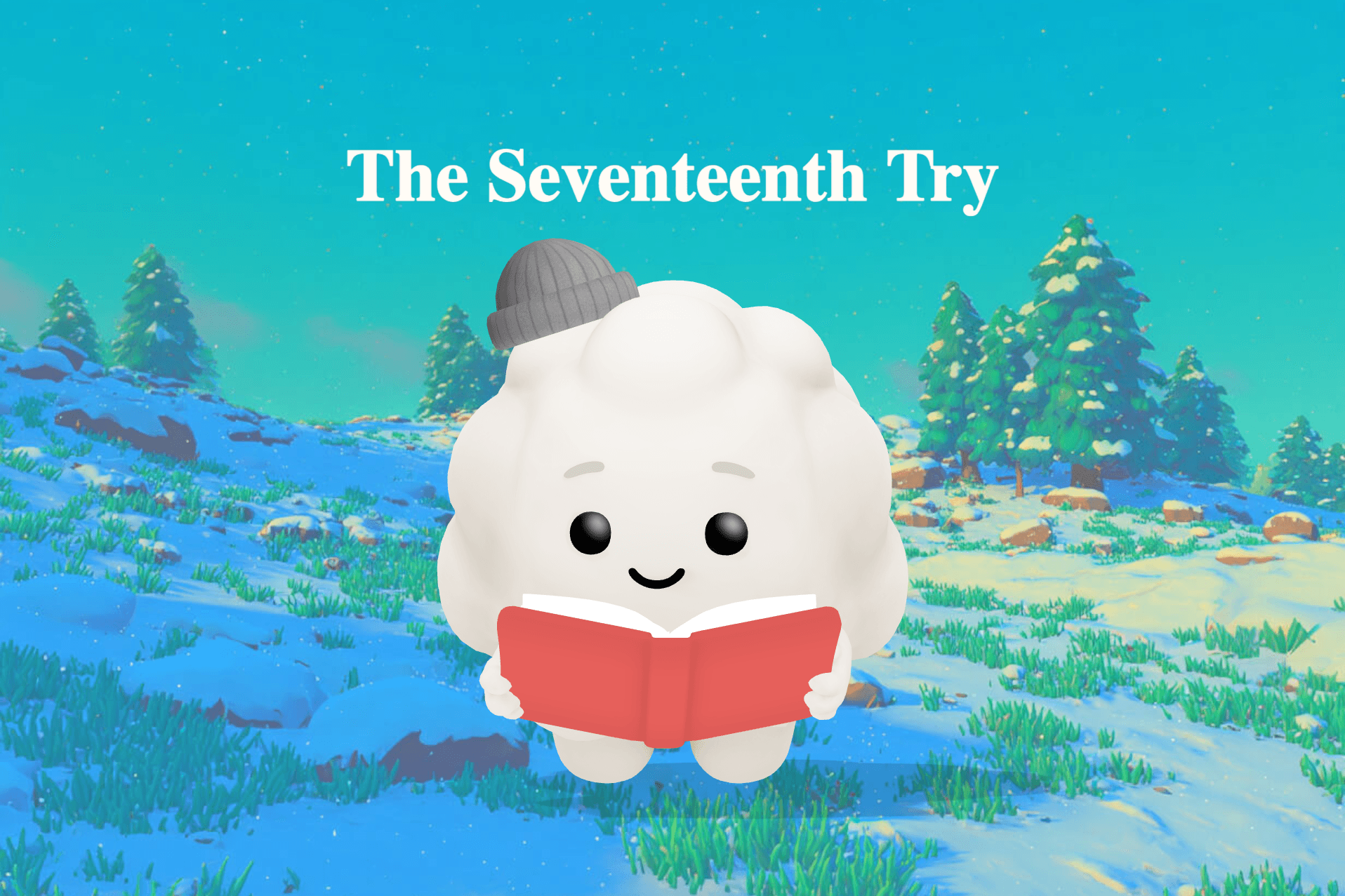
There's something deeply comforting about a story where someone finally finds their voice after struggling in the quiet of a late night. In The Seventeenth Try, a teenager named Maya wrestles with seventeen failed college essays until her grandmother's scarred, paint stained hands teach her to see broken things differently. It's exactly the kind of short story for high school that reminds us how honesty matters more than perfection. You can even create your own personalized version with Sleepytale.
Why For High School Stories Work So Well at Bedtime
High school is a time of searching for identity, and that search can feel especially intense when the day winds down and the house grows quiet. Stories set in this world tap into the emotions teens carry home with them: the pressure to perform, the longing to be understood, and the relief of finally being seen for who they really are. For high school stories at night, those feelings find a safe space to breathe. When a character like Maya wrestles with self doubt under the glow of a laptop screen, young readers recognize that struggle instantly. Bedtime becomes a moment of solidarity rather than isolation. The message is simple but profound: you don't have to be perfect, and the people who love you already know that.
The Seventeenth Try 5 min 3 sec
5 min 3 sec
Seventeen crumpled balls of paper covered Maya's bedroom floor like tiny snowdrifts.
She sat crosslegged in the middle, laptop balanced on her knees, chewing the end of her pencil until the paint flaked off.
Every time she pressed the backspace key, her shoulders sank a little lower.
"Tell us something meaningful," her teacher had said.
"Something that shows the real you."
But how do you fit an entire person onto one page?
She tried writing about winning the spelling bee in third grade.
The words sounded like they'd been borrowed from someone else's life.
She tried writing about her summer trip to the lake.
Boring.
She tried writing about her little brother's birth.
Too dramatic.
She tried writing about her favorite book.
Too generic.
She tried writing about her fear of heights.
Too common.
She tried writing about her dreams of becoming a doctor.
Too ambitious.
She tried writing about her dreams of becoming an artist.
Too impractical.
Each attempt felt like wearing shoes two sizes too small.
The sentences pinched and rubbed until Maya couldn't walk in them anymore.
Her grandmother found her at midnight, surrounded by paper carnage.
"Still at it?"
"I can't do this," Maya whispered.
"Everything I write sounds like I'm trying to impress someone."
Her grandmother settled beside her, her weathered hands folding neatly in her lap.
"Tell me what you see."
"What?"
"My hands.
What do you notice?"
Maya studied the familiar landscape of knuckles and veins.
"The scar on your thumb.
From when you taught me to carve pumpkins."
"What else?"
"Your fingernails are different sizes."
"Lost some to sewing machine incidents.
Keep going."
"Your ring finger bends sideways."
"Caught it in Grandpa's tackle box.
And?"
"You always have paint under your nails.
Even when we haven't painted in weeks."
"Ah."
Her grandmother smiled.
"Now you're seeing."
She told Maya about fixing broken chair legs with chopsticks and glue.
About restringing necklaces using dental floss.
About turning too short jeans into skirts, too small sweaters into mittens.
About how everything broken could become something useful if you looked sideways at it.
"I thought you were just thrifty," Maya said.
"I'm stubborn.
There's a difference."
They sat in comfortable quiet, the kind that only exists between people who've earned each other's silences.
Maya's computer screen had gone dark.
The cursor blinked like a lighthouse, steady and patient.
"These essays," her grandmother said finally, "they want you to write about what you've done.
But maybe try writing about what you've learned to fix."
She left Maya alone with the paper snowdrifts and the blinking cursor.
Maya opened a new document.
She didn't write about accomplishments or awards.
She wrote about her grandmother's hands teaching her that broken things aren't garbage, they're just waiting for someone patient enough to see their next shape.
She wrote about learning to hold a hammer, to thread a needle, to see potential in the discarded.
She wrote about how fixing things taught her to fix herself when she felt cracked and useless.
Three paragraphs.
Seventeen sentences.
No fancy words.
No impressive achievements.
Just the truth about hands that had taught her how to see the world.
She hit submit at 3 AM, then crawled into bed without rereading it.
The acceptance letter arrived in April.
Her grandmother read it first, holding the envelope with those same paint-stained fingers.
"Looks like they needed someone who knows how to fix things."
Maya kept the letter in her desk drawer, next to a tiny box containing all seventeen failed essays.
Sometimes she took them out and smoothed the wrinkles, reading the words of strangers she'd tried to become.
Then she'd touch her own hands, still learning their shape, and smile.
In college, she discovered she was good at fixing more than furniture.
She fixed lab equipment with paperclips.
She fixed her roommate's necklace with fishing line.
She fixed her own schedule when it felt too tight, learning to say no to things that pinched.
One professor kept a broken toaster on his desk.
"Can't bear to throw it out," he said.
"My wife gave it to me before she died."
Maya took it home for the weekend.
On Monday, she returned it working, the heating elements rearranged into a pattern that made the bread toast with a perfect heart shape in the center.
The professor used it every morning after that.
Said it made him feel like his wife was still making breakfast with him, finding ways to say I love you through warm bread and butter.
Years later, when Maya had her own workshop full of half finished projects and potential, students would ask how she learned to see broken things differently.
She'd think of seventeen crumpled papers, a grandmother's scarred hands, and a college essay that almost never got written.
"Someone taught me," she'd say, "that we're all just waiting for someone patient enough to see what we might become next."
Then she'd hand them some sandpaper and a cracked picture frame, and they'd get to work learning how to see.
The Quiet Lessons in This For High School Bedtime Story
This story explores perseverance, authenticity, and the quiet power of intergenerational wisdom. Maya's seventeen failed essays show that persistence matters, but her breakthrough comes not from trying harder; it comes from finally being honest about who she is and what she values. Her grandmother's scarred hands become a living lesson in resourcefulness, teaching Maya that broken things deserve patience rather than rejection. These themes settle gently into a listener's mind at bedtime, reinforcing the idea that vulnerability is strength and that the people closest to us often hold the keys to our truest selves.
Tips for Reading This Story
When reading Maya's failed essay attempts aloud, speed up slightly with each new topic she tries, letting frustration build in your voice before softening into quiet defeat when she whispers, “I can't do this.“ Give the grandmother a warm, unhurried tone, especially during the scene where she asks Maya to study her hands, pausing after each detail Maya notices so the moment lingers. At the very end, when Maya hands her students sandpaper and a cracked picture frame, let your voice carry a sense of calm certainty that invites your listener to close their eyes and rest.
Frequently Asked Questions
What age is this story best for?
This story is ideal for readers ages 12 to 18, though younger teens around 13 or 14 may connect most deeply with Maya's struggle to express her true self in a college essay. The themes of perseverance, family wisdom, and self discovery are mature enough for older teens yet accessible to anyone navigating questions of identity. The grandmother's warmth and gentle humor also make it a lovely shared reading experience for parents and teens together.
Is this story available as audio?
Yes, you can listen to the full audio version by pressing play at the top of the page. The audio beautifully captures the contrast between Maya's frustrated whispers during her late night essay struggles and her grandmother's calm, steady voice during the hand study scene. Hearing the quiet shift in tone when Maya finally writes her honest three paragraph essay makes the emotional payoff even more powerful.
Can this story help my teen feel less stressed about writing college essays?
Absolutely. Maya's journey shows that the most powerful writing comes not from listing achievements but from sharing honest, personal truths. Hearing how her grandmother's scarred hands and resourceful spirit became the heart of a successful essay can reassure any teen that their real experiences and quiet lessons are more than enough.
Create Your Own Version
Sleepytale turns your child's own ideas and interests into personalized bedtime stories in seconds. You can swap Maya for your teen's name, change the college essay to a speech or art project, or replace the grandmother with a favorite uncle or mentor. In just a few clicks, you'll have a cozy, calming tale that feels like it was written just for your family.
Looking for more bedtime stories for kids by age?
Scary Stories For Kindergarteners
Are you looking for short scary stories for kindergarteners? Wisp is a tiny trembling ghost who learns to name the shadows a windowsill.
Audiobooks For Kindergarteners
A tugboat named Biscuit navigates fog by following buoy bells, making short audiobooks for kindergarteners feel like a lullaby the water.

Short Newborn Bedtime Stories
Are you searching for short newborn bedtime stories where the moon watches over a sleeping baby all night?
Baby Bedtime Stories
Enjoy a cozy night with short baby bedtime stories like The Waiting Hug, featuring a stuffed rabbit's patient wait for one perfect embrace.

Short Stories For 8th Graders
Maya spent three years saying hello to every face in her hallway, and one quiet boy replied with dragons. Discover short stories for 8th graders here.
Kindergarten Stories
A lost red crayon waits under a bookshelf until a boy named Mateo draws a smiling sun in one of the sweetest short kindergarten stories for bedtime.