
Short Stories For High School English Language Learners
By

Dennis Wang, Bedtime Story Expert
4 min 13 sec
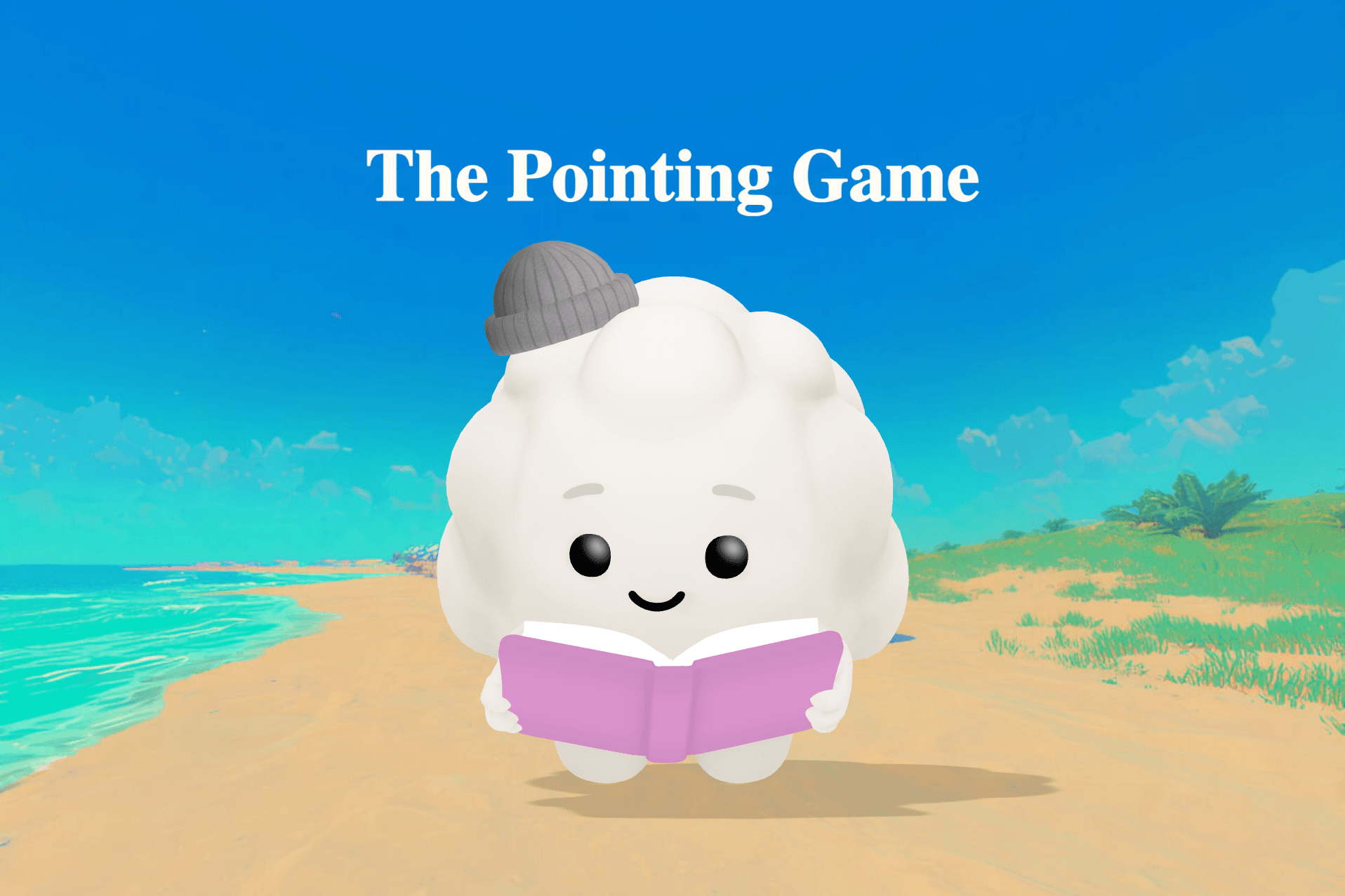
There's something wonderfully calming about a story where friendship grows through small, quiet gestures like sharing snacks and drawing silly pictures. In The Pointing Game, Mei and Sam discover they don't need perfect words to build a real connection, starting with lopsided cat doodles and ending with a poster about parks that help people breathe. It's one of those short stories for high school english language learners that also happens to make a gentle, lovely bedtime read for younger kids who know what it feels like to be new somewhere. You can even create your own version of a story like this with Sleepytale.
Why For High School English Language Learners Stories Work So Well at Bedtime
Stories about finding connection across language barriers tap into something every child understands: the desire to be seen and accepted. At bedtime, when the busy noise of the day fades, kids are especially open to characters who communicate through gestures, drawings, and shared snacks rather than perfect sentences. The quietness of that kind of friendship mirrors the quietness of settling into sleep. That's part of why a bedtime story about English language learners resonates so deeply with young listeners. Children recognize the vulnerability of not having the right words, whether they're learning a new language or simply trying to express big feelings. Stories like these remind kids that kindness doesn't require fluency, and that comfort can be found in the simplest exchange of a seaweed cracker or a lopsided drawing of a cat.
The Pointing Game 4 min 13 sec
4 min 13 sec
The teacher said "partners" and pointed.
Mei found herself looking at a boy with sunshine hair and eyes that kept blinking.
He said something fast, all swirls and spikes.
She understood one word: hello.
She answered with the same word, softer.
He smiled like she’d handed him a gift.
They sat at the library table.
The assignment sheet might as well have been wallpaper.
She tried "project?"
He shrugged, flipped the paper over, and drew a lopsided cat.
She laughed.
He tore another sheet and drew a dog wearing sneakers.
She snorted so loud the librarian hissed.
That became their first week: drawing, pointing, laughing.
No sentences, just noises.
Tuesday he slid a carton of chocolate milk across the table.
She tasted it, eyebrows up.
He copied her expression.
They clinked cartons like fancy cups.
Wednesday she brought seaweed crackers.
He ate one, cheeks puffed, thumbs up.
Thursday he offered a bright orange chip that left dust on her fingers.
She licked it, surprised by the salt storm.
They both coughed and laughed until stomachs hurt.
Week two required actual work.
Mei opened her notebook, wrote a title in careful English letters: CITY PARKS.
She underlined it three times.
He watched, then wrote his own: TREES.
They stared.
She drew a swing set.
He added stick birds flying overhead.
Progress.
Research meant walking to the park after school.
He talked the whole way; she caught maybe every tenth word but stayed beside him.
Wind rattled the maple leaves overhead.
He touched a trunk, raised eyebrows.
She pressed her palm next to his.
The bark was rough and cold under her skin.
She breathed out.
He copied.
Sap smelled sharp and green.
They collected leaves, stuffing pockets until fabric bulged.
A dog galloped past, chased by a girl screaming with delight.
Mei and the boy grinned at each other, no translation needed.
Back in her living room they spread leaves across the carpet like treasure.
Mom brought apple slices and left them alone, humming.
Mei placed a red leaf, pointed: "October."
He set a yellow one: "October too."
They laughed again, the sound warm and familiar.
He tried saying her name.
It came out "May," like the month.
She said his: "Sam."
They repeated the exchange until names felt like pebbles smooth from water.
The poster board waited on the kitchen table, blank and huge.
Mei held a glue stick like a weapon.
Sam lined up photos they’d printed: swings, trunks, squirrels, trash can, pond.
She squinted, rearranged, nodded.
Glue squeaked.
Paper smelled like school and possibility.
He found a marker, wrote letters she didn’t know.
She tugged his sleeve, shook her head, and printed beneath in careful block letters: PARKS HELP PEOPLE BREATHE.
He read aloud, slow, then smiled so wide she saw the freckle on his tooth.
Night pressed against the windows.
They finished at nine, starving.
Mom made fried rice with egg flowers on top.
Sam used chopsticks like a baby giraffe learning legs.
Peas rolled.
He laughed at himself.
Mei showed how to hold them steady.
His next attempt landed one pea in his mouth.
Victory.
Presentation day smelled dry erase and nerves.
They stood in front of twenty-eight eyes.
Mei’s voice shook on "October," but Sam stepped in, saying words she didn’t know yet sounding confident.
She found her place, finished the sentence.
Applause scattered like coins.
The teacher posted grades after lunch: B minus, written in red.
Sam frowned.
Mei elbowed him, pointed at the letter, then at their still-full lunch bags.
She shrugged.
His smile returned, crooked and real.
They walked to the cafeteria together, same as every day now.
She traded him seaweed cracker for orange chip.
He showed her a new drawing: two trees sharing one root system underground.
She added tiny leaves, one by one, until the whole page fluttered green.
Outside, the bell rang.
Lockers slammed.
Shoes squeaked.
They sat, unwrapping sandwiches side by side, speaking without needing either language to manage the distance between chairs.
The Quiet Lessons in This For High School English Language Learners Bedtime Story
The Pointing Game gently explores patience, vulnerability, and the courage it takes to meet someone halfway. When Mei laughs at Sam's silly cat drawing instead of retreating into silence, she models openness, and when Sam fumbles with chopsticks and laughs at himself, he shows that humility builds trust. Their willingness to trade seaweed crackers for orange chips reflects a quiet generosity that children can carry into their own friendships. These are lessons that land especially well at bedtime, when kids have space to reflect on the small, brave choices they made during their own day.
Tips for Reading This Story
When reading Sam's dialogue, try a warm, slightly hurried tone to capture how his words sound like 'all swirls and spikes' to Mei, and slow way down for Mei's careful English like 'Parks help people breathe.' Pause after Sam slides the chocolate milk carton across the table, and let your voice go hushed during the moment they press their palms against the rough bark of the maple tree. For the presentation scene, let Mei's voice shake just a little on 'October,' then brighten when the scattered applause arrives like coins.
Frequently Asked Questions
What age is this story best for?
This story works beautifully for children ages 5 to 10, though the themes of friendship and communication resonate across a wide range. Younger listeners will love the silly moments like Sam's lopsided cat drawing and his baby giraffe chopstick attempt, while older kids will connect with Mei's quiet bravery standing up in front of twenty eight classmates during the presentation.
Is this story available as audio?
Yes, you can listen to the full audio version by pressing play at the top of the page. The audio brings out wonderful moments like the crunching of seaweed crackers, Sam's fumbling attempt to say Mei's name as 'May,' and the warm clinking of chocolate milk cartons at the library table. It's a lovely way to wind down, especially during the peaceful park scene where they press their palms against tree bark and breathe together.
Why do Mei and Sam trade snacks throughout the story?
Trading snacks is Mei and Sam's way of communicating before they have enough shared words to express themselves. When Sam slides over chocolate milk and Mei brings seaweed crackers, they are offering small pieces of their own worlds to each other. By the end, their daily exchange of crackers for orange chips becomes a quiet ritual that says 'I like you' without needing any language at all.
Create Your Own Version
Sleepytale turns your child's ideas into personalized bedtime stories filled with warmth, humor, and heart. You can swap the library setting for a playground, change the snacks to dumplings and pretzels, or replace the park project with a mural painting adventure. In just a few moments, you'll have a calm, cozy story ready to read before lights out.
Looking for more bedtime stories for kids by age?
Scary Stories For Kindergarteners
Are you looking for short scary stories for kindergarteners? Wisp is a tiny trembling ghost who learns to name the shadows a windowsill.
Audiobooks For Kindergarteners
A tugboat named Biscuit navigates fog by following buoy bells, making short audiobooks for kindergarteners feel like a lullaby the water.
Short Newborn Bedtime Stories
Are you searching for short newborn bedtime stories where the moon watches over a sleeping baby all night?
Baby Bedtime Stories
Enjoy a cozy night with short baby bedtime stories like The Waiting Hug, featuring a stuffed rabbit's patient wait for one perfect embrace.
Short Stories For 8th Graders
Maya spent three years saying hello to every face in her hallway, and one quiet boy replied with dragons. Discover short stories for 8th graders here.
Kindergarten Stories
A lost red crayon waits under a bookshelf until a boy named Mateo draws a smiling sun in one of the sweetest short kindergarten stories for bedtime.