
Story Starters For Middle School
By

Dennis Wang, Bedtime Story Expert
1 min 54 sec
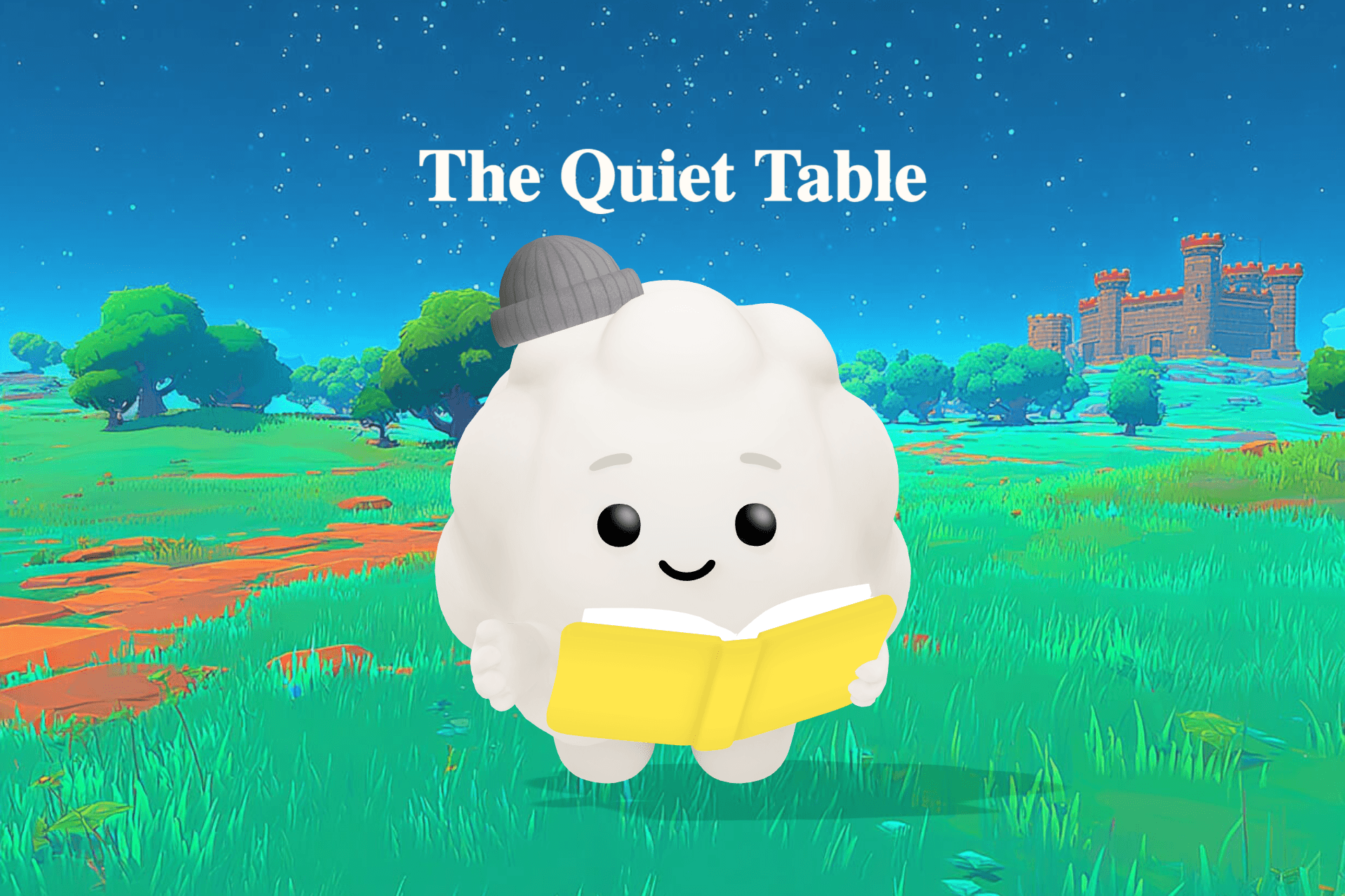
There's something magical about a story that begins with the quiet scratch of a pencil on paper, the kind of opening that slows a busy mind right before sleep. In The Quiet Table, a boy named Oliver finds a way to connect with every kid at his lunch table not through words but through gentle, honest drawings. It's one of those short story starters for middle school that reminds children how powerful a small act of kindness can be. If your child loves this idea, you can create a personalized version with Sleepytale.
Why Starters For Middle School Stories Work So Well at Bedtime
Stories set in familiar school spaces carry a quiet comfort at bedtime. Kids know what a cafeteria sounds like, what it feels like to scan a crowded room for a place to sit. When a story takes that everyday tension and fills it with warmth, it gives children a sense that the world they navigate each day can be gentle too. That reassurance is exactly what a tired mind needs before drifting off. A bedtime story about starters for middle school taps into the social moments kids replay in their heads each night. Oliver's lunch table becomes a place where connection happens without pressure, where simply being seen is enough. Reading about that kind of belonging helps children release the day's worries and settle into sleep feeling understood.
The Quiet Table 1 min 54 sec
1 min 54 sec
The new kid sits down at the empty lunch table and pulls out a notebook.
He doesn't eat.
He just draws.
His pencil moves in small circles, then quick lines.
The paper smells like graphite and eraser dust.
Within a week every kid who sits with him has been sketched.
He slides each drawing across the table without a word.
That's how he says hello.
On Monday, Maya joins him.
She has braids that swing when she walks.
He draws her braids first, then her eyes.
When he slides the paper over, she smiles.
It's a small smile, but it stays.
Tuesday brings Carlos, who taps his foot under the table.
The drawing shows his tapping foot as a blur of motion.
Carlos laughs.
It's the first sound at their table.
Wednesday, two more kids come.
Thursday, three.
The table grows crowded.
The new kid still doesn't speak.
His pencil does the talking.
Each drawing captures something the others don't notice: the way Emily twists her bracelet when she's nervous, how David's left dimple shows more than his right, the exact pattern of freckles on Sam's nose.
Friday, the principal walks by.
She stops.
She watches.
The new kid draws her too, her glasses perched on her head, her shoes scuffed from playground duty.
She takes the drawing with both hands.
Her eyes get shiny.
She nods once, sharp, then moves on.
The next week, the new kid brings sandwiches.
He still draws, but now he eats too.
The table stays full.
Kids save seats for friends.
They pass cookies and carrot sticks.
The new kid's name is Oliver, but nobody calls him that.
They don't need to.
They know him through his lines and shadows, through the way he sees them truly.
At recess, some kids try drawing too.
Their pictures are wobbly, bright.
Oliver watches.
He doesn't laugh.
He just nods, the corners of his mouth lifting.
When the bell rings, they all walk back together.
The lunch table waits for tomorrow.
The Quiet Lessons in This Starters For Middle School Bedtime Story
This story explores the power of observation, showing how Oliver notices details about each person that others overlook, from Emily twisting her bracelet to the exact pattern of Sam's freckles. It also celebrates generosity without expectation; Oliver slides each drawing across the table without asking for anything in return. Finally, the moment when classmates try drawing their own wobbly pictures and Oliver simply nods in encouragement teaches kids that kindness means making space for others to try. These are gentle lessons that settle naturally into a child's heart at the end of a long day.
Tips for Reading This Story
Keep your voice hushed and steady during the early scenes when Oliver is drawing alone, letting the silence of the table feel real. When Carlos laughs and it becomes the first sound at the table, brighten your tone suddenly to mark that joyful shift. Slow down when the principal's eyes get shiny and she nods once; give that moment the weight it deserves before moving into the warmer, busier scenes of the following week.
Frequently Asked Questions
What age is this story best for?
This story works beautifully for kids ages 6 through 11. Younger listeners connect with the idea of making friends through drawing and sharing food, while older children will appreciate the subtlety of how Oliver communicates without speaking. The school cafeteria setting feels especially relatable for kids approaching or already in their middle school years.
Is this story available as audio?
Yes, you can listen to the full audio version by pressing play at the top of the page. The narration captures the quiet tension of Oliver sitting alone at the empty table and builds warmth as Maya, Carlos, and the others gradually join him. Hearing the shift from silence to laughter to a full, bustling lunch table makes the story feel especially alive.
Why does Oliver communicate through drawings instead of words?
Oliver uses his pencil to notice things about people that words might miss, like the blur of Carlos tapping his foot or the way Emily twists her bracelet when she's nervous. His drawings show each person that they have been truly seen, which creates a bond deeper than casual conversation. It's a beautiful reminder that connection comes in many forms.
Create Your Own Version
Sleepytale turns your child's ideas into personalized bedtime stories in moments. You can swap Oliver's pencil sketches for watercolor paintings, change the lunch table to a library corner, or replace the school setting with a community garden. In just a few clicks, you'll have a cozy, original tale ready for tonight.
Looking for more bedtime stories for kids by age?
Scary Stories For Kindergarteners
Are you looking for short scary stories for kindergarteners? Wisp is a tiny trembling ghost who learns to name the shadows a windowsill.

Audiobooks For Kindergarteners
A tugboat named Biscuit navigates fog by following buoy bells, making short audiobooks for kindergarteners feel like a lullaby the water.

Short Newborn Bedtime Stories
Are you searching for short newborn bedtime stories where the moon watches over a sleeping baby all night?

Baby Bedtime Stories
Enjoy a cozy night with short baby bedtime stories like The Waiting Hug, featuring a stuffed rabbit's patient wait for one perfect embrace.

Short Stories For 8th Graders
Maya spent three years saying hello to every face in her hallway, and one quiet boy replied with dragons. Discover short stories for 8th graders here.

Kindergarten Stories
A lost red crayon waits under a bookshelf until a boy named Mateo draws a smiling sun in one of the sweetest short kindergarten stories for bedtime.