
Sad Bedtime Stories For Girlfriend
By

Dennis Wang, Bedtime Story Expert
6 min 38 sec

There's something about a flickering light across dark water that makes bedtime feel both quiet and full of wonder. In The Lighthouse That Learned to Sing, a brave girl named Mira rows through fog to save a darkened lighthouse, armed only with borrowed bulbs and a tin whistle that sings in the wind. It's the kind of tale that fits perfectly among short sad bedtime stories for girlfriend, with just enough tenderness to stay with you long after the last page. If you love stories like this, you can create your own personalized version with Sleepytale.
Why Sad For Girlfriend Stories Work So Well at Bedtime
Stories that touch on sadness and longing have a special place at bedtime because they give children a safe space to sit with big feelings. When the lights go low and the house gets quiet, a gentle story about missing someone or waiting for an answer across the dark can help kids name emotions they might not have words for yet. These moments of tenderness teach children that it is perfectly okay to feel deeply. Sad bedtime stories for girlfriend to read aloud also remind us that connection matters, even when the distance feels impossibly wide. A child listening to a tale about two lighthouses reaching for each other through fog learns that love can be patient, persistent, and creative. That kind of reassurance settles into a young heart and makes sleep feel a little safer.
The Lighthouse That Learned to Sing 6 min 38 sec
6 min 38 sec
On the east side of Windy Bay stood Beacon, a lighthouse painted in wide red stripes like a peppermint stick.
On the west side stood Lamp, smooth and white as fresh snow.
Each night they woke together, their lights sweeping across the dark water to say hello.
Beacon's beam was warm and golden.
Lamp's beam was sharp and silver.
They flashed in rhythm.
Flash.
Flash.
Pause.
Flash.
Flash.
Pause.
The fishermen timed their nets by it.
The crabs scuttled to it.
Even the moon seemed to nod along.
One autumn evening the wind arrived earlier than usual.
It rattled Beacon's lantern room and tugged at Lamp's balcony.
Beacon flashed once, twice, then nothing.
The bulb inside his lens popped like a soap bubble.
Darkness filled the bay.
Lamp waited for the answering flash that never came.
He sent his own light across the water, slower now.
Flash...
long pause...
flash.
The beam felt heavy, as if each sweep carried a question: Are you there?
Inside Beacon, the keeper's daughter Mira climbed the spiral stairs with a fresh bulb under her arm.
She was eight, barefoot, and in a hurry.
The metal steps were cold.
Her knees knocked against the railing.
She reached the top, unscrewed the broken bulb, and dropped it.
It shattered somewhere far below.
She screwed in the new one.
Nothing.
The filament inside looked like a tiny broken bridge.
Down in the supply closet she found only cobwebs and a cracked jar of strawberry jam.
No more bulbs.
Dad had meant to buy more in town but the truck's engine had coughed itself to sleep three weeks ago.
She pressed her palms against the glass.
Across the bay Lamp's light swept back and forth, slower each time, like a heartbeat growing tired.
Mira bit her lip.
She thought of the stories Dad told about the lighthouses before they had motors and bulbs, when keepers carried oil and wicks and matches.
She hunted through drawers.
One match.
A stub of candle.
A saucer of leftover cooking oil.
She built a tiny flame on the lantern room floor.
It trembled, too weak to reach the lens.
Wind slipped through the cracks and blew it out.
She tried again, cupping her hands around the wick.
Again the wind won.
On the third try the match burned her finger.
She yelped, dropped it, and the flame died before touching the wick.
Tears blurred the window.
Lamp's light swept across the water, paused, swept again.
She could almost hear him counting.
One lonely lighthouse.
Zero replies.
Mira wiped her eyes on her sleeve.
She ran down the stairs, out the door, along the rocks to the boathouse.
Inside sat the old rowboat, paint peeling like sunburn.
She dragged it to the water.
The oars were heavier than she remembered.
Salt splashed her face as she pulled toward the west side of the bay.
Halfway across, fog crept in.
It tasted of kelp and cold pennies.
She could no longer see either lighthouse.
She rowed by memory, by the slap of waves against the hull, by the creak of oarlocks.
Something brushed the boat.
She froze.
Just seaweed, she told herself, but her voice wobbled.
A light appeared ahead.
Lamp's beam cut through the fog and found her.
It stayed on her, steady, as if asking, What are you doing out here?
She rowed into the circle of light until the boat bumped against the west pier.
The west keeper, old Mrs.
Alder, met her at the door with a lantern and a raised eyebrow.
"You're wet."
"Beacon's bulb is gone.
I need another."
Mrs.
Alder's face softened.
She fetched a bulb from her cupboard, tested it in her own lantern.
It blazed bright.
"Take two," she said, wrapping them in a wool sock.
"The sock's clean.
Mostly."
Mira tucked them inside her coat.
She looked across the water.
"He keeps flashing slower."
"He thinks Beacon's given up."
"Beacon would never."
"Machines don't know that.
They only know what they see."
Mira considered this.
She asked, "Can Lamp hear?"
"Not with ears."
"But if he could?"
Mrs.
Alder smiled.
She led Mira to the workshop, found a tin whistle, a length of wire, and an empty jam jar.
She punched a hole in the jar lid, threaded the wire through, tied the whistle to the end.
"Hold this out the window.
Wind will play it.
Sound carries farther than light in fog."
Mira climbed Lamp's stairs.
Each step felt like trespassing.
At the top she opened the window, hung the whistle outside.
The wind caught it.
A thin, warbling note drifted across the bay.
It was not a tune, just a cry.
I'm here.
I'm trying.
She rowed back.
Beacon's dark silhouette waited.
She climbed, changed the bulb, and the lens bloomed gold.
The beam swept west and found Lamp.
Flash, flash, pause.
Beacon answered.
Lamp's light quickened.
Flash flash flash.
No pause.
The rhythm spilled over itself like laughter.
Mira sagged against the railing.
Her clothes clung cold.
She watched Lamp flash, listened to the tiny whistle answer.
A conversation without words.
Light and sound.
Question and reply.
In the weeks that followed, the truck stayed broken.
Dad rigged a sail from a bedsheet and a broom handle, ferried bulbs back and forth.
Mira kept the whistle.
On nights when fog swallowed the bay, she hung it from Beacon's window.
Lamp never slowed again.
The crabs learned the new rhythm.
The moon kept nodding.
Years later, when Mira was tall enough to change bulbs without standing on tiptoe, she found the wool sock in the supply drawer.
It held one last bulb, still bright.
She screwed it in, not because Beacon needed it, but because some lights are worth keeping just for the memory of the dark they once pushed away.
She opened the window.
The whistle was gone, lost in a storm, yet the wind still carried something across the water.
Not a song.
Not a word.
Just the feeling of being seen.
Beacon flashed.
Lamp answered.
The bay kept breathing.
The Quiet Lessons in This Sad For Girlfriend Bedtime Story
This story gently explores resourcefulness, as Mira hunts through drawers for matches and candle stubs when the lighthouse bulb pops like a soap bubble. It also celebrates persistence; she tries three times to light a flame, gets burned, and still finds another way by rowing across the bay in the dark. At its heart, the tale is about connection and the courage it takes to reach out when you feel unseen, the way Lamp's beam finds Mira in the fog and steadies her path. These themes settle softly at bedtime, reminding children that setbacks are never the end of the story.
Tips for Reading This Story
When reading Beacon and Lamp's flashing rhythm, tap gently on the book or your knee to create the 'flash, flash, pause' pattern so your listener can feel the heartbeat of the bay. Give Mrs. Alder a warm, raspy voice and pause right before she says 'The sock's clean. Mostly.' to let that little moment of humor land. Slow your pace during Mira's foggy rowboat crossing, letting each sentence drift like the boat through cold water, then brighten your tone the moment the lens blooms gold.
Frequently Asked Questions
What age is this story best for?
This story works best for children ages four through nine. Younger listeners will love the rhythm of the flashing lighthouses and the image of Mira rowing through fog, while older children will appreciate her resourcefulness and the quiet emotion of two lighthouses learning to communicate. The gentle pacing and reassuring ending make it a comforting choice right before sleep.
Is this story available as audio?
Yes, just press the play button at the top of the page to hear the full story read aloud. The audio version brings out the rhythm of Beacon and Lamp's flashing dialogue, and you can almost hear the tin whistle warbling through the fog as Mira hangs it from the lighthouse window. It is a lovely way to wind down, especially on nights when your listener wants to close their eyes and picture the dark bay coming alive with light and sound.
Why does Mira use a tin whistle instead of light to communicate across the bay?
When thick fog rolls in, light cannot travel far enough for Lamp to detect any signal from Beacon's tower. Mrs. Alder helps Mira rig a tin whistle on a length of wire so the wind plays it automatically, sending sound across the water where light fails. It is a creative solution that shows how different kinds of signals, whether light or sound, can carry the same message of reassurance.
Create Your Own Version
Sleepytale turns your child's imagination into a fully personalized bedtime story, complete with familiar names, favorite places, and details they love. You can swap the lighthouses for two mountain cabins signaling with lanterns, change Mira into your child's name, or replace the tin whistle with a tiny music box that plays in the wind. In just a few clicks you will have a cozy, completely unique tale ready for tonight's bedtime.
Looking for more couples bedtime stories?

Funny Short Bedtime Stories For Girlfriend
Ben retells Shrek so loudly the neighbor's dog barks back in this short funny short bedtime stories for girlfriend favorite.
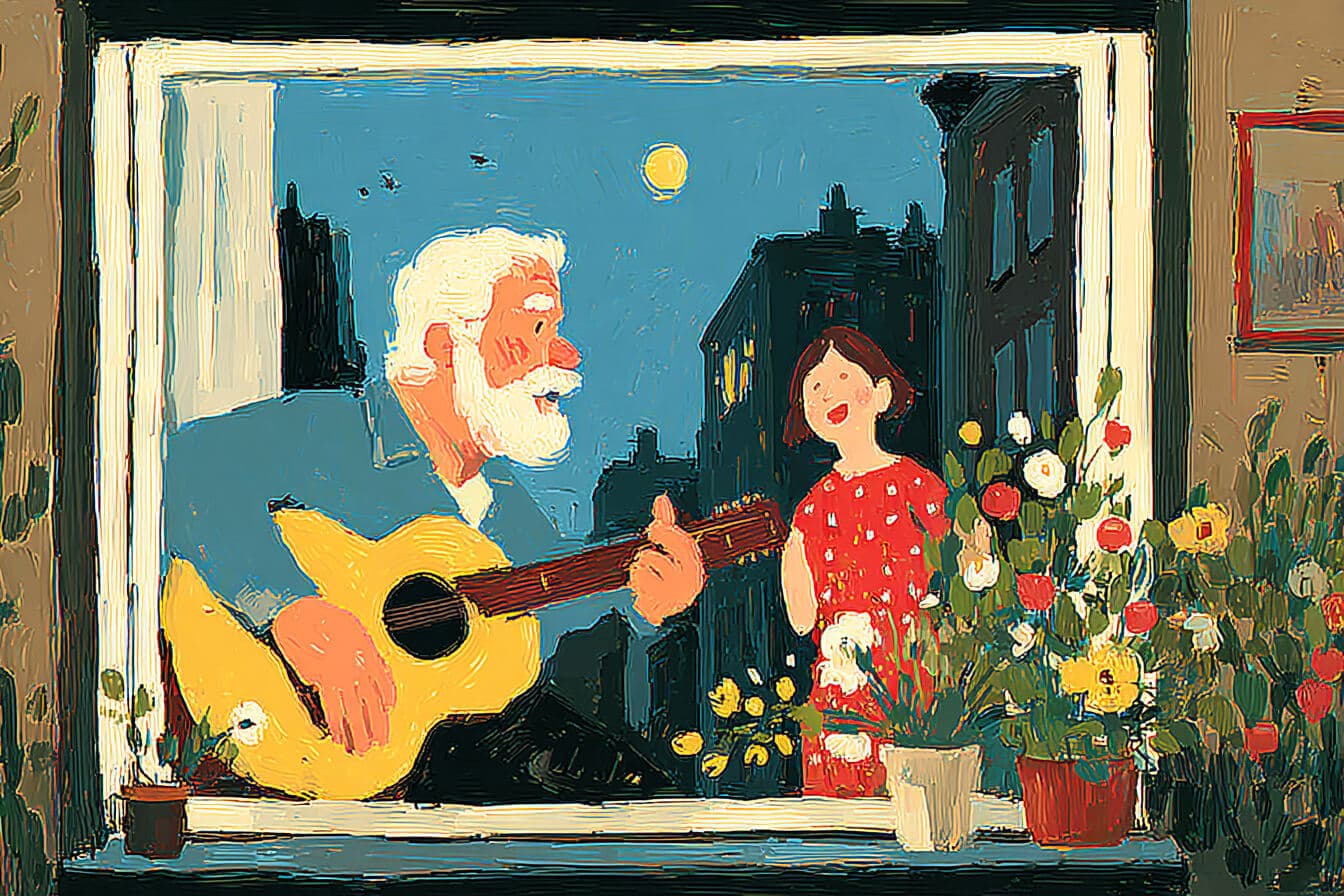
Funny Short Bedtime Stories For Boyfriend
A guitar serenade drifts to the wrong window in this short funny short bedtime stories for boyfriend tale about Mateo and a bearded neighbor.
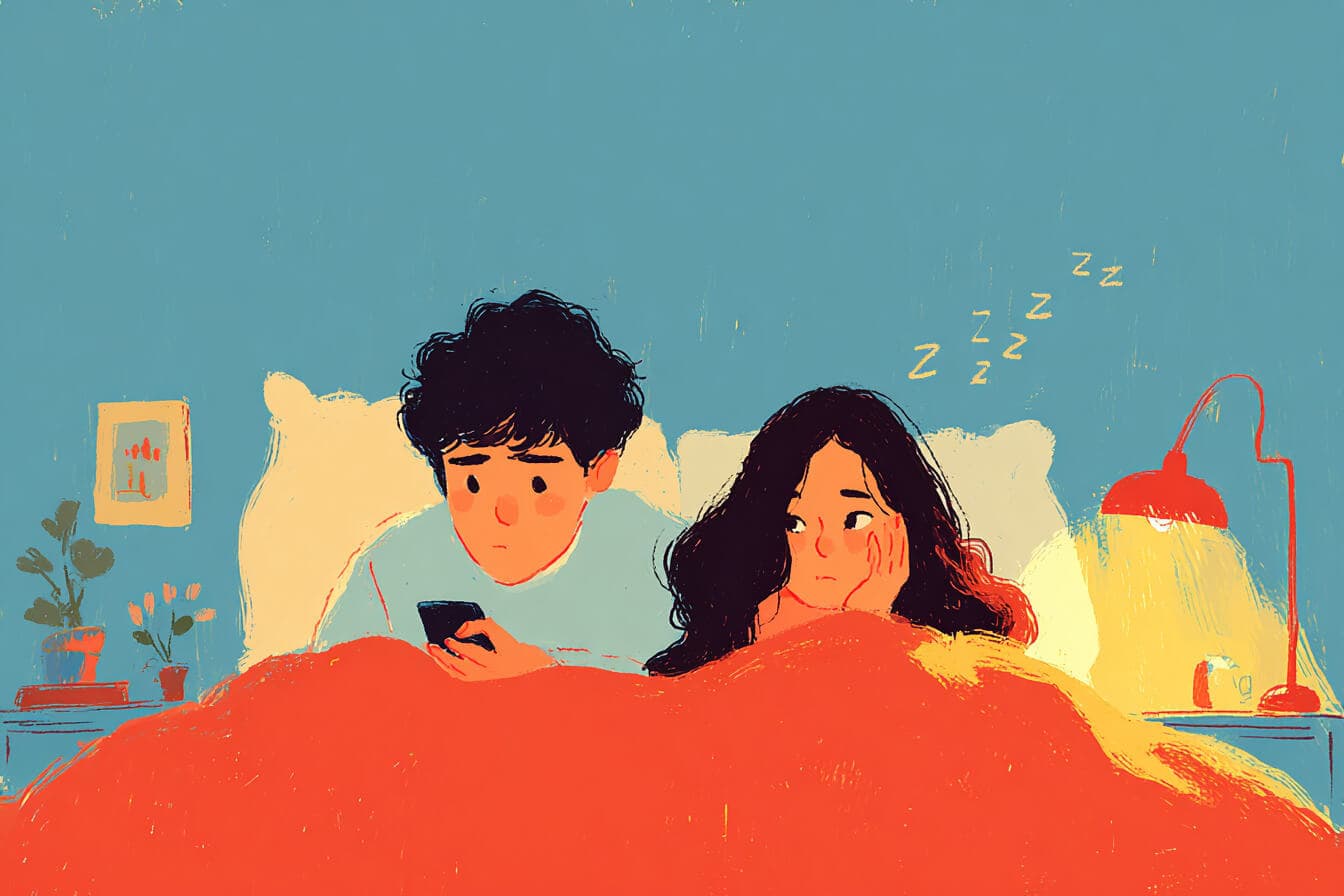
Cute Short Bedtime Stories For Girlfriend
Discover short cute short bedtime stories for girlfriend featuring Mia waiting for Oliver's goodnight text under the stars.

Cute Short Bedtime Stories For Boyfriend
Forget grand gestures; a silver marker and a tiny heart a wrist say everything in this short cute short bedtime stories for boyfriend gem.
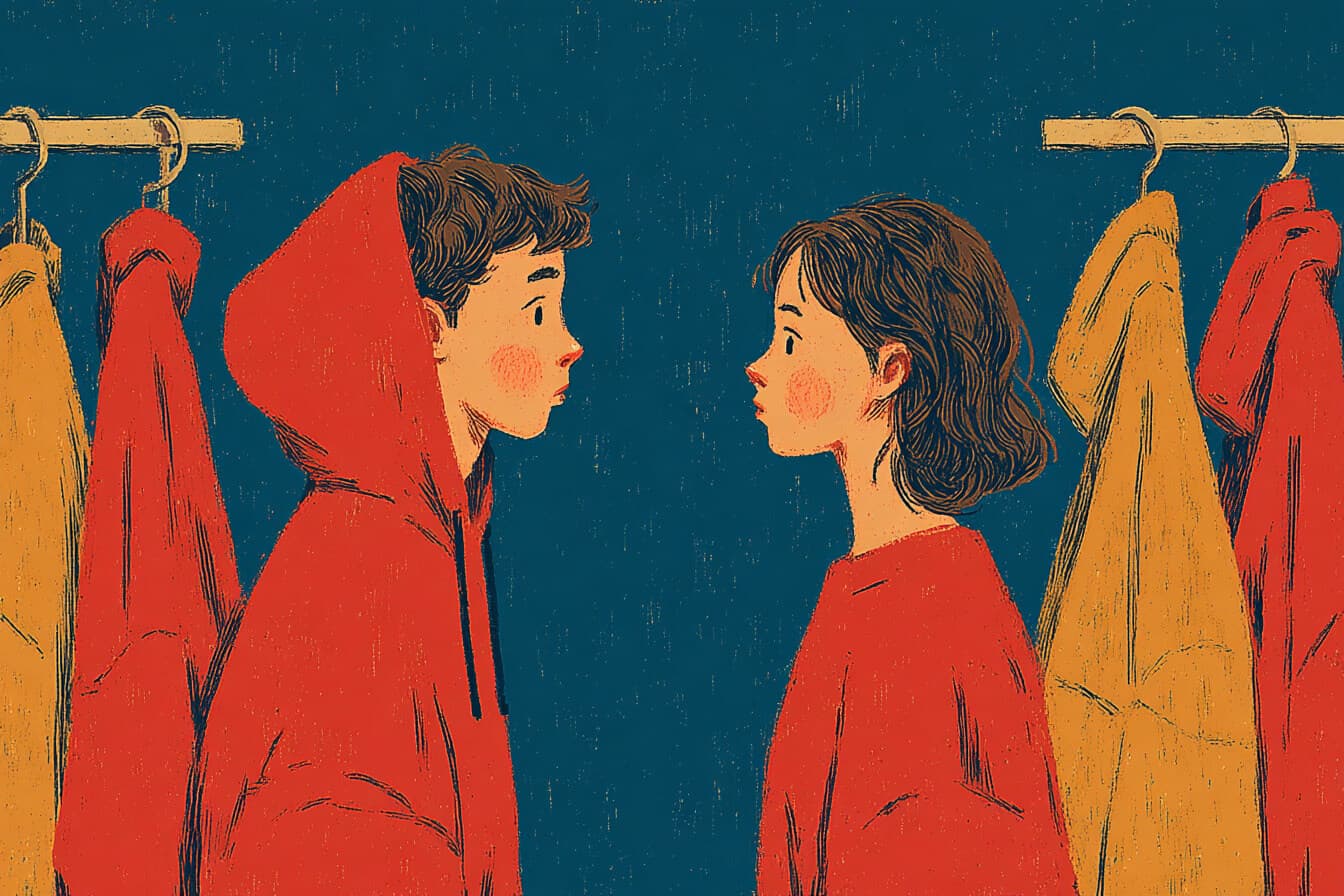
Bedtime Love Story For Your Girlfriend
This short bedtime love story for your girlfriend centers two blue hoodies, a pinky promise, and the gentle joy of learning to share.

Bedtime Love Story For Your Boyfriend
A short bedtime love story for your boyfriend winds through back roads, peach stands, and three quiet hand squeezes that say everything.