
Red Shoes Fairy Tale
By

Dennis Wang, Bedtime Story Expert
6 min 59 sec

Quick answer
The red shoes fairy tale tells the story of a curious girl named Karen who discovers magical shoes that whisk her into joyful, unstoppable dancing through a bustling village square. In The Shoes That Loved to Dance, Karen spins past a clapping baby, a laughing old woman with a broom, and a fountain circled by card playing old men before learning she must speak to the shoes with genuine respect to bring them to a gentle halt. The story's arc from breathless motion to quiet stillness on a bench makes it a natural way to ease a child toward sleep.
There's something magical about a pair of shoes that seem to have a mind of their own, especially when bedtime draws near. In this short red shoes fairy tale called The Shoes That Loved to Dance, a curious girl named Karen discovers red shoes that whisk her through the village in joyful, unstoppable loops. It's the kind of story that fills a child's imagination with color and movement, then gently settles into stillness as the night grows quiet. If your little one loves tales like this, you can create your own personalized version with Sleepytale.
Why Red Shoes Fairy Tale Stories Work So Well at Bedtime
Children are naturally drawn to stories about magical objects, especially ones that respond to how you treat them. The red shoes bedtime story taps into something kids understand instinctively: the thrill of being swept up in excitement, followed by the deep comfort of finally sitting still. That rhythm of motion and rest mirrors the arc of a child's own day, making it a natural companion for winding down. What makes a red shoes fairy tale especially soothing is the way it validates big feelings without letting them spin out of control. Karen's journey from wild, laughing joy to quiet, satisfied rest on a bench gives children permission to feel their energy fully and then release it. By the final scene, with the shoes sitting patiently by her bed in the dark, even the most restless listener can picture settling in for the night.
The Shoes That Loved to Dance 6 min 59 sec
6 min 59 sec
Karen saw them on a Tuesday, which was otherwise a perfectly ordinary day.
She had been walking past the shoemaker's window with her basket, on her way to buy bread, when something stopped her feet before her brain had even decided to stop.
There, sitting on a small wooden shelf in the window, were the reddest shoes she had ever seen.
Not the red of apples or fire trucks.
Redder.
The kind of red that seems to hum.
She pressed her nose to the glass.
The shoes were small, just her size, with a single button on each side and a rounded toe that curved up ever so slightly, as if they were smiling.
Karen had perfectly good shoes at home, brown ones with laces that her aunt had bought her in the fall.
Sensible shoes.
These were not sensible shoes.
She went in anyway.
The shop smelled like leather and wood shavings and something faintly sweet, like sawdust left in the sun.
The shoemaker was an old man with white hair that stuck up on one side, and he was bent over his workbench doing something with a very small hammer.
He did not look up right away.
Karen waited.
She was good at waiting when she wanted something badly enough.
"Those red ones in the window," she finally said.
"Could I try them?"
He looked up then, and his eyes went to her feet, then to the window, then back to her face.
He set down the hammer.
"You can try them," he said.
"But you should know, those shoes have opinions."
Karen did not know what that meant.
She sat down on the little bench anyway, and he brought the shoes over, and she slipped them on, and he did up the buttons, and then she stood.
The shoes fit perfectly.
Better than perfectly.
They fit the way a word fits when you finally find the right one.
And then they moved.
Not roughly, not in a frightening way.
It was more like the floor had tilted just slightly, and her feet followed.
One step, then another, then a little spin near the door.
Karen laughed out loud because she could not help it.
The spin felt like the feeling at the top of a swing, right before you come back down.
She meant to stop.
She meant to say thank you and ask the price and think it over like a responsible person.
Instead she danced right out the door.
The market was busy.
There were carts with vegetables and a woman selling ribbons and two boys arguing over a spinning top.
Karen wove between all of them, the red shoes finding the gaps, turning her in small neat circles around a barrel, stepping lightly over a puddle that her regular shoes would have gone straight through.
People stopped to watch.
A baby in a cart clapped its hands.
An old woman with a broom laughed and said, "Look at that girl go."
Down the lane the shoes carried her, past the bakery where the bread smell rushed out warm and yeasty, past the fence where the dog always barked, and he barked now too but his tail was wagging.
Around the corner, through the narrow bit between the houses where the cobblestones were uneven, and the shoes navigated every one without a stumble.
Into the village square.
The square was wide and open, and the shoes seemed to love it.
They took Karen in great sweeping loops, around the fountain, past the bench where the old men played cards every afternoon.
One of the old men stood up to get a better look and knocked over his cards, and he did not even mind.
Karen's arms were out for balance.
Her hair had come half out of its braid.
She was laughing and also, somewhere underneath the laughing, beginning to notice that her legs were tired.
Very tired.
The kind of tired that starts in your knees and moves up.
"Stop," she said to the shoes.
Nicely, she thought.
They did not stop.
Another loop around the fountain.
Her basket was still on her arm, swinging.
She had completely forgotten about the bread.
"Please stop," she tried, louder.
Still dancing.
She was not scared exactly.
But her legs ached now, and the laughing had gone quiet inside her, and she very much wanted to sit down on the bench where the old men played cards and just rest.
She looked around the square, a little desperate, and that was when she saw him.
The shoemaker.
He had followed her, apparently, at a pace that suggested he had done this before.
He was standing at the edge of the square with his hands in his pockets, watching her loop past with an expression that was not quite a smile and not quite not a smile.
"How do I make them stop?"
she called out as she spun past him.
"Ask them properly," he called back.
"I did ask!"
"You asked them to stop.
That's not the same as asking properly."
She went around again.
Her knees were really quite unhappy now.
She thought about what he meant.
She thought about the way you asked your grandmother for something versus the way you asked a friend versus the way you asked a stranger.
She thought about please and thank you and the difference between demanding and requesting.
The next time she came around the fountain, she looked down at the shoes.
The very red, very opinionated shoes.
"I am so tired," she said, honestly.
"You have danced beautifully today.
Better than I ever could have on my own.
But my legs need to rest now.
Would you please, please rest with me?"
The shoes slowed.
One more small circle, like a top winding down.
Then they stopped, right in front of the bench, and Karen sat down so fast she nearly bounced.
She sat there breathing.
The square went on around her, ordinary and busy.
A pigeon landed near her feet and looked at the shoes with great suspicion before waddling away.
Karen noticed she was still holding her basket.
She had not dropped a single thing.
The shoemaker came and sat at the other end of the bench.
He had a paper bag of roasted nuts from somewhere, and he offered her some without saying anything, and she took a small handful because she was suddenly very hungry.
"Do they do that to everyone?"
she asked.
"Only the ones they like," he said.
She looked down at the shoes.
They were still very red.
They sat on the ends of her feet, perfectly still, perfectly patient.
As if they had not just dragged her through an entire village.
"I'd like to buy them," she said.
"If I can."
He told her the price.
It was exactly the amount she had saved in the jar on her windowsill, which she had been saving for something without knowing what.
She thought that was probably not a coincidence.
That night, Karen set the shoes beside her bed.
She had eaten dinner and told her aunt about the dancing, and her aunt had raised both eyebrows very high and said nothing at all, which was its own kind of answer.
Now the room was dark except for the light under the door, and Karen was under her blanket, and her legs felt heavy and good the way they do after a long day of moving.
The shoes sat on the floor.
Their redness was muted in the dark, but she could still see them.
Waiting.
Not impatiently.
Just waiting, the way good things wait, knowing that morning was coming and there would be music somewhere and a whole village of cobblestones still left to try.
The Quiet Lessons in This Red Shoes Fairy Tale Bedtime Story
This story gently explores the themes of respect, honest communication, and knowing when to rest. When Karen first demands that the shoes stop, nothing changes; it is only when she speaks to them with genuine honesty and gratitude that they listen, showing children the power of asking kindly rather than commanding. The moment she spends her entire jar of savings on the shoes also touches on recognizing what truly matters to you and committing to it wholeheartedly. These lessons arrive wrapped in wonder and warmth, landing softly at bedtime when children are most open to reflection.
Tips for Reading This Story
Try giving the shoemaker a slow, gravelly voice with long pauses between his words, especially when he says 'those shoes have opinions,' and speed up your pace during Karen's wild dance through the market to match the shoes' energy. When Karen finally speaks to the shoes honestly by the fountain, slow way down and soften your voice so the contrast feels like a deep, calming breath. At the very end, when the shoes sit quietly beside her bed in the dark, let your voice drop to almost a whisper and pause before the final line about morning coming.
Frequently Asked Questions
What age is this story best for?
This story is ideal for children ages 3 to 7. Younger listeners will love the vivid imagery of Karen spinning through the village square and the funny pigeon that eyes her shoes with great suspicion. Older kids in that range will appreciate the deeper lesson about how Karen learns to communicate respectfully with the shoes before they finally agree to stop.
Is this story available as audio?
Yes, you can listen to the full audio version by pressing play at the top of the page. The audio brings the bustling market scene to life, from the clapping baby to the laughing old woman with a broom, and captures the wonderful contrast between Karen's breathless dancing and the quiet moment when she finally sits on the bench. The shoemaker's calm, knowing tone is especially fun to hear spoken aloud.
Why do the red shoes only dance for some people?
In the story, the shoemaker explains that the shoes only dance for the ones they like, suggesting they sense something special in Karen's curiosity and joy. This detail gives the tale a warm, personal feeling, as if the shoes chose her the same way she chose them. It is a lovely way to show children that sometimes the things we love seem to love us back.
Create Your Own Version
Sleepytale turns your child's favorite ideas into personalized bedtime stories in seconds, complete with illustrations and audio. You can swap the red shoes for golden boots, change the village square to a moonlit forest, or replace Karen with your own child's name for an extra special touch. In just a few taps, you will have a cozy, one of a kind tale ready for tonight's bedtime.
Looking for more bedtime story classics?

Once Upon A Time Stories
What happens when June opens a golden book with no title? One of the sweetest short once upon a time stories about a forest, a hedgehog, and a blank page.

Fairy Tales Written By Hans Christian Andersen
Anders discovers short fairy tales written by Hans Christian Andersen as his grandmother reads from a soft brown book by lamplight.

Bluebeard Fairy Tale
In this short bluebeard fairy tale, the forbidden room holds not horror but a music box and memories of the people Lord Corvus loved most.

Twinkle Twinkle Little Star Bedtime Story
Lily watches a kind star and floats up to help deliver dreams in this short twinkle twinkle little star bedtime story. A warm, quiet tale for sleepy nights.
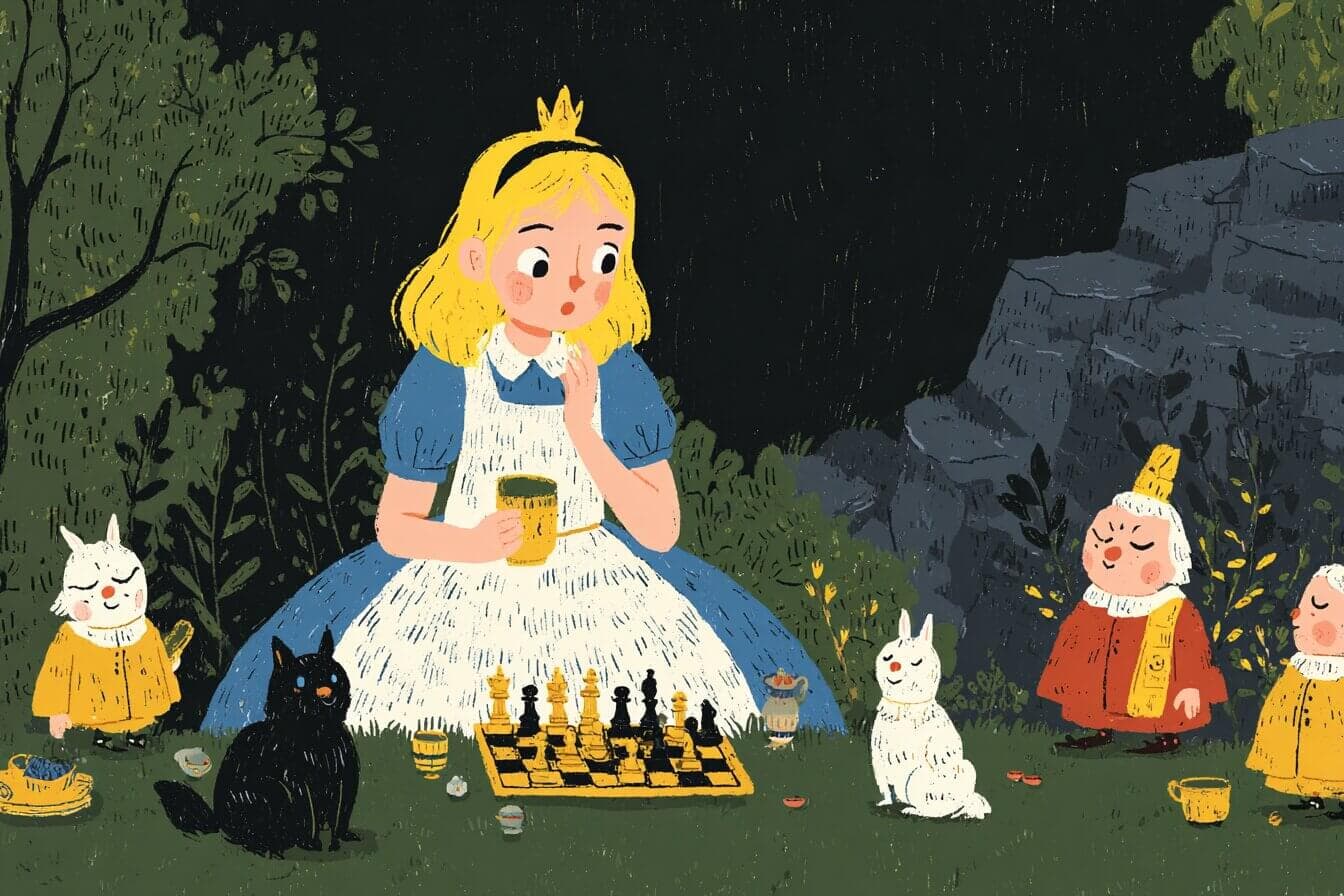
Through The Looking Glass Bedtime Story
Step into a calm, magical short through the looking glass bedtime story and drift toward sleep with gentle wonder. Enjoy a soothing retelling that feels cozy from start to finish.
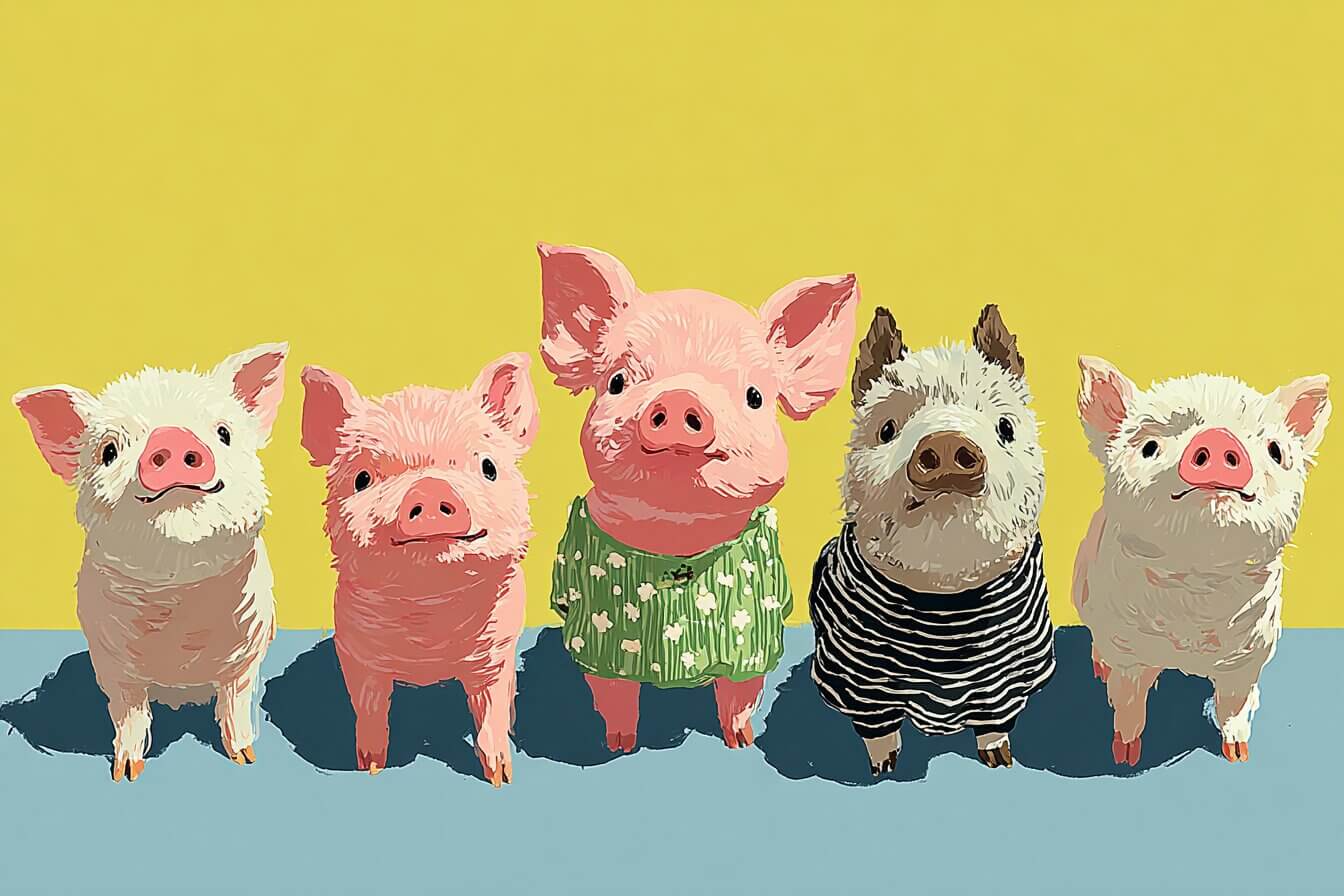
This Little Piggy Bedtime Story
A giggly parade turns into a cozy wind down in this short this little piggy bedtime story, with balloon apples and pillow forts that float all the way to moonlight.