


Quick answer
The Bluebeard fairy tale is reimagined in The Smallest Door as a gentle bedtime story in which a brave girl named Mira enters a forbidden room in a hilltop castle and finds not horror but stacked paintings of loved ones, brittle letters tied with ribbon, and a small music box playing a repeating three note melody. Lord Corvus, the blue bearded lord, has been hiding grief rather than danger, and Mira's curiosity helps him begin to face what he has lost. The story's slow corridor wandering, quiet discoveries, and warm lamplit ending settle naturally into the rhythm of a child drifting toward sleep.
There is something about a castle on a windy hill, a ring of mysterious keys, and one tiny forbidden door that makes a child pull the blankets a little closer. In The Smallest Door, a brave girl named Mira answers a strange advertisement and discovers that the secret behind Lord Corvus's locked room is not danger but grief. It is a short bluebeard fairy tale that trades fear for tenderness, perfect for winding down before sleep. If your child loves the idea, you can create your own version with Sleepytale.
Why Bluebeard Fairy Tale Stories Work So Well at Bedtime
A Bluebeard bedtime story might seem like an unusual choice for a calm evening, but the best versions of this tale tap into something children already understand: the pull of a closed door and the courage it takes to face what is on the other side. Kids are naturally curious, and stories that honor that curiosity rather than punish it feel deeply satisfying. When the forbidden room turns out to hold sadness instead of monsters, it teaches children that the scariest things in life are often just feelings waiting to be felt. What makes Bluebeard fairy tale stories work so well at night is the pace. The castle corridors, the turning of keys, the quiet discovery; these moments breathe slowly, matching the rhythm of a child settling into bed. The warmth that fills the ending, with lamplight and paintings on the walls, wraps around a listener like a blanket.
The Smallest Door 6 min 38 sec
6 min 38 sec
The castle sat at the top of a hill where the wind never quite stopped blowing.
Mira had walked three hours to reach it, her boots leaving prints in the mud, her bag bouncing against her hip.
She was twelve, and she had answered an advertisement nailed to the post office door.
Help wanted.
Castle on the hill.
Ask for Lord Corvus.
She had not told her mother about the blue-black beard part, because her mother would have worried, and Mira had already made up her mind.
Lord Corvus opened the door himself.
He was tall, and his beard was the color of a crow's wing, dark with a strange blue shine in certain light.
He did not smile, but he did not frown either.
He simply looked at her for a long moment, then stepped aside.
"You are smaller than I expected," he said.
"I am faster than I look," Mira said.
He almost smiled at that.
Almost.
The castle was enormous.
Mira's footsteps echoed in the front hall, and the ceilings were so high she had to tilt her head all the way back to see them.
Lord Corvus led her through corridor after corridor, past rooms full of covered furniture and windows shuttered so tight no light came through at all.
He showed her the kitchen, which was large and cold.
He showed her the library, which smelled of paper and dust.
He showed her where the firewood was kept, and where the good candles were stored, and where she would sleep, a small room near the kitchen with a window that looked out over the garden.
Then he gave her the keys.
There were nine of them on a ring, each one a different size.
He named each room as he pressed the ring into her hands.
The library.
The cellar.
The linen cupboard.
The east wing.
The west wing.
The attic.
The greenhouse.
The clock room.
And then he paused.
"There is one more," he said.
He reached into his coat pocket and held up a key so small it looked like it belonged to a jewelry box.
"This opens the door at the end of the east corridor.
The small green door.
You may go anywhere in this castle.
Every room is yours to use.
But I ask one thing only.
Do not open that door."
Mira looked at the tiny key.
"Why not?"
"Because I ask it," he said.
And that was all.
She took the small key with the others.
She told herself she would not think about it.
She thought about it constantly.
For three days she worked hard and said nothing.
She lit fires in the mornings and swept the front steps and carried wood up from the cellar.
She cooked soup from the vegetables in the greenhouse, and Lord Corvus ate it without complaint, which she decided counted as a compliment.
She explored every room she was allowed into, and there were plenty of them.
The clock room alone took her an entire afternoon.
There were forty-seven clocks in it, all stopped at different times, and not one of them ticking.
She wound three of them just to hear the sound.
But every time she walked the east corridor, she stopped in front of the small green door.
It came up only to her shoulder.
The paint was peeling at the corners.
There was a thin line of darkness under the gap at the bottom.
On the fourth day, she opened it.
The key turned easily, as if the lock had been waiting.
Mira pushed the door open and had to duck to step through.
She straightened up inside and stood very still.
The room was not frightening.
It was not dark, because a crack in the shuttered window let in a blade of afternoon light.
It was dusty, and it smelled of old paper and something faintly sweet, like dried flowers.
The floor was crowded with things, but not terrible things.
There were paintings stacked against the walls, faces looking out from canvas, a woman with red hair, a boy with a dog, an old man laughing at something outside the frame.
There were bundles of letters tied with ribbon, gone brittle at the edges.
There was a small wooden box on a table in the center of the room, and Mira crossed to it and lifted the lid.
A music box.
The mechanism turned, and a thin, clear tune came out, three notes repeating, then four, then back to three.
It was not a sad tune exactly.
It was the kind of tune that made you think of something you could not quite name.
She was still listening to it when she heard the footstep behind her.
Lord Corvus stood in the doorway, bent at the waist to fit through.
He looked at her.
He looked at the music box.
Something moved across his face, not anger, not quite grief, something in between that had no easy word.
"I asked you not to," he said.
"I know."
Mira set the music box down carefully.
"I am sorry I did not listen.
But I am not sorry I came in."
She looked at the painting of the laughing old man.
"Who are they?"
He was quiet for so long she thought he would not answer.
Then he came into the room, slowly, and stood beside her.
"My father," he said, nodding at the old man.
"My sister.
A friend I had when I was young.
My mother, there in the corner."
He stopped.
"They are all gone now.
And I found I could not look at them.
So I put them here."
"And you shut the door."
"And I shut the door."
Mira picked up one of the letter bundles and held it out to him.
He did not take it, but he did not step back either.
"It is worse," she said, "not looking.
I think it is worse than looking."
He stared at the letters in her hand.
"You are twelve years old."
"Yes," she said.
"And I have been right before."
This time he did smile.
It was a small and crooked smile, and it changed his face entirely.
They spent the rest of the afternoon in that room.
Mira opened the shutters, and the light came in thick and golden and turned the dust into something that floated and spun.
Lord Corvus sat in the one chair and held his father's letters in his lap without reading them, just held them.
Mira sat on the floor and looked at each painting in turn and asked questions, and he answered them, haltingly at first, then more easily, as if a door inside him was also opening.
The woman with red hair had laughed at everything.
The boy with the dog had been afraid of thunder.
The friend had known every constellation and made up names for the ones that already had names, because he thought the old names were boring.
By evening, Mira had carried three of the paintings out to the main hall and hung them on the walls.
Lord Corvus had not told her to.
He had watched her do it and said nothing, which she took as permission.
She lit the lamps at dusk, more lamps than she had lit any other night, and the castle filled with a warm, unsteady glow.
Lord Corvus sat in the hall with a cup of tea going cold in his hand, looking at his father's laughing face on the wall.
Mira sat across from him with a book she was not really reading.
The music box was on the table between them, still playing its three notes and its four, over and over, into the lamplight.
The Quiet Lessons in This Bluebeard Fairy Tale Bedtime Story
This story explores honesty, compassion, and the quiet courage it takes to face grief. Mira models brave honesty when she tells Lord Corvus that she is sorry for not listening but refuses to apologize for caring about what she found behind the small green door. Her gentle insistence that not looking is worse than looking shows children that sometimes the kindest thing you can do is sit with someone in their sadness. These lessons land naturally at bedtime, when kids are reflective and open to thinking about how small, caring acts can unlock something much bigger than a door.
Tips for Reading This Story
Give Lord Corvus a low, measured voice that softens noticeably when he begins naming the people in the paintings, especially the friend who made up new names for the constellations. Slow your pace when Mira opens the music box and let a real pause hang in the air as those repeating three notes and four notes fill the room. When Mira carries the paintings out to the main hall and lights more lamps than any other night, let your voice warm and lift to match the golden glow settling over the castle.
Frequently Asked Questions
What age is this story best for?
This story works best for children ages 6 to 11. Younger listeners will enjoy the mystery of the nine keys and the discovery of the little music box, while older children will appreciate Mira's emotional courage and the gentle way she helps Lord Corvus face the portraits of his family. There is nothing frightening in the story, just quiet wonder and a warm, lamplit ending.
Is this story available as audio?
Yes, just press play at the top of the page to hear the full story read aloud. The audio version brings out the echo of Mira's footsteps in the castle corridors and gives Lord Corvus a voice that cracks just slightly when he names the laughing old man as his father. The repeating melody of the music box in the final scene sounds especially lovely when you can close your eyes and listen.
Why does Mira open the forbidden door even though Lord Corvus asked her not to?
Mira is deeply curious by nature, and the story treats that curiosity as a strength rather than a flaw. After four days of walking past the small green door in the east corridor, she senses that whatever Lord Corvus is hiding matters, and her instinct turns out to be right. What she finds is not danger but a room full of paintings, letters, and a music box, all tied to people he loved and lost, and her willingness to look helps him begin to heal.
Create Your Own Version
Sleepytale turns your child's imagination into a personalized bedtime story in moments. You can swap the hilltop castle for a lighthouse, replace the music box with a snow globe, or let your child become the curious hero who discovers the hidden room. In just a few clicks, you will have a cozy, completely unique tale ready for tonight.
Looking for more bedtime story classics?

Once Upon A Time Stories
What happens when June opens a golden book with no title? One of the sweetest short once upon a time stories about a forest, a hedgehog, and a blank page.

Fairy Tales Written By Hans Christian Andersen
Anders discovers short fairy tales written by Hans Christian Andersen as his grandmother reads from a soft brown book by lamplight.

Red Shoes Fairy Tale
What happens when Karen's magical red shoes refuse to stop dancing? Discover this short red shoes fairy tale tonight.
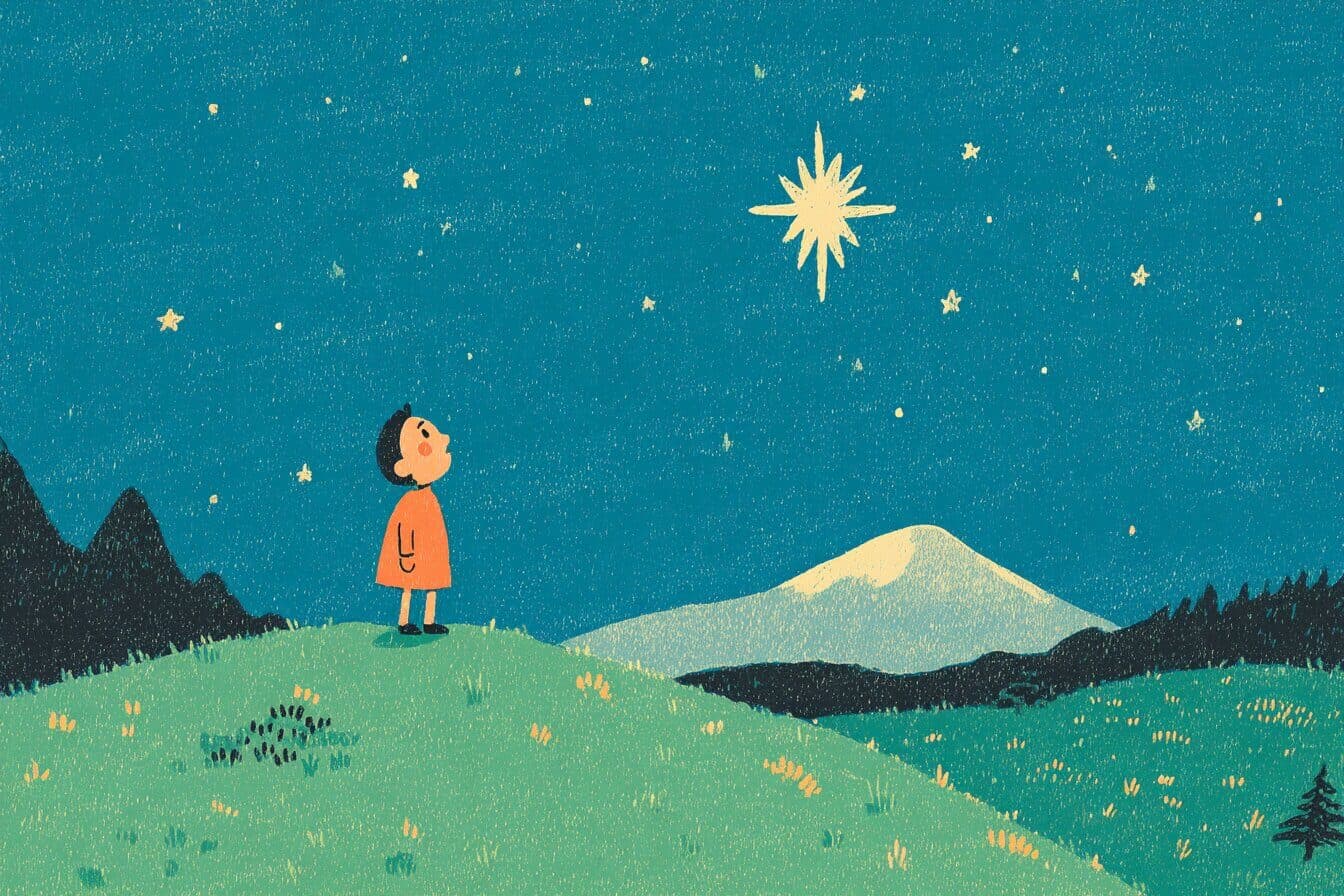
Twinkle Twinkle Little Star Bedtime Story
Lily watches a kind star and floats up to help deliver dreams in this short twinkle twinkle little star bedtime story. A warm, quiet tale for sleepy nights.
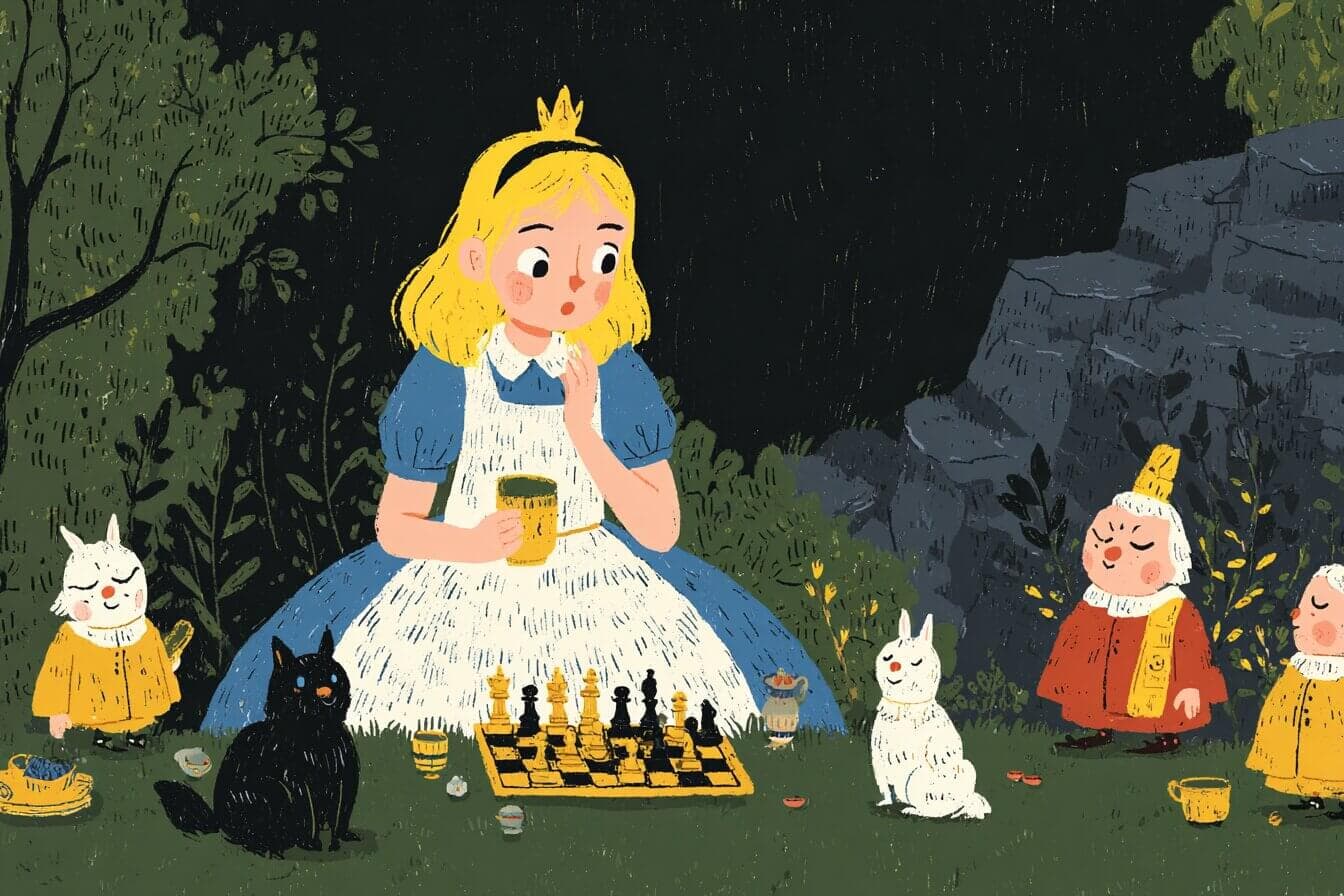
Through The Looking Glass Bedtime Story
Step into a calm, magical short through the looking glass bedtime story and drift toward sleep with gentle wonder. Enjoy a soothing retelling that feels cozy from start to finish.
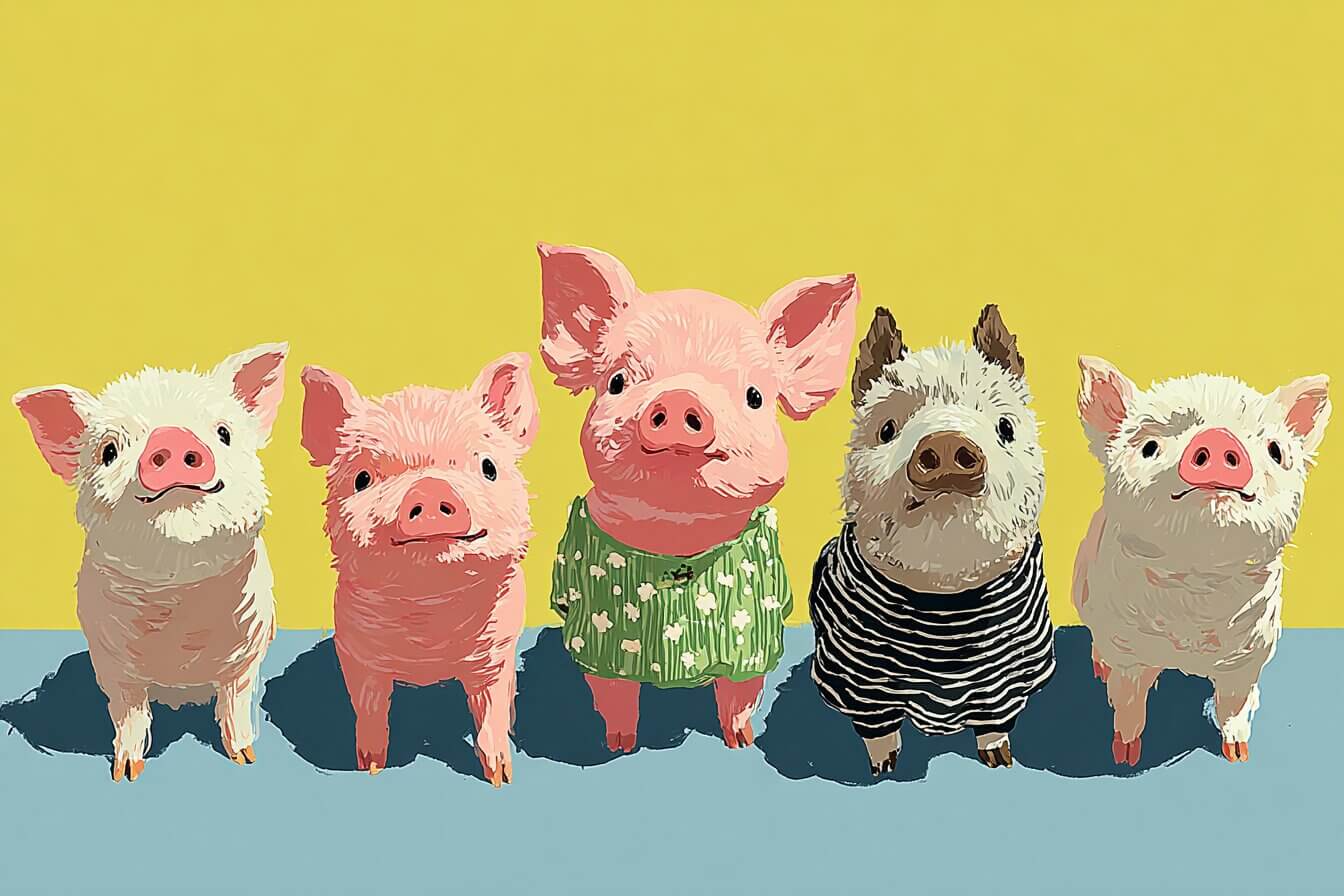
This Little Piggy Bedtime Story
A giggly parade turns into a cozy wind down in this short this little piggy bedtime story, with balloon apples and pillow forts that float all the way to moonlight.