

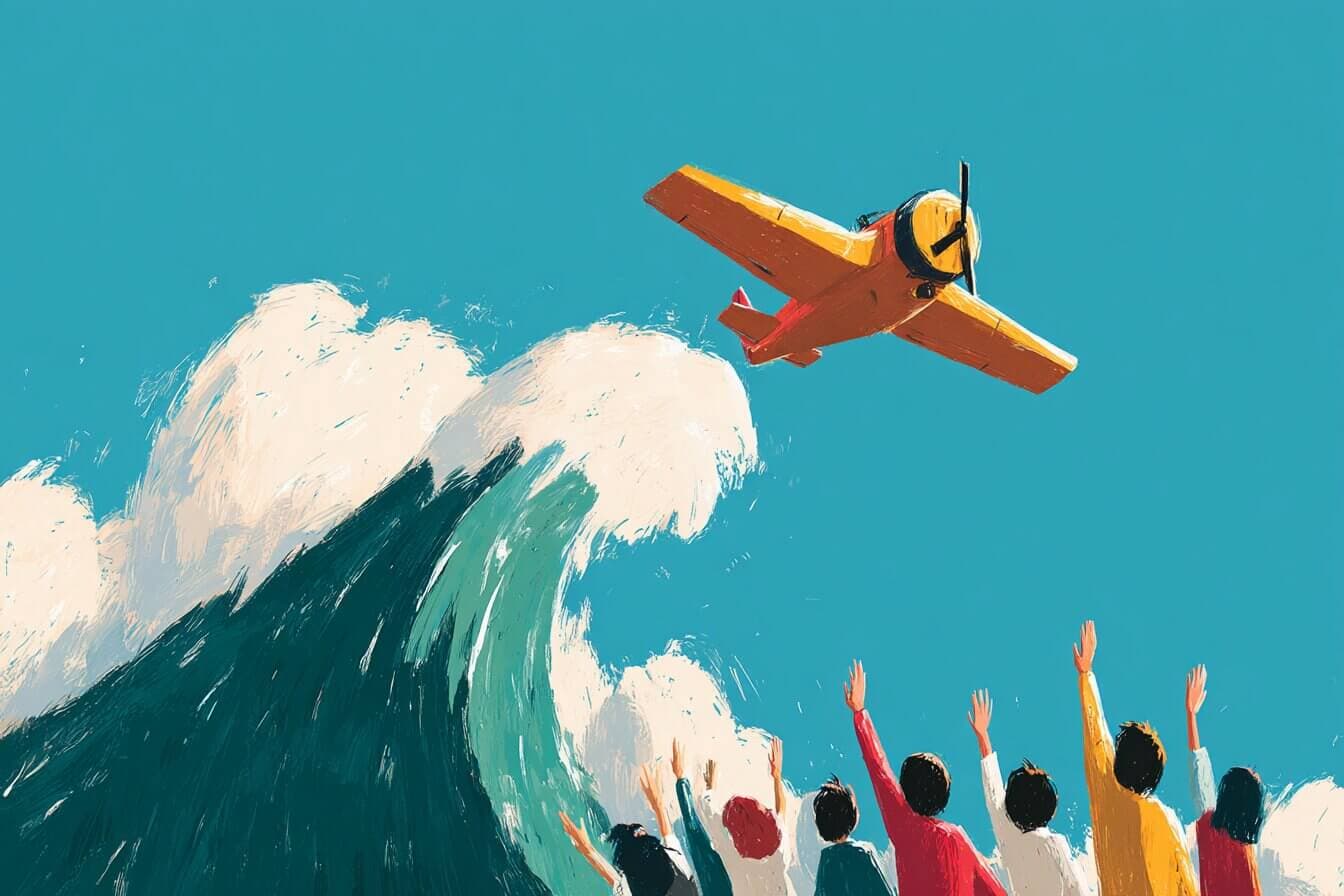
There is something about the idea of flying, of lifting off the ground while the rest of the world goes quiet, that makes a child's eyelids feel heavier in the best possible way. In this story, a young flyer-in-training named Mira releases her festival balloon and discovers a shimmering doorway hidden in the night sky. It is exactly the kind of pilot bedtime stories adventure that trades engine noise for starlight and lets the whole room settle into wonder. If your child has their own favorite aircraft or dream destination, you can build a personalized version with Sleepytale.
Why Pilot Stories Work So Well at Bedtime
Flying is one of the few activities that feels both thrilling and deeply calm at the same time. A child can imagine soaring above rooftops and meadows without any of the noise or urgency that comes with daytime play. Pilot stories at bedtime tap into that contrast: the world below grows small and still, the sky wraps around you like a blanket, and every turn of the flight path leads somewhere softer. It is movement without hurry, which is exactly the rhythm a sleepy body wants.
There is also something reassuring about a character who navigates carefully, checking the wind and trusting the glow ahead. Kids who hear a bedtime story about a pilot learn, without anyone spelling it out, that you can head into the unknown and still find your way home. The combination of gentle motion, wide-open sky, and a safe landing gives children permission to close their eyes and drift.
The Starlight Balloon 7 min 25 sec
7 min 25 sec
Mira pressed her nose against the attic window and watched the first evening star blink awake.
The glass was cold enough to leave a little circle of fog where her breath hit it.
Beyond the pane, the sky was doing that thing it did in late summer, melting from peach to lavender so slowly you could only tell it had changed if you looked away and then looked back.
Tonight was the Starlight Festival, when every child in the village released a glowing paper balloon to greet the constellations. Mira had saved her allowance for six moons to buy the brightest one in the market, a silver orb painted with tiny comets. She clutched the string now, winding it once around her pinky the way her grandmother always did with kite lines.
Downstairs, Mama hummed while stacking cinnamon cakes into a wicker basket. The scent curled up the stairway and Mira's stomach growled, which was embarrassing even though nobody heard it.
She tiptoed past the creaky board, third from the landing, slipped on her red wool coat, and stepped outside into the hush between sunset and night. The village square glimmered with lanterns shaped like tiny moons. Children darted past, their laughter louder than the torches had any right to be.
Mira found Leo beside the fountain.
He cradled a cobalt balloon dotted with painted whales, holding it out at arm's length like it might pop if he breathed too hard.
"You ready?" he whispered.
"I've been ready since breakfast," Mira said.
Together they joined the circle of families. The mayor climbed the bandstand, his beard so silver it looked like someone had knitted it from actual moonlight. He lifted a conch shell to his lips and blew one long, low note.
Mira's fingers tingled. She and Leo counted together, one, two, three, and released their balloons into the breathless sky.
Hundreds of paper moons rose, carrying wishes scribbled in crayon. Mira watched hers sail higher, higher, until it bumped against something invisible. A soft barrier that shimmered the way soap bubbles do right before they vanish. Instead of drifting past, the balloon stuck, and the barrier peeled open like a doorway stitched from night.
A wind that smelled of peppermint and something she had no word for tugged at Mira's braid.
She stepped through before she had time to decide whether stepping through was a good idea.
The village square vanished.
She stood in a meadow of silver grass. Each blade chimed when the breeze touched it, a sound so thin you had to hold your breath to hear it properly. Overhead, the sky was not black but deep indigo scattered with swirling color, as if someone had knocked a jar of watercolors across velvet and then said, "Actually, that's better."
Her balloon bobbed just ahead, patient as a lantern held by an invisible hand. Mira followed, her shoes sinking into dew that glowed faintly, like someone had spilled a jar of trapped starlight across the ground.
She crossed the meadow and reached a forest of crystal trees. Their branches clacked softly against one another, not exactly music but close, the way wind chimes are close to a song. A narrow path wound between the trunks, paved with moon moths that fluttered up in soft clouds whenever her foot came near.
Beyond the trees she found a lake.
It was so still that it did not reflect her face. Instead it reflected feelings. She saw her own excitement rippling outward in golden rings, and behind that, a quieter ring of blue that might have been nervousness, or maybe just the color of being very far from home.
Beside the lake sat a small boat shaped like a crescent moon, its sail woven from something that shifted between green and violet. The boatman was a fox in a vest embroidered with constellations. He tipped his cap, and the insides of his ears glittered with what could only be stardust.
"Heading across?" he asked, as casually as if she were boarding the morning ferry.
"I think so," Mira said.
"Good enough for me."
She climbed in. The boat rocked once, gently, the way a hammock does when you first settle into it.
The fox pushed off with a pole of dark iron. Beneath them, fish made entirely of light swam in slow spirals, nibbling at reflections of memories Mira did not quite recognize. She dipped her fingers over the side; the water was warm and tasted, just barely, of vanilla. She pulled her hand back and wiped it on her coat, then felt silly for wiping magic water on wool.
On the far shore rose a staircase carved from moonstone, each step glowing brighter than the one below it. Mira thanked the fox, who bowed and pressed a pocket-sized compass into her palm. Its needle did not point north. It pointed, as far as she could tell, toward wherever the next interesting thing was.
The staircase spiraled upward into a sky studded with doorways that opened and closed like slow, blinking eyes. Each door revealed something different: a desert where the sand hummed a low note, a city of islands that floated on nothing, a library where the books had papery wings and fluttered from shelf to shelf.
Mira's balloon hovered at the topmost door. Its painted comets were swirling now, actually swirling, tails streaking across the silver surface.
She climbed the final step and found the door cracked open. Through it she could see her own attic bedroom, but from above, as though the ceiling had peeled away. Her quilt, her stack of flight manuals, the mug with the chipped handle she refused to throw out.
She stood there for a moment. Everything looked the same, but she felt different, as if her chest had added a room she had not known was missing.
She stepped through.
The balloon was already shrinking. By the time her feet touched the bedroom floor it had become a tiny silver lantern no bigger than a teacup. It drifted down to her windowsill and settled there, casting soft light across the pillow.
Downstairs, Mama called that cocoa was ready.
Mira went down. Her cheeks were flushed and she could not explain why. She sipped cocoa while Mama hummed, and the tune sounded like crystal branches clacking, though Mama had never been to a crystal forest in her life, probably.
That night Mira dreamed of silver grass and moon moths.
In the morning the lantern still glowed, small and patient on the sill.
She tucked it into her coat pocket and walked to school with it clicking softly against her house key.
Leo was waiting at the gate. He flipped open his notebook to a drawing of whales swimming through indigo sky.
They looked at each other and grinned, and neither of them needed to say a word.
Mira understood that adventures did not always need doors. Sometimes they only needed the courage to follow a balloon through an invisible seam in the sky.
She kept her eyes open after that for shimmering edges, her ears tuned for peppermint on the wind. Years later, when she was tall enough to reach the attic window without standing on tiptoe, the lantern still glowed on the sill, guiding new dreams outward and welcoming old ones back.
And every Starlight Festival she released another balloon, not expecting it to return, but hoping it would lead some other child toward a doorway they did not know was there.
The Quiet Lessons in This Pilot Bedtime Story
When Mira steps through the shimmering barrier without overthinking it, children absorb the idea that curiosity is its own kind of bravery, that you do not always need a perfect plan before you move forward. The fox boatman's easy "good enough for me" models trust between strangers, a small moment that shows kids how calmness and kindness can coexist with the unfamiliar. And when Mira returns home to cocoa and the same quilt, the story reassures listeners that exploring the unknown does not mean losing what is safe. These themes land especially well at bedtime, when a child's mind is sorting through the day's uncertainties and needs a gentle reminder that home is always waiting at the end of every adventure.
Tips for Reading This Story
Give the fox boatman a low, unhurried voice, the kind of tone you would use ordering tea on a lazy afternoon, and let Mira sound a little breathless when she first steps through the barrier. When she dips her fingers in the lake and the water tastes of vanilla, pause and ask your child what they think magic water would taste like. Slow your pace noticeably during the moonstone staircase scene, letting each step feel like it takes a real second, so the rhythm of the climb eases your listener toward sleep.
Frequently Asked Questions
What age is this story best for?
It works well for children ages 4 to 8. Younger listeners enjoy the sensory details like chiming grass and glowing dew, while older kids pick up on Mira's internal moment at the topmost door when she realizes she has changed even though her room looks the same. The vocabulary is rich enough to hold a seven-year-old's attention without losing a four-year-old in complicated plot twists.
Is this story available as audio?
Yes. Press play at the top of the story to listen. The audio version brings out details that reward the ear, especially the rhythm of the silver grass chiming and the fox boatman's quiet dialogue. Mira's counting scene with Leo also has a natural call-and-response feel that sounds wonderful read aloud, making it easy for kids to murmur along before drifting off.
Why does the balloon turn into a lantern at the end?
The lantern is the story's way of showing that adventures leave something behind, a small, glowing reminder that wonder is still close even after the journey ends. For Mira, it sits on her windowsill like a nightlight, which makes it a comforting image for children who like knowing that something magical is watching over them while they sleep. It also sets up the idea that she can return whenever she is ready, so the story never quite feels finished.
Create Your Own Version
Sleepytale lets you reshape this flight into something that fits your child perfectly. You could swap the festival for a moonlit airfield, replace the fox boatman with a friendly owl copilot, or change the crystal forest into a cloud runway lined with lanterns. In a few steps you will have a cozy flying story ready to read tonight, built around the characters and places your little one loves most.
Looking for more job bedtime stories?
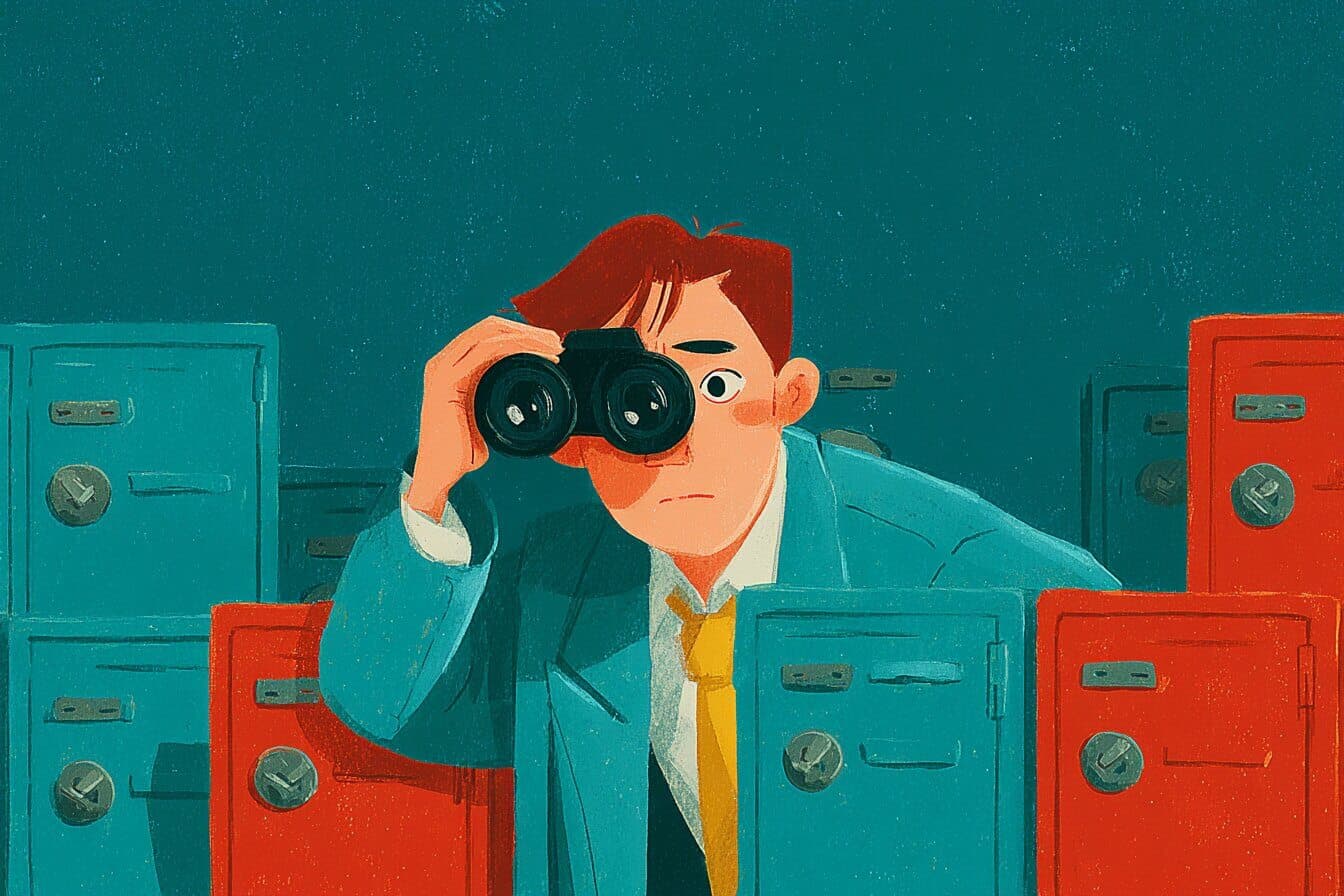
Spy Bedtime Stories
Quiet halls glow before sunrise as a student agent follows kind clues in short spy bedtime stories. A gentle mystery ends with secret teamwork and warm notes.

Detective Bedtime Stories
Detective Daisy follows crumbs and a chocolatey scent in short detective bedtime stories, then finds the missing cookies in a surprising place. A cozy case for winding down.

Astronaut Bedtime Stories
Looking for short astronaut bedtime stories that feel calm and wondrous at lights out? Read Astrid's gentle starlight parade and learn how to make your own version.

Vet Bedtime Stories
A tender clinic visit turns into a thank you lick and a tiny keepsake in short vet bedtime stories. A small thorn becomes a big lesson in trust and calm care.
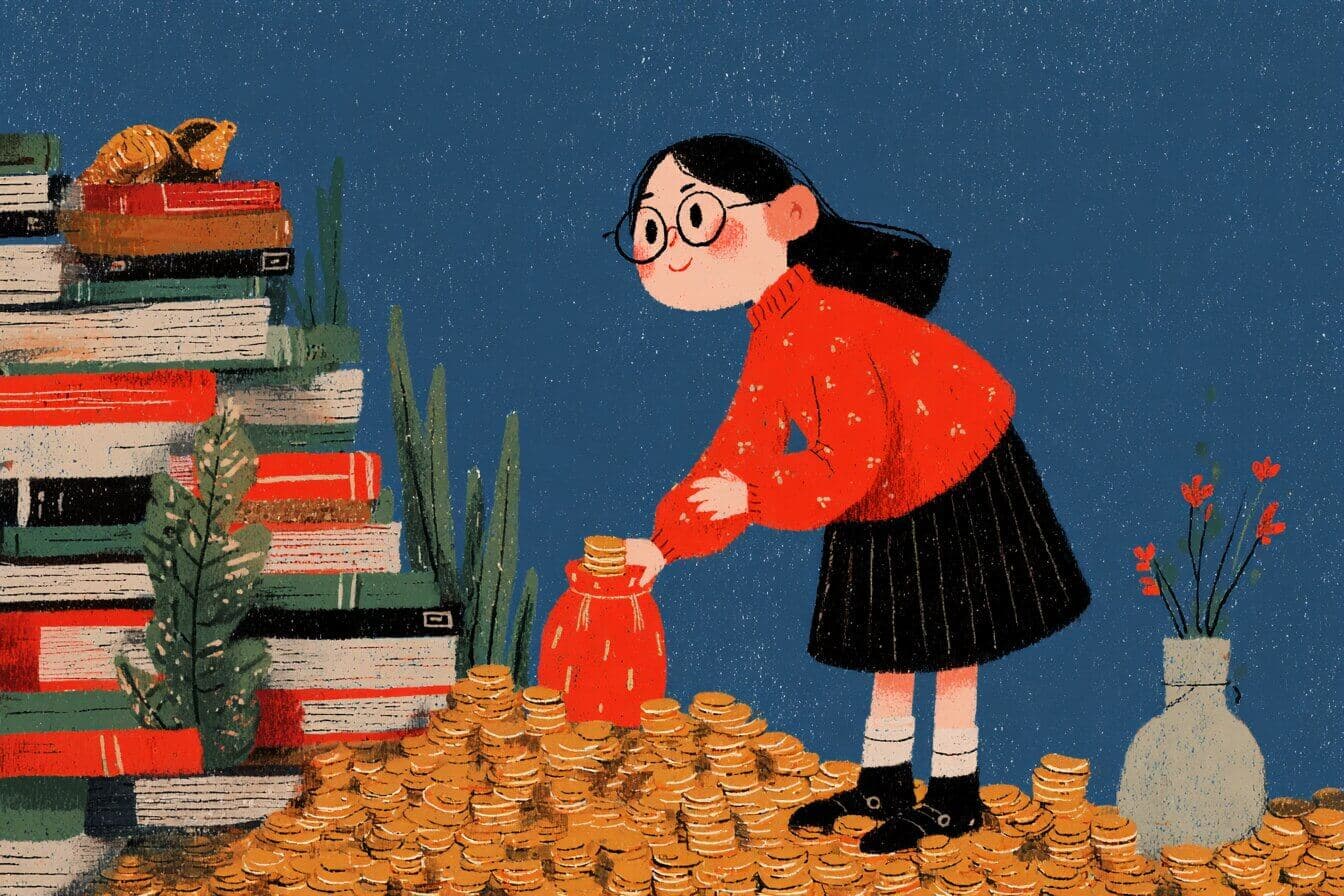
Teacher Bedtime Stories
Want short teacher bedtime stories that feel cozy and kind for winding down after school? Discover a gentle classroom adventure you can read aloud tonight.
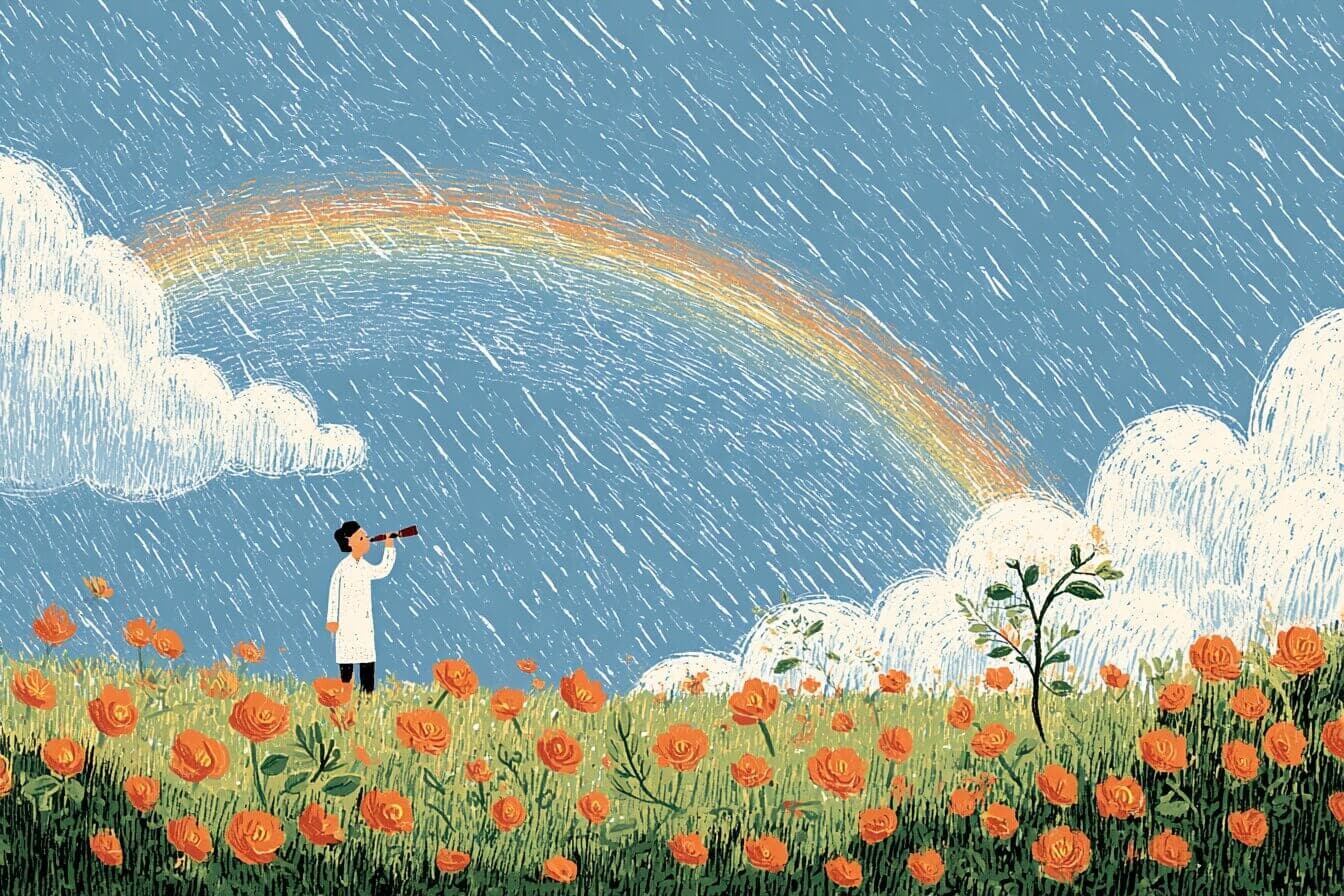
Scientist Bedtime Stories
Preston turns a quiet flight into a gentle lesson for curious kids in short scientist bedtime stories. Clouds, wind, and light become soothing wonders as everyone settles down.