
Long Bedtime Stories For Teen Boys
By

Dennis Wang, Bedtime Story Expert
7 min 23 sec
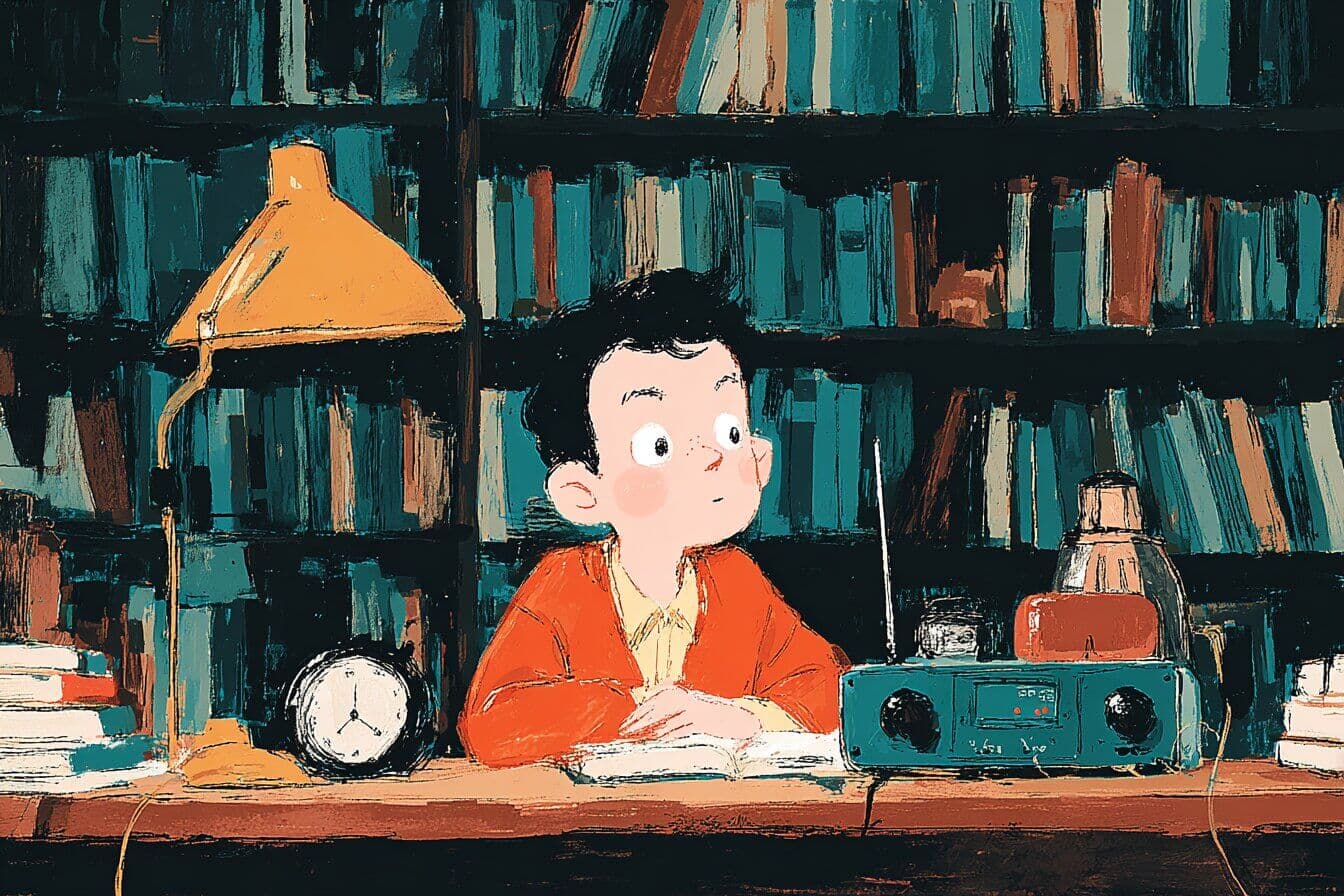
There is something about rain on a window and a long stretch of quiet that makes a teenage mind ready to disappear into a story. This one follows Oliver Bell, a boy who discovers a brass key and a mysterious radio frequency that connects him to explorers lost across time, and every night he uses riddles and old maps to guide them home. It is exactly the kind of long bedtime stories for teen boys that trades adrenaline for slow wonder, the kind that lets you exhale instead of sit up straighter. If you want to shape a version with your own details and your own mood, you can build one in Sleepytale.
Why Long Stories Work So Well at Bedtime
Teen boys often resist anything that feels "little kid," but a longer, layered story earns their attention differently. Instead of wrapping up in three minutes, a story with real pacing gives the brain permission to settle in, to stop scrolling through the day's leftover noise. The details accumulate like warmth under a blanket: maps, riddles, crackling static, a key growing warm in someone's hand.
A bedtime story about a mystery or an adventure that unfolds slowly also mirrors the way sleep actually arrives. It does not flip a switch. It layers quiet on top of quiet until the world outside the story stops mattering. For teens whose minds run fast at night, that gradual slowing can be more effective than any instruction to "just relax."
The Frequency of Forever 7 min 23 sec
7 min 23 sec
Oliver Bell loved the quiet corner of the school library where the dusty atlas sat like something the building had grown around. Nobody else touched it. The spine was cracked in a way that suggested decades, not months, and it smelled faintly of tea and adhesive tape.
One gray Tuesday, while rain tapped the windows in no particular rhythm, he opened the leather cover and a brittle envelope slid out from between maps of Africa and Asia. It had been glued there once, but the glue had given up a long time ago.
Inside: a tiny brass key, dull with age, and a note in purple ink. "Tune to 7.143 kHz when the moon is thin."
Oliver turned the key over in his fingers. He had built a pocket radio from a kit last summer, mostly to prove to himself that he could. He knew 7.143 sat in a dead zone, far from anything commercial. No station, no weather, no shipping forecast. Just empty air.
That night he waited until the house was still. His mom's reading light clicked off at eleven. His dad's footsteps creaked once down the hall at eleven fifteen, then nothing.
He clipped a paperclip antenna to the headboard, twisted the dial with two fingertips, and the room filled with a soft crackling. Not like white noise. More like a campfire you are hearing from across a lake.
Then a voice.
A girl, shaky but deliberate, saying she was an explorer and that the year was 1923 and that she needed help finding her way back to the present. She said "please" twice, which made it harder to dismiss as a prank.
Oliver swallowed. He pulled the atlas off his desk, nearly knocking over a glass of water in the dark, and promised to guide her using only riddles and the yellowed maps. He was not sure why he said "riddles." It just came out, as though the frequency had its own rules and he was learning them by speaking.
He told her to sail toward the place where two rivers hug like friends, then asked what she saw. She was quiet for a long moment. Then: "A silver lighthouse. Shaped like a pencil." He flipped to page forty-two. There it was, a tiny symbol beside the mouth of the Amazon, drawn in the same purple ink as the note.
Night after night he returned to the frequency. The moon thinned. The key warmed in his pocket during school and he would press his thumb against it under his desk in chemistry, feeling its small heat like a second pulse.
More voices arrived. A pilot from 1955 whose compass spun in lazy, useless circles above Greenland. A scientist from 1899, stuck on a mountain in Borneo with a broken barometer and an oddly cheerful disposition. A young stowaway from 1978, hiding aboard a steamship near Fiji, who spoke in half-whispers and laughed too easily for someone who was lost.
Each time Oliver used riddles. He never gave a straight answer, because straight answers made the static surge and the voices thin. Riddles kept the channel clear. He did not understand why, and after a while he stopped trying to.
He marked their progress with tiny star stickers on the atlas. His sister's stickers, actually. She was seven and had a roll of holographic stars she used on everything. He peeled them off carefully when she was not looking. The pages began to sparkle, a new constellation that only made sense if you knew the story behind each point of light.
The brass key blazed warm whenever someone called. Oliver figured out that if he spoke their true name aloud, the static parted. Not like curtains. More like water finding a new path around a stone.
One evening Eliza, the girl from 1923, came through with a different tone. Flat, careful, the way you talk when you are trying not to scare someone.
"There is a ripple," she said. "It is hunting anyone who is stranded. It will silence us."
Oliver asked what it looked like.
"It does not look like anything. It sounds like the opposite of a voice."
The pilot vanished mid-sentence two nights later. One moment he was describing the Northern Lights from the wrong decade, and then: a cold hiss, and nothing. Oliver stared at the radio for a long time after that. He did not turn it off. He just sat.
He stayed awake three nights straight, sketching overlapping maps on graph paper until his desk looked like a conspiracy theorist's wall. But somewhere around four in the morning on the third night, while his hand was cramping and his eyes burned, he saw it. Every traveler's path formed a spiral. And the spiral tightened toward his own town.
The ripple was not random. It was drawn to the frequency, hungry for stories the way a flame is hungry for air.
On the fourth night, Oliver gathered every remaining voice into one call. The static fought him. His antenna, which was still just a paperclip, bent under some invisible weight. He straightened it with shaking hands.
He asked each person to speak their favorite color. Their happiest memory. The first line of their favorite poem. He did not plan what to do with the answers. He just collected them, weaving them together into something that felt less like a net and more like a song that did not have a melody yet.
When the ripple arrived it did not sound like the opposite of a voice. It sounded like nothing at all, which was worse.
Oliver read. He turned the atlas pages so quickly that the maps seemed to inhale and exhale. The brass key blazed white. The radio squealed once, a sharp bright note like a tuning fork, and a tunnel of light opened above his bed. It was not dramatic in the way movies make light dramatic. It was quiet. It was the color of early morning.
One by one, the explorers stepped through.
They landed on his carpet, smaller than toys but glowing with a faint, warm phosphorescence, like fireflies that had decided to hold still. The scientist from Borneo looked around the room and nodded, as though teen bedrooms in the twenty-first century were about what she had expected. The stowaway sat down on a pencil eraser and laughed.
Eliza curtsied. The light passed through her when she moved. She mouthed "thank you," or maybe she said it and the sound was too small to hear, and then she led the group toward the tunnel's mouth. It sealed behind them with a sound like a soap bubble popping.
The radio fell silent.
The key cooled against Oliver's palm. He sat for a while in the dark, listening to the fridge hum downstairs and the rain, which had started again without him noticing.
On the atlas cover, where the title had always been stamped in gold, there was now a new star. Small, silver, in ink that had not been there before.
He closed the book. He tucked the key inside his pencil case, next to a chewed-up eraser and a mechanical pencil he kept meaning to refill. He whispered a promise to keep listening, just in case anyone else ever became lost in the folds of time. Then he slept, and he slept well.
Years later, Oliver became a teacher. He placed the same atlas on his desk, and sometimes, on thin moon nights, former students swore they could hear a soft chorus of voices drifting from the old classroom radio. Grateful voices, still guided home by the boy who spoke in riddles and believed every map holds a doorway.
The Quiet Lessons in This Long Bedtime Story
Oliver's story is built around patience and the courage to help without fully understanding the rules. When he chooses riddles over direct answers, simply because the frequency demands it, kids absorb the idea that not everything worth doing needs to be figured out first; sometimes you just show up and try. The moment the pilot vanishes and Oliver sits in silence, not reaching for a fix but just sitting, models the hard truth that you cannot save everyone, and that grief does not have to be loud to be real. Eliza's warning about the ripple, and Oliver's decision to gather voices rather than fight, threads in the value of creative problem-solving over force. These are the kinds of realizations that settle well right before sleep, when a teen's mind is open and the pressure of performing for the world has finally eased.
Tips for Reading This Story
Give Eliza a measured, deliberate voice, someone choosing every word carefully, and let the stowaway from 1978 sound a little too relaxed for the situation, almost amused. When the pilot disappears mid-sentence, just stop talking. Let the silence sit for a real beat before you continue; that pause does more work than any description. At the part where Oliver whispers his promise to keep listening, drop your own voice to barely above a breath so the room itself seems to lean in.
Frequently Asked Questions
What age is this story best for? This story works well for listeners around 11 to 16. The mystery of the radio frequency and the atlas riddles are complex enough to hold an older teen's attention, while the emotional beats, like Oliver sitting quietly after losing the pilot, resonate with kids who are beginning to understand that not every problem has a neat solution. Younger teens will enjoy the adventure layer; older ones will pick up on the subtler themes.
Is this story available as audio? Yes. You can press play at the top of the story to listen. The crackling radio scenes and the back-and-forth between Oliver and the lost explorers translate especially well to audio, because the shifting voices and stretches of quiet static create an atmosphere that pulls you in more deeply than reading alone. It is a great option for teens who like to close their eyes and let the story arrive on its own.
Can a story about time travel actually help someone wind down? It can, because this particular story keeps the stakes emotional rather than explosive. Oliver never runs, fights, or races a clock in any physical way. His challenges are about listening, solving puzzles, and speaking carefully, all of which mirror the kind of calm focus that invites sleep. The rhythm of returning to the radio each night also creates a repetitive, ritual quality that feels soothing rather than suspenseful.
Create Your Own Version
Sleepytale lets you reshape a story like this one to fit the listener perfectly. Swap the library for a rooftop observatory, trade the atlas for a journal full of sketches, or replace the lost explorers with musicians, deep-sea divers, or wandering astronomers. You can adjust the tone, the length, and the details until the story feels like it was written for exactly one person on exactly this night.
Looking for more teen bedtime stories?

Short Bedtime Stories For Teen Girls
Relax into soothing Short bedtime stories for teen girls with gentle wonder and kind courage. Enjoy a calm story you can read online and drift off feeling understood.
Short Bedtime Stories For Teen Boys
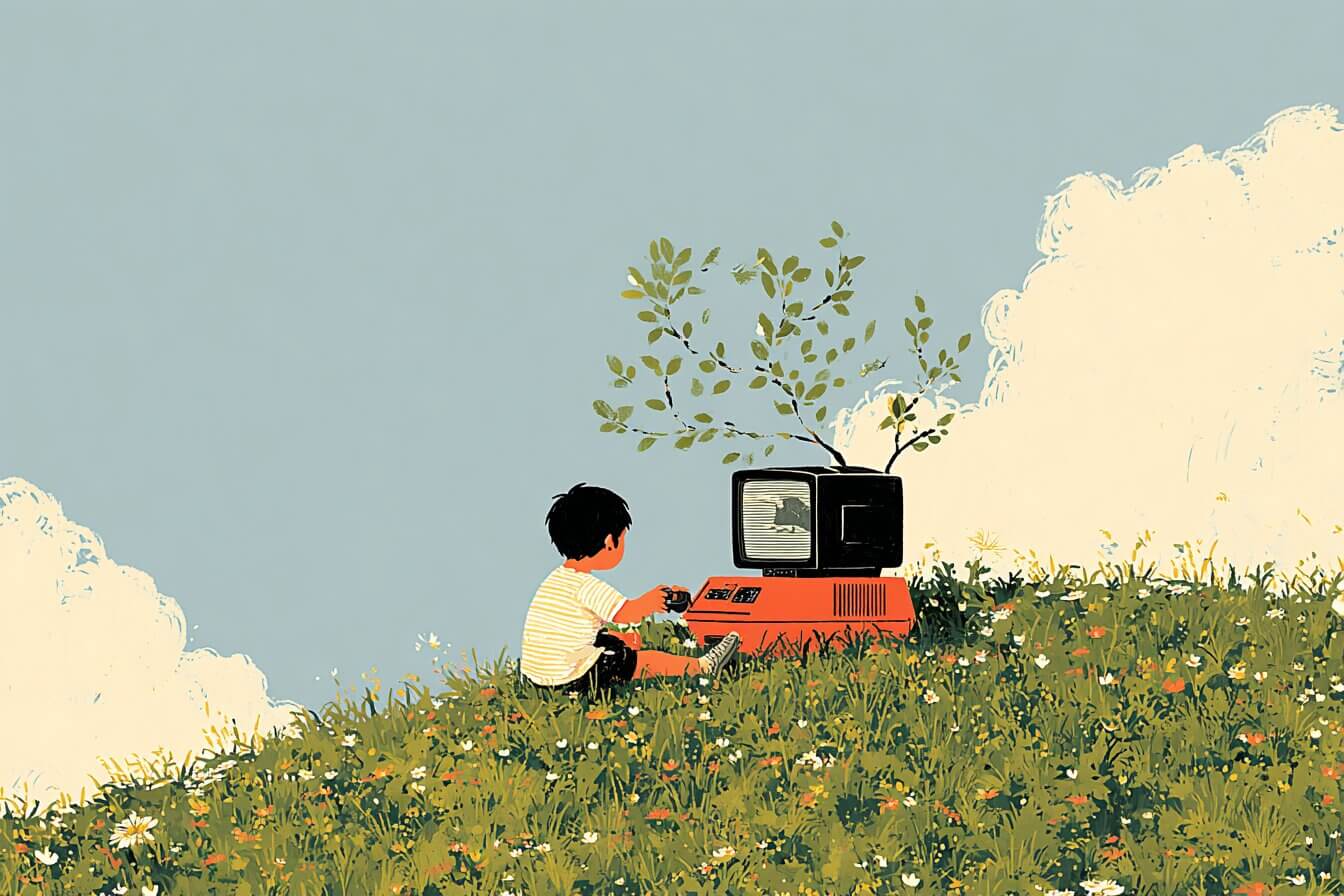
A tiny knight steps out of a game to guide real world quests in surprising ways. Short bedtime stories for teen boys end with a pixel feather that still glows.

Long Bedtime Stories For Teen Girls
A peppermint scented tunnel leads a teen into a candlelit gallery where paintings open into gentle quests. short Long bedtime stories for teen girls ends with keepsakes and a calm return home.

Funny Bedtime Stories For Teen Girls
Moonlight slips through a bedroom window as a teen and her cat trade bodies and bumble through breakfast. short Funny bedtime stories for teen girls brings cozy laughs and a gentle return to normal.
Funny Bedtime Stories For Teen Boys
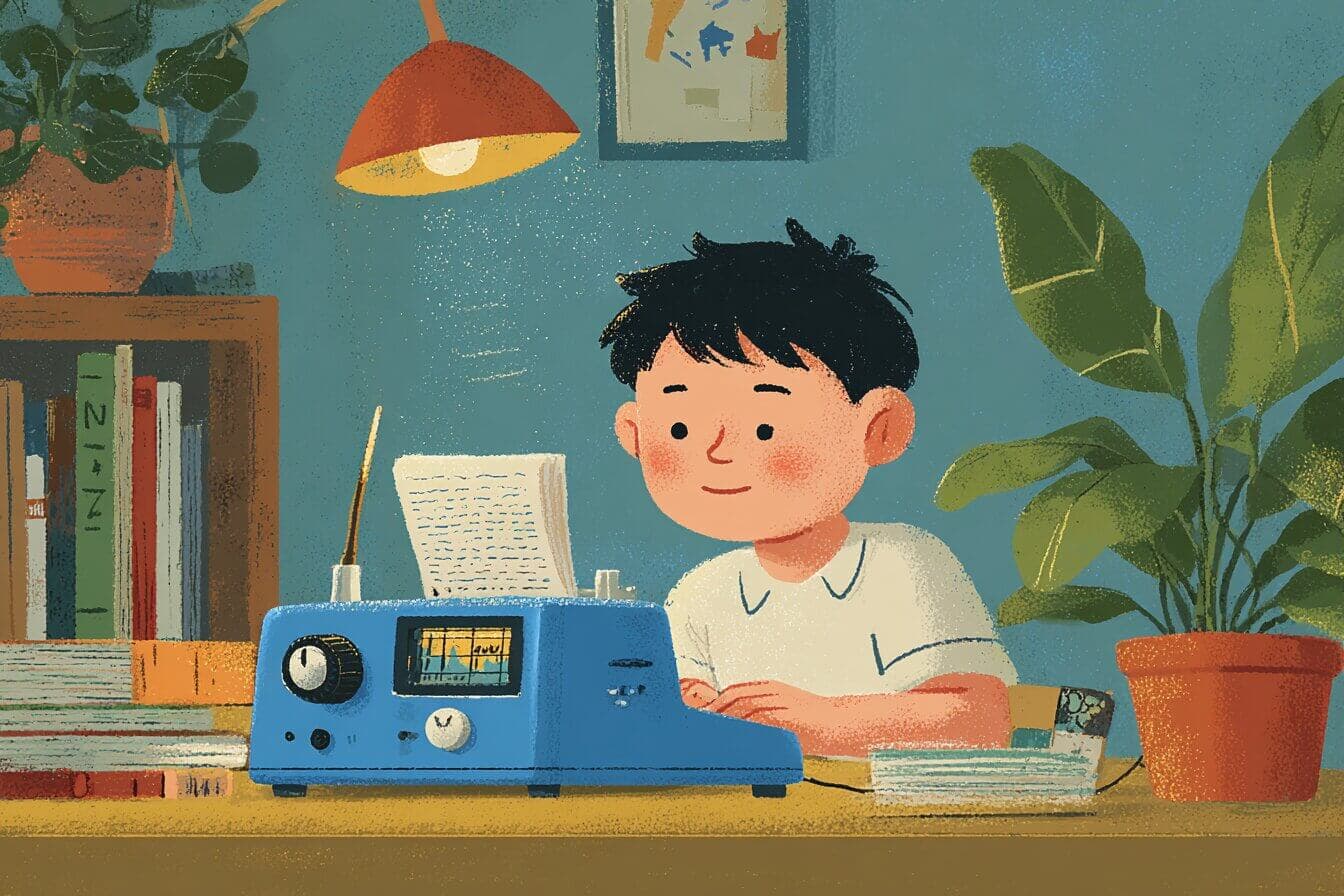
In a garage lit by a single lamp, a teen inventor hits print and gets melodramatic homework lines. short Funny bedtime stories for teen boys turns the mix up into cozy laughter.

Bedtime Stories For Teen Girls
Elara follows a self writing pen into a quiet sky of paper ships, finding courage and calm in short Bedtime stories for teen girls.