


There is something about citrus that belongs to warm evenings, the way the smell drifts sharp and clean and then softens into something almost sweet if you wait long enough. This story follows Marisol, a girl with a lemon tree, a wobbly cart, and a stubborn belief that she can make a whole town smile with one pitcher. It is one of our favorite lemonade bedtime stories because the problem is small, the fix is gentle, and the ending settles like sugar dissolving into water. If you want to spin your own version with different characters or flavors, you can build one in minutes with Sleepytale.
Why Lemonade Stories Work So Well at Bedtime
Lemonade carries a kind of built-in story arc that kids understand in their bones: something starts too sharp, something softens it, and the result is better than either part alone. That rhythm mirrors the way bedtime itself works, moving from the buzzing energy of the day toward something quieter and more settled. A bedtime story about lemonade gives children a sensory anchor too. They can almost taste the tartness, feel the gritty sugar, and hear the clink of ice, which pulls their attention gently inward instead of outward toward whatever is keeping them awake.
There is also a reassurance baked into any lemonade tale: things that seem too sour or too much right now can be fixed with a small, patient change. For kids who had a rough afternoon or feel unsure about tomorrow, that idea lands softly without needing to be spelled out. The whole world of pitchers and hand-painted signs and neighborhood lines feels cozy and unhurried, exactly the pace a child's mind needs before sleep.
The Sweetest Lesson 7 min 41 sec
7 min 41 sec
In the tiny town of Sunbeam Valley, a small lemon tree grew behind the playground, half hidden by the chain-link fence and a patch of clover nobody mowed.
Every spring it produced dozens of fruits, and every spring the children bit into them, made horrible faces, and let the lemons roll into the grass where the ants found them first.
"Too sour!" they said, every single year, like it was a tradition.
Among those children was Marisol, who was eight and already kept a notebook of recipes she had invented, most of them terrible. She loved to cook the way some kids love to run, not because she was good at it yet, but because she couldn't stop.
One April morning she stood in front of the tree with her hands on her hips and her brown curls sticking sideways from the wind.
"Maybe the lemons just need a friend," she said out loud, though she had no idea what that meant.
That afternoon she filled a basket with the fallen fruit. She squeezed a single drop onto her tongue. The zing traveled from the tip of her mouth all the way down to her heels, and she laughed so hard she dropped the basket.
She did not give up. Her grandmother used to say that every ingredient has a perfect partner, and Marisol believed her the way you believe someone who also taught you how to whistle with a blade of grass.
So she wheeled her toy cart to the corner of Maple Lane and Pine Street. She painted a sign that read "Sunbeam Surprise" in letters that slanted downhill because she ran out of room on the right side. Then she waited.
Mr. Lopez the postman was her first customer. He took a polite sip, shuddered, set the cup down very carefully, and said, "Bold choice."
Mrs. Kim the librarian came next. She patted Marisol's shoulder. "Keep trying, dear." She left the cup half full.
By sunset only three cups were gone. Marisol poured the leftover juice back into the pitcher, watching it slosh against the sides, and carried everything home.
That night the kitchen was quiet except for the hum of the refrigerator and the occasional tap of a moth against the window screen. Marisol sat under her firefly lamp and flipped through her grandmother's recipe cards. Honey cakes. Strawberry shortcake. Caramel popcorn. Nothing about lemonade.
But she noticed a pattern. Every sweet recipe leaned on the same helper: sugar.
She closed her eyes and pictured the grains falling into the lemon juice like tiny snowflakes into a pond. The image felt warm. She carried it straight into sleep.
Morning came with dew on the lemons and a plan in Marisol's head.
She borrowed a cup of sugar from the pantry, dumped it into the juice, and stirred. The spoon scraped the bottom of the pitcher, and then it didn't, because the grains had vanished. She tasted it. Her eyes went wide. She tasted it again, just to be sure, and then she spun in a circle because she couldn't think of what else to do with the feeling in her chest.
The sourness hadn't disappeared. It had changed shape, turned into brightness, the kind that makes you close your eyes and smile at the same time.
Word got out fast, the way it does in a town where everyone walks past the same corner. Kids came with pennies. Parents followed with dimes. A line stretched halfway down Maple Lane, and at the end of it, someone was already telling a stranger about the taste.
Marisol poured and poured. The pitcher never seemed to empty, which made no logical sense, but she was eight and not yet suspicious of good luck.
Even the mayor stopped by. He wiped his forehead with his sleeve and said it was the best thing he had tasted since his sister's wedding cake, which was a high compliment because he mentioned that cake at least twice a week.
By evening the basket was empty and the tree stood bare and dignified in the last of the light.
Marisol saved half her earnings in a glass jar she labeled "Dream Fund" in the same slanting handwriting from the sign. With the rest she bought seed packets: strawberry, mint, peach. She spread them on her bed and imagined the flavors mixing with lemon, each combination a small experiment she hadn't tried yet.
One evening, when the air was finally cool enough to sit outside without swatting anything, she leaned against the trunk of the lemon tree. The neighbors had hung paper lanterns from its branches to thank her for the summer. They glowed soft orange, and one of them was crooked, and somehow that made the whole thing prettier.
She raised a paper cup, tapped it against a low branch, and whispered, "To sweet friendships everywhere."
A firefly blinked near her ear, then another farther out. The leaves above her rustled, and she decided the tree was answering back.
After that summer, the children of Sunbeam Valley stopped making faces at the lemons. They picked them up carefully, like they knew what was inside. The pucker was still there, but now it came with a promise.
And whenever someone in town felt too sharp or too sour inside, too frustrated to talk about it, they would find their way to Marisol's corner and take a sip. Not because the lemonade was magic. Because the act of standing in a short line, holding a cup someone made for you, and tasting something that used to be a problem, that was enough.
Years later Marisol opened a café. Above the door she hung a sign: "Bring your tartest moments. We have plenty of sugar."
Travelers came, tasted her lemonade, and left lighter. Some of them said it was the best they'd ever had. Some of them said nothing at all and just sat there for a while, which Marisol liked even more.
She told the story of the lemon tree to every new customer, not because she had to, but because their faces always changed in the same way at the same part, right when the sugar disappears into the juice.
And whenever she poured a fresh glass, if the room was quiet enough, she could hear the crystals whisper against the bottom of the pitcher before they dissolved.
She always leaned in to listen.
The Quiet Lessons in This Lemonade Bedtime Story
This story is really about what happens when you try something and it goes wrong in front of people, and then you try again anyway. When Mr. Lopez shudders at Marisol's first cup and she pours the leftovers back into her pitcher instead of dumping them out, kids absorb a quiet truth: a bad result is not the same as a dead end. The story also explores how listening to people you love, even just a remembered phrase from a grandmother, can give you direction when you feel stuck. At bedtime, these ideas land gently because the stakes are small and the setting is safe. A child heading into sleep can hold the thought that tomorrow's attempt might taste completely different from today's, and that is a comforting thing to carry into the dark.
Tips for Reading This Story
Give Mr. Lopez a deep, overly polite voice when he says "Bold choice," and let Mrs. Kim sound genuinely kind but a little bit sorry. When Marisol spins in a circle after her first successful taste, pause and let your child react before you move on, because that moment usually gets a grin. In the final scene with the lanterns, slow your voice down and drop it just slightly so the whisper to the tree feels like a real secret between Marisol and the branches above her.
Frequently Asked Questions
What age is this story best for?
It works well for children ages 3 through 8. Younger listeners enjoy the sensory details like the zing on Marisol's tongue and the spinning celebration, while older kids connect with the frustration of her first failed batch and the satisfaction of figuring out the fix on her own. The vocabulary is simple enough to follow but not so simple that a second grader feels talked down to.
Is this story available as audio?
Yes. You can press play at the top of the story to hear it read aloud. The audio version brings out the rhythm of the neighborhood scenes especially well, from the quiet kitchen moment with the recipe cards to the growing energy of the line stretching down Maple Lane. Marisol's whispered toast to the lemon tree at the end sounds particularly cozy through a speaker in a dim room.
Why does the pitcher never seem to empty?
It is a gentle bit of story magic meant to show how generosity can feel limitless when you have found the right recipe. Marisol is not literally producing infinite lemonade. The detail captures the way kids experience abundance, where a good thing seems to keep going simply because everyone is happy. It also gives the story a soft, dreamlike quality that helps ease listeners toward sleep rather than leaving them counting cups.
Create Your Own Version
Sleepytale lets you build a personalized version of this story in just a few taps. You could swap sugar for honey, move the stand from Sunbeam Valley to a beach boardwalk, or turn Marisol into a shy cousin or a grandparent who remembers a similar tree from long ago. Change the tone from cheerful to dreamy, add a pet who keeps stealing lemons, or mix in a new flavor entirely. However you shape it, you will have a cozy tale ready for tonight.
Looking for more food bedtime stories?
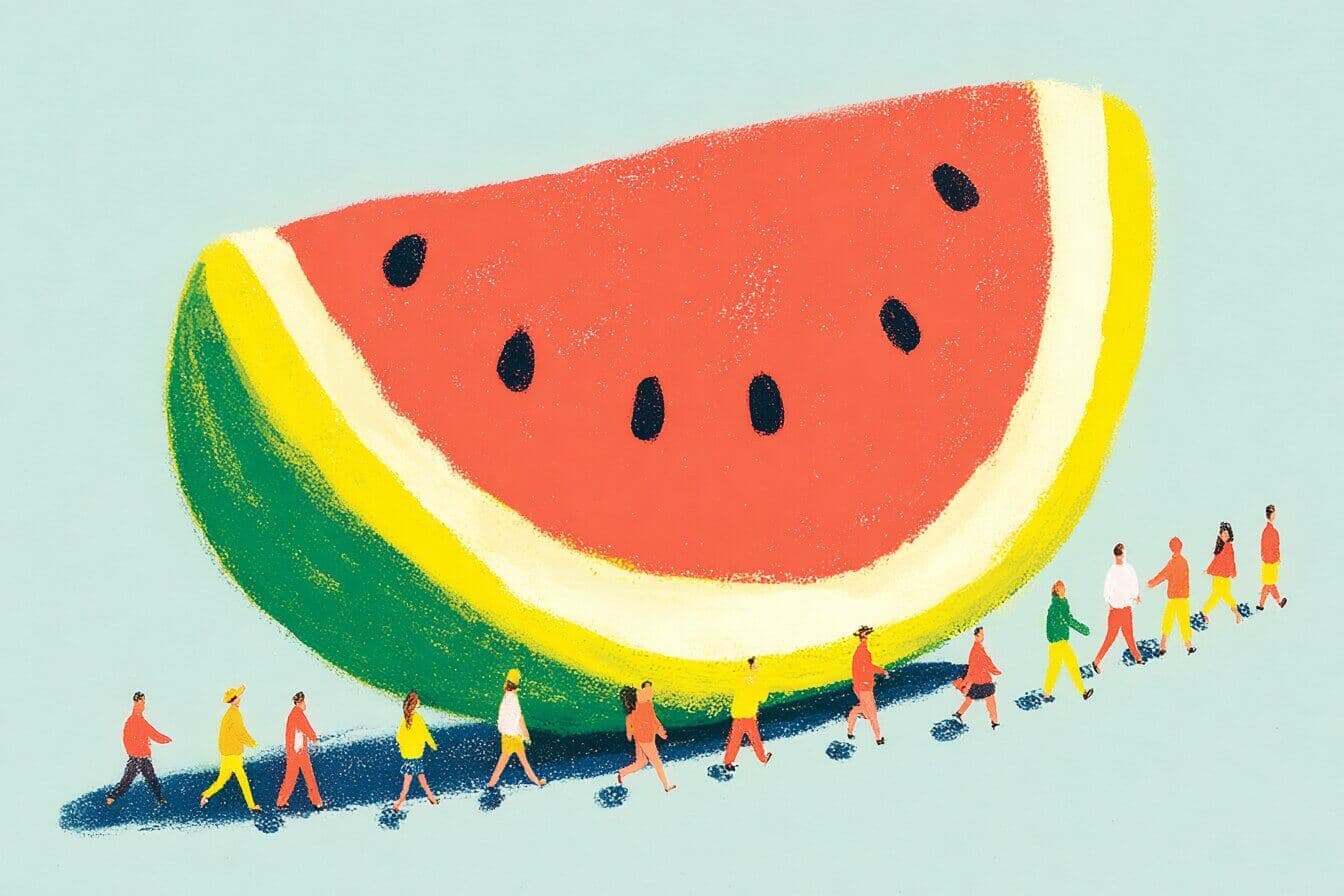
Watermelon Bedtime Stories
Drift into short watermelon bedtime stories where a giant melon rolls into town and kindness becomes the sweetest snack of all.
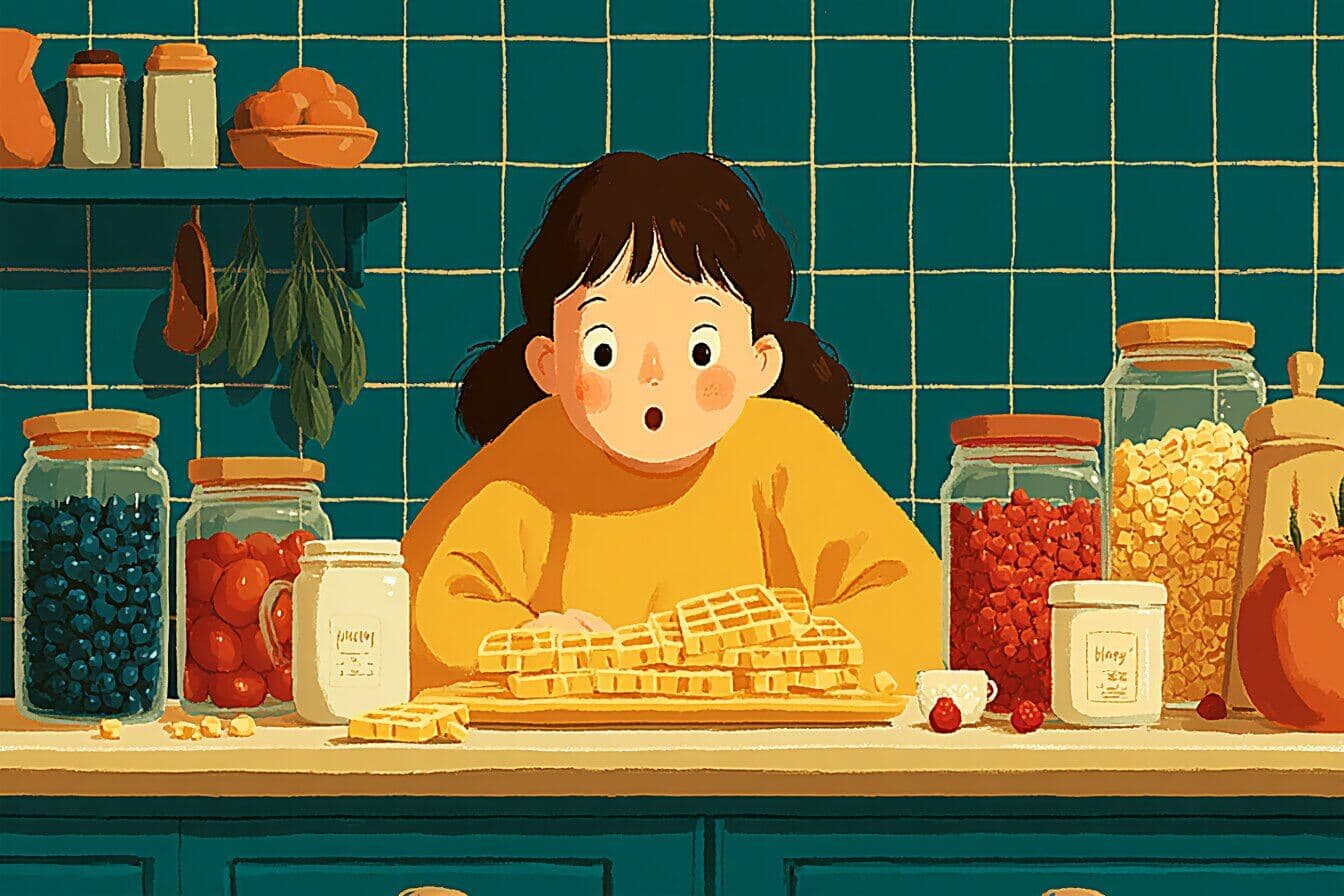
Waffle Bedtime Stories
Craving a sweet twist at lights out? short waffle bedtime stories turn one brave waffle pocket count into a cozy topping parade that ends in a sleepy, syrupy sigh.
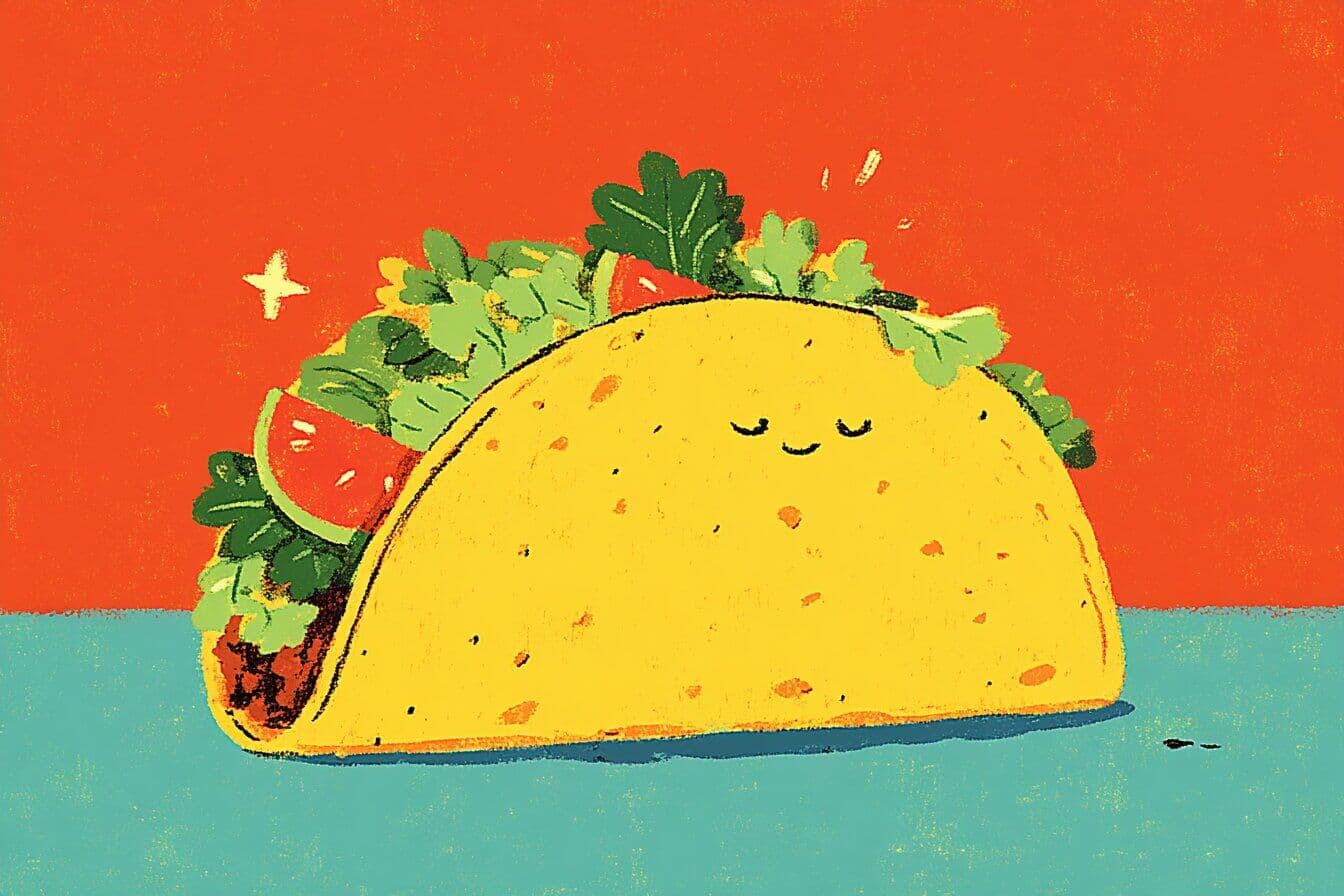
Taco Bedtime Stories
A picnic taco feels too full to wiggle, until a clever sharing plan turns tummy trouble into a tiny feast. Discover short taco bedtime stories that end in cozy calm.

Sushi Bedtime Stories
Settle in with soothing short sushi bedtime stories that calm busy minds with cozy kitchen magic. Read a gentle sushi bedtime story that helps kids drift off peacefully.
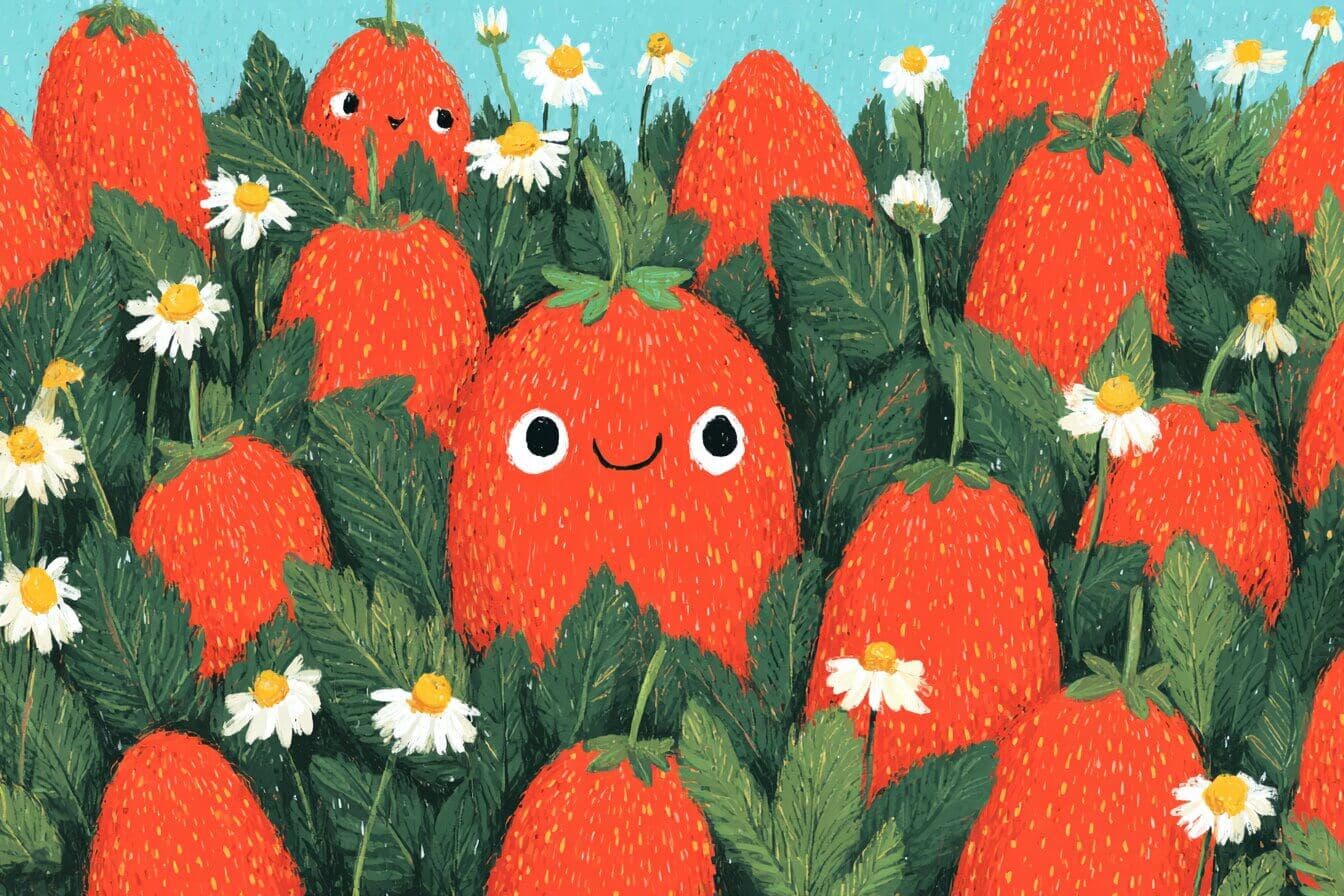
Strawberry Bedtime Stories
A garden hose breaks, and a ruby bright strawberry orders ants into a droplet brigade. Follow Stella the Sharing Strawberry in short strawberry bedtime stories with a cozy twist.

Spaghetti Bedtime Stories
A warm kitchen breeze nudges a spaghetti box, and three noodles discover friendship in a sunlit jar. Read short spaghetti bedtime stories for a calm, cozy wind down.