
Fox Bedtime Stories
By

Dennis Wang, Bedtime Story Expert
11 min 43 sec
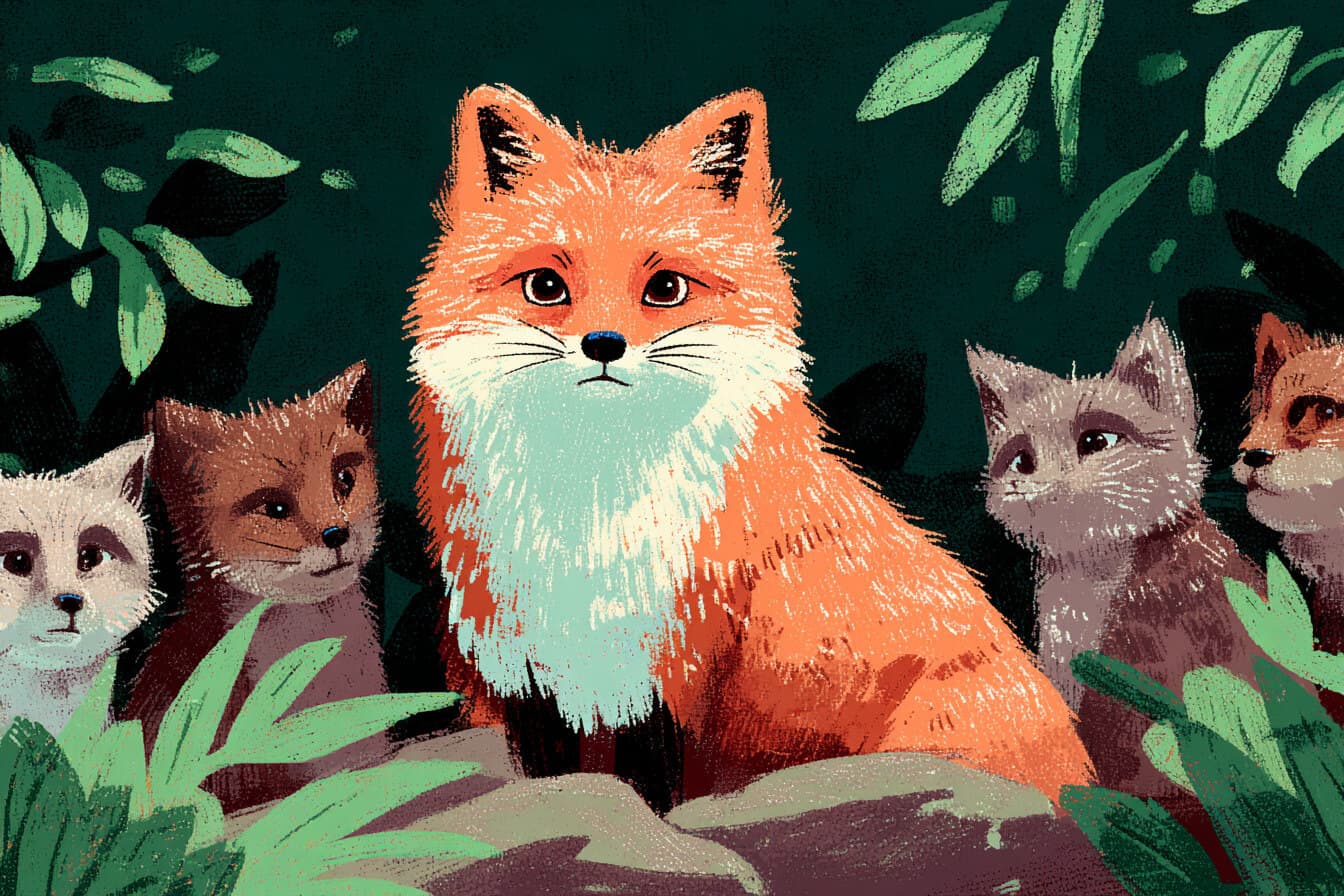
There is something about fog in the trees, the hush of it, the way it turns a familiar path into something new, that makes children lean in closer at bedtime. Tonight's story follows Fiona, a young fox whose bright red coat makes her feel like the loudest thing in a quiet world, until a morning fog gives her a reason to stop hiding. It is one of those fox bedtime stories that wraps courage inside something gentle enough for heavy eyelids. If your child would love a version with their own favorite details woven in, you can create one with Sleepytale.
Why Fox Stories Work So Well at Bedtime
Foxes live at the edges of things. They slip between field and forest, day and night, wild and familiar. That in-between quality makes fox stories feel just right for the drowsy hour when a child is letting go of the waking world. A fox character can be clever without being loud, brave without being brash, and that soft kind of heroism is exactly the register bedtime calls for.
There is also something about the way foxes move, careful and light, that mirrors the rhythm children need before sleep. A bedtime story about a fox padding through misty woods naturally encourages slower breathing and quieter thoughts. The forest setting does half the work, and the fox does the rest, guiding young listeners toward stillness without anyone having to say "calm down."
Fiona and the Color of Courage 11 min 43 sec
11 min 43 sec
In a quiet bend of the forest where dew collected like tiny stars on the grass, a family of foxes padded through silver ferns.
They were all grey. Soft as mist, their coats the color of early morning fog.
All except one.
Fiona had a coat as bright as autumn apples. When the sun slipped between the branches, she seemed to be wearing a small sunrise, and she loved the warmth of it, though she often curled her tail around herself when the family walked near the edge of the meadow. Her brothers and sisters could blend with stones, with bark, with dusk. Fiona shone.
Sometimes birds chirped hello to her when she passed. Sometimes her siblings sighed and said grey would be more useful on a day when hiding mattered.
Fiona did not want to hide.
She wanted to help, to explore, to show that a bright thing had a place in a quiet world. Still, when a breeze rustled the leaves and the family froze, she felt the eyes of her kin slip toward her fur. She tried to stand a little behind them, hoping to be small. It is not easy to be small when your color wants to be a flag.
One morning the forest woke to the song of the stream and the chiming of pebbles, and the family set out to gather berries for the Summer Sharing, a gentle festival where all the forest friends brought something they loved. Fiona trotted close to her mother and listened to the plan.
They would cross the fern path, pass the owl stump, and follow the smell of mint to the berry hill.
The berry hill sat in a patch of sunlight that made the fruit glow like tiny lanterns. The family usually visited at dawn so the birds and rabbits could enjoy the sweetest ones, and so the foxes could return with full baskets before the day grew warm.
Fiona carried a little woven pouch made from reeds. She had decorated it with a single red leaf, just because it made her smile. As they walked, her father spoke about listening for the hum of bees, since the bees always knew the most fragrant blooms. Her brothers raced ahead, their grey tails barely visible through the thistle heads. Fiona kept pace with her little sister, who was good at finding the path by scent.
The forest felt safe, like a big green room filled with soft sounds.
Then a low fog began to creep along the ground.
It thickened the way a cloud might if it decided to drift down and nap in the grass. Trees became tall shadows. Ferns turned into whispering shapes. Fiona blinked. Even her bright fur looked muted. The owl stump was just a darker blur somewhere to the left, or maybe the right. Hard to say.
Her mother called for everyone to stay close, and the family stopped to check their bearings. They could still hear the stream, but its song came from every direction at once, muffled and strange.
We will wait until the fog lifts, her father said. The young ones can sit with me and share a tale.
Fiona sat down and wrapped her tail around her paws.
The fog did not lift. It swirled and pressed and made the air smell like water and stone. From somewhere in the grey came a distant peep, the sound of a chipmunk who had lost the line of its burrow. Then a quiver of leaves hinted at a deer moving without seeing the path clearly.
Too many friends were walking in a world of blur.
Fiona stood.
Maybe we can make a guide, she said.
Her brothers shook their heads. Fog hides everything, one said. Grey is best for fog, another added, and both of them sounded very sure.
Fiona watched the pale air and thought about lanterns, about how light makes a path on a dark river. Her color was not light, but it was the closest bright thing she had. She remembered the way birds chirped hello to her as if her fur was a little sign that said, here I am, friend. She took the red leaf from her pouch and held it high.
The fog swallowed it.
She climbed a little rise and sat tall.
If I climb the berry hill, you will lose me, said her little sister. But you, Fiona. You are a spark.
Fiona breathed out slowly. Then she smiled.
She asked her mother if she could walk a few careful steps to the big rock by the path. Her mother touched her shoulder with a gentle paw. Only if you stay where we can hear you, her mother said. There was worry in her voice, but something else too, something that sounded like trust still deciding whether to open the door.
Fiona placed her red leaf back on her pouch, lifted her chin, and hopped onto the big rock. The surface was damp. Her paws felt cool, and she could see the little scratches where squirrels had sharpened their claws in drier weather. She looked down and saw her family as shapes, like wisps of smoke. Above her, the fog swirled thinner where the air moved a little more.
A moth brushed past her ear, close enough that she felt the breeze of its wings.
Fiona thought about color as a voice that does not use words. She thought about the friends in the forest who needed a place to walk toward. Then she began to do something she had never tried.
She moved.
She climbed onto a taller stump next to the rock and stretched her body long, waving her tail gently side to side like a slow flag. The red of her fur caught what little light there was and held it. A robin trilled in surprise. Fiona kept moving, a careful, calm rhythm, so that her color made a small beacon that did not flash but glowed with motion.
Her brothers and sisters watched, their eyes wide.
Her father called out, Fiona, we can see you better than the rock.
A pair of rabbits appeared, noses twitching, and paused when they saw the warm color pulsing through the grey. Fiona called, This way is safe. She spoke softly because fog carries voices strangely, but her tail and her fur spoke more clearly than any words could.
The chipmunk skittered along a log and reached the stump, thanking Fiona with a tiny squeak that was half relief and half embarrassment at having been so lost. A turtle, slow and steady, used her glow of color to veer away from a muddy dip she could not see. Even the bees paused, their hum surrounding the stump like a contented cloud.
Fiona began to add a song, not loud, just a little tune about sun on leaves and dew on grass. The song kept the rhythm of her gentle waving.
In the distance, a bleat rose.
The deer family was trying to find the meadow where the fog thinned. Fiona took a deep breath and hopped from the stump to a low branch whose leaves let more light through. She became a small banner in the air, and the deer moved toward her. One of the fawns kept stopping to sneeze, which slowed everything down, but nobody minded.
Her mother looked up at Fiona with a softness in her eyes that was new.
When the deer reached safer ground, they dipped their heads. Fiona felt something warm settle in her chest, the kind of feeling that does not shout. It just sits there, steady, like a candle on a winter night.
Her brothers shuffled their paws and looked at each other but said nothing, which was its own kind of apology.
Then a stronger breeze wandered into the grove. It pushed at the fog, nudging it like a sleepy blanket. Patches of blue sky showed between the leaves. The air turned clear enough for the family to see the berry hill, and it looked like a bowl of rubies poured on the green.
They walked together, and this time Fiona did not hide behind anybody. Her siblings asked her to walk in the lead, because other friends were still near and might need help. She went gladly, her red fur like a kind torch.
On the hill, the berries tasted like sunshine. Fiona bit into one and the juice ran down her chin, and she laughed because it looked like she had an extra red stripe. The family shared with the rabbits, the chipmunk, the bees, and the deer who liked to be near even though they did not eat the fruit.
When the baskets were full, the family returned to the clearing for the Summer Sharing.
The clearing was bright with others who had gathered apples, herbs, and tiny flowers. In the center stood a table made from an old tree that had fallen long ago, smooth and kind. Each friend placed their gifts there, and each gift made the table more colorful. Fiona placed her pouch with a few red berries that looked exactly like her fur.
Her father spoke to the circle. Today we learned that every color has a moment, he said. Grey can be safe, but bright can be safe too, when it gives others a way to find each other.
Fiona bowed her head, shy and happy at the same time.
Her mother wrapped her tail around Fiona and whispered, Your color is a superpower. The kind that helps hearts remember where to go.
Fiona watched the bees dance above the bowl of berries, spelling out a pattern that looked like a thank you. She watched her siblings weave little reed rings and place them on her paws as bracelets. One ring had a single red thread woven through it, something they must have found near the path and saved. It glowed softly against her fur.
As night drew close, fireflies woke and blinked in the shadowy grass, each tiny light a dot on an invisible map.
Fiona walked home with her family under a sky stirring with stars. She carried the memories of the day like warm stones in a pocket. Her brothers asked her to teach them the slow waving motion she used on the stump, so that their grey could move with a message too. She agreed, because color is not only color. It is shape, and kindness, and music shared through the air.
At the den, her grandmother waited with tea made from mint and honey. She listened to the story and added a quiet thought of her own.
Long ago, she said, the first foxes wore all sorts of coats. Some were bright like sunsets, and some were dark like new soil. Forests change and families change, but every shade is a promise. If you carry it with care, you carry a path for others.
Fiona nodded. She felt sleep drifting toward her.
She curled in her nest, and this time she did not tuck her tail to hide the red. She laid it proudly on her paws so that the last light in the den could find it and rest there.
In the morning she would go to the stream and teach the tadpoles a song about currents. In the afternoon she would help the rabbits mark safe crossings with fallen petals. She did not know what the next fog would bring, or what kind of day would need a little glow.
But she knew something.
A bright thing belongs right where it is, the way a berry belongs in a bowl, and a star belongs in the sky. Her family knew it too. And when the sun rose and her red fur lit up like a small dawn, they smiled, because the forest was fuller with her in it.
The Quiet Lessons in This Fox Bedtime Story
This story holds a few ideas close without ever spelling them out too loudly. The biggest is self-acceptance: Fiona spends the early scenes trying to shrink behind her family, and the fog gives her a reason to stop apologizing for who she already is. When her brothers shuffle their paws in silence instead of saying sorry, children absorb the idea that people can change their minds without a grand speech. There is also patience woven through, in the way Fiona waits on the rock, waves her tail in a calm rhythm, and never rushes the lost animals toward her. Those are reassuring ideas to carry into sleep, the feeling that you do not have to fix everything at once, and that the qualities that make you feel different might be exactly what someone else needs.
Tips for Reading This Story
Give the fog scenes a slower, quieter pace, and let your voice drop almost to a whisper when Fiona first climbs the rock and feels the damp surface under her paws. For her brothers, try a slightly know-it-all tone when they say "Grey is best for fog," and let Fiona's little sister sound genuinely impressed when she calls Fiona a spark. When the fawn keeps stopping to sneeze on the way to safety, pause and let your child giggle before moving on.
Frequently Asked Questions
What age is this story best for?
It works well for children ages 3 to 7. Younger listeners enjoy the sensory details, like the fog rolling in and Fiona waving her bright tail, while older kids connect with the feeling of being different from everyone around them. The plot is simple enough to follow even if a child drifts off partway through.
Is this story available as audio?
Yes. You can press play at the top of the story to listen. The audio version brings out the contrast between the hushed fog scenes and the warmer berry hill moments, and Fiona's little song about sun on leaves sounds especially lovely read aloud. It is a great option for nights when you want to close your eyes alongside your child.
Why is Fiona red when the rest of her family is grey?
The story uses Fiona's red coat as a way to explore what it feels like to stand out in a group that looks different from you. Her color is not explained by genetics or magic; it simply is, which mirrors how young children experience their own differences. By the end, her family sees her brightness as something that belongs rather than something that needs fixing.
Create Your Own Version
Sleepytale lets you build a personalized bedtime story with the same cozy forest feel and gentle pacing. You could swap Fiona's misty woods for a snowy mountainside, change her red coat to golden spots, or add a best friend like a hedgehog or an owl who helps her along the way. In just a few moments you will have a story shaped around the details your child loves most, ready to read or listen to tonight.
Looking for more animal bedtime stories?
Polar Bear Bedtime Stories
A shimmering palace appears the sea ice, and a small wish turns into shared laughter. Drift into short polar bear bedtime stories with a bright, gentle twist.
Bear Bedtime Stories
Drift off with short bear bedtime stories that feel warm and soothing, plus a simple way to create your own cozy version in Sleepytale.
Tropical Fish Bedtime Stories
Sunlight paints golden paths across a coral reef as a brave little fish leads a pattern parade. Drift into short tropical fish bedtime stories with gentle pride and calm sea sounds.
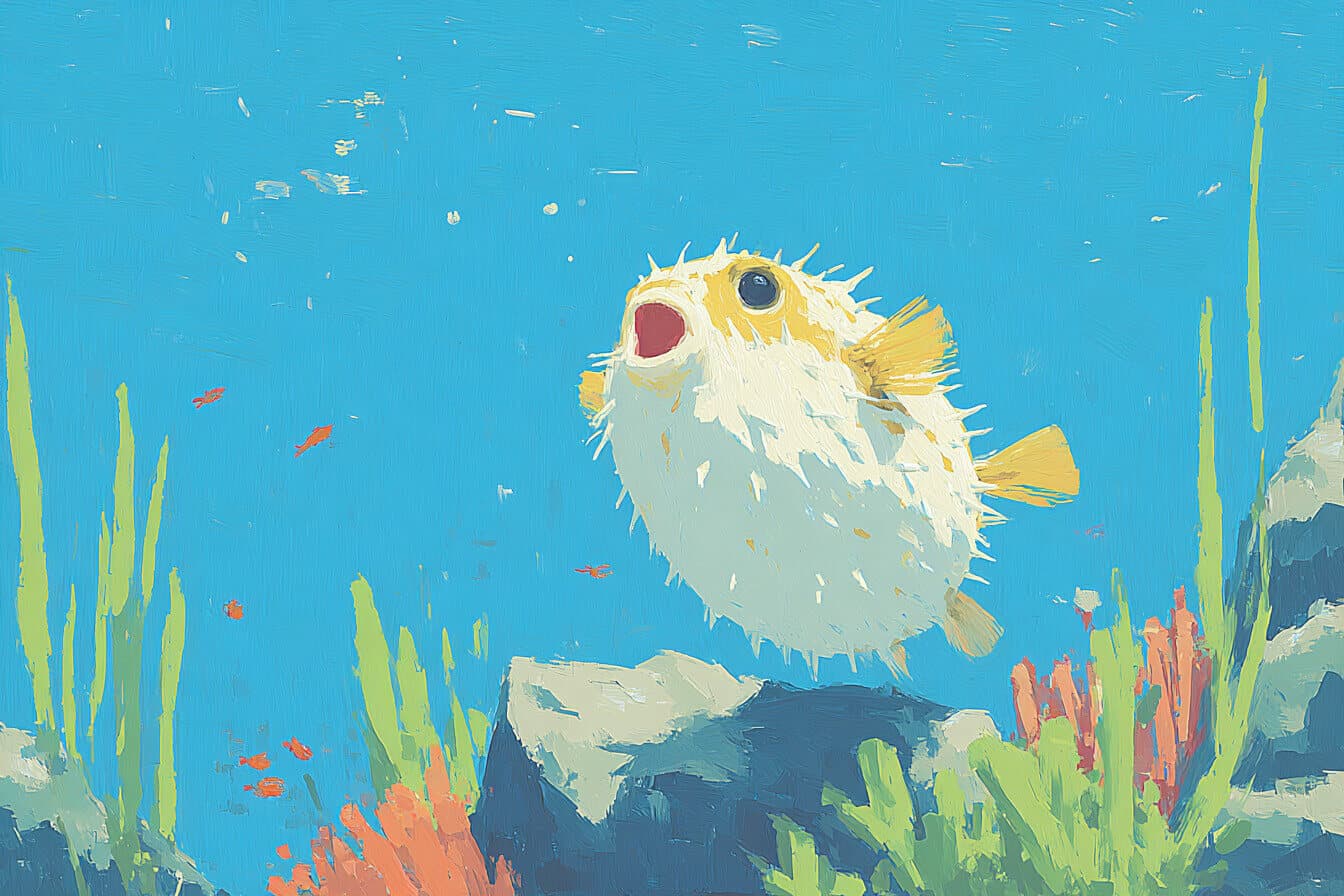
Pufferfish Bedtime Stories
Drift under turquoise waves with short pufferfish bedtime stories where a jumpy little fish turns surprise bounces into a brave stage dance. A conch charm makes the twist feel tender.
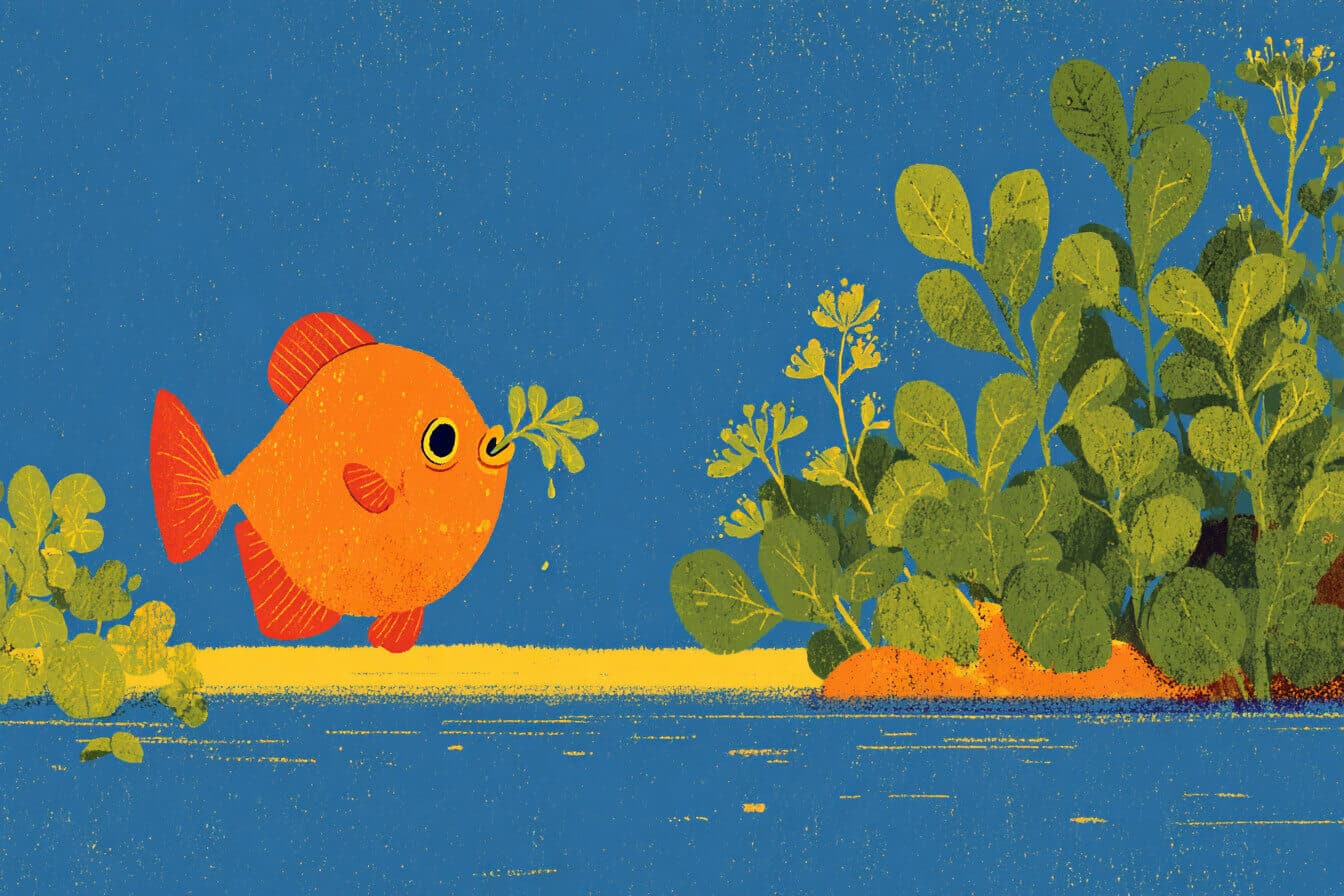
Piranha Bedtime Stories
Drift into the Amazon with short piranha bedtime stories where a toothy fish hosts a leafy picnic and wins hearts one crunch at a time.

Pigeon Bedtime Stories
Ease into comfort as Pablo delivers tiny folded notes tied with a sky blue ribbon to lift lonely hearts. Settle in with short pigeon bedtime stories that bring warmth, hope, and easy sleep.