

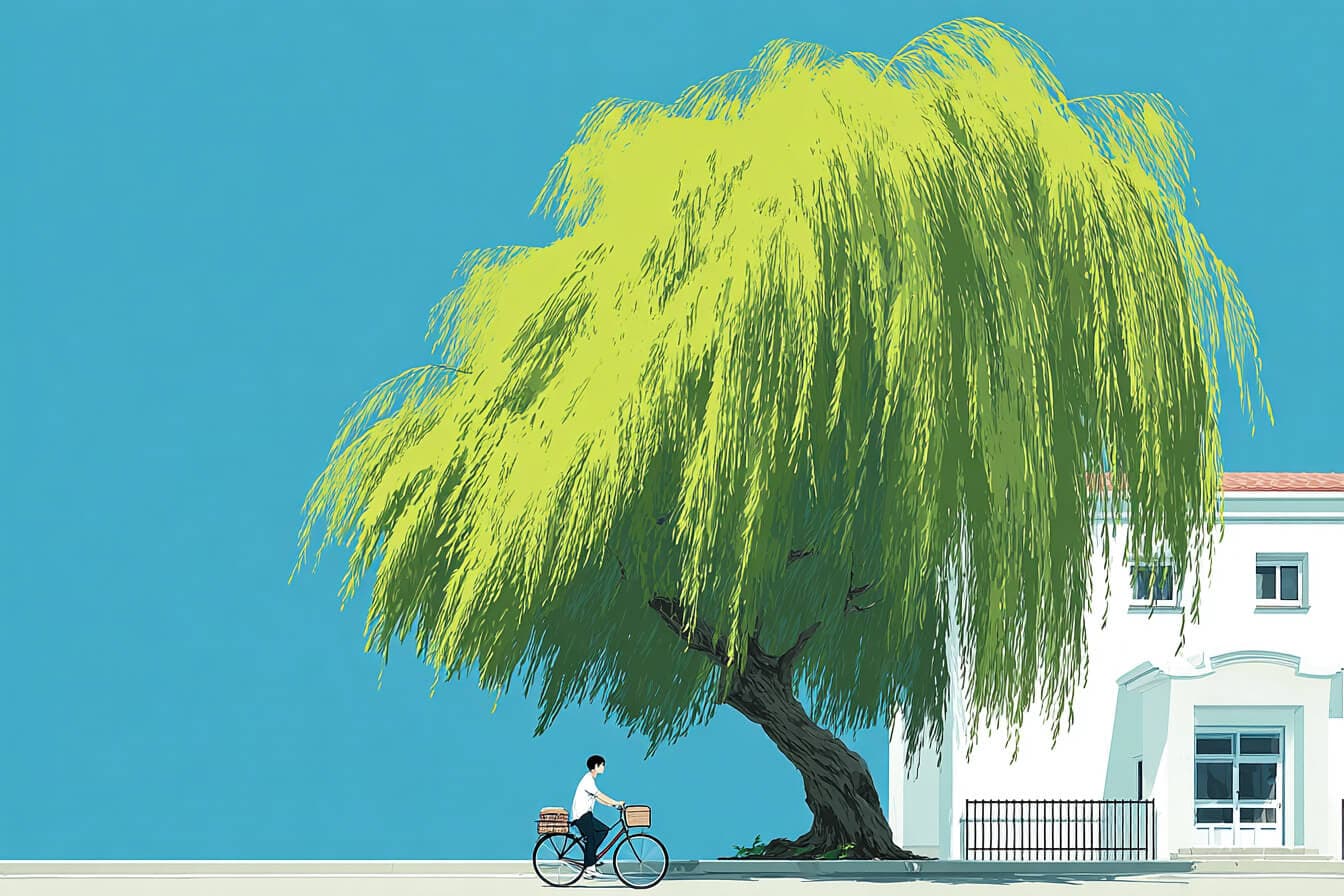
There is something about the smell of apples and the weight of a blanket that makes children want to hear the same story again and again. This gentle tale follows a boy named Sam who visits the same apple tree through every season, turning small thank yous into a lifelong friendship with the natural world. It is the kind of story that belongs among the most famous bedtime stories, the ones that feel simple enough to memorize yet carry feelings a child keeps discovering as they grow. If you want to create your own version with a tree, a park, or a place your family loves, try building one with Sleepytale.
Why Famous Stories Work So Well at Bedtime
The stories that endure across generations tend to share a few quiet qualities: repetition, warmth, and a sense that the world is trustworthy. Children at bedtime are not looking for plot twists. They are looking for the feeling that tomorrow will come and it will be fine. A story that follows the same character returning to the same place, season after season, mirrors the rituals kids already rely on, brushing teeth, choosing a stuffed animal, hearing a familiar voice in the dark.
That is why a bedtime story about something famous and well loved can become its own anchor. When a child knows how the rhythm goes, their breathing slows to match it. The predictability is not boring; it is the whole point. Stories like these give kids a safe container for big feelings, gratitude, loneliness, the passage of time, without ever raising their heart rate right before sleep.
The Thankful Tree 7 min 16 sec
7 min 16 sec
On the bright edge of a little town, a young apple tree grew beside a stream that never quite stopped talking to itself.
In spring her branches wore pale pink blossoms. They came loose in the wind and drifted down slowly, catching on sleeves and shoelaces and the surface of the water.
Children from the town played in the meadow most afternoons, but one child came more than all the rest.
His name was Sam.
He treated the tree the way some people treat a best friend's front porch, like it belonged to him even though it didn't.
He tucked painted pebbles among her roots, suns and spirals and one lopsided face he insisted was a self-portrait.
He leaned against her trunk and hummed songs he made up as he went, pointing at clouds. "That one's a whale. No, wait. A whale wearing a hat."
The tree could not speak, but every time Sam arrived her leaves rustled in a way that sounded, if you were really listening, like someone shifting over to make room.
When summer ripened into fall the apples grew fat and sweet, glowing red against leaves that were just starting to think about turning.
Sam climbed carefully, whispering thanks before he twisted each fruit free.
"These will make the best pies," he said one evening, and patted the rough bark the way you pat a dog who has done something clever.
The tree shivered. A swirl of golden leaves came down all at once, and Sam laughed so hard he had to sit on the ground.
Winter came on cold feet.
Most children stayed indoors, but Sam trudged through the snow with a wool scarf wrapped twice around his neck and his boots making that particular crunch that only very cold snow makes.
He built a little wall of packed snow around the base of the trunk, tamping it down with his mittens. Then he unwound his own extra scarf and wrapped it around the bark.
"Sleep well," he said. "I will see you when it is warm again."
The tree stood bare against a gray sky, holding those words somewhere deep in her rings.
Snow pressed on her branches. But she did not feel alone, because she knew one boy in the town was already drawing pictures of next spring on the back of his math homework.
When the thaw came and the first grass pushed through mud, Sam hurried back.
This time he carried a small wooden bench he had sanded himself. You could still see a thumbprint in the varnish where he had checked too early to see if it was dry.
He set it under her widest branch, sat down, and opened a picture book.
He read every page aloud, turning the drawings toward the trunk as if the tree could see. Maybe she could. The birds perched overhead seemed to think so. They tilted their heads and did not fly away until the last page.
On hot days Sam brought lemonade in a glass jar and pressed its cool side against the bark for a moment before drinking.
He described cloud shapes, castles and ships and one that looked, he said, exactly like his teacher's hairdo.
The tree felt the weight of him on the bench, the warmth of his back when he leaned in, and it filled her with the kind of contentment that does not need a name.
One afternoon after a strong storm, Sam found a low branch split and hanging.
His breath caught.
He ran home, came back with soft cloth and twine, and tied the limb carefully so it could heal.
"There," he said quietly. "You took care of me all summer. Now it is my turn."
Years went by. Sam's legs grew longer, his voice dropped, and he started showing up sometimes with friends who spread blankets and shared pie under the shade. But the habit never changed. Every visit, he ran a hand along the trunk and said something grateful, for the shade, or the fruit, or just the feeling of having somewhere to go when his thoughts needed room to stretch.
One spring he arrived carrying a small sapling in a clay pot.
"This came from your seeds," he told the older tree, holding it up as if introducing two relatives.
He dug a hole close to the stream and tucked the sapling in, arranging stones around its base the way he had done years ago for his first friend.
"Now you have someone beside you when I cannot be here."
The apple tree stretched her branches over the young tree, sheltering it in dappled light.
Sam split his stories between them, reading aloud to both, watering their roots from the same tin cup. One summer he noticed the sapling had grown taller than his waist, and he stood there for a long time without saying anything at all.
Season after season the meadow became the kind of place where thank yous were as common as dandelions.
One breezy afternoon Sam came with a small wooden plaque and fixed it to the bench.
He stepped back so both trunks could see the words, or at least that is how he thought of it.
"To my friend who gives and gives," it read. "May everyone who rests here remember to be grateful."
After that, visitors paused before leaving, whispering their own thanks to no one in particular.
Children began tucking painted stones beside Sam's originals, some of them very good and some of them gloriously terrible.
Parents sat on the bench after long days and leaned back until the rustle of leaves loosened something in their shoulders.
Birds and squirrels built nests in the branches, small homes inside a larger feeling of safety.
The tree realized that Sam's gratitude had grown outward, like roots, reaching strangers and sparrows and every small creature that wandered through.
Many summers later, when Sam's hair had silver at the edges, he returned with a camera.
He took pictures in blossom, in shade, in autumn fire, and in the soft white coat of winter.
He put the photographs in an album titled "The Thankful Tree" and left blank pages at the back.
Sitting on the bench, he leaned against the old trunk and whispered, "Thank you. You helped me grow too."
The branches swayed and scattered a handful of leaves onto his shoulder.
In the hush before evening, as the sun slid behind the town roofs, the meadow felt completely still. Not empty. Full.
Sam walked home with apple fragrance in his jacket and a warm ache in his chest that was not sadness, only the particular fullness that comes from loving something for a very long time.
The tree watched him go, roots deep, heartwood calm, knowing that one boy's quiet habit had turned an ordinary apple tree into something people carried with them long after they left the meadow behind.
The Quiet Lessons in This Famous Bedtime Story
This story carries themes of gratitude, consistency, and care for things that cannot ask for help. When Sam wraps his scarf around the trunk in winter, children absorb the idea that kindness does not require an audience or a thank you in return. His willingness to bandage a broken branch shows that noticing someone else's hurt, and doing what you can about it, matters more than doing something grand. These are lessons that settle well at bedtime, because they leave a child feeling that small, steady goodness is enough, and that tomorrow is another chance to practice it.
Tips for Reading This Story
Try giving Sam a warm, slightly breathless voice when he talks to the tree, as if he is sharing a secret with someone who already knows it. When you reach the storm scene where the branch splits, slow down and let silence sit for a beat before Sam runs home for the cloth and twine. At the very end, when the leaves fall onto Sam's shoulder, brush your child's shoulder lightly so they feel the moment land.
Frequently Asked Questions
What age is this story best for?
This story works well for children ages 3 to 8. Younger listeners are drawn to the seasonal rhythm and Sam's painted pebbles, while older kids connect with the idea of watching something grow over many years and understanding that small acts of care add up.
Is this story available as audio?
Yes. You can press play at the top of the story to listen. The audio version brings out the seasonal pacing beautifully, and Sam's quiet conversations with the tree feel especially alive when spoken aloud. The moment where golden leaves shower down after he picks the apples is one of those scenes that sounds even better than it reads.
Why does Sam talk to a tree?
Talking to trees, pets, and favorite objects is completely natural for children, and adults too. Sam's conversations with the apple tree are his way of practicing gratitude out loud. It gives him a place to slow down and notice what is good, which is something the story suggests anyone can do with whatever familiar, rooted thing they love.
Create Your Own Version
Sleepytale lets you build a bedtime story around your child's own favorite tree, park, or quiet spot, complete with their name, their details, and the tone you want. Swap Sam for your child, change the apple tree to a backyard oak or a garden full of sunflowers, and adjust the pacing from cozy to adventurous. Save it, listen with audio narration, or share it with someone who could use a calm, familiar way to end the day.
Looking for more bedtime story classics?

Once Upon A Time Stories
What happens when June opens a golden book with no title? One of the sweetest short once upon a time stories about a forest, a hedgehog, and a blank page.

Fairy Tales Written By Hans Christian Andersen
Anders discovers short fairy tales written by Hans Christian Andersen as his grandmother reads from a soft brown book by lamplight.

Bluebeard Fairy Tale
In this short bluebeard fairy tale, the forbidden room holds not horror but a music box and memories of the people Lord Corvus loved most.

Red Shoes Fairy Tale
What happens when Karen's magical red shoes refuse to stop dancing? Discover this short red shoes fairy tale tonight.
Twinkle Twinkle Little Star Bedtime Story
Lily watches a kind star and floats up to help deliver dreams in this short twinkle twinkle little star bedtime story. A warm, quiet tale for sleepy nights.
Through The Looking Glass Bedtime Story
Step into a calm, magical short through the looking glass bedtime story and drift toward sleep with gentle wonder. Enjoy a soothing retelling that feels cozy from start to finish.