
Black Beauty Bedtime Story
By

Dennis Wang, Bedtime Story Expert
7 min 12 sec
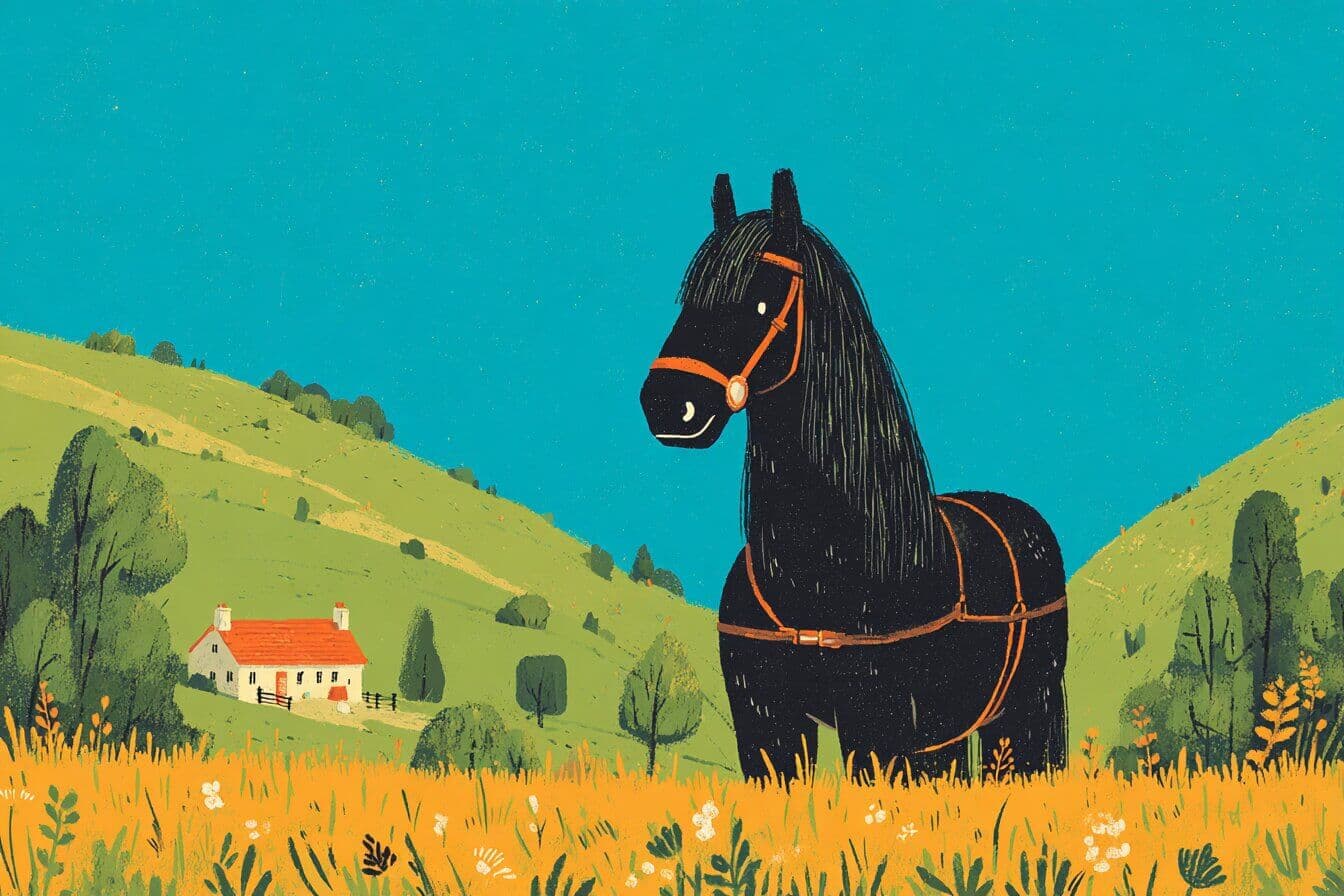
There is something about the smell of hay and the low rhythm of hoofbeats that settles a child's mind right before sleep. This tale follows Midnight, a glossy black horse with a moon-shaped star on his forehead, through meadow freedom, cobblestone hardship, and the quiet kindness of a girl named Lily who changes everything. It is one of those Black Beauty bedtime story retellings that stays gentle enough for heavy eyelids but honest enough to feel real. If you would like a version shaped around your child's favorite details, you can create one with Sleepytale.
Why Black Beauty Stories Work So Well at Bedtime
Horses carry a kind of calm that children pick up on instinctively. The steady clip of hooves, the warmth of a muzzle against an open palm, the way a horse breathes slow and deep; these images settle into a child's body the same way a rocking chair does. A bedtime story about Black Beauty taps into that natural rhythm, giving kids a heartbeat to follow as they wind down.
There is also something powerful about seeing the world through an animal's eyes at night. Children who feel small in their own day suddenly understand a creature who is large and strong yet still vulnerable, still in need of gentleness. That shift in perspective helps kids process their own feelings of helplessness or change, and it reassures them that patience and compassion always find their way back around.
Midnight's Gift of Kindness 7 min 12 sec
7 min 12 sec
My name is Midnight, and I am a glossy black horse with a star shaped like a moon on my forehead.
When I was a foal, I lived in a wide green meadow where buttercups nodded and the breeze carried songs of larks.
Mother told me that horses were born to run free and to share gentle hearts with the world.
I galloped through sunlit mornings, leaping over streams that flashed white where they hit the rocks, and I learned the sweet taste of clover before I learned much of anything else.
Those first months felt endless.
Every sunset painted the sky in peach and rose, and I would rest beside Mother, feeling her steady breath rock me to sleep the way a boat rocks on still water.
I believed the meadow would last forever, but seasons turn like pages in a picture book.
One crisp autumn day, a kind-faced man arrived leading a rope. He spoke softly, stroking my neck, yet I trembled as Mother nickered goodbye. The gate closed behind me, and the meadow's green faded into something I could only carry inside.
I soon learned that life can change faster than a hawk's shadow.
My new home was a snug stable near a bustling town. The man, Mr. Gray, groomed my coat until it shone like spilled ink under starlight. He taught me to wear a bridle and to walk calmly beside him, and I pulled a small cart of vegetables to market while children patted my shoulder and offered crusts of bread that were always a little stale but I never minded.
I liked the rhythm of hoofbeats on cobblestones and the friendly greetings of neighbors. Each evening, Mr. Gray gave me crunchy carrots and whispered that I was a good horse. Though I missed the meadow, kindness still bloomed around me, and I tried to give it back with patient snorts and careful steps.
Years passed.
I grew strong, though I sometimes dreamed of buttercups waving under an open sky. One winter, Mr. Gray grew quiet and pale. He leaned on my stall door, coughing, and his hands shook as he fastened my halter. The vet arrived, speaking in hushed tones, and soon a new man with a stern voice took me away.
I entered a noisy stable where many horses stood with tired eyes. My new job was pulling a heavy cab through crowded streets from dawn until long after dark. The harness rubbed my shoulders raw. The cobblestones jarred my knees. Drivers shouted and cracked whips, and passengers rarely looked at me at all, which was somehow worse than if they had frowned.
Each night, I munched thin hay and listened to city sounds, the clatter of carts, the bark of dogs three streets away, the drip of a gutter that never quite stopped. I longed for the meadow's gentle hush, but I tried to be brave, remembering Mother's words.
One rainy afternoon, a small girl named Lily waited beneath an umbrella while her mother climbed into the cab.
Lily stayed outside, looking up at me. She reached into her pocket and produced a sugar cube, placing it on my outstretched tongue. It dissolved in a warm rush, half sweetness, half surprise. Her eyes were the color of spring leaves, and she whispered that I was beautiful.
That tiny kindness felt like sunshine on my damp coat. I carried her family through puddles, lifting my hooves high so spray would not splash her shoes. When they left, Lily waved, and her smile lingered in my mind like a star refusing to fade.
I began to watch for her every week. She often brought me apple slices, the tart kind that made my lips pucker, or she simply stroked my nose and told me about her school day as if I were the only one listening. I was.
Her gentle touch reminded me that compassion can bloom even in noisy, exhaust-smelling streets.
One evening, the driver grew impatient when I hesitated at a pothole. He raised his whip, but Lily's mother happened to be passing by. She stepped between us and told the driver, in a voice so calm it somehow carried more weight than any shout, that cruelty is never necessary. The driver lowered his arm. He muttered something, but he did not raise the whip again that night.
I carried the memory of Lily and her mother like a lantern inside me, guiding my steps through exhausting days.
Spring returned. Cherry blossoms drifted like pink snow across the park.
I was pulling the cab near the iron gate when I heard a familiar giggle. Lily ran toward me, holding a bright yellow dandelion. She pressed the flower into my bridle strap and said she had a surprise. Her mother explained that they had spoken to the city council about kindness toward working animals. They arranged for drivers to receive lessons on gentle treatment, and for horses to have scheduled rest days.
I nuzzled Lily's shoulder. Something swelled in my chest, too big for words, so I simply breathed out long and slow and let her feel it.
Over the next weeks, life brightened. I received extra hay, shorter shifts, and fresh water whenever I wished. Other drivers began offering pats and kind words. One driver, Mr. Patel, even hummed lullabies while we waited for fares, always slightly off key but I liked that about him. The city streets felt less harsh, and my steps grew lighter, though I still dreamed of open meadows.
Then came the morning when Lily arrived with tears shining on her cheeks.
She hugged my neck and whispered that her family was moving across the ocean. My heart felt heavy, yet she promised that her mother had found a sanctuary where retired horses could roam green fields again. She slipped a small silver bell into my bridle, saying it would ring whenever kindness was near.
As the cab rolled away, the bell tinkled like laughter on the wind. I lifted my head higher.
Weeks later, Mr. Patel received a letter addressed to me. Lily wrote that the sanctuary had accepted me into their care. On my last day in the city, drivers gathered to pat my neck and wish me well. Children waved from windows. The air smelled of bread baking somewhere close, and I let that smell settle into me, one more good thing to remember.
I stepped into a spacious trailer, and the gates of the city faded behind me.
The journey rolled through hills that grew greener with every mile. When the door opened, I saw wide pastures dotted with dandelions and buttercups. I trotted into the field, bell ringing softly, and felt the earth's heartbeat beneath my hooves. Other rescued horses greeted me, and together we grazed under drifting clouds.
At sunset, I stood beside a still pond and saw my reflection: older, scarred, yet eyes shining with quiet joy. I thought of Mother, of Mr. Gray, of Lily, and of every gentle hand that had guided me. Kindness, I understood then, is a trail we leave behind us, like hoofprints in soft earth.
Now, when stars sprinkle the sky, I tell my story to young foals who gather near the fence. I speak of meadows, of cities, of sugar cubes, and of silver bells. Their eyes widen like tiny moons, and I know the lesson will gallop forward with them.
I close my eyes. The breeze rustles the grass. The meadow sings again, and somewhere, a bell rings.
The Quiet Lessons in This Black Beauty Bedtime Story
This story weaves together resilience, compassion, and the courage it takes to speak up for someone who cannot speak for themselves. When Lily's mother steps calmly between the driver and Midnight, children absorb the idea that standing up for others does not require anger, just steadiness. When Midnight keeps going through his hardest days by holding onto small memories of warmth, kids see that patience and hope can carry a person through difficult seasons. These are exactly the kinds of reassurances that land well at bedtime, the feeling that hard things pass, that gentleness matters, and that tomorrow the meadow might be waiting.
Tips for Reading This Story
Give Midnight a low, measured voice, as if he is speaking from a rocking chair on a porch, and let Lily sound bright but a little breathless when she runs up with the dandelion. When the sugar cube dissolves on Midnight's tongue, slow your voice right down and let the warmth of that moment sit for a beat before moving on. At the very end, when the bell rings, try tapping gently on a nearby surface so your child hears it in the room.
Frequently Asked Questions
What age is this story best for?
This story works well for children ages 4 to 9. Younger listeners connect with the horse's warmth, the sugar cube scene, and the silver bell, while older kids appreciate the arc of Midnight's journey from meadow to city and back again. The vocabulary stays accessible, and the pacing is gentle enough for even the most restless four-year-old.
Is this story available as audio?
Yes. You can press play at the top of the story to hear it read aloud. Midnight's first-person narration sounds especially natural in audio, and moments like the bell tinkling at the end and Mr. Patel humming his off-key lullabies come alive when you hear them rather than just read them on a page.
Why does the story use a first-person horse narrator?
Telling the story through Midnight's own voice helps children feel what it is like to depend on someone else's kindness. When Midnight notices the stale bread crusts or the sound of a dripping gutter, kids experience the world from a perspective they do not usually get, which builds empathy in a way that a human narrator describing a horse from the outside simply cannot match.
Create Your Own Version
Sleepytale lets you reshape this horse's journey into something that fits your child perfectly. You can swap the meadow for a seaside cliff, replace Lily with your child's own name, or add a barn cat companion who rides along on every adventure. In just a moment, you will have a calm, personal story ready to replay whenever bedtime needs a little extra tenderness.
Looking for more bedtime story classics?

Once Upon A Time Stories
What happens when June opens a golden book with no title? One of the sweetest short once upon a time stories about a forest, a hedgehog, and a blank page.

Fairy Tales Written By Hans Christian Andersen
Anders discovers short fairy tales written by Hans Christian Andersen as his grandmother reads from a soft brown book by lamplight.

Bluebeard Fairy Tale
In this short bluebeard fairy tale, the forbidden room holds not horror but a music box and memories of the people Lord Corvus loved most.

Red Shoes Fairy Tale
What happens when Karen's magical red shoes refuse to stop dancing? Discover this short red shoes fairy tale tonight.

Twinkle Twinkle Little Star Bedtime Story
Lily watches a kind star and floats up to help deliver dreams in this short twinkle twinkle little star bedtime story. A warm, quiet tale for sleepy nights.
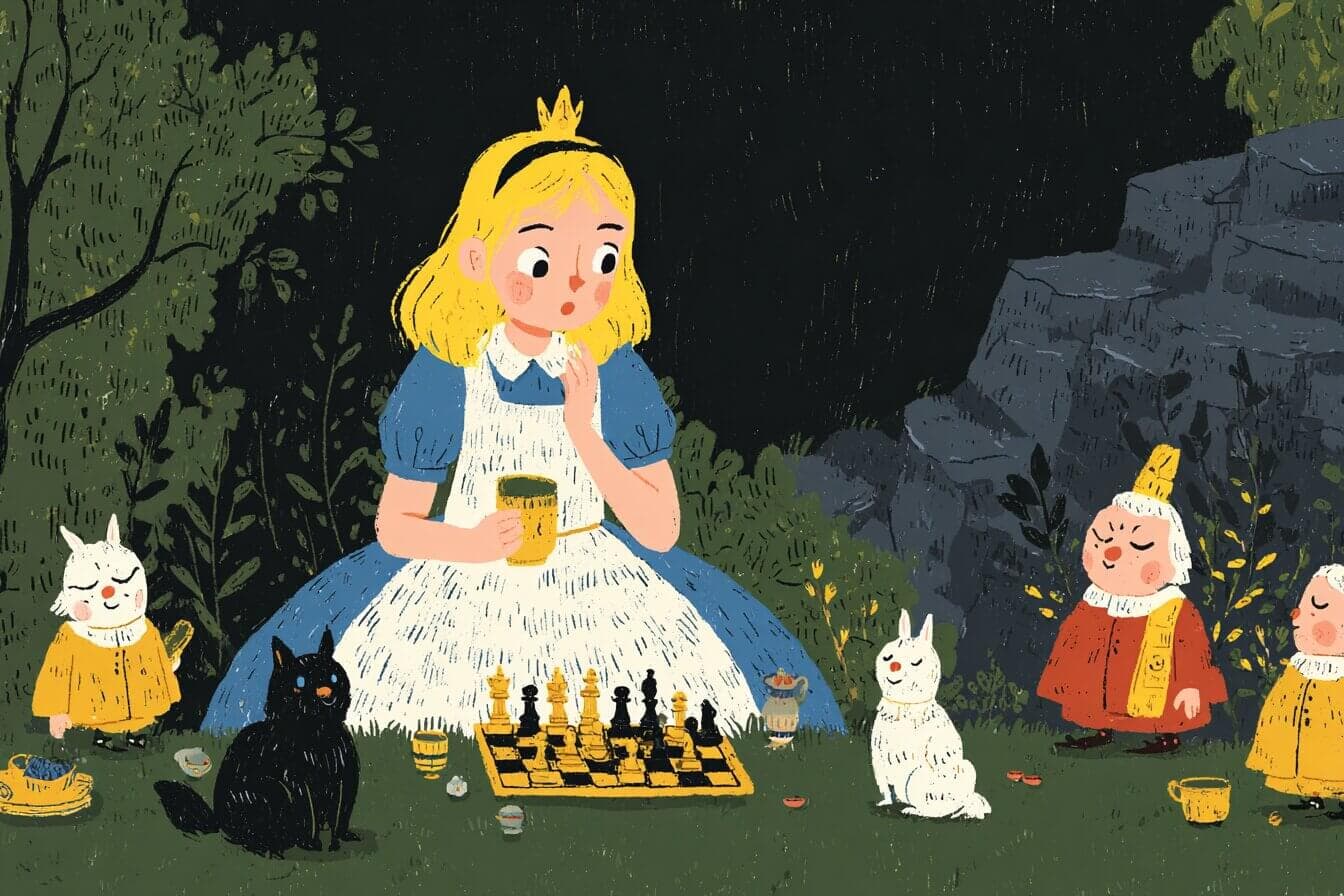
Through The Looking Glass Bedtime Story
Step into a calm, magical short through the looking glass bedtime story and drift toward sleep with gentle wonder. Enjoy a soothing retelling that feels cozy from start to finish.