
Bedtime Stories for Kindergarteners
By

Dennis Wang, Bedtime Story Expert
6 min 28 sec
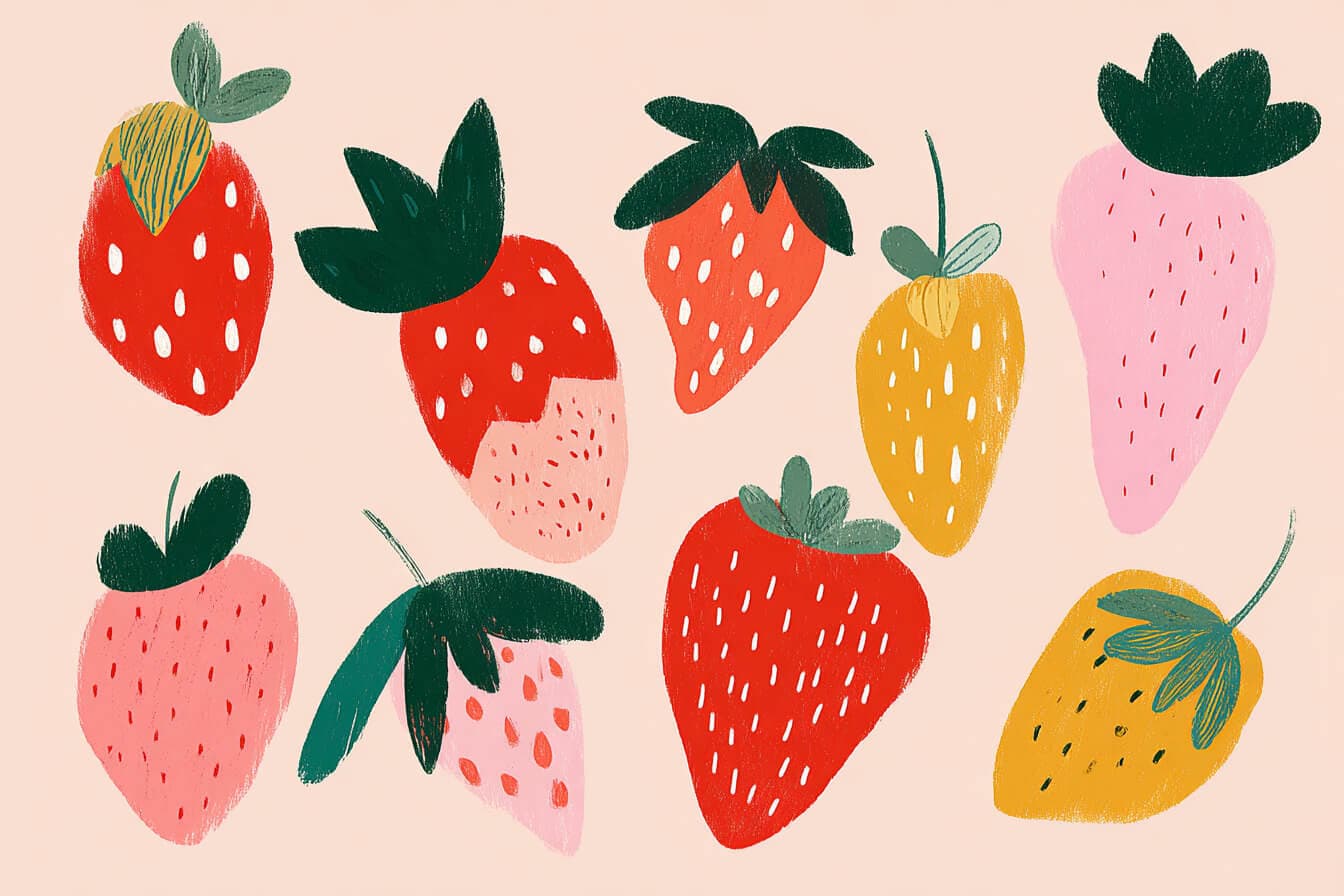
There is something about the quiet stretch of time between bath and lights-out that makes a five-year-old want the same kind of story every night: soft, predictable, and full of small things they can picture. This gentle seasonal tale follows a girl named Emma who finds a different strawberry treat waiting for her in every month of the year, turning the calendar itself into a warm, repeating rhythm. It is one of our favorite bedtime stories for kindergarteners because the pacing slows down with each page, landing right where a drowsy kid needs it. If you want to build your own version with your child's name, favorite foods, and just the right length, you can create one inside Sleepytale.
Why Kindergartener Stories Work So Well at Bedtime
Kids in that four-to-six window are just starting to understand patterns: days of the week, seasons, what comes after lunch. A bedtime story built on a repeating cycle, like a fruit showing up month after month, gives them something their brains can predict, and prediction is calming. When a child knows what is coming next, their body relaxes. Their breathing slows before the story even ends.
Stories written for kindergarteners at bedtime also land differently than daytime read-alouds. The vocabulary is simpler, the stakes are low, and the ending always feels safe. That combination tells a child, without saying it outright, that the world will still be here in the morning. It is the literary equivalent of a warm blanket and a nightlight left on.
Emma's Gentle Strawberry Year 6 min 28 sec
6 min 28 sec
Emma loved strawberries more than any other fruit in the whole wide world.
Not because they were fancy. Not because anyone told her to.
She just liked the way they looked sitting in a bowl, red and a little lopsided, each one covered in seeds so small you could only feel them with the tip of your tongue.
Every morning, she stretched her arms up high, yawned once, and asked her mom the same question.
"What strawberry thing do we get today?"
Her mom always pretended to think about it, even though she already knew.
In January, snowflakes floated past Emma's window like tiny white feathers nobody could catch.
The house was warm. The fridge hummed.
Emma sat at the kitchen table with a bowl of strawberry oatmeal that sent up a thin curl of steam. The berries were from last summer, kept safe in the freezer like little sunshine treasures, and they had gone a shade darker than fresh ones, almost purple at the edges.
She took a spoonful and smiled because it tasted like a warm hug on a cold morning.
February arrived with hearts taped to everything.
Emma helped bake strawberry cookies, pressing her thumb into each one to make a dip for jam. Her thumb left a slightly crooked print every time, and she liked that. It meant she could tell which cookies were hers.
The kitchen smelled sweet. Emma hummed a song she made up on the spot, and when she took a bite, the jam filled her mouth with a gentle, happy sweetness that made her close her eyes without meaning to.
In March, rain tapped the roof in no particular rhythm.
Emma and her mom made strawberry tea, dropping dried berries into hot water and watching the cup slowly turn pink, like someone had dipped a paintbrush in it.
They sat under a blanket fort and whispered make-believe stories about tiny strawberry fairies who wake up the first spring flowers. One of the fairies, Emma decided, had a bad sense of direction and kept waking up the wrong flowers.
Her mom laughed, and Emma felt calm, like the whole house was a cozy cave with nowhere else to be.
April brought Saturday muffins.
When Emma broke one open, berries hid inside like shiny little surprises. Some of them had burst during baking and left pink streaks through the crumb, which Emma thought looked like tiny rivers on a map.
In May, the first fresh strawberries appeared at the market.
They were small and bright and tasted like candy, the kind you do not have to unwrap. Emma held one carefully and counted the seeds. She lost count at twenty-something and started over. Then she lost count again and just ate it.
"How can something so little taste so big?" she wondered out loud.
Her mom did not have an answer for that one.
June was the month of strawberry baskets.
At the farm, rows of plants stretched out like green rugs that went on farther than Emma could see. She walked slowly, looking for the reddest berry of all, passing up perfectly good ones because they were not perfect enough.
When she found the one she wanted, she twisted it gently, and it popped free with a tiny soft sound, like a cork leaving a very small bottle.
She placed it in the basket as carefully as if it were made of glass.
July afternoons felt warm and lazy, the kind of warm where you do not want to move your legs.
Emma froze berries on a tray, then blended them into a thick slushie that turned her lips red. She sat on the porch swing with a picture book, sipping slowly while the wooden boards creaked beneath her. A bee drifted past and seemed interested in her cup for a moment, then changed its mind and left.
In August, dessert tasted like celebration.
Emma helped stack strawberry shortcake with fluffy cream and berries that slid a little whenever the plate tilted. She licked the spoon clean and saved the biggest berry for last, eating it in three slow bites to make the moment stay.
September meant school days again.
Emma packed strawberry fruit leather in her lunchbox and peeled it off the paper like a sweet ribbon. Under the big oak tree at recess, she shared pieces with friends and traded small stories about favorite snacks. One friend said he liked cheese crackers better than anything, and Emma respected that but did not agree.
October brought cooler air and longer shadows.
Emma drank strawberry smoothies mixed with apple, pink and gold swirling together in her glass. She carved a small strawberry shape on her pumpkin, which was harder than she expected and ended up looking a little more like a heart. When the candle flickered inside, it glowed anyway, and she thought it was the best pumpkin on the porch.
In November, the house filled with the rich smell of strawberry jam bubbling on the stove.
Emma stirred slowly with a wooden spoon. The jam popped and spit tiny dots of red onto the counter, and her mom wiped them up with a cloth that was already stained from last year.
When it was ready, Emma spread a little on warm bread and closed her eyes as she tasted it. It felt like summer had come back to visit, just for a second, before slipping away again.
December arrived with snow.
Emma made strawberry hot chocolate, melting chocolate into milk and dropping in frozen berries that bobbed on top like tiny boats. She sat by the window and drew a strawberry shape on the frosty glass with her fingertip. The shape lasted about ten seconds before the warmth of the room erased it.
Outside, the world looked quiet and soft.
All year long, strawberries helped Emma remember things.
Warm mornings. Kind afternoons. Slow, cozy evenings when nobody was in a hurry.
She kept a little journal with drawings of each strawberry treat, one for every month, and she always added a small smile next to her favorite. The drawings were not great, but they were hers.
One night, when the year felt complete and peaceful, Emma placed one dried strawberry under her pillow like a tiny lucky charm. It was a little silly. She knew that. But it made her feel like the whole year was tucked in right beside her.
She snuggled into her strawberry-patterned quilt. The house was quiet except for the furnace clicking on somewhere down the hall.
Her breathing slowed.
Her hands curled around the blanket edge.
And her thoughts floated gently, like strawberry fields drifting through a long, warm dream.
The moonlight rested on her room, silver and still.
Emma was safe, sleepy, and happy.
Tomorrow would bring a new day, a new little moment, and a new gentle adventure. But for now, this one was enough.
The Quiet Lessons in This Kindergartener Bedtime Story
This story is woven with patience, gratitude, and the slow pleasure of noticing small things. When Emma counts the seeds on a strawberry and loses track, kids absorb the idea that not everything has to be finished or measured to be enjoyed. When she shares her fruit leather under the oak tree and respects a friend's different favorite snack, the story quietly models generosity without making a big speech about it. And the repeating rhythm of each month ending in warmth and comfort tells a child, right before sleep, that the world keeps turning in a steady, trustworthy way, which is exactly the kind of reassurance that helps a busy mind settle down for the night.
Tips for Reading This Story
Give each month its own small shift in your voice: a little slower and warmer for January's oatmeal scene, a little brighter and bouncier when Emma finds her perfect berry at the June farm. When Emma loses count of the strawberry seeds in May, pause and let your child try counting on their own fingers. In the final December paragraph, drop your voice almost to a whisper as Emma draws on the frosty glass, and linger on that image of the shape disappearing so the room feels still and sleepy before you close.
Frequently Asked Questions
What age is this story best for?
It works best for children ages 3 to 6. The month-by-month structure gives kindergarteners a pattern they can follow, and concrete details like Emma pressing her thumb into cookie dough or peeling fruit leather keep younger listeners engaged without anything scary or overstimulating. Older kindergarteners may enjoy identifying which month comes next before you read it.
Is this story available as audio?
Yes. Press play at the top of the story to listen. The audio version works especially well here because the repeating "In [month]" rhythm creates a gentle, almost musical pacing that carries a child through the year without any effort. Scenes like the rain tapping the roof in March and the porch swing creaking in July come alive when you hear them spoken aloud.
Why are strawberries used instead of another fruit?
Strawberries are one of the most recognizable fruits for young children. They are bright, easy to hold, and most kids have tasted them in some form. Emma's story uses that familiarity as an anchor so the child feels at home in every scene, even as the seasons and recipes change around her. The sensory details, like counting seeds or watching jam bubble, give little hands and mouths something to imagine.
Create Your Own Version
Sleepytale lets you build a cozy seasonal story like Emma's with your child's name, their favorite fruit or food, and a setting that feels like home. Swap strawberries for blueberries, change the seasons to holidays, or pick a calm woodland backdrop instead of a kitchen. You choose the tone, the length, and the details, then listen together with gentle audio narration as part of your nightly routine.
Looking for more kid bedtime stories?
Bedtime Poems For Kids
Discover short bedtime poems for kids through a story where a boy says goodnight to kettles, slippers, stars, and a goldfish named Planet.

Scary Story Ideas For Kids
Looking for short scary story ideas for kids that feel cozy, not overwhelming? Meet Sir Boop, a bow tie wearing ghost who judges spooky slips from an Idea Jar.
Interactive Children's Stories
Discover short interactive children's stories where a girl named Wren makes choices guided by a paper fox bookmark called Flip.
Ghost Stories For Kids
The scariest thing about Puddle the ghost is his giggle, not his boo, in one of the sweetest short ghost stories for kids.
Adventure Stories For Kids
A folded map hidden inside a library book sends two friends a treasure hunt in one of our favorite short adventure stories for kids.

Native American Stories For Kids
Discover short native american stories for kids through a fireside tale of geese, gratitude, and a grandfather's gentle wisdom.