
Bedtime Story Reader AI
By

Dennis Wang, Bedtime Story Expert
6 min 48 sec
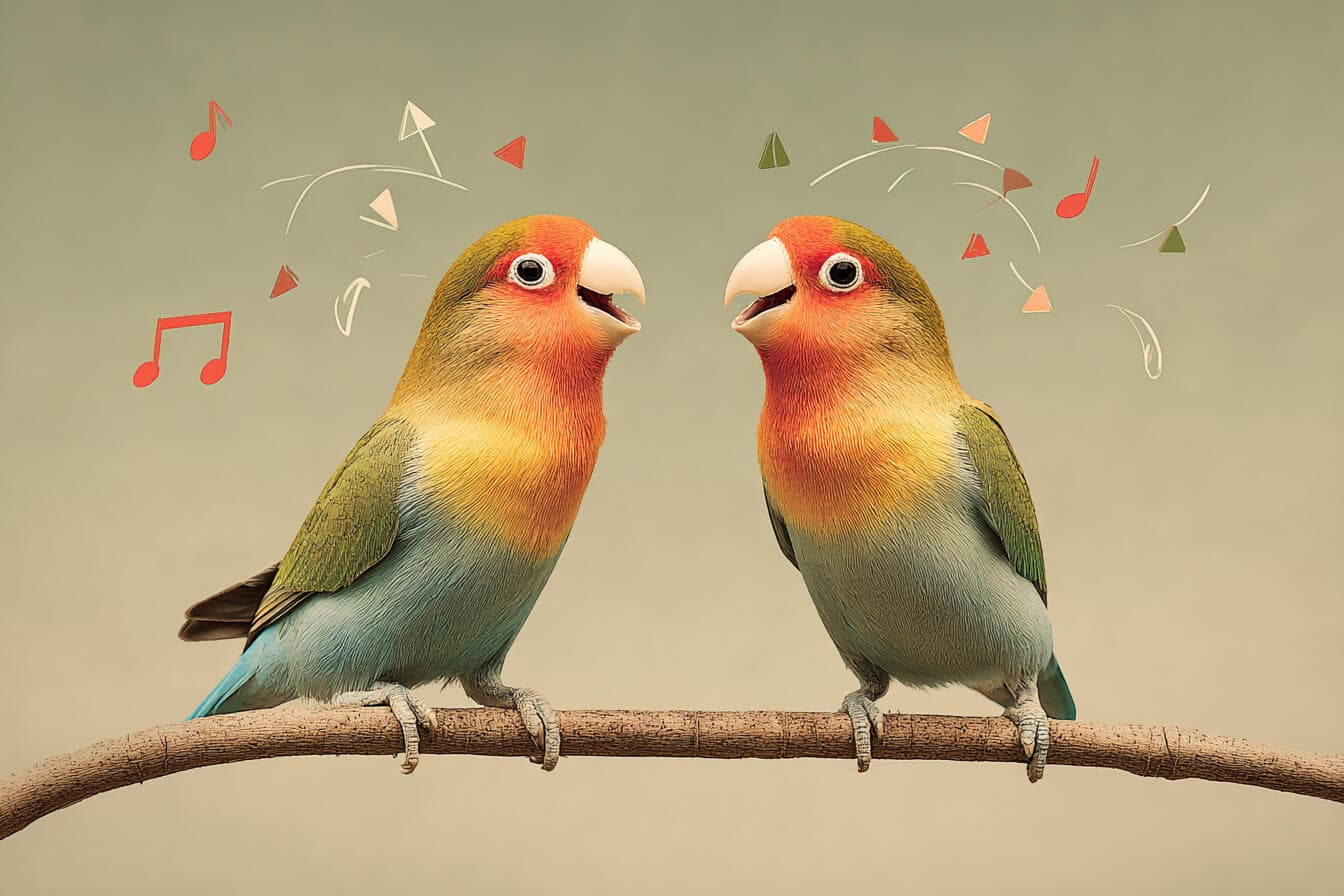
There's something about the sound of rain on leaves that makes a child's eyelids heavy, and tonight's story wraps that feeling around every scene. Two young parrots named Pico and Lola travel through the Amazon in search of the voices hiding inside them, meeting a flower-crowned caiman and a troop of helpful ants along the way. It's the kind of gentle adventure that works perfectly as a bedtime story reader AI experience, soft enough to wind down with but vivid enough to hold a child's attention all the way to the last lullaby. If your little one loves it, you can create your own version with custom names and settings inside Sleepytale.
Why AI Reader Stories Work So Well at Bedtime
Kids settle fastest when the rhythm of a story feels predictable but not boring. An AI story reader at bedtime can deliver exactly that: a pace that stays gentle, a voice that never rushes, and a tale shaped to the length your family actually needs on a Tuesday night. When the narration is steady and warm, children stop fidgeting and start picturing the scene, which is the first step toward sleep.
What makes an AI reader especially useful is flexibility. A toddler who loves parrots tonight might want dragons tomorrow, and a bedtime story read by AI can shift to match that mood without you scrambling for a new book in the dark. The consistency of tone, calm, musical, unhurried, becomes its own kind of goodnight ritual, one your child's body learns to associate with closing their eyes.
The Parrots Who Sang Like Rainbows 6 min 48 sec
6 min 48 sec
Deep in the Amazon, two young parrots named Pico and Lola lived high in a kapok tree so tall that mist caught in its upper branches most mornings.
Every dawn the canopy came alive with sound. Macaws hollering greetings they probably meant as gossip, toucans clicking their beaks like someone tapping a wooden spoon on a pot. The whole forest tuned up like an orchestra that didn't bother with a conductor.
Pico and Lola loved those songs more than mango slices.
But whenever they tried to join in, only thin squeaks slipped out. Small sounds. The kind that disappeared before they even reached the next branch.
Their feathers drooped a little more each day, though neither one said so out loud. They just looked at each other and looked away again, which was its own kind of conversation.
One morning, while the light was still coppery and new, Mama Macaw landed beside them. She didn't say hello first. She just tilted her head, the way someone does when they already know what you're thinking, and told them a legend that had traveled through nests and treetops longer than anyone could count.
Beyond the whispering waterfall, she said, a Rainflower grew close to the roots of the oldest tree in the forest. Its petals were said to help a bird find the voice that had been waiting inside all along.
Pico looked at Lola.
Lola looked at Pico.
They didn't need to discuss it.
They launched from the kapok and followed the river, which curled below them like someone had poured silver paint through the green. Branch to branch, vine to vine, the air getting thicker and warmer with every wingbeat.
Soon they reached a wide bend where the water slowed into a dark, glassy pool. A caiman floated there. His eyes were half shut, and his body was so still he could have been a log, except that the current around him seemed to hold its breath.
Pico had an idea. He darted to a cluster of orchids, purple ones and gold ones growing together in a tangle, and started weaving them into a lopsided crown. One petal kept flopping over. He tucked it back three times before giving up and letting it flop.
Lola carried the crown down to the water's edge, carefully, the way you carry a birthday cake across a room.
"We'll tell the whole jungle," she said, setting it on the caiman's broad head, "that the river king wears flowers like a festival."
The caiman's mouth stretched into a grin so slow you could have counted to five before it finished. He lifted his back just enough for them to hop on, and they crossed to the far bank balanced between the ridges of his scales, the water barely rippling.
On the other side, the jungle changed.
The shade grew denser. The leaves overhead were enormous, some as wide as Lola's whole wingspan, and the air carried a quiet hush, as if the trees here were older and had agreed among themselves to keep things calm. Fireflies blinked between the ferns, not in any pattern, just drifting like someone had scattered tiny lanterns and forgotten to collect them.
The parrots followed those soft flickers until they reached a kapok tree so wide it looked like it had been holding the entire forest together by sheer stubbornness. Its roots curved outward like arms cradling something precious.
The Rainflower.
It glowed faintly, pale and quiet, tucked against the trunk as though it had grown there on purpose and had no interest in being anywhere else.
But a thorny vine wrapped the trunk like prickly rope, and neither parrot's beak could cut through it.
Lola noticed a line of leaf cutter ants marching past, each one carrying a scrap of green twice its own size. Some of the leaves were sliding sideways, and the ants at the back were bumping into the ants at the front, and the whole operation looked about ten seconds from chaos.
So the parrots helped. They nudged leaf bits into place, steadied the wobbly ones, kept the line moving. One ant dropped its piece entirely, and Pico caught it with his foot before it hit the ground, which earned him a series of rapid clicks that sounded almost like applause.
Then, without any signal anyone else could hear, the ants turned toward the thorny vine and began to chew. Hundreds of tiny jaws working together. The sound was like someone very slowly tearing paper in another room. Bit by bit, the vine loosened and fell away.
Pico and Lola fluttered up the cleared trunk until the Rainflower was close enough to touch. Its petals glowed the way moonlight looks on still water, not bright, just present.
Each parrot swallowed one petal.
They waited.
A breeze shifted through the branches. Somewhere far off, a monkey chattered about nothing in particular. The forest kept on being the forest.
Nothing happened.
Their hearts sank, heavy and damp, like leaves after a long rain. Had the whole legend been just a story someone made up to give shy birds false hope?
Then the sky rumbled.
Clouds piled over the canopy, thick and dark, and rain swept in all at once, hammering every leaf and root and vine until the entire rainforest became one enormous, gentle drum.
Pico and Lola opened their beaks, startled.
What came out was not a squeak.
Music poured from them, bright and full and layered, rising and dipping with the rhythm of the rain. It sounded the way color would sound if you could hear it. Silver and green and gold, all tangled together and somehow making sense.
They sang about the river bend and the caiman who wore orchids on his head. They sang about ants who carried the world in small pieces and never once complained about the weight. They sang about two parrots who almost turned around but didn't.
The storm listened.
The rain softened to a whisper.
The wind settled.
Sunlight crept back in, painting the clouds rose and gold, and the wet leaves caught the light and threw it everywhere.
They flew home without stopping, and their song traveled ahead of them. A jaguar on a low branch blinked and turned his ears forward. A sloth, halfway through reaching for a leaf, paused and smiled, which is not something sloths do quickly. Even the river seemed to smooth itself out as their melody drifted over it.
From that day on, whenever rain returned, the forest filled with their voices. Other shy birds started singing too, quietly at first, then louder, because it turns out courage is the kind of thing that spreads when someone goes first.
And each evening, when the sky turned purple and the canopy grew still, Pico and Lola sang soft lullabies that sounded like gentle rain on warm leaves. The whole Amazon settled into sleep, wrapped in that sound, as if the forest itself were being tucked in.
The Quiet Lessons in This AI Reader Bedtime Story
This story is really about what happens when you keep going even after the thing you hoped for doesn't seem to work. When Pico and Lola swallow the petals and nothing changes, kids absorb a truth they rarely hear spelled out: sometimes the reward arrives on its own schedule, not yours, and patience isn't the same as giving up. The parrots also earn every bit of help they receive, weaving a crown for the caiman, steadying the ants' march, which shows children that generosity tends to come back around without anyone keeping score. At bedtime, these ideas are especially reassuring. A child lying in the dark can hold on to the feeling that tomorrow's challenges might turn into something surprising and good, just like a storm that sounds scary at first but ends with a song.
Tips for Reading This Story
Give Pico a quick, eager voice and let Lola sound a little steadier and more deliberate, so your child can tell them apart before you even say their names. When the ants start chewing through the vine, slow your pace way down and lower your volume, almost to a whisper, so the silence afterward feels big. At the moment the parrots swallow the petals and nothing happens, pause for a few seconds and let your child sit in that disappointment before the sky rumbles. It makes the music that follows land harder.
Frequently Asked Questions
What age is this story best for?
It fits best for ages 3 to 7. Younger listeners love the animal characters, the caiman grinning and the ants clicking their thanks, while older kids can follow the journey's structure and appreciate the moment when the petals seem to fail. The vocabulary is simple enough for a three year old but the emotional beats give a six or seven year old something to think about.
Is this story available as audio?
Yes. You can press play at the top of the story to hear it narrated. The audio version really shines during the storm sequence, where the rhythm of the rain and the parrots' sudden song build together in a way that pulls kids in more deeply than reading alone. Mama Macaw's legend and the caiman's slow grin also come alive with a narrator's pacing.
Why parrots instead of other rainforest animals?
Parrots are one of the few animals kids already associate with voice and song, so a story about finding your true sound makes intuitive sense with parrot characters. Pico and Lola's struggle to sing also mirrors the very real way children sometimes feel when they want to speak up but the words won't come, which makes the resolution feel personal rather than abstract.
Create Your Own Version
Sleepytale lets you build a fresh bedtime tale whenever your child's mood shifts. Swap the parrots for dolphins, move the rainforest to a coral reef, or change the tone from calm to silly, all in a few taps. You can adjust the length, add your child's name, and play the audio narration so story time feels effortless even on the busiest nights.
Looking for more kid bedtime stories?
Bedtime Poems For Kids
Discover short bedtime poems for kids through a story where a boy says goodnight to kettles, slippers, stars, and a goldfish named Planet.
Scary Story Ideas For Kids
Looking for short scary story ideas for kids that feel cozy, not overwhelming? Meet Sir Boop, a bow tie wearing ghost who judges spooky slips from an Idea Jar.
Interactive Children's Stories
Discover short interactive children's stories where a girl named Wren makes choices guided by a paper fox bookmark called Flip.
Ghost Stories For Kids
The scariest thing about Puddle the ghost is his giggle, not his boo, in one of the sweetest short ghost stories for kids.

Adventure Stories For Kids
A folded map hidden inside a library book sends two friends a treasure hunt in one of our favorite short adventure stories for kids.
Native American Stories For Kids
Discover short native american stories for kids through a fireside tale of geese, gratitude, and a grandfather's gentle wisdom.