
Axolotl Bedtime Stories
By

Dennis Wang, Bedtime Story Expert
8 min 53 sec
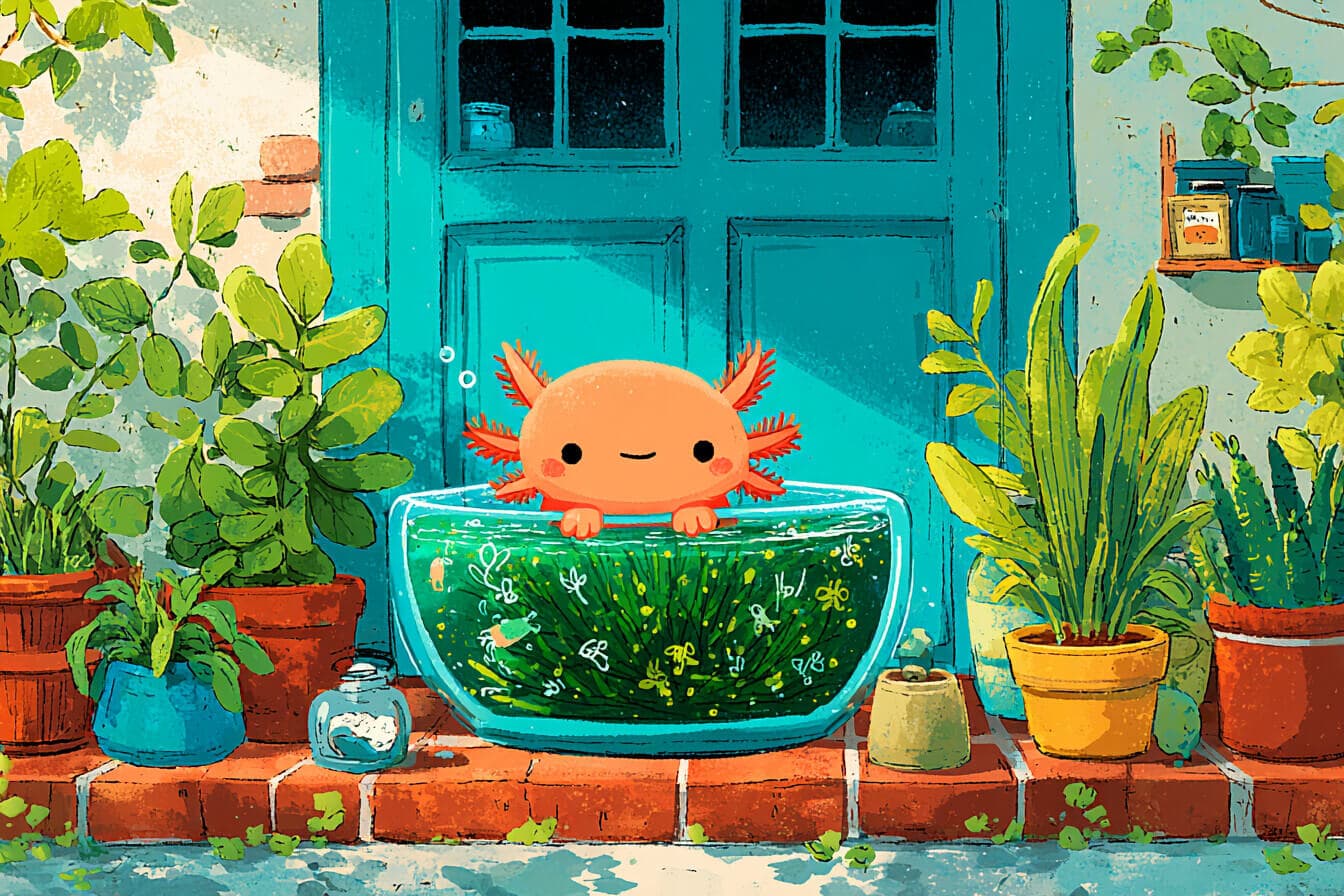
There is something about pond creatures that makes children go still and listen. Maybe it is the idea of a world just below the surface, quiet and slow and lit by filtered sunlight. This story follows Axel, a pink axolotl who helps his worried friends at Ripple Brook discover that starting over is not something to fear, making it a perfect pick if you are looking for axolotl bedtime stories with real heart. If your child loves underwater worlds, you can create a personalized version with Sleepytale.
Why Axolotl Stories Work So Well at Bedtime
Axolotls already look like something a child might dream up: feathery gills, a permanent half-smile, a body that can actually regrow what it loses. That built-in sense of wonder does half the work of settling a restless mind. A bedtime story about an axolotl living in a calm pond gives kids a slow, contained setting with no loud noises or sudden dangers, just rippling water and soft reeds.
There is also something deeply reassuring about an animal that heals itself. Children who had a hard day, who scraped a knee or said the wrong thing at school, can hear that regeneration as a kind of promise: tomorrow, things grow back. The pace of pond life, where problems arrive gently and resolve with patience, mirrors the winding-down rhythm kids need before sleep.
Axel the Amazing Axolotl 8 min 53 sec
8 min 53 sec
Deep beneath the lily pad village of Ripple Brook lived Axel, a pink axolotl with a twinkling smile and a secret.
Whenever his tail got nipped by a playful minnow, it grew back longer and brighter. If a frilly gill tore on a sharp stone, a brand new feathery plume appeared within moments, unfurling like a tiny fern.
Word of Axel's regrowing gift drifted through the water until every creature in the brook, from the tiniest tadpole to the grandest carp, came to see for themselves.
They watched him wiggle his toes, each one sprouting back after he gently nibbled it to demonstrate. A few of the younger minnows covered their eyes.
Instead of boasting, Axel just shrugged his soft shoulders. "Mistakes are chances to begin again," he said, and the crowd repeated it back in bubbly, overlapping voices, already feeling a little braver.
One bright morning Tilly the turtle hatchling paddled over with tears tracking down her cheeks.
She had cracked her shell on a hidden root and was certain she would never race with her friends again. The crack ran in a crooked line, and she kept reaching back to touch it with one small foot.
Axel patted her with a damp fin and invited her to stay close for the day. They played hide and seek among the reeds, the kind where nobody really hides well and everyone laughs anyway. By sunset a delicate layer of new shell shimmered across the broken spot, thin as a soap bubble but already hardening.
Tilly ran her foot over it three times before she believed it.
The next visitor was Finley the fish, who had lost a shiny scale while escaping a heron. Embarrassed by the bare patch on his side, Finley hung in the shade near the bank where nobody could get a good look at him.
"A missing sparkle doesn't dim your spirit," Axel told him, and then, because words only do so much, he nudged Finley into a slow swim. They circled together, humming tunes that sent tiny ripples up to the surface. The water caught their sounds and seemed to hum back. Before long a replacement scale glimmered into place like a small moon rising on Finley's flank.
Finley shot away beaming, flipping grateful loops through columns of sunlight.
Soon creatures arrived daily with all sorts of troubles. Bent whiskers, dented snail shells, a dragonfly whose left wing crinkled at the tip. Axel treated every problem as a puzzle, and he never rushed. Some days the puzzles took hours. Some took minutes. He liked the hours ones better, honestly, because it meant more company.
One afternoon a storm swept across Ripple Brook, stirring silt and spinning lily pads like green boats caught in a drain. When the clouds broke apart the villagers discovered that the great swing rope hanging from the old willow had frayed clean through.
Without it, the young frogs could not soar over the water in joyful arcs. They sat on the bank and croaked in flat, disappointed tones, certain that fun itself had washed downstream.
Axel examined the frayed fibers. He chewed on the end of one, thinking. Then he called everyone over.
Together they gathered long strands of pondweed, twisted and braided them, argued about which direction to twist, unbraided one section and started it over, and finally produced a rope that was thicker and stronger than the old one. When the first frog swung across, the cheers bubbled up so loud that dragonflies lifted off the reeds like startled confetti.
That evening Axel floated on his back, gazing at the stars doubled on the glassy surface. The fridge-hum of crickets filled the air. He realized that regrowth was not only about tails and scales. It was about confidence, friendships, and the willingness to try again even when a thing snaps in two.
His heart felt full, and he hummed a lullaby that drifted through the reeds until every creature in the brook had gone quiet.
The very next day a shy duckling named Pip arrived.
Pip had tried to sing like the nightingales. What came out were squeaky quacks, every time, no matter how hard he concentrated. Now the pond festival was coming, the one where every animal displayed a special talent, and Pip wanted to crawl inside a reed and disappear.
Axel listened. He did not offer advice right away. He just listened until Pip ran out of worried words.
Then he asked Pip to follow him on a walk through the marsh. They visited the cattails, whose fluffy heads nodded in rhythm, and the crickets, whose chirps kept a steady beat that never tried to be anything other than what it was. Axel encouraged Pip to quack along with the marsh sounds instead of fighting against them.
Hours passed. Pip's quacks began to land between the water drops and the wind notes like a piece that had always been missing from the song.
On festival night Pip stepped onto the mossy stage. He took a breath of cool air that tasted like rain and mud and pine. Then he released a quacking melody that wove between the night sounds so naturally that the audience forgot to clap for a full three seconds before the pond erupted in cheers, shells clicking, claws tapping the mud.
Pip bowed low. His eyes were shining so hard they looked wet. He waved Axel up, but Axel just lifted a humble fin from the crowd. "Mistakes guided us both here," he called, and that was enough.
Later that week a frantic crayfish scuttled to Axel's burrow.
Coral had lost one of her claws in a rockslide and worried she could not build her mud chimney home before the cool season set in. She kept opening and closing her remaining claw as if testing whether it was enough.
Axel calmed her with a slow voice and showed how his own small nips regrew, explaining that bodies carry blueprints we cannot see. He promised to stay close while nature did its work.
They spent the days collecting pebbles. Coral learned to balance them with her one claw and her legs, stacking them in ways she never would have tried before. The chimney she built was lopsided and strange and, somehow, the most beautiful one the pond had ever seen.
When a delicate new claw bud finally appeared, Coral clicked with joy and painted her crooked chimney with sparkling algae. She did not say thank you in words. She just clicked, over and over, and Axel understood.
Word spread beyond Ripple Brook to neighboring streams. Travelers arrived carrying tales of Axel's lessons. A salamander with a shortened tail, a beetle with a chipped antenna, and even a nervous raccoon who had not climbed a tree since a bad fall, all came looking for the pink axolotl who believed in second chances.
Axel welcomed each one. He never claimed to fix anything instantly. What he did was sit with them, or float with them, or walk slowly beside them until they noticed that the world kept offering another try.
Every healed friend became a quiet lantern for others, and soon the whole region hummed with something hard to name but easy to feel.
One crisp dawn Axel awoke to water tinged with gold, as if the sunrise had melted and dripped straight into the pond.
A shimmer near the bank led him to an underwater cave he had never noticed. Inside, crystals glimmered like captured rainbows, and each one reflected a moment when someone, somewhere, had chosen to try again after getting it wrong.
He placed a paw against the largest crystal. Warmth spread through the water and through him, slow and steady, like a long breath out.
When he swam back the first leaves of autumn floated on the surface like tiny rafts. Axel gathered the village and told them about the cave, told them their brave hearts had painted those crystals into being. He asked them to keep practicing kindness and patience, because those were the things that kept the glow alive.
The creatures formed a circle of tails, fins, and wings. Nobody spoke for a moment. The pond lapped softly at the bank.
Seasons turned. Axel grew older, but his smile stayed bright.
Children of the pond told his stories to their own hatchlings, the way you pass a warm stone from one hand to another. Whenever someone felt broken, they visited the cave of crystals, pressed a fin or a claw to the wall, and felt the old gentle assurance that everything can begin again.
In the hush of evening, when moonlight painted silver paths across the water, Axel would glide to the center of Ripple Brook and listen. He could hear distant laughter, new songs, the soft splash of dreams taking flight.
With a contented sigh he curled inside his favorite shell, tucked his tail beneath him, and let the lullaby of the pond carry him into sleep.
Tomorrow would bring fresh chances. It always did.
The Quiet Lessons in This Axolotl Bedtime Story
This story weaves together patience, self-acceptance, and the courage to start over, and it does so through small, specific moments rather than big speeches. When Tilly keeps touching her cracked shell before she can believe it has healed, children absorb the idea that trusting recovery takes time. When Pip's quacks find their place inside the marsh sounds instead of competing with them, the story shows that what makes you different can also be what makes you belong. And when Coral builds a lopsided, beautiful chimney with only one claw, kids see that limitation can spark creativity rather than stop it. These are reassuring ideas to carry into sleep, the kind that whisper, "Whatever went sideways today, you get another try in the morning."
Tips for Reading This Story
Give Axel a calm, slightly amused tone, like someone who has seen a hundred worries and knows they pass, and let Pip's voice start tight and squeaky before loosening up during the marsh walk. When the storm hits Ripple Brook and the lily pads spin, speed up your reading just a notch, then slow way down for the quiet moment when Axel floats on his back looking at the stars. At the very end, when Axel curls into his shell, drop your voice almost to a whisper and let the last sentence hang in the air for a few seconds before you close the page.
Frequently Asked Questions
What age is this story best for?
It works well for children ages 3 to 7. Younger listeners enjoy the parade of animal friends like Tilly, Finley, and Pip, while older kids connect with the idea that Coral builds something beautiful even after losing her claw. The gentle pacing and repetitive structure of visitors arriving one by one helps toddlers follow along without getting lost.
Is this story available as audio?
Yes. Press play at the top of the story to hear it read aloud. The audio version brings out details that shine when spoken, like Axel's repeated phrase about beginning again, the overlapping bubbly voices of the crowd, and the shift from storm noise to the still, starlit moment afterward. It is a nice option for nights when you want to lie beside your child and just listen together.
Why does Axel's regrowth matter to children?
Axolotls really can regenerate limbs, gills, and even parts of their hearts, which fascinates kids who are learning about the natural world. In this story, Axel's ability becomes a metaphor children can hold onto: if a tail can grow back, maybe a bad day can turn around too. It gives the concept of resilience a concrete, visual image that sticks.
Create Your Own Version
Sleepytale lets you reshape this pond adventure into something that fits your child perfectly. Swap Ripple Brook for a coral reef or a mountain stream, replace Pip the duckling with a shy seahorse, or change the crystal cave into a glowing tide pool. In a few taps you get a calm, personalized story with the same gentle pacing and comforting tone, ready to play or read aloud at bedtime.
Looking for more animal bedtime stories?
Polar Bear Bedtime Stories
A shimmering palace appears the sea ice, and a small wish turns into shared laughter. Drift into short polar bear bedtime stories with a bright, gentle twist.
Bear Bedtime Stories
Drift off with short bear bedtime stories that feel warm and soothing, plus a simple way to create your own cozy version in Sleepytale.
Tropical Fish Bedtime Stories
Sunlight paints golden paths across a coral reef as a brave little fish leads a pattern parade. Drift into short tropical fish bedtime stories with gentle pride and calm sea sounds.
Pufferfish Bedtime Stories
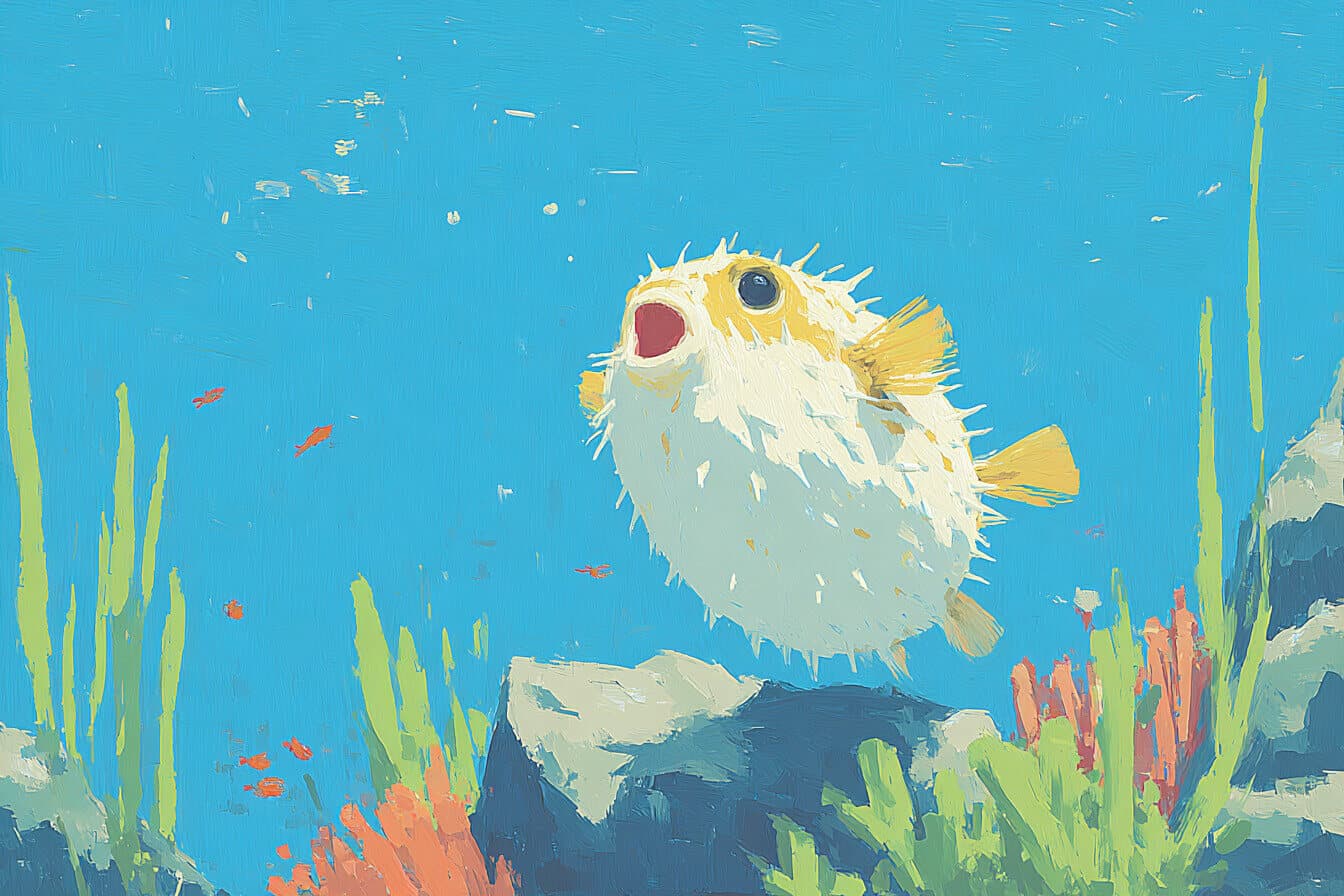
Drift under turquoise waves with short pufferfish bedtime stories where a jumpy little fish turns surprise bounces into a brave stage dance. A conch charm makes the twist feel tender.
Piranha Bedtime Stories
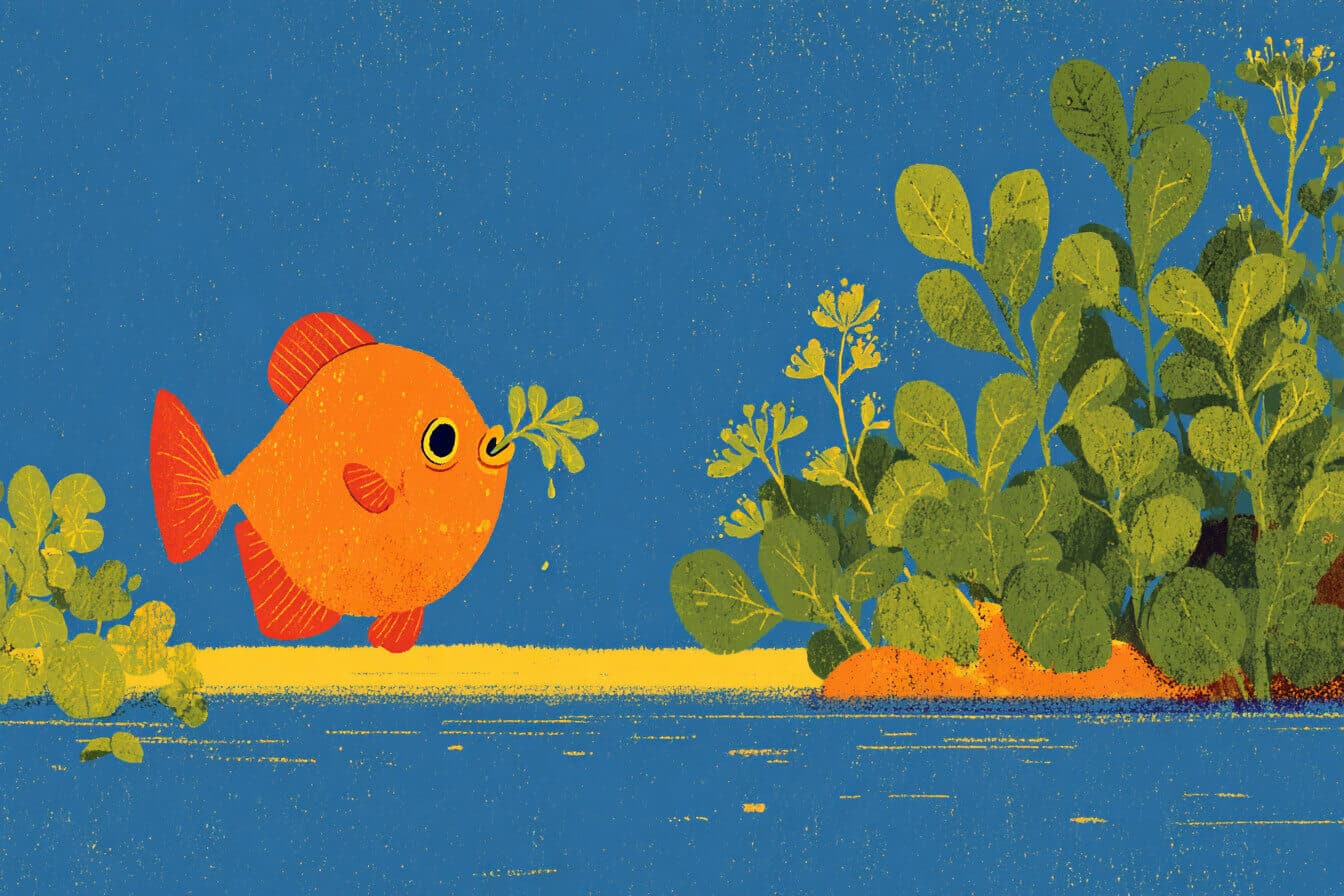
Drift into the Amazon with short piranha bedtime stories where a toothy fish hosts a leafy picnic and wins hearts one crunch at a time.

Pigeon Bedtime Stories
Ease into comfort as Pablo delivers tiny folded notes tied with a sky blue ribbon to lift lonely hearts. Settle in with short pigeon bedtime stories that bring warmth, hope, and easy sleep.