
A Christmas Carol Bedtime Story
By

Dennis Wang, Bedtime Story Expert
9 min 54 sec
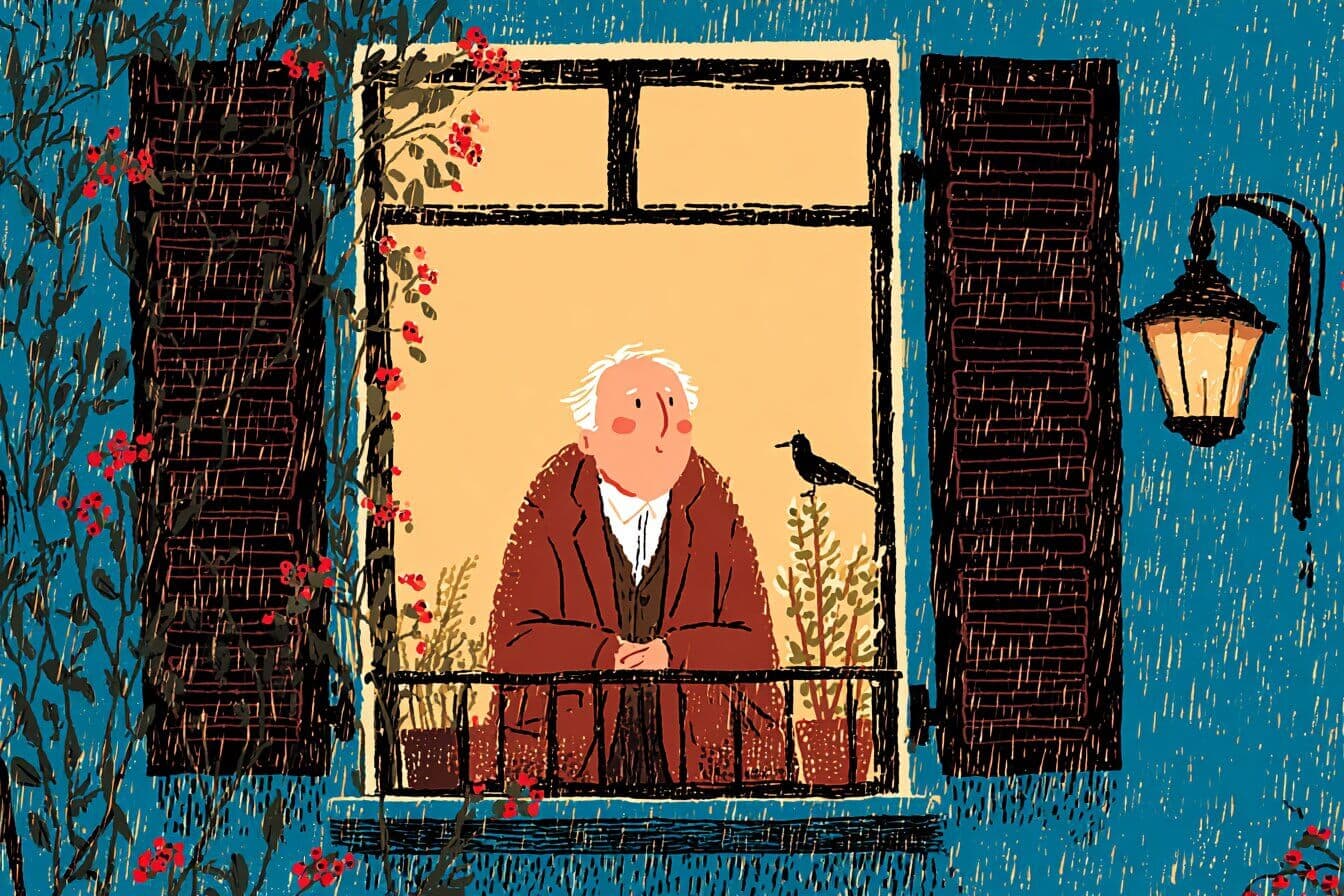
There is something about the smell of cinnamon and the hush of falling snow that makes children lean in close and ask for one more story before the lights go out. This gentle retelling follows Mr. Tuggins, a penny-counting loner on Maple Lane who meets three patient spirits and slowly rediscovers what kindness feels like in his hands. It is exactly the kind of a Christmas Carol bedtime story that wraps the room in warmth without rushing toward morning. If your child loves this tale, you can create your own cozy version with Sleepytale.
Why Christmas Carol Stories Work So Well at Bedtime
The arc of a Christmas Carol story follows a pattern children instinctively understand: someone who feels cold and shut off is visited, gently, by reminders of warmth until they choose to open the door again. That journey from loneliness to connection mirrors what bedtime itself asks of kids, the letting go of the busy day and the decision to trust that tomorrow will be good. The repeating structure of three visits gives young listeners a predictable rhythm, and predictable rhythms are one of the fastest ways to help a restless body settle.
There is also something deeply reassuring about a story where mistakes are not permanent. A bedtime story about Christmas Carol themes tells children that grumpiness passes, that people can change, and that even the most shuttered house on the lane can fill with light again. That message, absorbed while the pillow is warm and the room is dim, tends to stay with a child longer than any lecture about generosity ever could.
Mr. Tuggins and the Three Christmas Spirits 9 min 54 sec
9 min 54 sec
Mr. Tuggins lived alone at the end of Maple Lane in a crooked little house that never smelled of cookies or pine.
He counted every coin twice. He kept the shutters closed tight. He told carolers to hush their noise, and once he even left a note on the gate that read, in shaky capital letters, NO SINGING PAST SEVEN O'CLOCK.
On Christmas Eve he sat by a meager fire, muttering that the holiday was nothing but humbug. Outside, snowflakes danced like tiny ballerinas, but inside the air felt sharp and cold as iron, and the only sound was the tick of the mantel clock, which had a habit of running three minutes fast no matter how many times he wound it.
Mr. Tuggins pulled his patched coat tighter and grumbled about the cost of coal.
Just as the clock struck nine, a gentle hush filled the room and a shimmer of silver light appeared beside the hearth. From the glow stepped a spirit shaped like a candle flame, bright and warm. She introduced herself as the Spirit of Christmas Past, and her voice sounded like wind chimes on a breezy porch.
She touched his sleeve, and suddenly the two of them floated above his childhood home, where a small boy with shining eyes hung paper stars on a tiny tree. Mr. Tuggins saw himself sharing peppermint sticks with his sister, both of them giggling as snowflakes melted on their tongues. He watched the boy shovel Mrs. Peabody's walkway without being asked, then leave an anonymous gift of jam on her doorstep, the jar still warm.
Each vision glowed like sunrise on frost.
He had forgotten how freely he once gave things away, how the giving itself had been the fun part, not the receiving. When the journey ended he was back in his stiff armchair, cheeks wet with tears he had not shed in decades. He tried to grumble, but the sound came out shaky and small, like a cracked bell. The candle spirit faded, leaving behind the faint scent of cinnamon and pine.
Mr. Tuggins wrapped his blanket tighter and told himself it was only the wind rattling his heart.
Yet somewhere inside, a tiny ember of wonder began to glow. He stared at the blackened hearth and remembered how his mother used to toast bread with him on Christmas morning, singing carols off key, her voice wandering between notes the way a friendly dog wanders between garden rows. The memory felt like a warm mitten on frozen fingers. He drifted toward sleep, unsure whether to guard the ember or let it die.
Then the clock struck ten and the room filled with emerald light.
A second spirit appeared, round and jolly as a robin, wearing a cloak sewn from holly leaves and ribbons. He announced himself as the Spirit of Christmas Present, and his laughter rang like sleigh bells across crisp air. With a hearty wave he invited Mr. Tuggins to take his sleeve, and together they soared above the sleeping village. Below, warm windows glowed yellow and laughter spilled into the snowy streets like something that could not be contained.
They visited the baker sliding cinnamon buns into ovens, flour dusting his eyebrows so he looked like a surprised owl. They watched the choir practicing harmonies in the church, one alto always half a beat behind and not minding at all. They hovered over the orphanage, where children strung popcorn chains while dreaming of tomorrow.
Mr. Tuggins saw the widow Crane, who had once dropped her parcels in the street. He had hurried past that day, afraid she might ask for help. Tonight she served humble soup to neighbors, sharing what little she owned. Her smile shone brighter than any candle, and the sight pinched Mr. Tuggins' chest in a way he could not explain away.
They peeked into the Cratchit family's tiny home, where a goose smaller than a teacup still became a feast because love seasoned every bite. Tiny Tim, no bigger than a sparrow, blessed the table with brave eyes that sparkled like starlight.
Something cracked inside Mr. Tuggins, like ice breaking on a river in early thaw.
The spirit sprinkled glittering joy over every roof, and the village seemed stitched together by invisible threads of kindness. Mr. Tuggins wanted to look away, afraid the warmth would hurt, but the spirit gently turned his face toward the light. When they returned to his parlor, the ember inside him glowed brighter, though he still tried to hide it beneath a frown.
The jolly spirit offered him a holly berry. Mr. Tuggins bit into it and tasted tart sweetness that made his eyes water again. He clutched the berry stem, uncertain what to do with the feeling blooming in his chest. Before he could speak, the spirit vanished, leaving the faint echo of laughter and the scent of fresh gingerbread.
Mr. Tuggins paced the floorboards, hands clasped behind his back, arguing with himself about practicality and purse strings. Yet the visions clung like ivy, refusing to be stripped away. He gazed out the window at the star-washed sky, wondering how such small acts could feel larger than gold.
The clock struck eleven. The room grew colder. Shadows stretched long and thin.
From the darkness emerged a third spirit, tall and solemn, draped in indigo robes that shimmered like midnight snow. He spoke not a word but pointed with a hand pale as moonlight. Mr. Tuggins felt a shiver that had nothing to do with winter air.
Together they walked through a Christmas Day yet to come, silent as footprints in fresh powder. The village square bustled, but no one mentioned Mr. Tuggins except to sigh over his empty house. Children hurried past his gate, too wary of the tales told to linger. In the churchyard, a small stone bore his name, the carving crisp and new. No flowers rested there. Only scattered leaves skittering in the wind.
Mr. Tuggins saw the auction of his belongings, neighbors shaking heads over threadbare curtains and cracked dishes. The coins he had hoarded were counted by strangers and spent without joy. He realized that what he had saved had never truly been his at all, only borrowed from loneliness.
The spirit guided him to the Cratchit home, where chairs sat empty and crutches leaned untouched against the wall.
He understood, with a grief like thunder, that Tiny Tim's song had been stilled.
Mr. Tuggins reached out, desperate to change the scene, but his hand passed through sorrow like mist. The spirit's robe brushed his shoulder, and he felt the weight of every opportunity lost. When the vision faded he fell to his knees, pressing fists against his eyes to block the darkness. He begged the spirit to tell him these futures were not fixed, that time still flowed like a river he might redirect.
The silent spirit lifted a hand, revealing a single sprig of holly still green against the night. Hope, fragile as a snowflake, glimmered in its leaves. Mr. Tuggins clutched the sprig and whispered promises of change, of generosity, of love.
The spirit dissolved into dawn light creeping across the horizon.
Mr. Tuggins found himself alone, heart pounding like drumbeats of approaching morning. He rushed to the window and flung open the shutters he had kept barred for years. Cold air rushed in, carrying the sound of church bells ringing for Christmas Day. Sunlight painted the snow rose and gold, and somewhere a choir sang the first carol.
Mr. Tuggins laughed. The sound was rusty but true, and he danced a little jig that startled the sparrows right off the gutter.
He filled his pockets with coins, grabbed his patched coat, and hurried into the waking village. At the bakery he bought every cinnamon bun and asked the baker, who still had flour on his eyebrows, to deliver them to the orphanage with his compliments. He swept the walkway of the widow Crane and tucked a warm scarf inside her letterbox. At the Cratchit home he delivered a goose so large it barely fit through the door, along with parcels of oranges, nuts, and a wooden horse painted bright red with one slightly crooked ear that somehow made it better.
Tiny Tim's eyes grew wide as saucers. His quiet "thank you" felt like sunshine melting winter frost.
Mr. Tuggins promised to help Mr. Cratchit find better work, to ensure Tim's laughter would echo for many Christmases yet. He invited the entire village to a feast in the square, stringing garlands between lampposts and lighting candles in every window. Children skated on improvised rinks while elders sipped cocoa beside crackling braziers. Laughter rose like birds startled from branches, and Mr. Tuggins stood in the midst of it, cheeks rosy, coat threadbare, heart full.
When evening came he returned home, but the house no longer felt crooked or cold. He set a fire without counting the coal and hung paper stars across the mantel. He toasted bread, singing carols off key, his voice joined by the memory of his mother's gentle alto.
Outside, children tiptoed to his gate, no longer afraid, leaving drawings of reindeer and angels tucked beneath the fence.
Mr. Tuggins collected them like treasures and pinned each picture to his wall until the room bloomed with color. He set aside a chair for any soul needing rest and kept a kettle always ready for tea. Each Christmas that followed grew brighter, for Mr. Tuggins had discovered that love given away returns like swallows in spring.
Years later, when his hair had turned white as hoarfrost, children would ask him to tell the tale of the three spirits. He would smile, eyes twinkling like candle flames, and begin the story again, knowing that every heart holds both shadow and light.
On his own last Christmas Eve, surrounded by friends, Mr. Tuggins closed his eyes peacefully. The room glowed with the scent of cinnamon and pine, and the laughter of a village that had learned to watch the sky for dancing snowflakes.
The Quiet Lessons in This Christmas Carol Bedtime Story
This story is really about three things happening under the surface: the courage to remember, the willingness to notice other people, and the discovery that generosity is not subtraction but multiplication. When Mr. Tuggins watches his younger self shovel Mrs. Peabody's walkway and feels the sting of having forgotten that boy, children absorb the idea that who they are now still matters tomorrow. When the widow Crane smiles brighter than any candle while sharing humble soup, the story shows rather than tells that giving does not require wealth. And when Mr. Tuggins clutches the holly sprig and whispers his promises in the dark, kids feel the reassurance that it is never too late to start over. Those are comforting ideas to carry into sleep.
Tips for Reading This Story
Try giving Mr. Tuggins a low, grumbly voice at the start and let it soften bit by bit after each spirit's visit, so your child can hear the change happening. When Tiny Tim says his quiet "thank you" near the end, slow way down and almost whisper it. At the moment Mr. Tuggins flings open the shutters on Christmas morning, raise your voice suddenly and clap once if you like, because that burst of energy mirrors the relief he feels and gives your child a satisfying jolt right before the story settles back into warmth.
Frequently Asked Questions
What age is this story best for? This retelling works well for children ages 4 through 9. Younger listeners will enjoy the repeating pattern of three spirit visits and the sensory details like cinnamon buns and paper stars, while older children will connect with Mr. Tuggins' regret and his decision to change. The story avoids anything truly frightening, even the third spirit's scenes focus on emptiness rather than anything harsh.
Is this story available as audio? Yes. You can press play at the top of the story to hear it read aloud. The three-visit structure gives the narration a satisfying rhythm, and moments like Mr. Tuggins' rusty laugh and the church bells on Christmas morning come alive especially well in audio. It makes a lovely option for nights when you want to lie beside your child and just listen together.
Why does the story use spirits instead of ghosts? Calling them spirits keeps the tone gentle and warm, which is important for a nighttime retelling. Mr. Tuggins is never truly scared; he is moved. Children pick up on that difference. The spirits feel more like wise, glowing visitors than anything spooky, so the story stays cozy from first page to last.
Create Your Own Version
Sleepytale lets you reshape this classic tale into something perfectly sized for your child's bedtime. You could move the setting from Maple Lane to a snowy lighthouse, swap the three spirits for three friendly animals, or change the treats from cinnamon buns to warm cocoa and honey toast. In just a few taps you will have a soft, personal story ready to read tonight and revisit whenever the snow falls.
Looking for more bedtime story classics?

Once Upon A Time Stories
What happens when June opens a golden book with no title? One of the sweetest short once upon a time stories about a forest, a hedgehog, and a blank page.

Fairy Tales Written By Hans Christian Andersen
Anders discovers short fairy tales written by Hans Christian Andersen as his grandmother reads from a soft brown book by lamplight.

Bluebeard Fairy Tale
In this short bluebeard fairy tale, the forbidden room holds not horror but a music box and memories of the people Lord Corvus loved most.

Red Shoes Fairy Tale
What happens when Karen's magical red shoes refuse to stop dancing? Discover this short red shoes fairy tale tonight.

Twinkle Twinkle Little Star Bedtime Story
Lily watches a kind star and floats up to help deliver dreams in this short twinkle twinkle little star bedtime story. A warm, quiet tale for sleepy nights.
Through The Looking Glass Bedtime Story
Step into a calm, magical short through the looking glass bedtime story and drift toward sleep with gentle wonder. Enjoy a soothing retelling that feels cozy from start to finish.