
Snake Stories For Preschoolers
By

Dennis Wang, Bedtime Story Expert
11 min 22 sec
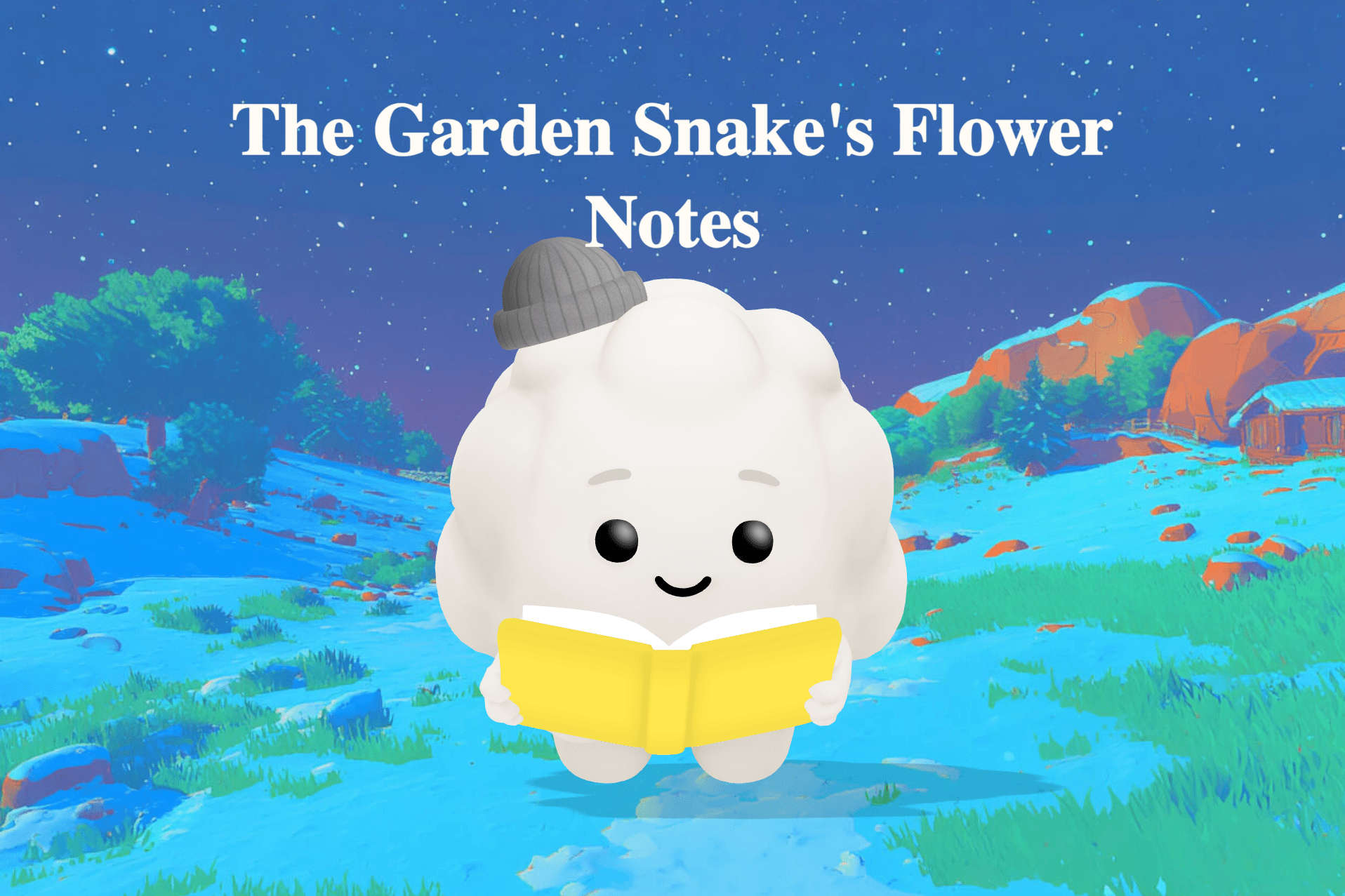
There is something about a gentle creature slipping through a moonlit garden that makes little eyes grow heavy and hearts feel safe. In this story, Samuel the garden snake leaves handwritten notes and fresh flowers on his neighbors' porches, hoping someone will finally see past his scales and call him a friend. It is one of the sweetest short snake stories for preschoolers we know, wrapping kindness, patience, and belonging into a cozy bedtime moment. If your child loves this tale, you can create a personalized version starring their own name and favorite details with Sleepytale.
Why Snake For Preschoolers Stories Work So Well at Bedtime
Snakes fascinate preschoolers in a very particular way. They move differently, they look different, and they live in places children love to explore: gardens, stone walls, patches of tall grass. That mix of curiosity and gentle wonder makes snake for preschoolers stories at night a natural fit for bedtime. When the lights go low, a story about a small creature navigating a big world mirrors exactly how a young child feels at the end of a long day. What makes these stories especially soothing is the slowness built into a snake's world. Samuel glides from porch to porch, carefully choosing blooms and scratching notes onto birch bark. There is no rushing and no loud conflict. The pace itself becomes a lullaby, easing little listeners toward sleep one quiet scene at a time.
The Garden Snake's Flower Notes 11 min 22 sec
11 min 22 sec
Samuel the garden snake woke early, before the dew dried.
He stretched his green scales along the warm stone wall and listened.
Birds chirped.
A lawn mower hummed somewhere.
He waited for footsteps.
When they came, he lifted his head and smiled the way snakes do, mouth closed, eyes bright.
The jogger saw him and leapt sideways.
"Snake!"
she yelled, sprinting off.
Samuel's smile drooped.
He hadn't even said good morning.
He tried again with the mail carrier.
Same result.
The mail scattered across the grass, envelopes flapping like startled hens.
Samuel slithered beneath the hydrangeas.
"I'm not scary," he told the leaves.
They rustled but offered no advice.
He curled beneath a tomato plant and watched the ants.
They marched in tidy rows, exchanging tiny taps of antennae.
No one ran from ants.
Samuel sighed.
An idea wriggled into his mind like a beetle under bark.
He studied the yard.
Marigolds nodded along the fence.
Zinnias flared orange near the mailbox.
He could pick a few.
Leave a gift.
People liked gifts.
He practiced first, looping a stem around his body, twisting until the bloom rested neatly on his back.
He carried it to the porch of the yellow house and laid it on the mat.
Then he nudged a pebble until it rolled beside the flower.
The pebble looked lonely.
He found a strip of birch bark, thin as paper.
With a thorn he scratched crooked letters: From your neighbor.
He stepped back.
The word neighbor felt warm in his mouth.
He arranged another bloom, another note.
By sunset he had visited six porches.
His muscles ached, but the ache felt sweet.
Next morning Samuel hid beneath a hosta and waited.
Mrs.
Dalloway opened her door, saw the marigold, and blinked.
She picked it up, read the bark, and smiled.
Samuel's heart thumped against loam.
She looked around the yard, gaze sweeping past his hiding spot without pausing.
Still, hope unfurled inside him like a fern frond.
Days passed.
He delivered more flowers.
Cosmos, petunias, even a single sunflower too heavy to balance.
He left them at different doors each time, always signing the same way.
Sometimes he heard laughter.
Sometimes puzzled murmurs.
No one screamed.
One evening he found a cookie on a saucer beside the marigold he'd left at the blue house.
Oatmeal raisin.
A napkin underneath said Thank you in purple crayon.
Samuel coiled around the saucer, tasting sweetness in the air.
He began varying his notes.
Found this near the gate.
Thought you might like it.
Hope your day blooms.
He pressed violets between pages of an old phone book he found in recycling bin so they kept their shape.
He learned which flowers lasted longest in August heat.
He learned Mrs.
Dalloway liked yellow, Mr.
Patel preferred red.
Still, no one knew him.
If he showed himself, bouquets flew from hands.
Children grabbed sticks.
Adults reached for shovels.
Samuel retreated each time, confused and aching.
Autumn arrived.
The garden centers slashed prices on mums.
Samuel gathered broken stems after closing time, petals frayed but fragrant.
He left them in coffee cans, in shoes left on porches, once inside a mailbox (the flag up so the postwoman would notice).
Each carried a note.
From your neighbor.
One crisp morning he found a reply.
A sheet of notebook paper weighted by an acorn: Dear Neighbor, thank you for the flowers.
They make my kitchen smell like summer.
Who are you?
Samuel read the words ten times, tongue flicking with excitement.
He could write back.
He could tell her.
He pictured Mrs.
Dalloway reading his confession, dropping the paper, backing away.
He pictured the shovel.
Instead he wrote: Someone who likes sharing beauty.
He left a cluster of white asters and hurried away before sunrise.
More letters appeared.
Children drew pictures of flowers with smiling faces.
Adults left longer notes describing busy days, sick pets, favorite songs.
Samuel collected them beneath a loose brick at the corner of his wall.
He read them during rainstorms, voice low, practicing human sounds he rarely used.
Winter came.
No flowers bloomed.
Samuel missed the routine, the quiet joy of choosing just the right bloom.
He tried leaving pinecones painted with blueberry juice.
He left icicles hanging from string.
He left tiny snowmen made with his own coils as bases, each wearing a leaf scarf.
The notes continued.
One snowy dusk he found a tin of cocoa mix beside his latest snowman.
The tag read: For the flower neighbor.
Stay warm.
Samuel pressed his belly against the tin, absorbing what heat he could.
He slept beside it, dreaming of spring.
When March mud arrived, he discovered green shoots poking through.
Snowdrops.
He picked one, then stopped.
What if the game had changed?
What if people had forgotten?
He left the bloom anyway, note trembling in his jaw.
Replies multiplied.
Paper snowflakes, valentines cut from magazines, a tiny knitted scarf in stripey yarn.
Someone left a flashlight, beam aimed at the sky like a beacon.
Samuel flicked it on and off, sending signals he hoped looked friendly.
April brought daffodils.
He left one on every porch, timing deliveries so no human saw him.
He grew bolder, leaving two blossoms, then three.
He tied stems together with grass blades.
He tucked blooms behind windshield wipers.
He balanced a tulip inside a bicycle helmet.
One night a voice interrupted his work.
"Hello?"
Soft, young, curious.
Samuel froze beneath the hydrangeas, heart racing faster than a hummingbird's wings.
A girl stood on the porch steps, pajama pants patterned with moons.
She held the daffodil he'd just left.
"Are you the flower neighbor?"
she whispered.
Samuel couldn't answer.
His tongue felt thick.
He curled smaller.
"My grandma thinks you're a fairy.
My dad thinks you're a kindly stranger."
She sat on the step.
"I think you're nice."
She placed the daffodil beside her.
"If you're shy, you don't have to talk.
I'll leave the light on."
She stood, paused.
"Thank you for the flowers."
She went inside.
The porch bulb glowed yellow.
Samuel waited until silence returned, then slipped away, daffodil still on the step.
Next evening he found a glass jar there, filled with water, waiting.
A note beside it: For the flowers.
No pressure.
He used it, leaving a spray of lilacs that scented the whole porch.
The girl waved from the window.
Samuel waved back, one quick flick of tail.
Days stretched into weeks.
He left snapdragons, sweet peas, roses scavenged from funeral home dumpsters, carefully rinsed.
He left bouquets wrapped in damp paper towel, secured with rubber bands.
He left single stems in medicine bottles.
Each morning the jar waited, sometimes with a new ribbon, sometimes with a cookie.
The girl, Mira, began leaving things too.
A marble with a galaxy inside.
A paper crane.
A tiny book of knock knock jokes.
Samuel read them aloud to the ants, who seemed unimpressed but listened anyway.
One humid night he arrived to find Mira sitting on the step, jar beside her.
She hummed tunelessly.
Samuel hesitated at the edge of shadow.
"I won't look if you don't want," she said.
"But you can set the flower down."
Samuel crept forward, moonlight sliding across his scales.
He placed a gardenia in the jar.
The scent drifted, heavy as a lullaby.
Mira kept her word, gaze on the sky.
"I drew you something."
She patted an envelope.
"It's okay if you don't take it.
I just wanted you to know you're welcome here."
Samuel's throat felt strange.
He nudged the envelope closer.
"You want it?"
He bobbed his head.
She smiled at the stars.
"Open it when you're safe."
He carried it home beneath the hydrangeas, sliding the paper out with trembling movements.
A crayon drawing: a snake wrapped in flowers, smiling.
Underneath, her careful printing: Thank you for being my friend.
Samuel stared until dawn.
Friend.
The word felt bigger than the sky.
He began leaving longer notes.
Not names, not yet.
But stories.
About rain.
About the way robins tilt their heads listening for worms.
About the day he found a lost toy and coiled around it until the child returned.
Mira wrote back, tales of spelling tests, scraped knees, dreams of flying.
One August evening, a storm knocked power out.
Samuel navigated by lightning flashes.
He reached the porch, jar overturned, water pooling.
He righted it, filled it from the gutter, added a zinnia.
The door creaked.
"Samuel?"
Mira's voice carried through darkness.
"Is that you?"
He froze.
She knew his name.
How?
"Grandma saw you once, last winter.
She remembered the green stripe.
We looked you up in a book."
Silence hummed between them like a bee.
"You're not scary," she whispered.
"Not to me."
Lightning flashed.
He saw her face, eyes wide but calm.
She saw his, tongue flicking.
The darkness returned, softer now.
He wrote a new note, letters shaky: Could we meet properly?
He left it in the jar, heart thudding louder than thunder.
Morning brought an answer: Saturday.
At the garden wall.
Bring your favorite flower.
I'll bring cookies.
Samuel spent three days deciding.
Rose too romantic?
Dandelion too common?
He settled on a single sunflower, bright as summer's last breath.
Saturday dawned golden.
He carried the bloom wrapped in damp cloth, moving slow so petals wouldn't bruise.
The wall waited, warm from sun.
He coiled nearby, sunflower beside him, and waited.
Footsteps.
Mira rounded the corner, plate in hand, grandmother behind her.
The woman paused, gaze sweeping over Samuel, assessing but not afraid.
Mira knelt, setting the plate between them.
Oatmeal raisin, still warm.
"Hi, Samuel."
He lifted his head.
"Hi, Mira."
The grandmother exhaled, a sound like wind through leaves.
She smiled, small but real.
"Thank you for the flowers."
They sat in quiet, cookie scent mixing with sunflower, bees buzzing lazy loops overhead.
No one ran.
No one yelled.
Just sun and shared breath.
Samuel tasted a cookie crumb Mira offered.
Sweet.
Soft.
Friendly.
He had planned grand speeches.
Instead he said, "I like your moons pajamas."
She grinned.
"I like your stripe."
They shared the plate until only crumbs remained.
Samuel curled around the sunflower stem, feeling its rough leaves, its living pulse.
Friendship felt like this, he realized.
Noticing small things.
Returning.
Speaking anyway, even when afraid.
The grandmother stood.
"Come for lunch tomorrow, Samuel.
We'll set a place by the garden."
He nodded, throat too full for words.
Mira waved as they left, plate empty, hearts full.
Samuel stayed, watching clouds drift, sunflower heavy with seed.
Tomorrow he'd bring more flowers.
Today, he'd bask in being known.
The Quiet Lessons in This Snake For Preschoolers Bedtime Story
This story gently explores persistence, generosity, and the courage it takes to keep showing up even when you feel unseen. Samuel keeps delivering flowers despite being met with screams and shovels, teaching children that kindness is worth repeating even when it is not immediately rewarded. When Mira finally speaks to him from the porch steps and says “you don't have to talk,“ the story shows that true friendship makes room for shyness and patience. These are the kinds of lessons that settle softly into a child's mind right before sleep, when the world feels quiet enough to listen.
Tips for Reading This Story
Give Samuel a soft, whispery voice and slow your pace whenever he scratches letters onto birch bark with a thorn, letting children feel the effort behind each crooked word. When Mira appears on the porch in her moon pajamas and whispers “Are you the flower neighbor?,“ drop your voice to barely above a breath so the room feels hushed and magical. During the winter scenes where Samuel leaves painted pinecones and tiny coiled snowmen, pause after each gift to let your child picture the snowy yard.
Frequently Asked Questions
What age is this story best for?
This story is ideal for children ages 2 to 5. The gentle repetition of Samuel leaving flowers on different porches keeps younger listeners engaged, while older preschoolers will love the mystery of who the “flower neighbor“ is and the moment Mira finally speaks to him from her moonlit porch step.
Is this story available as audio?
Yes, you can listen to the full audio version by pressing play at the top of the page. It is especially lovely to hear Samuel's handwritten notes read aloud, from “Hope your day blooms“ to “Someone who likes sharing beauty,“ and the narrator brings real warmth to Mira's whispered porch conversation.
Why does Samuel leave flowers instead of just introducing himself?
Every time Samuel shows himself, people scream, grab sticks, or reach for shovels, so he learns that flowers and handwritten notes can speak for him in a way his appearance cannot. Over time the neighbors begin writing back, leaving cookies, crayon drawings, and even a tiny knitted scarf in stripey yarn. The story shows children that there are many gentle ways to connect with others, even when meeting face to face feels too scary.
Create Your Own Version
Sleepytale turns your child's imagination into a personalized bedtime story in moments, complete with their name, favorite details, and a soothing narrative voice. You can swap the garden snake for a shy turtle, change the flowers to painted rocks, or set the whole adventure in your own neighborhood. In just a few taps you will have a calm, cozy tale ready for tonight's bedtime.
Looking for more bedtime stories for kids by age?
Scary Stories For Kindergarteners
Are you looking for short scary stories for kindergarteners? Wisp is a tiny trembling ghost who learns to name the shadows a windowsill.

Audiobooks For Kindergarteners
A tugboat named Biscuit navigates fog by following buoy bells, making short audiobooks for kindergarteners feel like a lullaby the water.
Short Newborn Bedtime Stories
Are you searching for short newborn bedtime stories where the moon watches over a sleeping baby all night?
Baby Bedtime Stories
Enjoy a cozy night with short baby bedtime stories like The Waiting Hug, featuring a stuffed rabbit's patient wait for one perfect embrace.

Short Stories For 8th Graders
Maya spent three years saying hello to every face in her hallway, and one quiet boy replied with dragons. Discover short stories for 8th graders here.
Kindergarten Stories
A lost red crayon waits under a bookshelf until a boy named Mateo draws a smiling sun in one of the sweetest short kindergarten stories for bedtime.