
Short Stories For Middle School
By

Dennis Wang, Bedtime Story Expert
6 min 5 sec
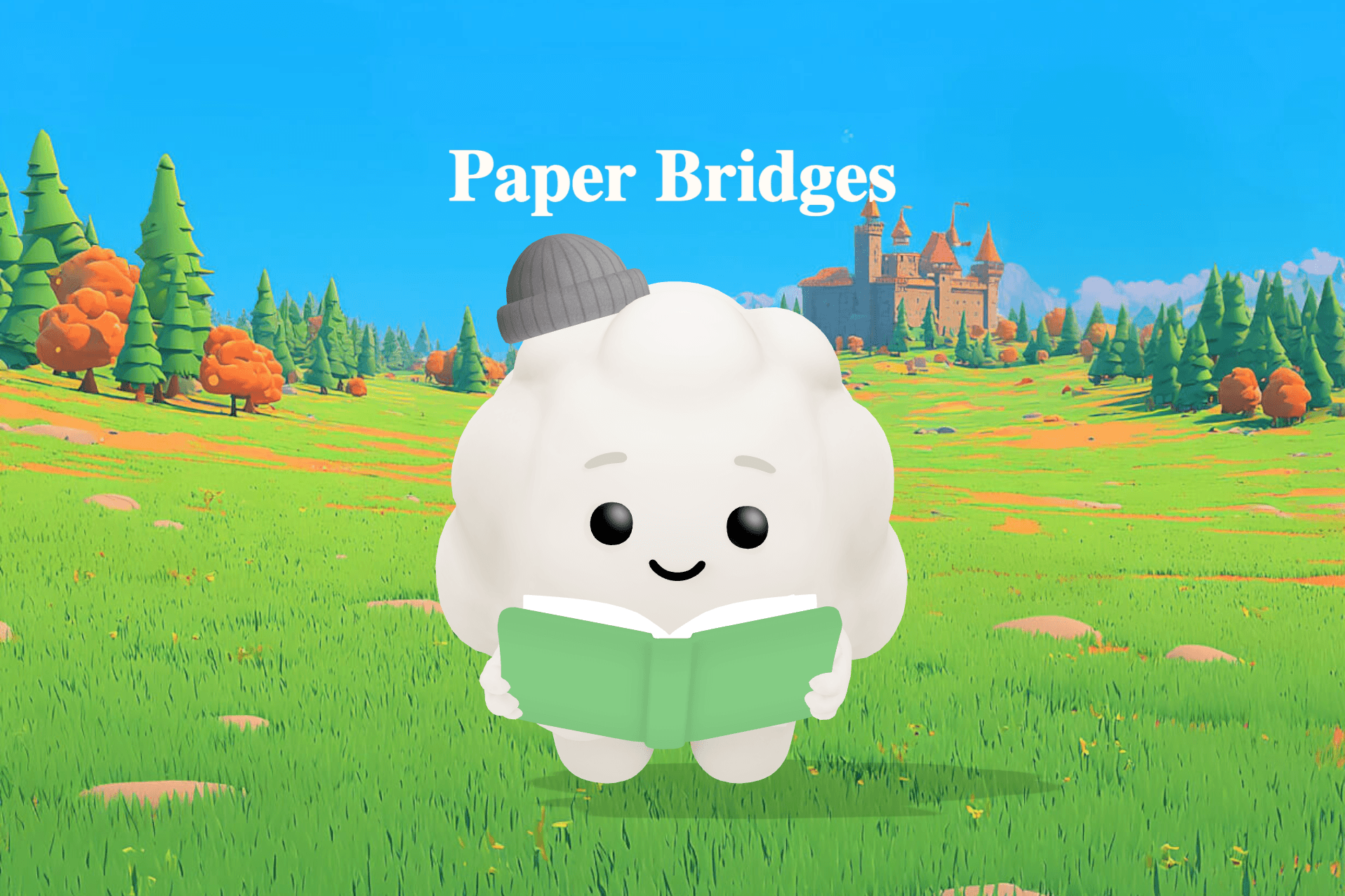
There is something deeply comforting about curling up at night with a story that feels real, where the characters worry about the same things you do. In Paper Bridges, a girl named Mira discovers a mysterious note tucked inside a library book and sparks a secret chain of paper friendships across her whole school. It is one of those short stories for middle school that stays with you, the kind that makes loneliness feel a little less heavy right before sleep. If your child loves this idea, you can create a personalized version with Sleepytale.
Why For Middle School Stories Work So Well at Bedtime
Middle school is a time when kids feel everything intensely but often lack the words to say it out loud. That is exactly why for middle school stories at night, especially ones rooted in quiet connection and everyday bravery, hit differently than daytime reading. When the lights go down, kids finally have space to sit with the feelings they pushed aside all day. A story like Paper Bridges gives them permission to do that. These kinds of stories also remind kids that they are not the only ones who feel lost or unsure. Reading about a character who reaches out through something as simple as a note in a book can make a child feel seen. At bedtime, that reassurance settles in deep, helping them drift off knowing the world is full of people who care, even if they haven't met them yet.
Paper Bridges 6 min 5 sec
6 min 5 sec
Mira found the note on a rainy Tuesday.
The library smelled like old paper and wet coats.
She'd pulled out The Wild Robot for her book report and a square of lined paper fluttered to the floor.
If you're reading this, we'd probably be friends.
No name.
No number.
Just blue ink, the t's crossed with tidy little flags.
Mira's stomach did that jumpy thing.
Someone else had held this exact book.
Someone who wanted a friend but couldn't say it out loud.
She read the note three times.
Then she slipped it back between pages 112 and 113, where the robot learns to garden.
All week the words followed her home.
They sat at the dinner table while Mom talked about her new job.
They rode the bus while kids argued about who touched whose stuff.
They whispered during math when Mrs.
Patel wrote problems no one cared about.
Friday afternoon Mira returned to the library.
She brought her favorite mechanical pencil and a fresh sheet from her science notebook.
Her hands shook a little.
Dear Friend, she wrote.
I'm reading this same book again because the robot reminds me of my cousin who moved away.
What's your favorite part?
She folded it small and tucked it inside page 45 of The Wild Robot Returns.
Then she waited.
Two days later she checked.
The note was gone.
Mira started carrying paper in her backpack.
She left questions in books about dragons, about baking, about kids who could talk to animals.
She tried different hiding spots.
Inside jacket flaps.
Between the last page and the back cover.
Once, daringly, taped to the very middle using a sticker from the librarian's desk.
The first reply came three weeks later.
She'd nearly given up.
Found your note in Ways to Make Sunflowers.
I like how you sign your S with a little loop.
My favorite color is green like spring onions.
Do you have a pet?
Write back in The Cookie Guide.
Mira grinned so wide her cheeks hurt.
She wrote back immediately.
I have a fish named Bloop who swims in figure eights when he's happy.
By Thanksgiving, five kids were leaving notes.
Nobody knew who anybody was.
They used code names.
Book Dragon.
Page Turner.
Dewey Decimal.
Mira called herself Story Catcher because that's what her grandma called her before she died.
They left notes in every section.
Picture books.
Graphic novels.
Even the boring encyclopedias nobody touched.
The network grew like ivy up a wall.
One kid wrote about parents fighting.
Another shared their fear of the dark.
Someone confessed they couldn't read big words but loved stories anyway.
Mira learned that everyone, absolutely everyone, felt lonely sometimes.
Winter came early.
Snow piled against the library windows.
Inside, the note leavers got braver.
They started leaving tiny gifts.
A paper crane.
A gum wrapper folded into a heart.
A drawing of a cat wearing roller skates.
Mira left a joke in a dinosaur book.
What do you call a T-Rex who hurts himself?
An ambulance, because he can't reach anything with those tiny arms.
She checked daily for a week.
No response.
Maybe dinosaur kids didn't like jokes.
Then she found it.
A note taped to her locker.
Dear Story Catcher, Your joke made milk come out my nose.
Thanks for that.
Meet me by the big window at lunch?
I'll be wearing purple.
Mira's heart hammered.
Purple could be anyone.
Purple could be nobody.
Purple could change everything.
She almost didn't go.
Almost.
The cafeteria buzzed with trays and chatter.
She carried her sandwich to the window.
A girl sat alone, purple sweater, brown curls escaping her ponytail.
She kept glancing around.
Mira's feet felt heavy.
She thought about turning back.
Instead she sat down.
"Hi," said Purple Sweater Girl.
"I'm Zoe."
"Mira."
They looked at each other.
Both smiled at the same moment.
"You started it," Zoe said.
"The notes."
"How did you know?"
"Your S.
The loop.
I noticed."
Zoe unwrapped a cheese stick.
"I was scared to meet you.
But I'm glad I did."
They talked until the bell rang.
About books and brothers and how multiplication felt impossible.
When they parted, Mira felt lighter than snow.
The next day, another note waited in her locker.
Dear Story Catcher, I met someone yesterday.
She was nice.
I think we should keep the notes going though.
For kids who need them.
What do you think?
Mira thought about all the kids who ate lunch alone.
Who hid in bathroom stalls.
Who smiled in the hallway then cried at home.
She wrote back immediately.
Dear Page Turner, Yes.
Let's make it bigger.
By spring, the network spanned the whole school.
Notes traveled between elementary and middle school wings.
Kids who'd never spoken shared secrets on paper.
The librarian started leaving out a basket of blank cards.
Teachers pretended not to notice when students slipped folded papers into books during class.
Nobody knew who'd started it.
That was the beauty.
Anyone could be first.
Everyone could belong.
On the last day of school, Mira returned to The Wild Robot.
She'd checked it out nine times.
Inside the front cover, she left one final note.
To whoever finds this: You are not alone.
Somewhere, someone wants to be your friend.
They just don't know how to say it yet.
Be brave.
Say hello first.
Or write it down.
Paper bridges build strong.
She didn't sign her name.
She didn't need to.
The story belonged to everyone now.
Outside, kids spilled onto the sidewalk.
Summer stretched ahead like a blank page.
Mira walked home with Zoe and two other note leavers they'd discovered.
They talked about starting a book club.
About writing their own stories.
About maybe, possibly, becoming librarians when they grew up.
Behind them, the library stood quiet and waiting.
Inside, paper wings rustled between pages.
Friendships taking flight.
The Quiet Lessons in This For Middle School Bedtime Story
Paper Bridges gently explores bravery, belonging, and the power of vulnerability. When Mira decides to write back to a stranger's note instead of ignoring it, she models the courage it takes to reach out first. As the network grows and kids share fears about parents fighting or not being able to read big words, the story shows that honesty is what turns strangers into friends. These lessons land softly at bedtime, when a child's guard is down and their heart is most open.
Tips for Reading This Story
Give Zoe a warm, slightly nervous voice when she says “I was scared to meet you“ by the cafeteria window, and let a long pause sit before Mira decides to sit down. Slow your pace during the moments when Mira reads each new note, as if you are unfolding the paper together for the first time. When you reach the final note she leaves inside The Wild Robot, read “You are not alone“ quietly and clearly, letting each word land like a gift.
Frequently Asked Questions
What age is this story best for?
Paper Bridges is best suited for kids ages 8 to 13, though it resonates especially well with readers around 10 to 12 who are navigating friendships and identity. Mira's experiences with loneliness, her nervousness about meeting Zoe, and the honesty of the secret note network will feel familiar and validating to this age group. Younger listeners can still enjoy the warmth of the story with a parent reading alongside them.
Is this story available as audio?
Yes, you can listen to Paper Bridges as audio by pressing play at the top of the page. The audio version brings out the quiet tension of Mira waiting weeks for her first reply and the joyful moment when she finally sits across from Zoe in her purple sweater. Hearing the notes read aloud, especially the dinosaur joke that sends milk out of someone's nose, adds a wonderful layer of personality.
Why does Mira use notes in books instead of just talking to people?
Mira discovers that writing feels safer than speaking, especially when you are not sure if someone will understand. The story shows that some kids, like the one who confessed they couldn't read big words or the one whose parents were fighting, need the privacy of paper to be honest. The notes become a bridge between lonely kids who might never have spoken face to face otherwise.
Create Your Own Version
Sleepytale turns your child's everyday ideas into personalized bedtime stories in moments, making every night feel like a new adventure. You can swap the library setting for a community garden, change the hidden notes to painted rocks, or give your child a secret code name like Mira's “Story Catcher.“ In just a few taps, you will have a cozy, calming tale ready for tonight.
Looking for more bedtime stories for kids by age?
Scary Stories For Kindergarteners
Are you looking for short scary stories for kindergarteners? Wisp is a tiny trembling ghost who learns to name the shadows a windowsill.
Audiobooks For Kindergarteners
A tugboat named Biscuit navigates fog by following buoy bells, making short audiobooks for kindergarteners feel like a lullaby the water.
Short Newborn Bedtime Stories
Are you searching for short newborn bedtime stories where the moon watches over a sleeping baby all night?
Baby Bedtime Stories
Enjoy a cozy night with short baby bedtime stories like The Waiting Hug, featuring a stuffed rabbit's patient wait for one perfect embrace.
Short Stories For 8th Graders
Maya spent three years saying hello to every face in her hallway, and one quiet boy replied with dragons. Discover short stories for 8th graders here.
Kindergarten Stories
A lost red crayon waits under a bookshelf until a boy named Mateo draws a smiling sun in one of the sweetest short kindergarten stories for bedtime.