
Saxophone Bedtime Stories
By

Dennis Wang, Bedtime Story Expert
6 min 58 sec
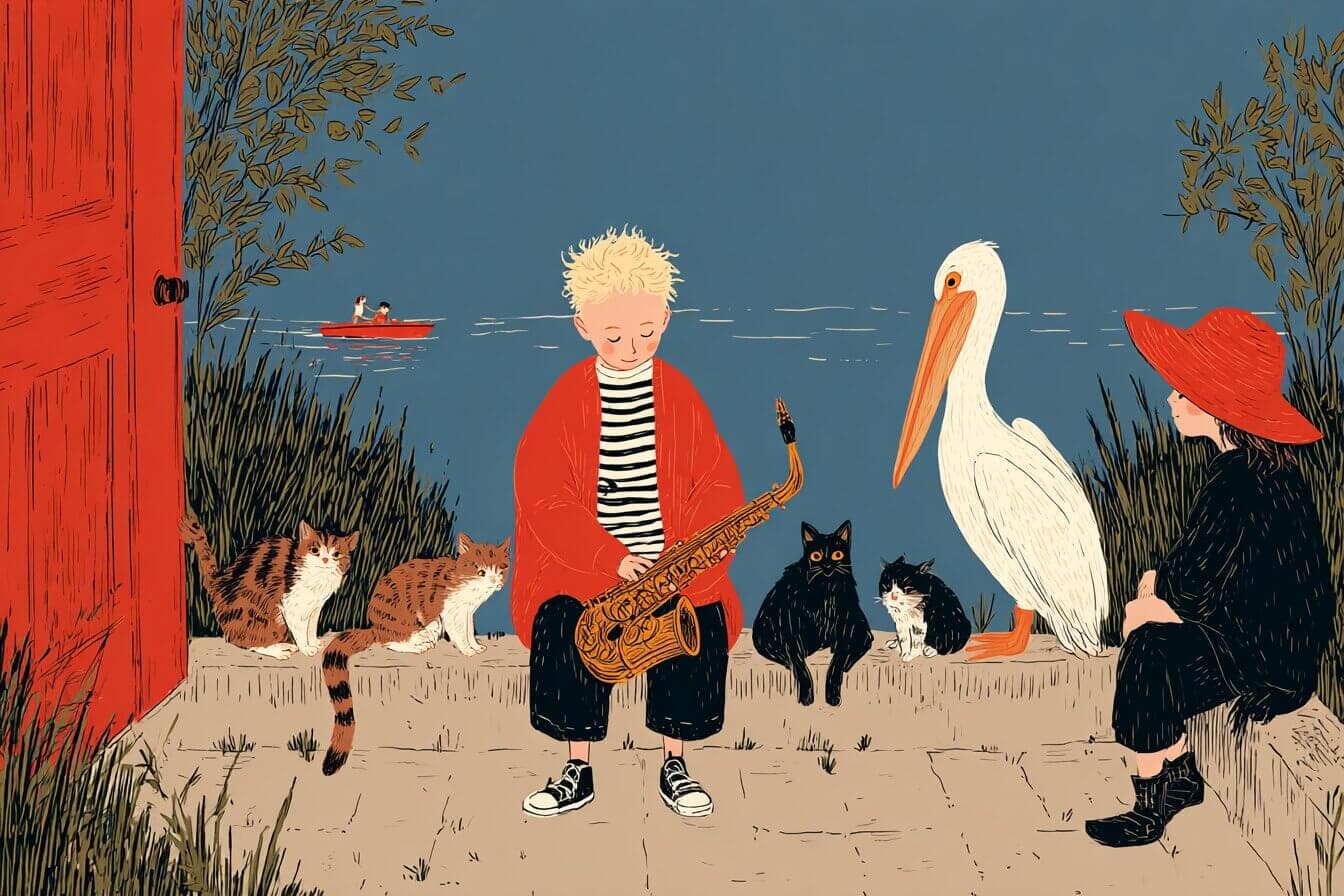
There's something about the warm, round sound of a saxophone that wraps around you like a blanket on a cool evening. In The Porch That Went to Jazz, a boy named Milo discovers that his grandpa's old horn can summon cats, raccoons, and even a pelican to his front porch for nightly concerts under the Christmas lights. It's one of those short saxophone bedtime stories that hums with gentle wonder and just the right amount of magic. If your child loves it, you can create your own musical bedtime tale with Sleepytale.
Why Saxophone Stories Work So Well at Bedtime
A saxophone has a voice that sounds almost human, breathy and warm, which is exactly what makes it such a natural fit for winding down. Kids respond to that tone the way animals respond to Milo's porch concerts: with stillness, curiosity, and a willingness to stay a while. Music is already a familiar part of many bedtime routines, and a story built around it taps into that same calming rhythm. A bedtime story about saxophone music also gives children a way to think about listening itself. In this tale, the animals don't applaud or cheer; they simply sit, purr, and lean in. That quiet attention mirrors the kind of focus we hope bedtime brings, a gentle settling of the body and mind before sleep arrives.
The Porch That Went to Jazz 6 min 58 sec
6 min 58 sec
The saxophone was older than Milo’s grandpa and smelled like attic soup.
He only pressed three shiny keys, but the sound that spilled out was velvet and honey and fireworks all at once.
His fingers froze.
The reed kept vibrating like it had somewhere better to be.
Milo didn’t know he’d just played the smoothest jazz riff anyone in Maple Street history had ever heard.
He only knew his mom opened the kitchen window and yelled, “Turn it down, kiddo!” Then the first cat arrived.
It was orange, skinny, and wearing the expression of someone who’d finally found the right bus stop.
It leapt onto the porch rail, tail ticking like a metronome.
Milo blinked.
“Hi?” The cat blinked back, slow and certain.
By the time Milo tried the second note, three more cats materialized from under the hydrangeas.
They sat in a neat semicircle, whiskers aimed at the brass.
Milo’s heart thumped.
He lifted the horn again, cheeks puffing.
The riff came back, easier this time, like it lived in the metal all along and only needed permission.
The porch boards vibrated.
Somewhere inside, the fridge hummed along in B flat.
After the fourth song, Milo set the sax on the bench and tiptoed inside for lemonade.
When he returned, a raccoon wearing a chipped dog tag that read “Harold” was inspecting the spit valve.
“Hey, that’s mine.” Harold paid no taxes to the concept of ownership.
He simply sat back on his haunches and waited.
Milo sighed, wiped the mouthpiece on his shirt, and played a gentle trill.
Harold closed his eyes like he was remembering something sweet.
The cats purred in four part harmony.
Night drifted in, bringing fireflies and the buttery smell of someone grilling corn.
Milo’s dad peeked out, saw the audience, shrugged, and went back to his crossword.
Word spread faster than a sneeze in kindergarten.
By Friday, the porch felt like a subway platform at rush hour.
Squirrels lined the banister.
A skunk occupied the swing, careful to keep its tail tucked.
Mrs.
Pennington from next door brought folding chairs and a bowl of butterscotch candies no animal touched.
Milo’s repertoire expanded: a waltz, a blues, something that sounded like a lullaby wearing sunglasses.
He tried to copy the records his grandpa used to spin, but the notes always curved into shapes of their own, like they were impatient with other people’s maps.
Mom started charging admission in the form of cat kibble.
Dad installed a string of Christmas lights along the gutter.
Milo worried the neighbors would complain.
Instead, they came with picnic blankets and babies on hips, swaying while the moon climbed the maple.
The animals never hissed or barked.
They waited their turn, polite as parishioners.
On the eighth night, a pelican arrived.
It landed on the mailbox with a thud that bent the flag sideways.
Milo stared.
Maple Street was two hundred miles from any coastline.
The pelican opened its beak and produced a single silver fish, which it laid on the welcome mat like a ticket.
Milo swallowed, lifted his horn, and played the first few bars of “My Funny Valentine.” The pelican’s throat pouch fluttered.
Somewhere in the middle of the bridge, Milo realized he was crying, though he couldn’t say why.
Maybe because beauty sometimes sneaks up wearing feathers you never expected.
Maybe because the saxophone had become a door he didn’t know how to close.
The song ended.
The pelican bowed, accepted a head scratch from Mrs.
Pennington, and flapped off into the dark.
Milo slept that night with his window open, horn on the blanket, dreaming of waves that sounded like applause.
The next evening, reporters arrived.
A van with a satellite dish parked across the street.
A lady with microphone breath asked Milo how it felt to be “the eight year old maestro of Maple.” He shrugged, cheeks hot.
“I just blow.” The cameras rolled.
Cats scattered.
The skunk sprayed the front tire of the van.
The segment never aired.
Milo decided concerts should belong to twilight, not television.
He posted a sign: “Shows at dusk.
No flash photography.
Bring a can for the food bank.” The raccoons interpreted this as an invitation to redistribute the contents of every trash can in the zip code.
Dad built a bigger porch.
Mom bought industrial size bags of kibble.
Milo learned to play “Take the A Train” while a possum clapped with its tail.
Autumn leaned in, coloring the trees like they’d been dipped in cinnamon.
One Tuesday, Milo pressed a key and nothing happened.
He checked the reed.
It was cracked, dry as toast.
He tried another.
Same silence.
The animals stirred, restless.
Milo’s stomach twisted.
“I’m sorry, guys.
I think the magic’s gone.” He set the horn on his lap, stared at the Christmas lights now flickering like they felt sorry for him.
The orange cat leapt onto his shoulder, rubbed its head against his ear, and purred one low steady note.
Milo closed his eyes.
Listened.
Inside the purr he heard the riff, waiting.
He lifted the sax, took a breath that tasted like kibble and corn smoke, and played.
The sound wasn’t smooth this time.
It wobbled, squeaked, bent sideways.
But it was honest.
The cats didn’t leave.
The raccoons stayed.
Even the skunk uncurled its tail.
Milo understood then: the magic wasn’t in perfection.
It was in showing up, in sharing the porch, in letting the wrong notes be right enough.
Winter came.
Snow tucked the world quiet.
Milo played with mittens cut fingerless.
Steam rose from the bell of the horn like dragon breath.
The animals shrank to a loyal few: Harold the raccoon, the orange cat now answering to “Cheddar,” and a one eared rabbit who seemed to have misplaced its sense of timing.
They huddled on a blanket Dad heated with an old hair dryer before each set.
One night, Mila from the third grade climbed the porch steps carrying a tin flute.
She didn’t speak, just lifted the flute to her lipsticked mouth.
Milo counted them in.
Their duet sounded like snowflakes learning to tango.
The porch light buzzed.
Somewhere down the block, a baby stopped crying.
When spring returned, the pelican came back too, this time with a mate.
They brought no fish, only a fresh breeze that smelled of salt and distant storms.
Milo played “Blue Skies” while new kittens tumbled over boots.
The concerts kept happening, softer, smaller, but alive.
The sign changed: “Shows at dusk.
Bring a can.
Bring a song.
Bring yourself.” One evening, Milo set the saxophone on its stand and sat on the top step.
Cheddar crawled into his lap.
Harold snored under the swing.
The Christmas lights flickered once more, then settled.
Milo listened to the neighborhood: a dog, a mower, someone calling kids in for supper.
He smiled, small and crooked, and whispered, “Same time tomorrow?” The cat purred yes.
The porch exhaled.
Somewhere inside, the fridge hummed the final chord.
The Quiet Lessons in This Saxophone Bedtime Story
This story explores perseverance, generosity, and the courage to be imperfect. When Milo's reed cracks and his notes wobble, he learns that showing up matters more than sounding flawless, a moment that reassures kids perfection is never the goal. His decision to turn the concerts into a community event, complete with a sign asking visitors to bring cans for the food bank, quietly models generosity without making a lecture of it. These lessons settle gently at bedtime, when children are open and reflective rather than restless.
Tips for Reading This Story
Give Cheddar the orange cat a slow, rumbling purr sound whenever he appears, and let Harold the raccoon's scenes land with a slightly mischievous, gravelly tone. When Milo's reed cracks and silence fills the porch, pause for a full breath before continuing so your child can feel the tension alongside him. During the duet with Mila and her tin flute, soften your voice to almost a whisper to match the lovely image of snowflakes learning to tango.
Frequently Asked Questions
What age is this story best for?
This story works best for children ages 4 to 9. Younger listeners will love the parade of animals gathering on Milo's porch, especially the raccoon named Harold and the orange cat called Cheddar. Older kids will connect with Milo's feelings about imperfection and his quiet realization that music is really about sharing, not performing.
Is this story available as audio?
Yes, you can listen to the full audio version by pressing play at the top of the page. It's especially fun to hear Milo's wobbly notes after his reed cracks, the moment the pelican lands on the mailbox with a thud, and the hushed duet with Mila's tin flute on a snowy evening. The narrator brings each of those scenes to life with pacing that feels like music itself.
Why do animals gather on Milo's porch when he plays saxophone?
In the story, the animals are drawn to the warm, velvety sound of Milo's saxophone, starting with a skinny orange cat and growing to include raccoons, squirrels, a polite skunk, and even a pelican from two hundred miles away. They sit in neat semicircles, purr in harmony, and never hiss or bark, as if the music creates a peaceful space they all want to share. It's a gentle way of showing kids that music can bring very different creatures together.
Create Your Own Version
Sleepytale turns your child's musical daydreams into a personalized bedtime story in moments. You can swap the saxophone for a ukulele, replace the porch with a rooftop garden, or let a parade of penguins be the audience instead of cats and raccoons. In just a few taps, you'll have a cozy, one of a kind tale ready for tonight's bedtime.
Looking for more music bedtime stories?

Rock Bedtime Stories
A dad's secret past as a crowd surfing guitarist sparks a family jam session in one of our favorite short rock bedtime stories.

Rap Bedtime Stories
Ever wondered why short rap bedtime stories help kids sleep? Suki's sticky note rhymes and Milo's shoebox surprise say it all.
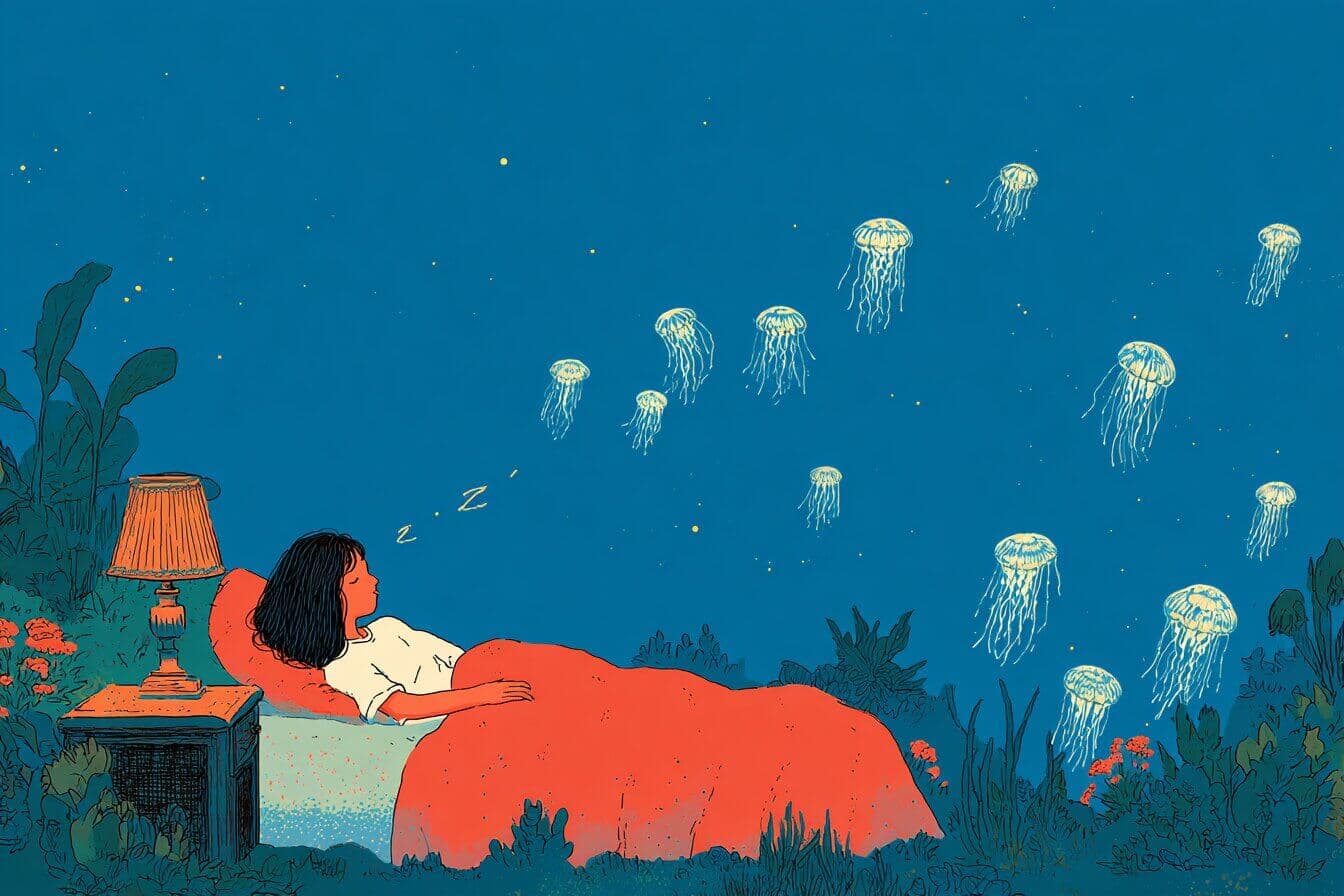
Pop Bedtime Stories
What happens when Mina performs for glowing jellyfish in one of our short pop bedtime stories featuring a silver pearl?
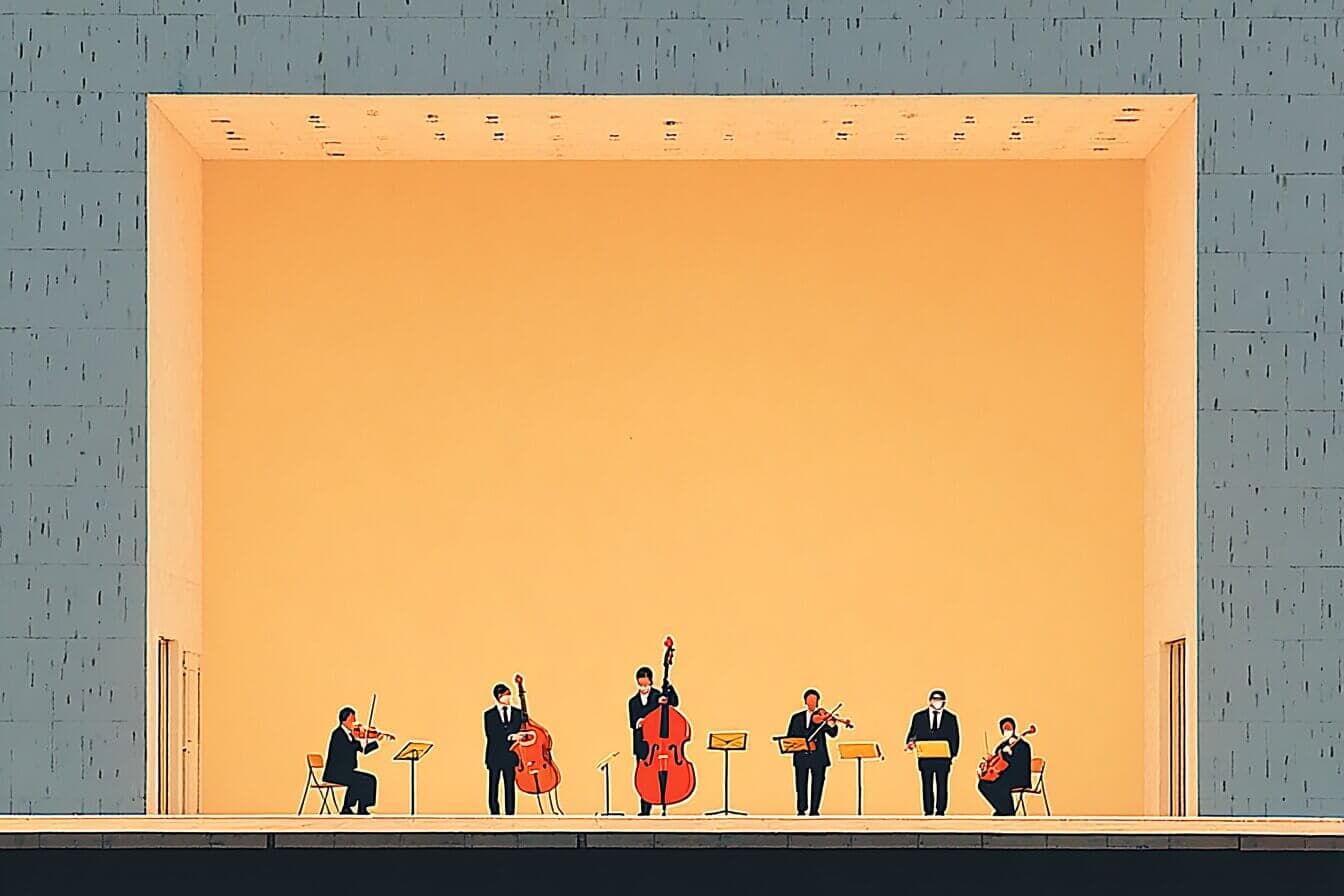
Orchestra Bedtime Stories
Mia's single triangle note unites a quarreling orchestra in one of our favorite short orchestra bedtime stories for little listeners.
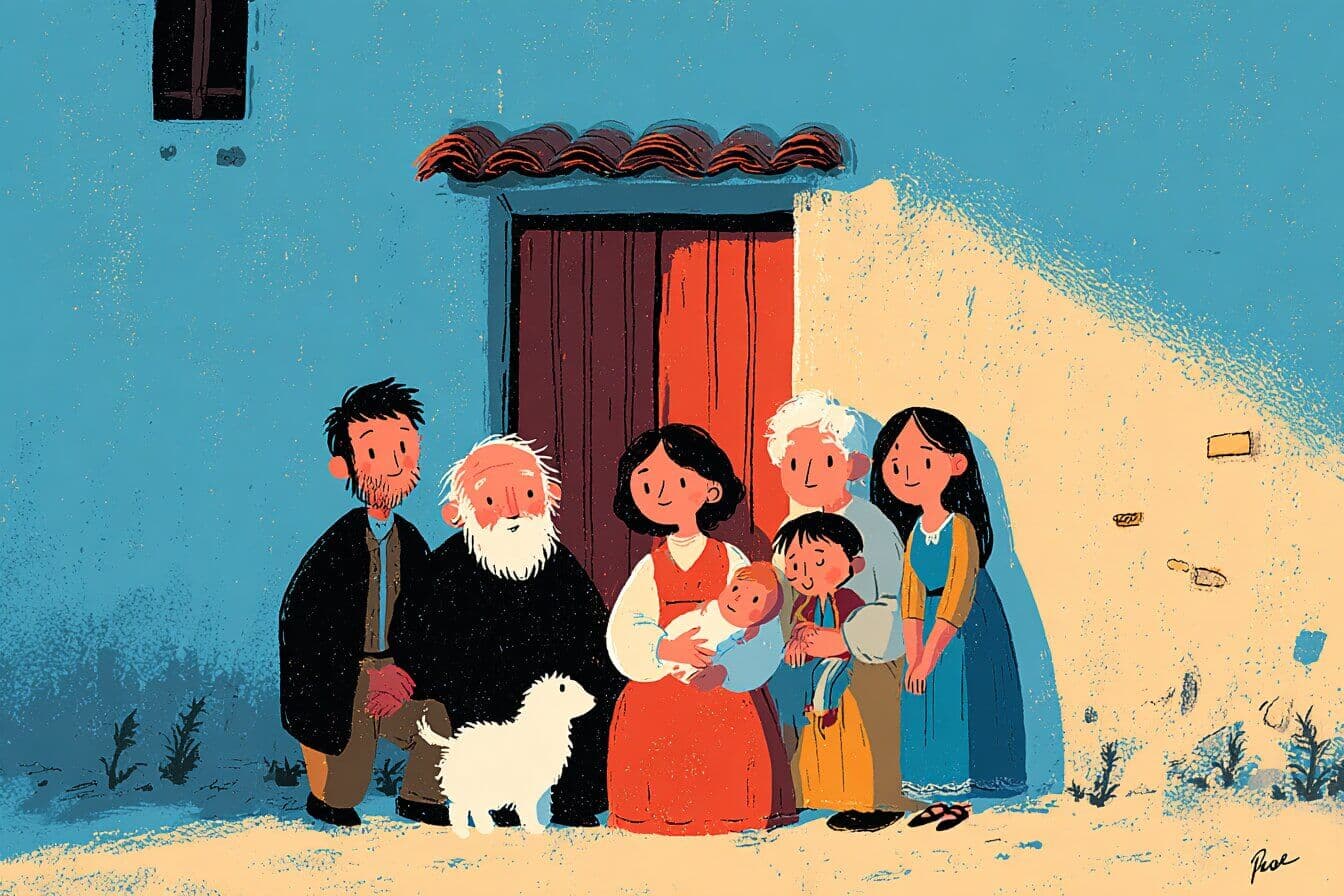
Lullaby Bedtime Stories
Enjoy short lullaby bedtime stories like Mira's magical night Lark Lane, where a glowing feather chooses its keeper.

Kpop Bedtime Stories
A copper gold seed leads Jennie through Central Park in one of our favorite short kpop bedtime stories.