
Kpop Bedtime Stories
By

Dennis Wang, Bedtime Story Expert
9 min 4 sec

There's something magical about the way music and starlight blend together right before sleep. In The Song in Jennie's Pocket, a young Kpop idol loses her voice the night before a sold out concert and follows a glowing seed into Central Park, where a mysterious tree holds the key to singing again. It's one of those short kpop bedtime stories that wraps big feelings in a cozy blanket of melody and wonder. If your child loves the idea, you can create your own personalized version with Sleepytale.
Why Kpop Stories Work So Well at Bedtime
Kpop is built on rhythm, color, and teamwork, all things that feel comforting when the lights go low. Children are drawn to the sparkle of stage lights and the closeness of a group that sings together, and that sense of belonging translates beautifully into bedtime. A Kpop bedtime story for kids taps into those same feelings of connection, wrapping them in a narrative that slows the heartbeat instead of speeding it up. There's also something reassuring about a performer who faces a problem and works through it quietly. Kids learn all day long that being loud and fast gets attention, so a story where silence becomes the starting point for growth feels like permission to rest. The glittering world of Kpop, softened by night and imagination, gives children a dreamy landscape where big emotions can settle gently before sleep.
The Song in Jennie's Pocket 9 min 4 sec
9 min 4 sec
Jennie loved the stage lights the way other kids loved sunshine.
Bright, hot, everywhere at once.
She danced in them, sang in them, and when the crowd shouted her name, she felt it in her ribs like a second heartbeat.
The night her voice vanished, the lights were already on.
The others were stretching in the practice room, laces tapping the mirror.
Jennie opened her mouth to warm up the way she always did, soft hum, then the high run that sounded like a bell sliding downhill.
Nothing came out.
She tried again.
Air.
Just air.
Rosé looked over.
“You saving it for the big show?” Jennie nodded fast, too fast.
Inside her throat felt scooped clean, a cave with no echo.
They flew to New York the next morning, twelve hours of sky and no songs.
Jennie wrote on a pad: Throat sore.
Resting.
The others believed her.
Why wouldn't they?
Voices don't pack themselves and walk off.
But hers had.
Times Square blinked like it had swallowed every star.
Their manager pointed at the billboard: BLACKPINK LIVE AT MADISON SQUARE GARDEN, FOUR NIGHTS.
SOLD OUT.
Jennie's photo smiled, paper-flat, still singing.
She pressed her coat pocket.
Something inside beat against her palm, tiny and stubborn.
A marble?
A pebble?
She didn't remember putting it there.
It pulsed, warm, through the wool.
The hotel room was tall and glassy.
She shut the curtains, opened her mouth in the mirror.
Tonsils, tongue, teeth, everything in place.
She tried a whisper.
The marble in her pocket jumped, knocking her hipbone.
She pulled it out.
Not a marble.
A seed, copper gold, no bigger than a raindrop.
It beat again, thump, thump, like it had a heart.
“Hello?” she croaked.
No sound, but the seed flared brighter.
Jennie swallowed nothing.
The seed rolled across her palm, pulling her hand toward the window.
She followed, barefoot, cold from the sill.
Central Park spread below, black ponds and white lamps.
The seed tugged harder, tapping the glass.
She dressed in hoodie and mask, slipped into the hall.
Elevator down.
Lobby empty except for a night clerk humming badly off-key.
The automatic doors opened on their own.
Outside, February bit her cheeks.
The seed pointed like a compass.
She walked west, past neon pharmacies and steam vents that sighed like tired dragons.
Taxis hissed by.
Her sneakers crunched salt.
At the park gate the seed tugged so hard it nearly leapt.
She closed her fist around it and stepped into the dark.
Paths twisted, empty of joggers.
Bare branches rattled overhead.
The seed glowed through her fingers, showing frost on the grass.
She followed its pull across a bridge, through a tunnel, to a clearing she didn't know.
A single tree stood in the center, bark pale as paper.
Not an oak, not an elm.
She had never seen its like in Seoul or here.
Low branches reached like open arms.
Roots broke the ground in smooth humps you could sit on.
The seed jerked.
Jennie knelt, pressed it to the earth.
It wriggled down, drilling a hole no wider than a straw, and vanished.
Silence.
Then a crack like a cap snapping.
A sprout shot up, thin as headphone wire.
It climbed, leafed, thickened.
In seconds a sapling quivered where she knelt.
Leaves shimmered, color of stage lights, rose, cobalt, violet, shifting with every blink.
A breeze carried a scent she couldn't name: half pine, half popcorn, half something her grandmother cooked on feast days.
Three halves, impossible, but true.
The sapling swayed toward her.
A single leaf detached, floated, landed on her open palm.
It wasn't leaf; it was paper-thin music.
Staff lines twined like vines.
Notes scattered, rearranging themselves into her own handwriting.
She read them without thinking.
Sound came back, not through her throat but through the air itself, swirling around her like scarves.
The note was middle C, the one she always warmed up on.
It rang, bright and round.
The tree rustled, eager.
More leaves fell, each a page.
They layered over her palms, her wrists, her knees.
She read them, silent still, but every read note sounded somewhere above her head, gathering into melody.
It was the lullaby her mother hummed while folding towels.
Jennie hadn't remembered it until now.
She sat on a root, pages drifting around her like slow snow.
The tree grew while she read, rings stacking inside its trunk, years in seconds.
When the last leaf fell, the music stopped mid-phrase.
A hush deeper than snow.
Jennie touched her throat.
Still mute.
But the tune hovered, unfinished.
She looked at the trunk.
A hollow the size of her fist had opened, dark inside.
She understood, the way you understand a dream while dreaming.
Trade.
A song for a voice.
But which song?
And how?
She had hundreds.
Hits, b-sides, covers scribbled on napkins.
She tried to pick one.
Nothing felt big enough to trade.
Behind her, footsteps.
She turned, ready to bolt.
A kid stood there, maybe ten, hair sticking out under a knit cap.
He held a flashlight pointed at his shoes.
“I heard music,” he whispered.
“Real quiet.
Like a secret.” Jennie put a finger to her lips.
He nodded, eyes wide.
“You're her.
From the poster.
You lost your voice?” She shrugged, half yes, half don't-know.
He stepped closer.
“My dad says voices go on journeys.
Maybe yours got scared of all the shouting.” She smiled under the mask.
The tree creaked.
Another leaf trembled, ready to drop.
The boy looked up.
“That tree's growing your song, huh?” She wrote on her phone: How did you know?
“I hear things.
Not with ears.” He tapped his chest.
“In here.” A siren wailed somewhere beyond the park.
The leaf fell.
Jennie caught it.
Blank.
Waiting.
She thought of the concert, the lights, the thousands of waving glow sticks like neon seaweed.
She thought of the others backstage, warming up, trusting her to lead.
She thought of her own throat, empty.
The boy sat beside her.
“Maybe you don't need the old voice back.
Maybe you grow a new one.” She tilted her head.
He continued, shy.
“Like when my turtle got a bigger shell.
Took weeks.
He hid under a rock.
Then one day he slid out, shiny.” Jennie stared at the hollow.
The tree breathed, slow and patient.
She pressed her palm against the trunk.
It felt warm, almost feverish.
Words formed in her head, not spoken: Sing me.
She shook her head.
I can't.
Sing me anyway.
She closed her eyes.
No sound came, but pictures did: first time on a subway, first time on a stage, first time hearing her own voice echo back from arena rafters.
Pictures stacked, bright as comic panels.
She opened her mouth and breathed them out.
The hollow pulsed.
A low hum rose from inside the trunk, vibrating through her hand, up her arm, into her ribs.
It wasn't her old voice.
It was rougher, younger, threaded with wind and subway rumbles and maybe a little turtle patience.
The boy grinned.
“There it is.” Jennie tested a note.
It cracked, then steadied.
The tree glowed.
Leaves turned toward her like faces.
She sang the lullaby, simple, only ten bars.
The hollow closed, sealing the song inside.
Her throat felt sore, real, alive.
She sang again, louder.
Pigeons burst from branches.
The boy laughed.
Echoes bounced off buildings beyond the park, faint but certain.
She stood, brushed dirt from her jeans.
The tree was taller than the streetlamps now, bark striped like old microphone cables.
She bowed to it, palms together.
The boy copied her.
“Better get home,” he whispered.
“Mom thinks I'm asleep.” He darted away, flashlight bobbing like a firefly.
Jennie walked back, voice growing with every step.
By the time she reached the hotel, she could hit the high run, not perfectly, but enough.
The lobby piano was locked, so she tapped the marble counter: ta-ta-ta-TA.
Notes rang, bright and rude.
Upstairs she found Rosé warming honey water.
“You're late,” she said, then paused.
“Wait, was that you humming in the hall?” Jennie smiled, real this time.
“Rehearsal,” she said, and the words came out scratchy but hers.
Rosé hugged her, spilling the water.
“Sounds different.
Wild.
I like it.” Jennie touched her throat.
Inside, the new voice curled, ready.
Not the same.
Not better.
Not worse.
Just the one that had traveled and come back changed.
They flew home to Seoul two days later.
The concert sold out in minutes.
When the lights hit, Jennie stepped forward, opened her mouth, and let the new song out.
It cracked in places, soared in others.
The crowd roared anyway.
They always do.
Backstage, she slipped a seed into her pocket.
It rested, quiet, waiting for the next city, the next empty throat, the next tree that needed growing.
She didn't know when she'd need it again.
She only knew she'd keep it close.
Somewhere in New York, a paper-bark tree shivers whenever her songs play on the radio.
Leaves rustle like applause.
A boy with a flashlight sometimes sleeps beneath it, dreaming of turtles and subway echoes and voices that go on journeys and come back wearing different coats.
He wakes, listens.
Far away, a girl sings.
He smiles, rolls over, drifts off.
The tree keeps time.
The Quiet Lessons in This Kpop Bedtime Story
This story explores patience, vulnerability, and the courage to let go of something familiar in order to grow. When Jennie loses her voice and must sit with the silence instead of forcing a fix, children see that waiting can be its own kind of strength. The boy in the park offers a beautiful image of transformation through his story about a turtle outgrowing its shell, showing kids that change takes time and that hiding is sometimes part of the process. At bedtime, these lessons land softly because the child is already in a quiet, reflective place where ideas about patience and trust feel natural rather than forced.
Tips for Reading This Story
Give the boy in the park a hushed, slightly awed whisper, especially when he says he hears things “in here“ while tapping his chest. Slow your pace during the scene where Jennie kneels and presses the seed into the earth; let each image of the sprouting tree land one detail at a time, from the thin wire of the sprout to the rose, cobalt, and violet leaves. When Jennie finally tests her new voice and the note cracks then steadies, soften your own voice to almost nothing so the moment feels as fragile and hopeful as it does in the story.
Frequently Asked Questions
What age is this story best for?
This story works best for children ages 5 to 10. Younger listeners will love the glowing seed, the magical tree, and the gentle friendship between Jennie and the boy in the park. Older kids will connect with the deeper theme of losing something familiar and discovering that growth sometimes means starting fresh.
Is this story available as audio?
Yes, you can listen to the full audio version by pressing play at the top of the page. It's especially lovely to hear the moment when the tree's leaves fall like slow snow and each one sounds a note of the lullaby. The contrast between Jennie's silence and the music swirling around her comes alive beautifully in audio.
Why does Jennie lose her voice in this story?
Jennie's voice disappears just before her group's sold out concerts at Madison Square Garden, and the story hints that the loss is tied to something deeper than a sore throat. The boy in the park suggests that maybe her voice “got scared of all the shouting,“ pointing to the idea that sometimes we need quiet before we can find a new way to sing. By the end, Jennie trades her old voice for one that is rougher, younger, and threaded with new experiences.
Create Your Own Version
Sleepytale turns your child's favorite interests into personalized bedtime stories in seconds. You can swap Jennie for your child's name, set the adventure in Tokyo or London instead of New York, or replace the glowing seed with a shimmering feather or a tiny bell. In just a few taps you'll have a cozy, one of a kind Kpop bedtime tale ready for tonight.
Looking for more music bedtime stories?

Rock Bedtime Stories
A dad's secret past as a crowd surfing guitarist sparks a family jam session in one of our favorite short rock bedtime stories.

Rap Bedtime Stories
Ever wondered why short rap bedtime stories help kids sleep? Suki's sticky note rhymes and Milo's shoebox surprise say it all.
Pop Bedtime Stories
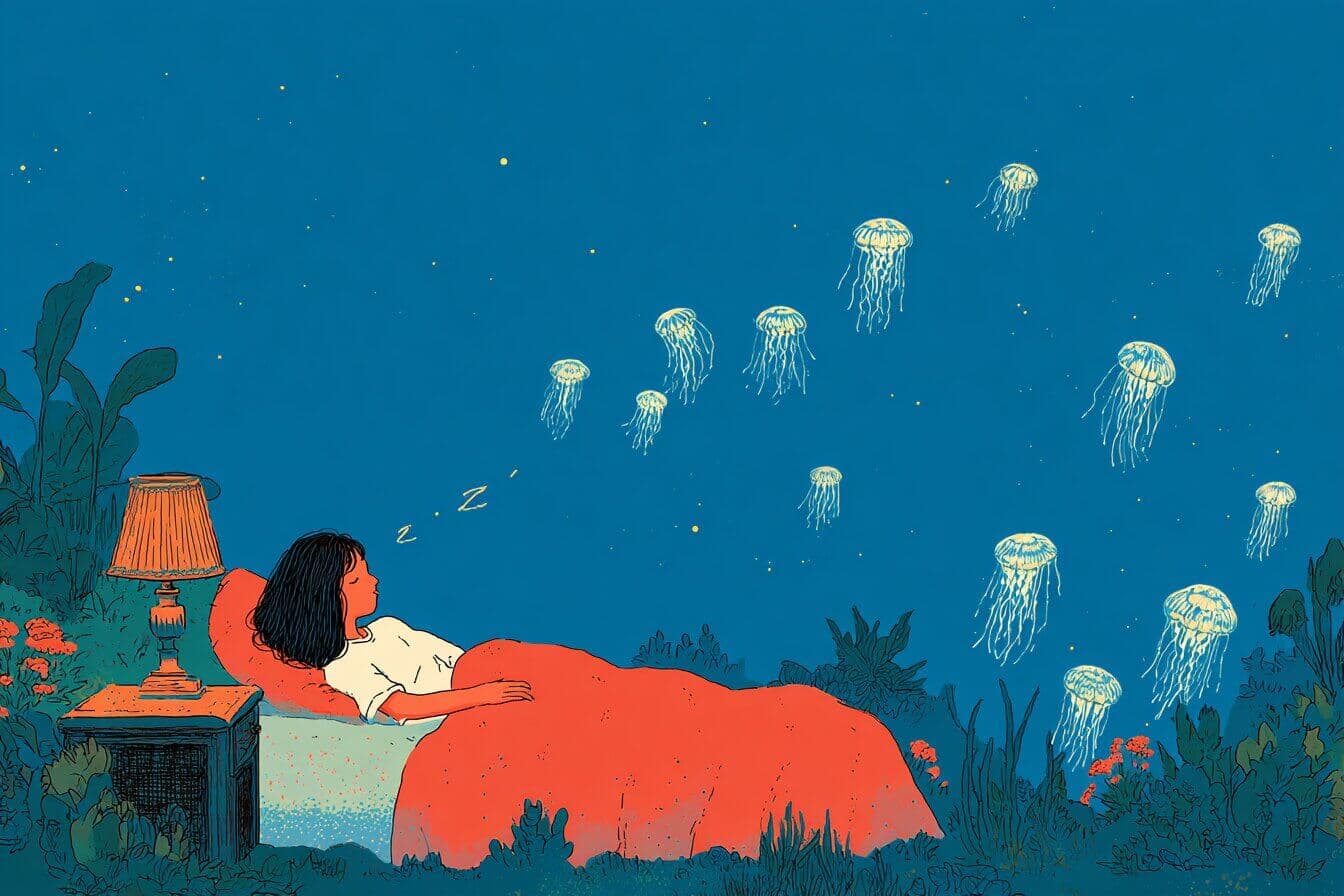
What happens when Mina performs for glowing jellyfish in one of our short pop bedtime stories featuring a silver pearl?
Orchestra Bedtime Stories
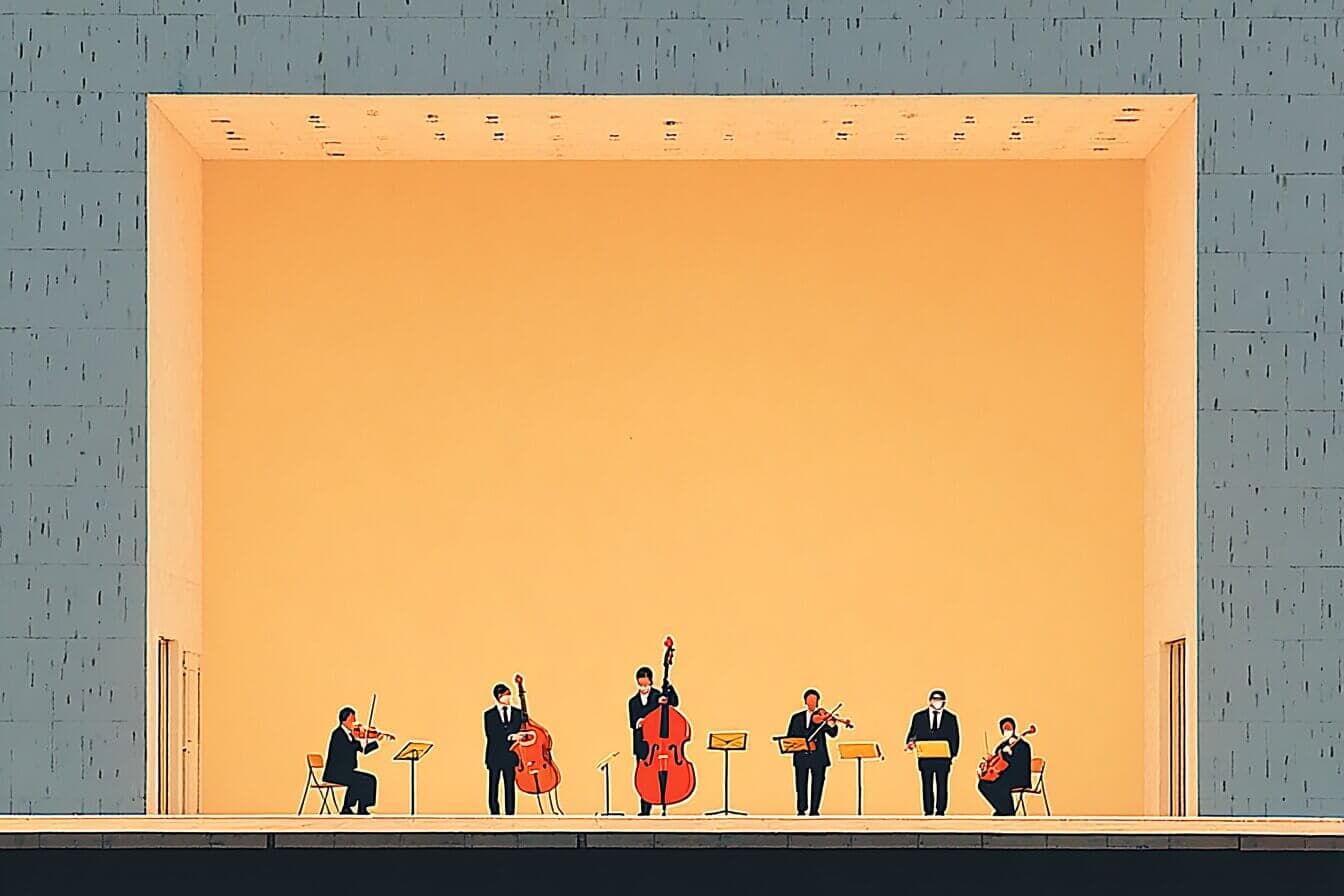
Mia's single triangle note unites a quarreling orchestra in one of our favorite short orchestra bedtime stories for little listeners.
Lullaby Bedtime Stories
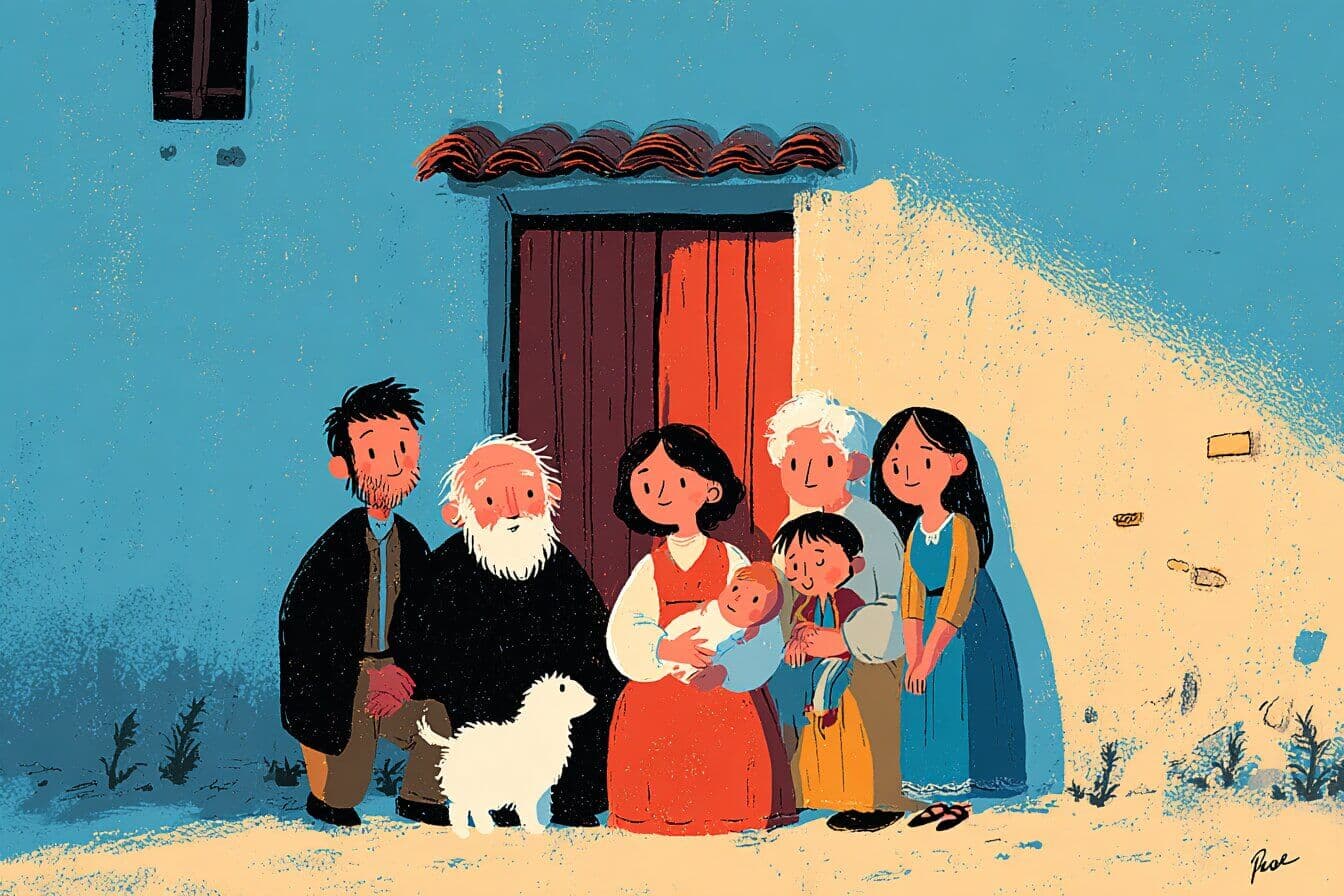
Enjoy short lullaby bedtime stories like Mira's magical night Lark Lane, where a glowing feather chooses its keeper.
Jazz Bedtime Stories
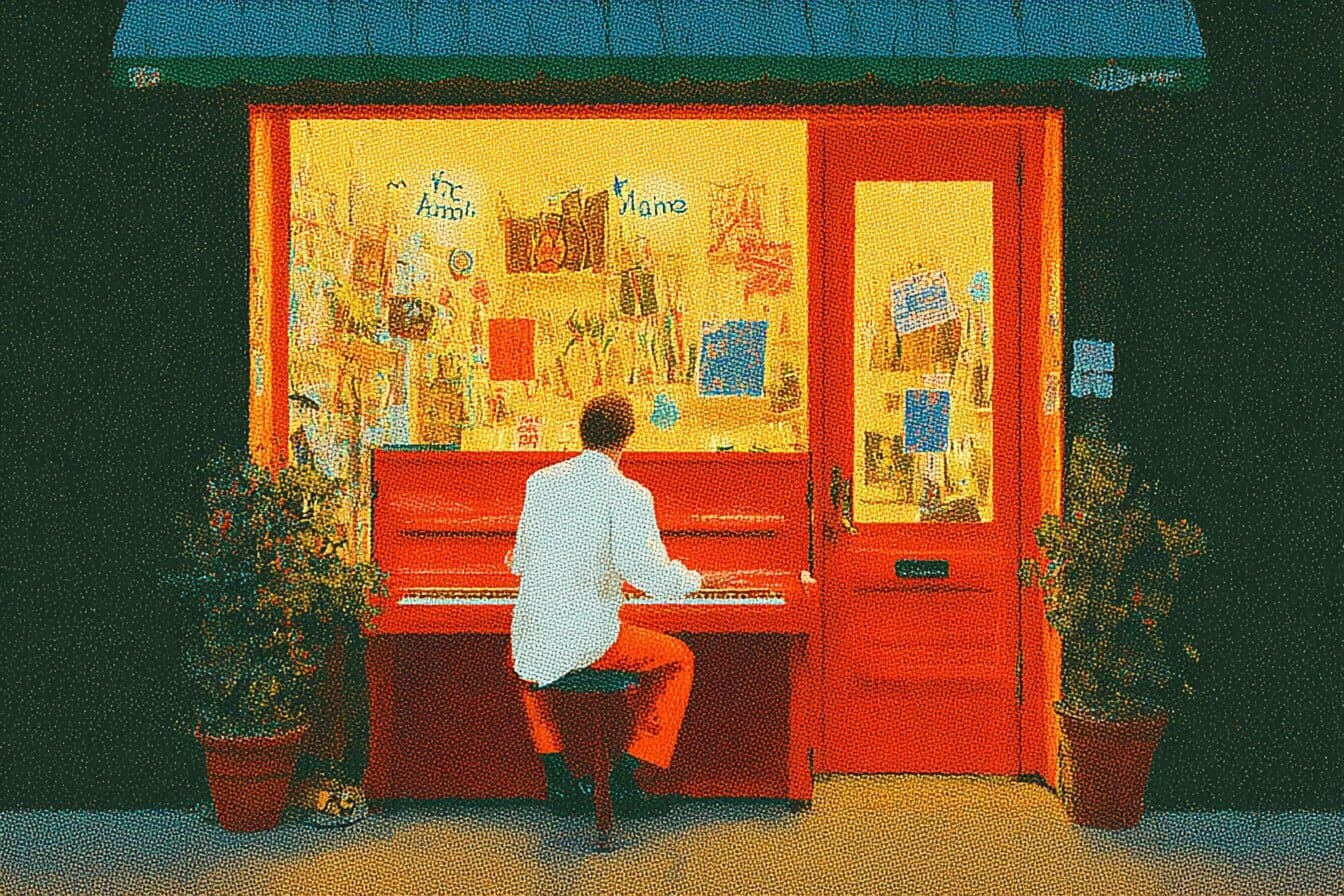
Can short jazz bedtime stories carry your child to sleep through a ghostly club where a girl named Mira sings one last song?