
Puppet Bedtime Stories
By

Dennis Wang, Bedtime Story Expert
6 min 19 sec
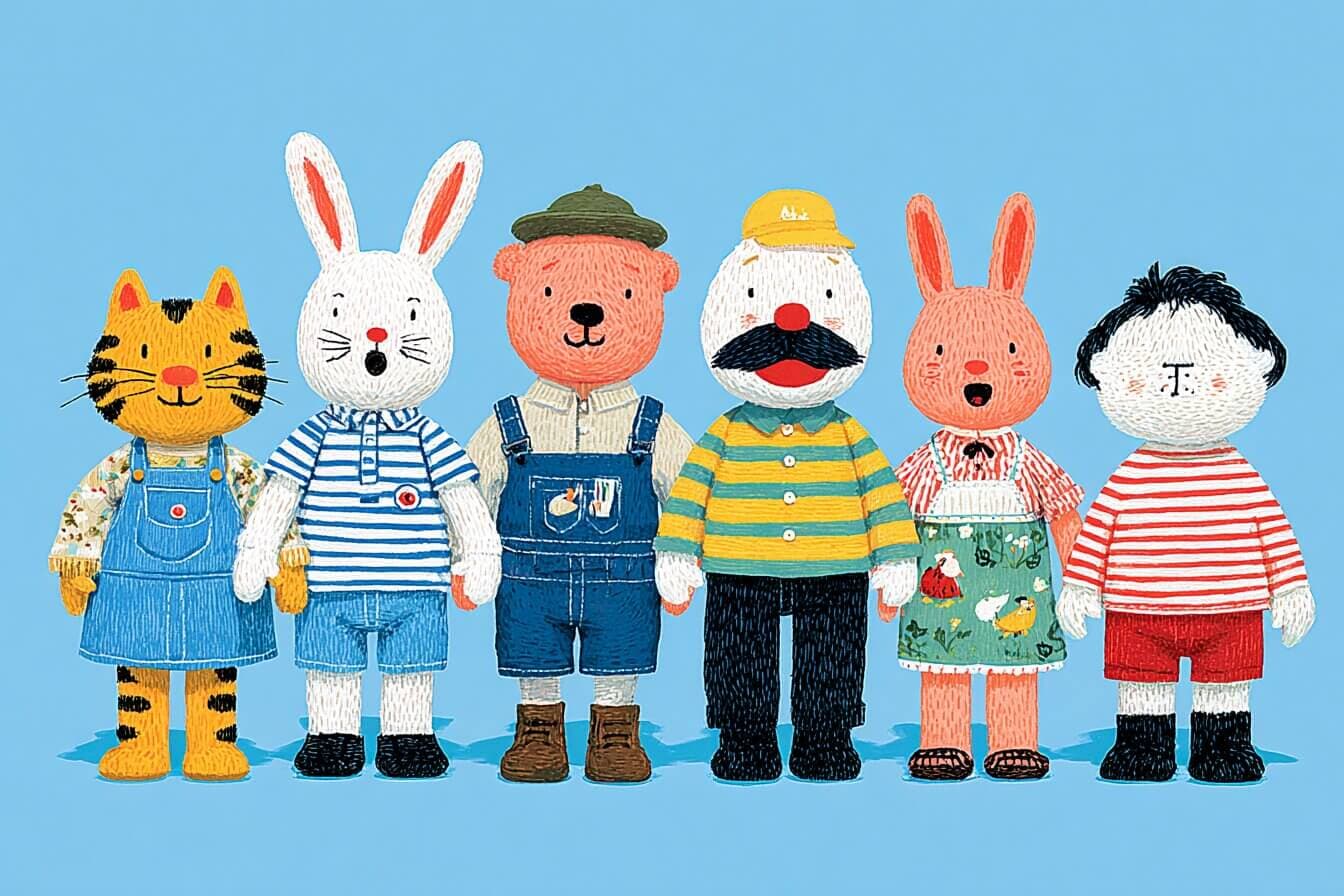
There is something about a tiny stage with a velvet curtain that makes even the wiggliest child go still, breath slowing, eyes wide, as if the whole world has shrunk to fit between two wooden walls. In this cozy puppet bedtime stories adventure, a squeaky nosed puppet master named Milo and his canary sidekick Tilly race to rescue their theater's missing laughter before the curtain rises. It is silly, warm, and just long enough to carry a restless mind gently toward sleep. If your child would love a version starring their own name or favorite animal, you can create one in minutes with Sleepytale.
Why Puppet Stories Work So Well at Bedtime
Puppets live in that in between space where a child knows the thing on the hand is not alive, yet chooses to believe anyway. That gentle leap of imagination is the same muscle kids use when they close their eyes and picture a safe, warm place to fall asleep. A bedtime story about puppets naturally invites soft voices, slow movements, and the kind of contained little world that feels manageable right before lights out.
There is also something reassuring about a puppet stage. It has clear boundaries, a beginning curtain rise and an ending bow, which mirrors the predictable rhythm children crave at night. The drama stays small, the stakes stay playful, and when the curtain closes, everything is right where it started. That loop of gentle tension and gentle release is exactly what helps a busy brain settle.
The Giggle Show Spectacular 6 min 19 sec
6 min 19 sec
In the cozy town of Tickletrunk, the old wooden puppet theater stood at the corner of Rainbow Row, leaning slightly to the left the way a sleepy person leans against a doorframe.
Every Saturday, children pressed their noses against the painted windows until the glass fogged up and someone had to wipe it with a mitten. They waited for the tiny red door to swing open and release a cloud of confetti and sounds too silly to describe in polite company.
Inside, strings of painted stars dangled from the rafters.
A velvet curtain the color of blueberry pie shimmered under soft golden lights, and the whole place smelled faintly of old wood and peppermint, because Milo kept a tin of mints in his vest pocket and was always dropping them between the floorboards.
Milo was the puppet master. Round nosed, round bellied, and his own nose squeaked when he laughed, which was often and without warning, sometimes in the middle of sentences.
Beside him perched Tilly, a canary puppet with googly eyes that spun like pinwheels whenever she told a joke. She was made of felt and wire and one slightly crooked button, and she was perfect.
Together they rehearsed voices so ridiculous that even the dust bunnies under the seats shook.
One morning, Milo discovered that the theater's ancient laugh box, a secret music chest tucked behind the costume rack, had gone silent. Not quiet. Silent. The kind of silent where you press your ear against it and hear nothing at all, not even your own heartbeat bouncing back.
Without its joyful soundtrack, the puppets' jokes landed like soggy spaghetti on a cold plate.
Tilly's googly eyes wobbled.
Milo patted her feathery head, cleared his throat, and declared in his most official voice that they would embark on a giggle quest before showtime. Tilly looked at him sideways, the way she always did when she thought he was making things up as he went along. Which he was.
They tiptoed past the sleeping spotlight, climbed a ladder made of colorful scarves knotted end to end, and entered the attic where moonlight painted everything silver and dust floated so thick it looked like slow snow.
There sat the laugh box, sealed tight by a single rusty lock shaped like a grumpy face. Not just grumpy. Spectacularly grumpy, the kind of face a cat makes when you sneeze near it.
A note taped beneath read, in handwriting so tiny Milo had to squint: "Only the silliest sound in Tickletrunk may open me."
Milo tried trumpeting like an elephant wearing slippers.
The lock frowned harder.
Tilly attempted a hiccuping opera, hitting notes that made the plush mice in the corner cover their ears.
The grumpy face did not budge.
Downstairs, the clock ticked toward showtime. Milo could feel the worry in his belly, fizzy and sharp, like shaken soda pressing against a cap. He sat on a dusty trunk and stared at the lock and the lock stared back and neither of them blinked, though to be fair the lock did not have eyelids.
Then Tilly flapped her wooden wings, settled on his shoulder, and said something quiet. She said that true silliness comes from the heart, not from a script, and that maybe Milo should stop performing and just remember.
"Remember what?"
"The funniest moment of your whole entire life."
He closed his eyes.
It came back slowly, the way a soap bubble drifts before it catches the light. He was six, on a Tuesday, and he had slipped on a banana peel in front of the whole market while shouting "Taco Tuesday!" at absolutely no one. His hat flew off. A pigeon caught it. He sat on the cobblestones and laughed so hard his squeaky nose went off like a car alarm, and every single person in the square started laughing too, not at him but with him, because laughter does that when it is real.
He laughed now. Not a rehearsed laugh, not a stage laugh, but the kind that starts deep and comes out uneven and a little too loud. His squeaky nose let out a gigantic squeal that ricocheted off the dusty trunks and startled the plush mice right out of their nest.
The grumpy lock heard it.
Its mouth twitched. Then curled. Then smiled so wide the rust flaked off in little orange flakes, and the lid popped open.
Out burst a tornado of giggles, cartwheeling through the attic and tumbling down the stairs, bouncing off walls and slipping under doors and filling every corner of the theater until the whole building seemed to hum.
Back onstage, with five minutes to spare and confetti still settling in their hair, Milo and Tilly performed the best show Tickletrunk had ever seen.
Milo voiced a grumpy pickle who dreamed of tap dancing. Tilly played a cupcake that flat out refused to be eaten.
"I'm kind of a big dill!" the pickle shouted, and the children roared.
"Don't bite, let's dance under sprinkles tonight!" the cupcake sang back, and the howling got so loud that confetti snowed from the ceiling and landed in everyone's hair like colorful dandruff. One boy sneezed glitter for ten minutes afterward and did not mind at all.
After the final bow, Milo and Tilly stood together behind the curtain, breathing hard, grinning.
They peeked inside the laugh box. It was empty now, except for a tiny folded note.
"Share a laugh, and it grows. Keep it locked, and away it goes."
Milo read it twice. He did not say anything wise about it. He just tucked the note into his vest pocket next to the peppermints and nodded.
From that Saturday onward, they invited children onstage to supply the silly sounds. Grandparents snorted like hippos. Teachers chirped like chipmunks. The mayor brayed like a donkey, and nobody let him forget it, and he loved every second.
The puppet theater became the noisiest, warmest place in Tickletrunk.
And every night, when the blueberry velvet curtain finally closed and the last footsteps faded outside, Milo and Tilly leaned against each other on the dark stage.
The theater ticked and settled around them. Somewhere in the rafters, a leftover giggle drifted like a friendly ghost looking for a place to land.
They listened to it until their googly eyes and squeaky noses went still, dreaming already of tomorrow, when the red door would open again.
The Quiet Lessons in This Puppet Bedtime Story
When the laugh box goes silent and Milo's first instinct is to perform louder, kids absorb something real about the difference between forcing it and letting go. It is Tilly's gentle nudge to stop trying and simply remember that unlocks the chest, which shows children that vulnerability and honesty carry more power than perfection. The story also weaves in the idea that joy is not a thing you store but a thing you share, visible in the moment the note tells Milo that laughter multiplies only when it is given away. These are reassuring ideas to carry into sleep: that tomorrow's mistakes can be laughed at, that asking a friend for help is brave, and that the good feelings are never truly gone, just waiting to be shared again.
Tips for Reading This Story
Give Milo a warm, slightly bumbling voice and actually squeak your nose (or make the sound with your mouth) every time the story mentions it; kids will start anticipating it and giggling before you even get there. When Tilly suggests Milo remember his funniest moment, slow way down and lower your volume, so the shift from noisy attic searching to quiet memory feels real. At the line where the grumpy lock finally smiles, pause and let your child tell you what face the lock is making; most kids will try to imitate it, and that little moment of play helps them feel like part of the show.
Frequently Asked Questions
What age is this story best for?
The Giggle Show Spectacular works best for children ages 3 to 7. Younger listeners love the physical comedy like Milo's squeaky nose and the spinning googly eyes, while older kids pick up on the idea that real laughter beats a rehearsed performance. The vocabulary stays simple enough that a three year old can follow the plot, and the emotional arc is gentle enough that nobody ends the night worried about the grumpy lock.
Is this story available as audio?
Yes, you can press play at the top of the story to hear it read aloud. The audio version is especially fun here because the contrast between Milo's loud elephant trumpet and the quiet moment when he closes his eyes to remember really comes through in narration. Tilly's hiccuping opera scene is the kind of thing that sounds even sillier out loud than it does on the page, so it is worth a listen if your child enjoys the theatrical moments.
Can this story help a shy child feel more comfortable performing?
Absolutely. Milo fails twice in front of the grumpy lock before he succeeds, and the story never treats those failures as embarrassing. When the lock finally opens, it is not because Milo found the perfect joke but because he stopped worrying about getting it right. For a shy child, watching a character stumble and then win by being genuine can quietly plant the idea that they do not need a flawless performance to make people smile.
Create Your Own Version
Sleepytale lets you spin this puppet theater tale into something that feels like it was written just for your family. Swap Tickletrunk for your own town, turn Tilly into a dragon puppet or a fuzzy bear, or replace the laugh box with a music box that plays your child's favorite song. In a few minutes you will have a cozy, personalized story ready to read tonight.
Looking for more music bedtime stories?

Rock Bedtime Stories
A dad's secret past as a crowd surfing guitarist sparks a family jam session in one of our favorite short rock bedtime stories.
Rap Bedtime Stories
Ever wondered why short rap bedtime stories help kids sleep? Suki's sticky note rhymes and Milo's shoebox surprise say it all.
Pop Bedtime Stories
What happens when Mina performs for glowing jellyfish in one of our short pop bedtime stories featuring a silver pearl?
Orchestra Bedtime Stories
Mia's single triangle note unites a quarreling orchestra in one of our favorite short orchestra bedtime stories for little listeners.
Lullaby Bedtime Stories
Enjoy short lullaby bedtime stories like Mira's magical night Lark Lane, where a glowing feather chooses its keeper.

Kpop Bedtime Stories
A copper gold seed leads Jennie through Central Park in one of our favorite short kpop bedtime stories.