

Quick answer
You teach empathy to kids less through lectures and more through everyday practice: model kindness, name feelings out loud, read and tell stories that show other points of view, and respond warmly to your child's own emotions so they learn what care feels like. Empathy grows like a muscle, strengthening the more it is seen and used. Sleepytale helps with one of the most powerful tools of all, since its personalized bedtime stories let your child safely step into someone else's shoes night after night.
Most parents want to raise a kind, caring child, but empathy is not something you can simply explain once and check off a list. It grows slowly, through what children see, feel, and practice every day. The good news is that the everyday moments you already have are exactly where empathy is built. Below are practical, realistic ways to teach empathy to kids, including activities that work, lessons by age, and the role a good story can play.
Can You Teach Empathy to Children?
Yes, with an important caveat. Children are born with the seeds of empathy already in place. Even babies will get upset when they hear another baby cry, which is one of the earliest signs of a response to someone else's distress. What you are really doing is not planting empathy from nothing, but helping it grow.
That is a freeing way to think about it, because it means you do not need a curriculum or a perfect script. Teaching empathy to children is mostly about giving that natural capacity steady practice and a good example to follow. Think of it as a muscle. The more it is modeled and used, the stronger it gets.
How to Teach Empathy to Kids: Everyday Habits That Help
The most effective empathy lessons rarely look like lessons at all. They are small habits woven into ordinary days.
Model it out loud. Children copy what they see far more than what they are told. Let your child catch you being kind, and narrate it. Saying something like "Grandma seemed lonely today, so I called to check on her" shows empathy in action.
Name feelings, including the hard ones. Put words to emotions as they come up, both your child's and other people's. A child who can say "I feel frustrated" is far better equipped to imagine that someone else might feel that way too.
Respond to your child's feelings with warmth. This one surprises people. A child learns what care feels like by receiving it. When you meet a tantrum with calm understanding rather than dismissal, you are teaching empathy in the most direct way possible.
Wonder about other people together. In the park, at the store, or in a story, ask gentle questions like "How do you think that boy is feeling?" These small invitations build the habit of considering someone else's point of view.
Activities to Teach Empathy to Kids
If you want something a little more hands on, these simple activities give empathy real practice. None of them require special equipment.
Feelings charades. Take turns acting out an emotion and guessing it. Putting a face and a body to "disappointed" or "excited" helps a child recognize those feelings in others.
Story pauses. While reading or telling a story, stop and ask how a character feels and why. This turns ordinary story time into one of the richest empathy exercises there is.
Role play with toys. Dolls, figures, and stuffed animals let children act out caring for someone, comforting a friend, or solving a small conflict, all in a safe pretend world.
Acts of kindness. Invite your child to help a sibling, share a snack, or make a card for someone. Small, real kindnesses turn the idea of empathy into something they actually do.
Caring for something. A pet, a plant, or even a garden gives a child practice at noticing and meeting another living thing's needs.
Empathy Lessons for Kids by Age
Matching your approach to your child's stage makes a real difference, since empathy looks different as children grow.
Toddlers. Keep it simple and concrete. Name feelings, comfort them when they are upset, and gently point out when a friend is sad. Do not expect sharing to come easily yet, since that takes time.
Preschoolers. This is a wonderful window. Children begin to truly grasp that other people have their own feelings and thoughts. Stories, pretend play, and questions about characters land especially well now.
School age children. You can go deeper into why people feel the way they do, talk through tricky social situations, and encourage them to imagine the world from a classmate's point of view. Conversations about fairness and kindness become richer at this age.
Through all of these stages, the most important lesson is the one you live rather than the one you say. A calm, caring home is the strongest empathy lesson of all.
How Stories Build Empathy
Of all the tools for raising a caring child, stories may be the most quietly powerful. A story lets a child step into someone else's life safely, feel what that character feels, and follow their choices from the inside. Researchers and teachers have long noticed that following a character's point of view is wonderful practice for imagining a perspective that is not your own, which is the very heart of empathy.
What makes a story even better for this is your involvement. Pausing to ask "How do you think she felt when that happened?" or "What would you have done?" turns any story into a gentle empathy workout, and bedtime is the perfect calm moment for exactly that kind of conversation.
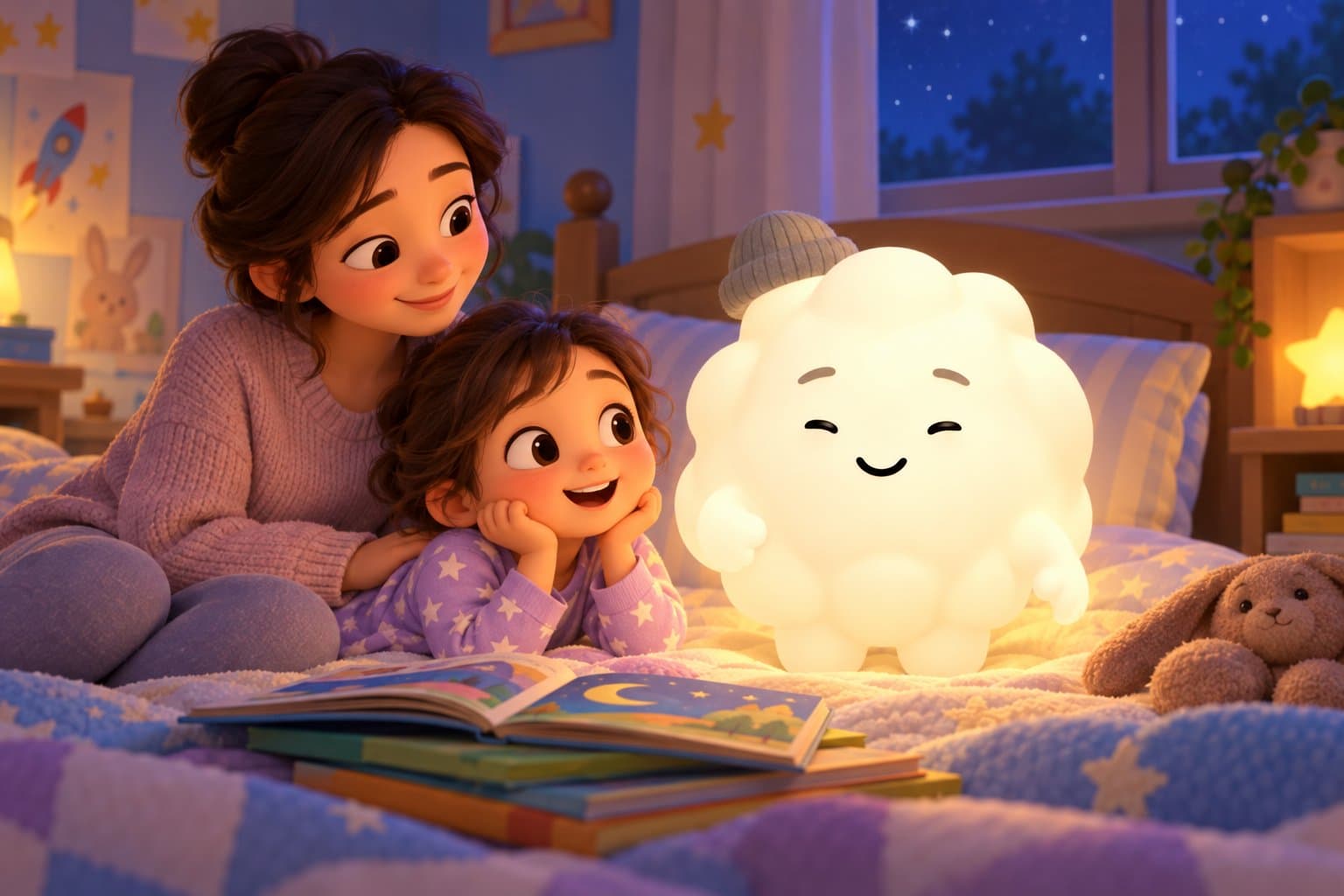
That is part of why we built Sleepytale the way we did. Cleo, our gentle cloud companion, creates personalized bedtime stories around the people, animals, and feelings your child cares about, so your little one is not just hearing a tale but stepping into someone else's shoes, all in a calm, screen free way. Paired with a soft lullaby for children to wind down, it becomes a quiet daily habit of imagination and care. It is not a replacement for the empathy you model every day, just one more gentle way to nurture it as the day closes.
Frequently Asked Questions
How do you teach empathy to kids?
You teach empathy to kids mostly by modeling it, naming feelings out loud, and giving them everyday chances to consider how someone else feels. Talk about emotions, read and tell stories that show different points of view, and respond to your child's own feelings with warmth so they learn what care looks like.
At what age can children learn empathy?
The roots of empathy appear in the first year, when babies react to other people's distress, and it grows steadily through the toddler and preschool years as children begin to understand that other people have their own feelings. It keeps developing well into the school years, so it is never too early or too late to nurture it.
What activities teach empathy to kids?
Naming emotions during the day, reading stories and pausing to ask how a character feels, role play with dolls or figures, simple acts of kindness like helping a sibling, and caring for a pet or plant all build empathy. The common thread is giving children real chances to notice and respond to feelings.
Can you teach empathy or are kids just born with it?
Both play a part. Children are born with a natural capacity for empathy, but how much it grows depends a lot on what they see and practice. Empathy is like a muscle, so the more it is modeled and used at home, the stronger it tends to become.
How do stories help children build empathy?
Stories let a child step into someone else's shoes safely. By following a character's feelings and choices, children practice imagining a point of view that is not their own, which is the heart of empathy. Pausing to ask how a character might feel turns any story into gentle empathy practice.
What should I avoid when teaching empathy?
Avoid shaming your child for not feeling the right way, forcing apologies they do not mean, or dismissing their own emotions. Empathy grows best when a child feels understood, so punishing big feelings tends to backfire. Lead with patience and your own calm example instead.
Make Bedtime the Calm Part of the Day
Sleepytale creates personalized bedtime stories around the things your child loves, narrated in a warm voice and ready in seconds. End the day with a calm story that helps your little one understand the world and the people in it. Try it free tonight.
Looking for more parenting guides?

AI Safety for Kids
A practical AI safety for kids checklist for parents of ages 2 to 10: privacy, content filters, honesty, parental controls and no ads. From Sleepytale.
Is ChatGPT Safe for Kids? A Parent Guide
Is ChatGPT safe for kids? An honest look at ages, risks, and what to check, plus how Sleepytale offers a kid-built AI friend for bedtime.

Is Character AI Safe for Kids? A Parent Guide
Is Character AI safe for kids? A plain-spoken guide to the risks parents raise, what to check, and what a safe AI companion for children looks like. Sleepytale.

Can AI Be a Friend to Your Child
Can AI be a friend to your child? A calm parent's guide to what AI companions are, the real risks, healthy limits, and how Sleepytale fits in.

Benefits of AI for Kids
Explore the real benefits of AI for kids, from learning support to creativity, plus the limits that matter. A calm parent guide from Sleepytale.

AI Imaginary Friends for Kids
Is an AI imaginary friend healthy for your child? Sleepytale explains why kids bond with AI, the real risks, the right age, and how to set limits that keep real friends first.