
Harp Bedtime Stories
By

Dennis Wang, Bedtime Story Expert
5 min 57 sec
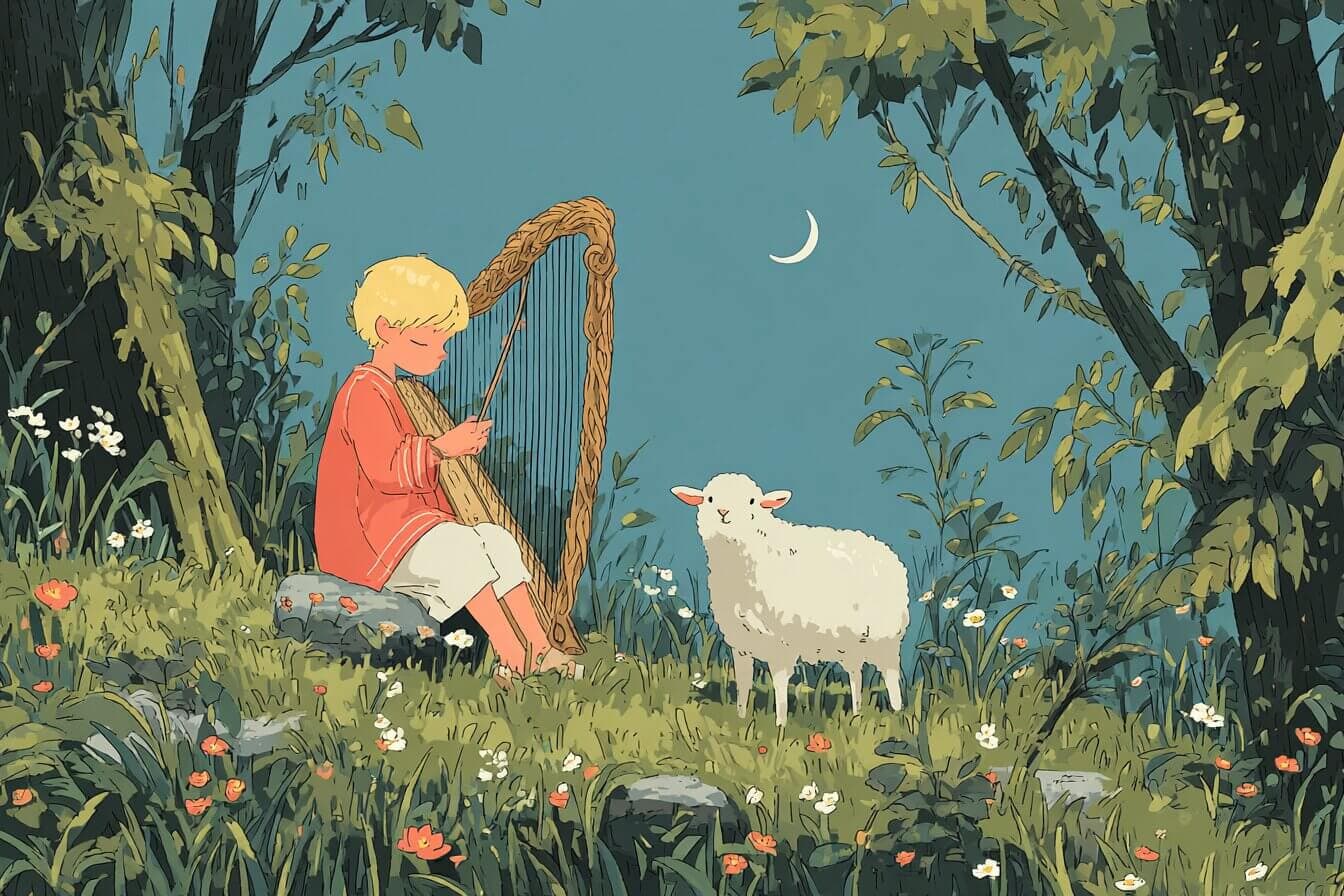
There is something about the gentle sound of harp strings that makes the whole world feel softer and slower, like the last golden light before sleep. In this story, a young shepherd named Ewan discovers a silver harp in a moonlit grove, where each shimmering string holds the voice of a forgotten wish waiting to be heard. It is one of those short harp bedtime stories that wraps around your child like a warm blanket, full of quiet wonder and tender moments. If your little one loves the magic of music at night, you can create your own version with Sleepytale.
Why Harp Stories Work So Well at Bedtime
Harps carry a natural sense of calm that few instruments can match. The way each note lingers and fades mirrors the rhythm of a child settling into sleep, breath by breath, thought by thought. A bedtime story about a harp gives children something beautiful to hold in their imagination as their eyes close. The shimmering strings, the moonlit grove, the gentle vibrations; these images create a landscape that feels safe and still. Stories like this one also help children understand that listening is a kind of gift. Ewan does not fight monsters or solve riddles. He simply listens, and that act of quiet attention becomes the most powerful thing in the tale. For a child winding down after a busy day, that message is both soothing and deeply reassuring.
The Shepherd of Forgotten Wishes 5 min 57 sec
5 min 57 sec
Deep in a mossy grove, there's a harp made of twisted silver branches that plays itself when the moon is full.
A young shepherd named Ewan follows the sound one night and discovers that each string holds the voice of someone who once made a wish there and forgot to come back for the answer.
The first note hits like cold water on his neck.
Ewan stops mid step, one boot hovering above a root.
The sheep behind him bump and grumble.
He turns.
Nothing but moonlight between the pines.
Then the second note comes, higher, thinner, like a thread being pulled from the sky.
He forgets the sheep.
He forgets the crook in his hand.
He simply walks toward the sound because it knows his name without speaking it.
The grove opens like a cupped hand.
In its center stands the harp, taller than Ewan, its frame grown from living wood and something else that gleams.
The strings shimmer without wind.
When he touches one, a woman’s voice spills out: “I wish my baby would sleep through just one night.” The note wobbles, unfinished.
Another string: “I wish the rain would stay off the hay until we get it in.” And another: “I wish to be brave enough to speak to her.” Voices layer, not loud, but piled like pebbles in his chest.
Ewan’s own throat aches.
He has wishes too, small ones.
A ewe that doesn’t stray.
A mother who hums again.
Enough daylight to finish chores before dark.
He presses his palm against the wood.
It is warm, as if deer have been sleeping inside.
The harp sighs, a wooden lung, and every string quivers, waiting.
He learns the rules quickly, the way children learn games.
Each string is a single wish, abandoned.
If he listens to the end, the wish belongs to him to keep or return.
If he refuses to listen, the voice fades by sunrise and is gone forever.
No one told him this; he simply knows, the way he knows when a storm is coming by the smell of iron in the air.
The first string he finishes is the mother’s plea for sleep.
He stands in the moonlight, breath clouding, while she whispers the weight of her exhaustion, the way her knees crack on the cold floorboards, the way her baby’s cry feels like a hook in her heart.
When the last note dies, a silver thread unravels from the harp and drifts toward the village.
Ewan feels lighter, though nothing in his pockets has changed.
He works through the night, listening.
Some wishes are easy: a boy wants his lost marble back; a grandmother wants the recipe for honey cake she never wrote down.
Others snag like burrs: a man wishes his brother had never left, a girl wishes to forget the dog that died.
Ewan’s eyes sting, but he keeps listening because forgetting seems worse than pain.
By dawn the harp is nearly silent.
Only one string trembles, lower than the rest.
He kneels.
The voice that rises is his own mother, younger, before his father died.
She wishes for one more day of talking about nothing important while shelling peas on the porch.
Ewan’s breath stops.
He remembers no such porch, no bowl of peas, only his mother’s mouth pressed tight while she counts coins for bread.
The wish plays out fully, a summer afternoon that never happened.
When it ends, the string dangles, dull and gray.
Ewan closes his eyes, cups the string in both hands, and blows gently.
It dissolves into dust that smells of pea vines and sunlight.
He stands alone in the grove.
The moon has gone.
The sheep wander somewhere, probably eating someone’s cabbage.
He walks home through dew that soaks his boots.
His mother is at the table, sleeves rolled, kneading dough.
Flour freckles her cheek.
She looks up, surprised, then smiles the way she used to when he brought her interesting rocks.
“You’re early,” she says.
Her voice is hoarse, as if she too has been listening all night.
Ewan shrugs, sets the crook by the door, and dips a finger in the dough.
It is soft and alive under his skin.
He tells her about the harp, the voices, the silver thread that flew toward her window.
She listens, hands still moving, pushing and folding, pushing and folding.
When he finishes, she wipes her forehead with the back of her wrist and says, “Then we’d better not waste the answer.” They walk to the grove together at the next full moon.
She carries a lantern though the path is bright enough to read by.
The harp stands waiting, but now its frame has sprouted tiny leaves, as if the wishes fed it.
Ewan shows her how to touch a string without plucking it.
She hears the baker who wished his loaves would rise even when the yeast was old.
She laughs, a sound like flour sifting.
Together they listen until every string is clear.
They work quickly, side by side, releasing voices into the night.
Some drift toward the village, some toward the hills, one or two sink into the ground like seeds.
When the last note fades, the harp folds itself inward, branches creaking like an old chair.
It shrinks until it is the size of a sparrow and flits into Ewan’s pocket, where it settles, warm against his hip.
The grove looks smaller now, an ordinary clearing where mushrooms grow in circles.
His mother takes his hand.
Her palm is rough from kneading, but her fingers fit between his the way they did when he was small and afraid of thunder.
They walk home under a moon that looks trimmed and tidy, as if someone neatened its edges.
In the distance, a baby sleeps.
A ewe stays by the fence.
A marble rolls out from under a porch step into a boy’s waiting shoe.
Ewan feels the harp twitch in his pocket, already hungry for the next full moon.
He thinks of all the wishes people will keep making, forgetting, abandoning.
Someone needs to listen.
He smiles, not because the task is small or grand, but because it is his to carry, like a crook or a lamb that refuses to walk.
His mother squeezes his hand once, quick, and he knows she understands.
The path bends ahead, silvered and ordinary, and they follow it together while the night folds quietly around their shoulders.
The Quiet Lessons in This Harp Bedtime Story
This story gently explores compassion, responsibility, and the courage it takes to sit with someone else's pain. When Ewan listens to the exhausted mother's plea or the girl grieving her lost dog, he shows children that caring for others sometimes means simply being present and hearing them fully. His decision to keep listening through the night, even when his eyes sting and his throat aches, teaches that meaningful work is not always easy but is always worthwhile. These themes settle naturally into a child's mind at bedtime, when the world is quiet enough for feelings to be felt fully.
Tips for Reading This Story
When the harp first plays and Ewan stops mid step in the forest, slow your voice to a near whisper and let a long beat of silence hang before reading the second note. Give each wish a slightly different tone: a tired, breathy murmur for the mother pleading for her baby's sleep, a shy half whisper for the person wishing to be brave enough to speak, and a bright little chirp for the boy wanting his lost marble back. At the very end, when Ewan's mother squeezes his hand and they walk home together under the trimmed moon, let your voice drop low and warm, like a lantern dimming to a gentle glow.
Frequently Asked Questions
What age is this story best for?
This story works beautifully for children ages 4 to 9. Younger listeners will be enchanted by the image of a magical harp that plays itself under the full moon and a shepherd boy who can hear wishes in its silver strings. Older children will connect more deeply with the emotional weight of moments like Ewan hearing his own mother's forgotten wish about shelling peas on a sunny porch.
Is this story available as audio?
Yes, just press play at the top of the page to hear the full story read aloud. The audio version is especially lovely for this tale because you can hear the shift in tone as each wish spills from the harp, from the weary mother's plea to the boy's simple hope for his lost marble. The final scene where Ewan and his mother walk home together under the quiet moon sounds wonderfully peaceful as the last thing before sleep.
What happens to the forgotten wishes after Ewan and his mother release them from the harp?
Each wish, once fully heard, leaves the harp as a silver thread and drifts toward the person who originally made it. Some float toward the village, some travel to the hills, and one or two sink into the ground like seeds. By the end of the story, a baby finally sleeps through the night, a ewe stays by the fence, and a lost marble rolls out from under a porch step into a boy's waiting shoe.
Create Your Own Version
Sleepytale turns your child's ideas into personalized bedtime stories filled with warmth and wonder. You can swap the harp for a music box in a lighthouse, change Ewan to your child's name, or set the tale in a snowy mountain village instead of a mossy grove. In just a few moments, you will have a cozy, unique story ready to read or listen to at bedtime.
Looking for more music bedtime stories?

Rock Bedtime Stories
A dad's secret past as a crowd surfing guitarist sparks a family jam session in one of our favorite short rock bedtime stories.
Rap Bedtime Stories
Ever wondered why short rap bedtime stories help kids sleep? Suki's sticky note rhymes and Milo's shoebox surprise say it all.
Pop Bedtime Stories
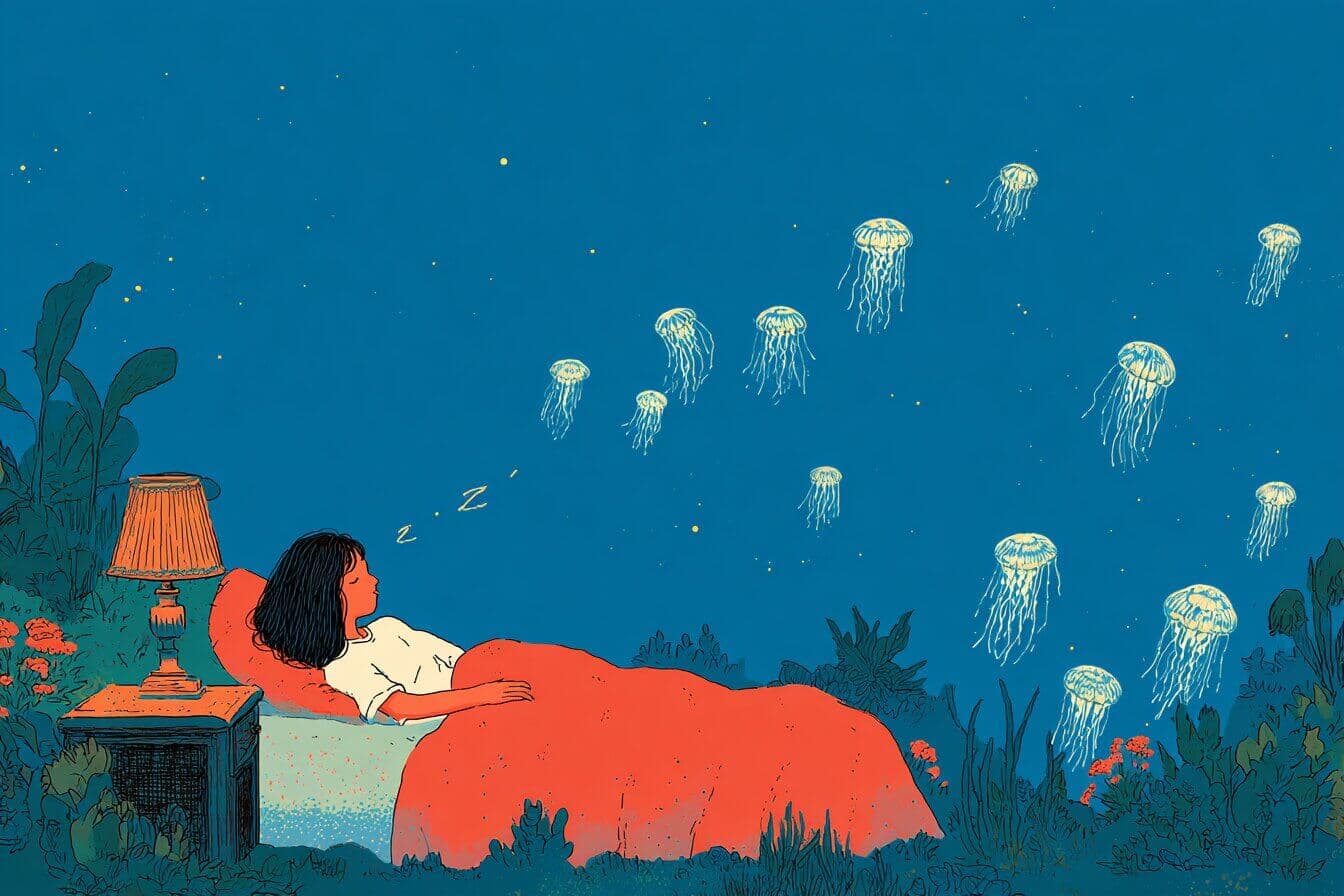
What happens when Mina performs for glowing jellyfish in one of our short pop bedtime stories featuring a silver pearl?
Orchestra Bedtime Stories
Mia's single triangle note unites a quarreling orchestra in one of our favorite short orchestra bedtime stories for little listeners.
Lullaby Bedtime Stories
Enjoy short lullaby bedtime stories like Mira's magical night Lark Lane, where a glowing feather chooses its keeper.

Kpop Bedtime Stories
A copper gold seed leads Jennie through Central Park in one of our favorite short kpop bedtime stories.