
Gratitude Bedtime Stories
By

Dennis Wang, Bedtime Story Expert
8 min 42 sec
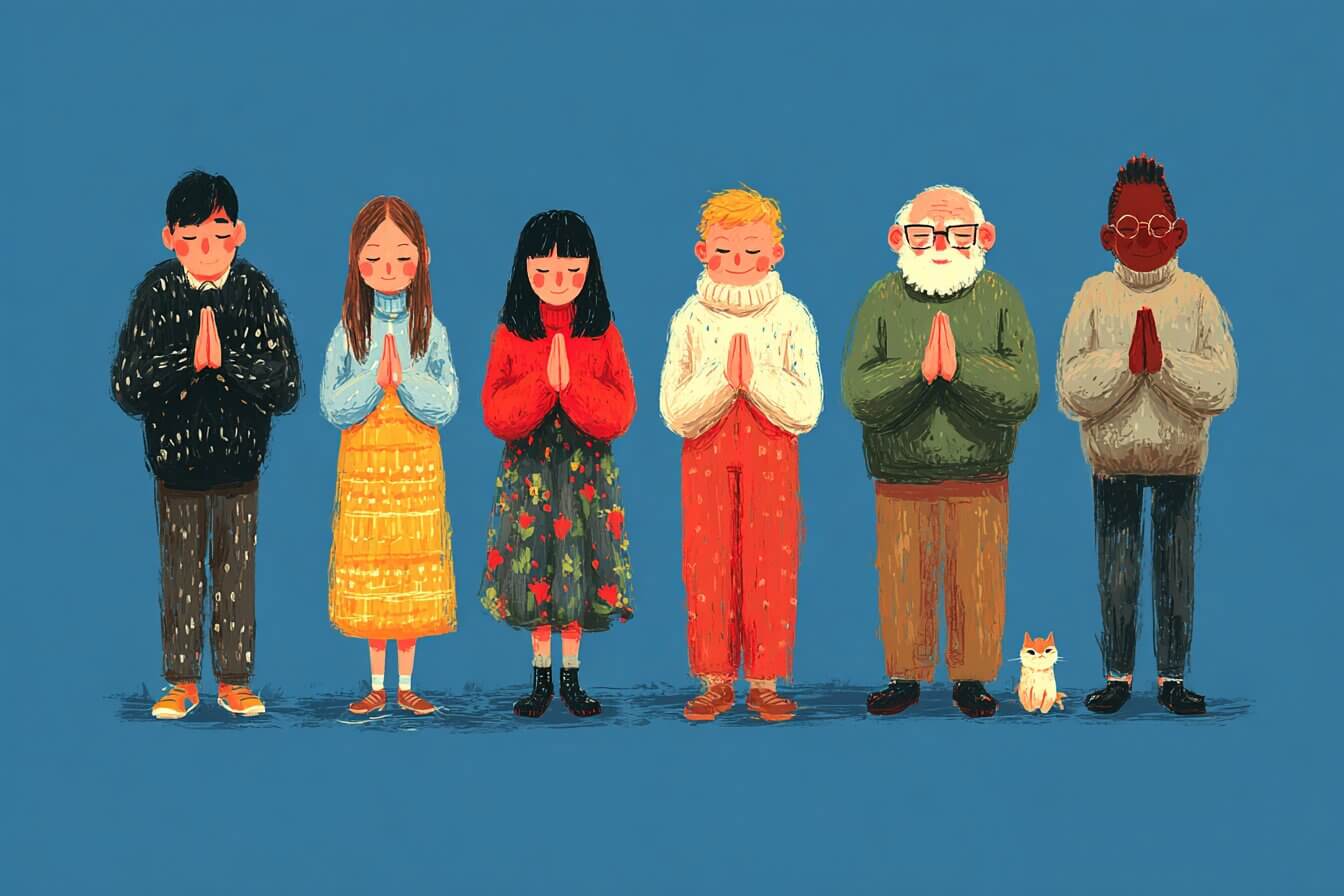
There is something about the last few minutes before sleep that makes kids notice the small, good things they sailed right past during the day. In this cozy tale, a girl named Poppy starts lining pebbles through her village, each one standing for a quiet "thank you," and the whole town slowly joins in until the lane glitters under the moon. It is one of our favorite gratitude bedtime stories because it trades big lessons for tiny, sensory moments that settle a busy mind. If your child loves this idea, you can create your own version with Sleepytale.
Why Gratitude Stories Work So Well at Bedtime
Kids spend all day reacting, running from one thing to the next, and bedtime is often the first real pause they get. A story about gratitude meets them right there, giving them a gentle frame for replaying the day and landing on what felt good instead of what felt hard. That simple shift, noticing instead of worrying, can slow a racing heartbeat faster than almost any sleep trick.
Gratitude stories at bedtime also build a kind of emotional muscle memory. When a child hears a character say thank you for rain puddles or a friend's laughter, it gives them words for feelings they might not know how to name yet. Over time, the ritual of hearing a bedtime story about gratitude becomes its own comfort, like a favorite blanket they reach for without thinking.
The Thank You Train 8 min 42 sec
8 min 42 sec
In the village of Sunvale, a small girl named Poppy loved to collect tiny treasures.
Smooth pebbles, feathers, buttons with one hole missing. All of them went into her patchwork pocket, which had a rip along the bottom seam that she refused to let her grandmother fix because she liked the way things almost fell out but never quite did.
One morning she found a marble that looked like a tiny world, blue and green with a wisp of white curling through it.
She held it up to the light, turned it slowly, and whispered, "Thank you for this good thing."
Her grandmother had taught her that. Gratitude is saying thank you for all the good things, even the ones so small you could step right over them.
Poppy skipped to the village square where the fountain sang its one low note and the baker was sweeping flour off his doorstep.
She thanked the fountain for its cool water. She thanked the baker for the smell that wrapped around the whole block like an invisible scarf.
At the market, a boy was on his knees between the apple barrels, reaching under a cloth awning with one arm.
He had lost his wooden dog.
Poppy got down beside him, and together they peered into the dusty dark beneath a table.
The dog was there, lying on its side like it had simply decided to nap.
The boy grinned so wide his ears moved.
"Thank you for the chance to help," Poppy said, and she meant it, because finding something for someone else always felt better than finding something for yourself, and she had never figured out why.
The boy laughed and thanked her back without even thinking about it.
Poppy noticed her steps felt lighter. Not pretend lighter. Actually lighter, as if her shoes had lost a few ounces each.
She met Mr. Alder the postman next, whose leather bag was heavy with letters.
She thanked him for bringing words to neighbors who missed each other.
He rummaged in the bag and pulled out a postcard addressed to her, from the mountains.
The picture showed peaks wearing crooked snow hats, and the ink on the back had smudged a little from rain.
Poppy pressed it to her chest.
"Thank you," she said, though the mountains were far away and could not hear her. Or maybe they could.
That was when the idea arrived, all at once, the way good ideas tend to.
She would build a Thank You Train: a line of pebbles leading from her house to every thing she loved, each pebble standing for one thank you.
She started at the apple tree.
She placed a flat gray stone at its roots and said, "Thank you for shade and fruit."
The leaves rustled, not from wind exactly, but from something.
Next she thanked the wind for carrying kites and cooling foreheads on days when the sun forgot to be polite.
She set a pebble on the low stone wall where the wind liked to play, and it wobbled once before settling.
A cat with a torn ear curled around her ankles.
She thanked it for purrs and the specific way its whiskers tickled the inside of her wrist.
The cat followed her after that, tail straight up like a flag on a tiny ship.
By midday the train stretched down the lane, a dotted line of gratitude anyone could read if they knew the code.
Villagers started adding their own pebbles.
They thanked the sun, the rain, the way night made the stars visible.
Children picked it up fastest. They thanked crayons for color and pillows for staying cool on one side.
Poppy watched the line grow and felt her pocket grow lighter, as if the marble inside was glad to share the day with so many stones.
In the afternoon, clouds gathered.
Rain began to tap the streets, not hard, just a patient drumming, like fingers on a tabletop when someone is thinking.
Instead of groaning, Poppy lifted her face to the drops.
She thanked the rain for puddles to splash in and for the song it made on the roof at night, which sounded different from the song it made on leaves, which sounded different from the song it made on stone.
Others joined her, spinning umbrellas like bright slow flowers.
When the sun returned, the Thank You Train sparkled with raindrop gems that had not been there before.
A rainbow appeared. Everyone stopped and just looked at it for a while, which is the most honest kind of thank you there is.
Poppy added a pebble streaked with color to the line. The most special yet.
She felt warmth spread from her toes to her ears, not the kind from a fire, but the kind that starts inside and has nowhere to go but out.
The village seemed to breathe deeper.
Evening painted the sky peach and lavender.
Poppy sat on her porch step, pocket lighter but heart fuller.
She whispered to the first star, "Thank you for listening."
The star blinked, and she imagined it storing her words like fireflies in a jar, each one giving off its own small glow.
Her grandmother brought two cups of cocoa, the real kind with a tiny bit of cinnamon she would never admit to adding, and they clinked the cups together like bells.
Together they watched the Thank You Train glimmer in the moonlight, a constellation laid flat on the ground.
Poppy placed her marble world at the very end. A round period completing the sentence of the day.
She thought of tomorrow, of new pebbles waiting to be thanked.
Somewhere inside, she knew the train would never really stop, because good things do not stop, they just get quieter sometimes.
She tucked a feather under her pillow and drifted to sleep, hearing distant thank yous echo like gentle waves on a shore she had never visited but somehow already knew.
In her dream, the train grew wings and flew, carrying gratitude across skies and seas, and the marble turned slowly in the moonlight, looking exactly like the world it was.
The Quiet Lessons in This Gratitude Bedtime Story
Poppy's pebble train weaves together several ideas kids carry into sleep without realizing it. When she drops to her knees beside a boy she has never met and helps him find his lost wooden dog, children absorb the notion that generosity does not need a reason or a reward. Her choice to thank the rain instead of complaining about it shows flexibility, the idea that you can decide how a moment feels instead of waiting for the moment to decide for you. And when the whole village starts adding pebbles, the story quietly suggests that small gestures ripple outward. These are reassuring thoughts to fall asleep on, because they tell a child the world is a place where tiny kindnesses matter and tomorrow will have its own good things to notice.
Tips for Reading This Story
Give Poppy a bright, slightly breathless voice, like a kid who keeps spotting things faster than she can point at them, and let Mr. Alder sound a little tired but warm when he digs out the postcard. When the rain starts tapping the streets, slow your pace and actually tap your finger softly on the book or pillow so your child hears the rhythm. At the cocoa scene near the end, pause after "they clinked the cups together like bells" and take a slow breath; that silence lets the sleepy feeling settle in before the final lines carry your listener into Poppy's dream.
Frequently Asked Questions
What age is this story best for?
It works best for children ages 3 to 7. Younger listeners love the rhythm of Poppy placing pebble after pebble and will enjoy the cat with the torn ear following her around. Older kids connect more with the idea of building something the whole village joins, and they tend to remember the marble detail at the end.
Is this story available as audio?
Yes. Press play at the top of the story to hear it read aloud. The audio version brings out the repetitive, almost musical pattern of Poppy's thank yous, and the rain scene sounds especially cozy when you can just close your eyes and listen instead of reading.
Can this story help my child start a real gratitude practice?
Absolutely. After reading, some families keep a small bowl by the bed and add a pebble or button each night for something the child is thankful for. Poppy's marble at the end of the train gives kids a concrete image to copy, and even very young children can pick one thing from their day the way Poppy picks her treasures for her patchwork pocket.
Create Your Own Version
Sleepytale lets you reshape this story in seconds. Swap Sunvale for your child's neighborhood, trade pebbles for seashells or stickers, or turn Poppy into your little one, a sibling, or a friendly fox. You can adjust the tone from cozy to silly, add a favorite bedtime snack in place of cocoa, and have a personalized story about thankfulness ready before the lights go out.
Looking for more educational bedtime stories?
Folklore Examples
Discover short folklore examples through a library night where Anansi the spider, a loyal crane, and a clever hare teach timeless lessons.

Children's Fable
A fast fox loses to a steady turtle in this short children's fable about patience, ripe pears, and the quiet power of one step at a time.
Science Stories For Kids
Leo and his mom explore twinkling stars with a flashlight and a jar of water in one of our coziest short science stories for kids.
Small Stories With Moral
A girl gives her red umbrella to a classmate in the rain, one of the best short small stories with moral for bedtime.

Short Christian Stories With Moral Lessons
Discover short christian stories with moral lessons like Pastor Eli's unplanned outdoor sermon that teaches kids faith grows in unexpected places.

Quick Stories With Moral Lesson
Marcus copies a science test but discovers short quick stories with moral lesson show that honest effort feels better than a perfect stolen score.