
Forklift Bedtime Stories
By

Dennis Wang, Bedtime Story Expert
7 min 9 sec
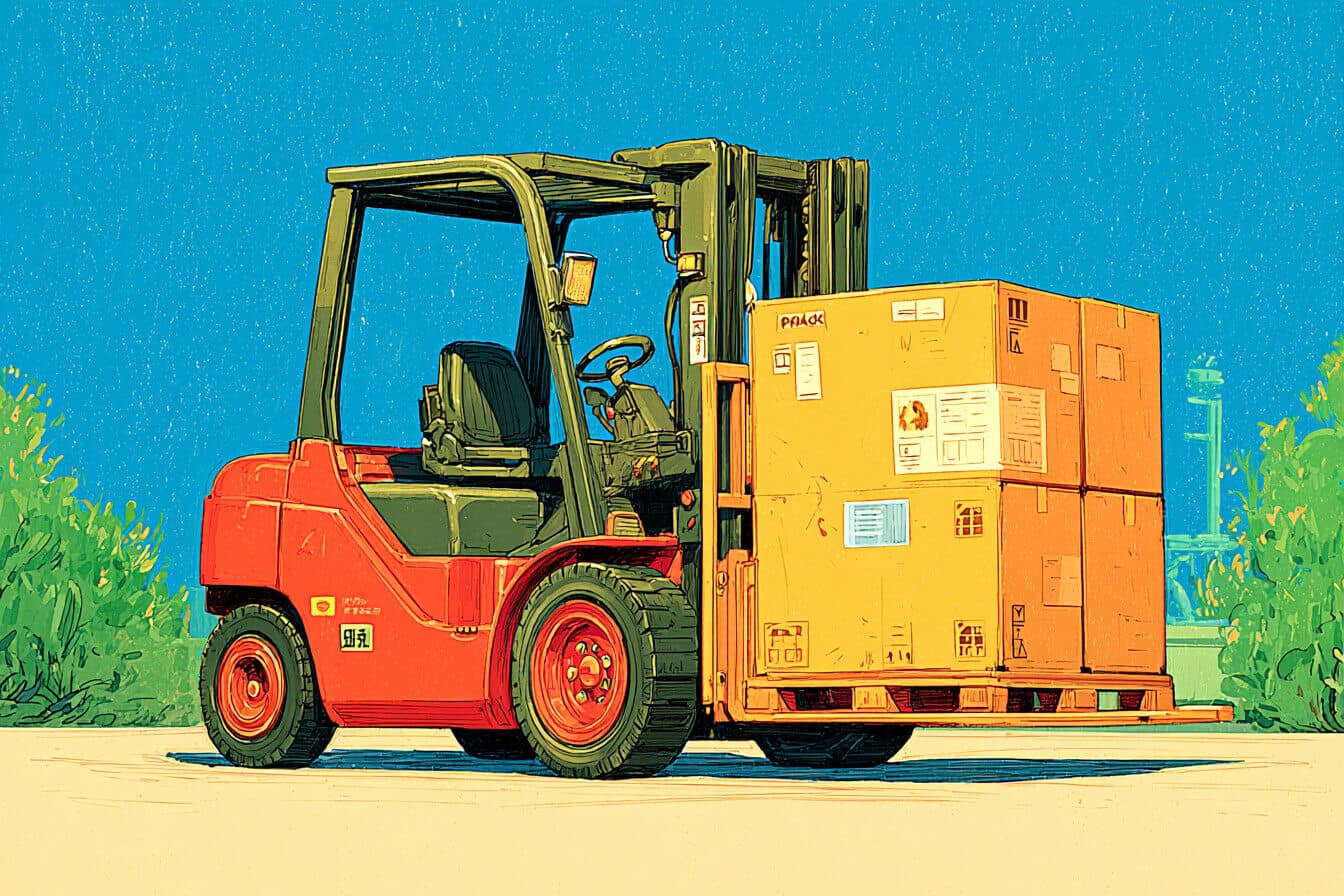
There is something deeply satisfying about the low rumble and steady rhythm of a warehouse at night, all those soft beeps, the hum of machines winding down, the click of lights dimming row by row. In this forklift bedtime stories collection, a cheerful forklift named Frank discovers a package with no address and follows a trail of golden footprints all the way to a secret rooftop garden. It is the kind of adventure that starts with a puzzle and ends with something warm and quiet, perfect for settling into the pillow. If your child wants a version with their own name or favorite details woven in, you can create one with Sleepytale.
Why Forklift Stories Work So Well at Bedtime
Forklifts are slow, deliberate machines. They do not race or crash or explode. They lift, carry, and set things down carefully, which is exactly the kind of energy a child needs before sleep. A bedtime story about a forklift carries built-in pacing: there is always a moment of careful approach, a pause, and then a gentle placement. Kids who love trucks and machines get the mechanical world they crave, wrapped in a tempo that naturally slows their breathing.
There is also something reassuring about a warehouse at night. Everything has a place on the shelf. Someone is in charge of knowing where things go. For children who feel overwhelmed by a messy or unpredictable day, a forklift story offers the quiet promise that things can be sorted, organized, and put right. That sense of order is its own kind of lullaby.
Frank and the Mystery Package 7 min 9 sec
7 min 9 sec
Frank the forklift loved his job at Sunny Side Warehouse.
Every morning he rolled out of his charging station, lifted his forks, and greeted the rows of boxes waiting to be moved.
The warehouse hummed with beeps and whirs. Conveyor belts danced. Scanners blinked like tiny stars someone had hung on strings across the ceiling.
Frank's favorite part was finding the perfect spot for each package on the tall metal shelves, nudging it into place until the edges lined up just so.
He never dropped a single box.
One bright Tuesday, the conveyor belt brought a small brown parcel wrapped in so much tape it looked like it was trying to hold itself together.
Frank scanned the label once, then again.
The address line was blank.
No sender, no destination. Just a tiny picture of a golden key stamped in the corner, the ink still faintly sticky.
He set the mystery package on the lowest shelf and rolled to the office window.
Manager Maya was counting clipboards the way some people count sheep, muttering numbers under her breath.
Frank beeped politely.
Maya stepped outside, squinted at the empty label, turned the parcel upside down, and shrugged. She said the package had to stay until someone claimed it.
Frank said thank you, but he could not stop glancing back at the golden key picture.
It looked like a clue from something bigger.
He rolled back to the shelf.
The parcel was gone.
Panic fluttered inside his circuits. He searched every aisle, lifting pallets of toys, books, and rainbow umbrellas that smelled faintly of plastic and rain. No mysterious box anywhere.
He asked Bella the blue conveyor belt if she had seen it. Bella hummed that a gust of wind had swept something small toward the back dock doors, though she could not be sure because she had been busy sorting shoe boxes and was, frankly, a little distracted.
Frank thanked her and rolled faster than he probably should have.
The back dock was darker, lit only by flickering bulbs that gave everything an underwater look. Crates of beach balls towered like colorful mountains. Between two of them, Frank spotted a corner of brown cardboard peeking out.
He inched closer. Tiny golden footprints glowed faintly on the concrete, each one no bigger than a bottle cap.
Frank followed the footprints around a tower of snorkel gear, under a net of beach toys that smelled like chlorine and summer, and behind a stack of surfboards.
There sat the package, balanced on a low beam above a puddle of melted ice from the seafood delivery. The puddle had that particular shine that ice water gets under bad lighting.
Frank extended his forks slowly.
The parcel trembled.
A warehouse mouse leaped off the box, squeaking an apology so fast it came out as one long word. He explained, paws waving, that he had seen the golden key stamp and thought the box might unlock a secret cheese vault. He said it with such conviction that Frank almost believed him.
Frank chuckled, which for a forklift sounds like a low rumble in the engine block. He lifted the package gently and promised to help the mouse find real cheese later.
Together they rolled toward the office.
Then a sudden clang echoed through the dock. The loading gate snapped shut, trapping them inside.
Frank's battery light blinked yellow. Not great.
The mouse, whose name was Pip, gnawed a peephole in a cardboard panel and revealed a narrow service corridor Frank had never noticed before, which was strange because he had worked here for years.
Frank lowered his forks so Pip could hop on.
They squeezed through. Dusty shelves of forgotten items lined both walls: a single roller skate, a jar of buttons, a calendar from a year that started with 19. At the end stood an old locker decorated with the same golden key symbol.
The door creaked open. Inside hung a tiny brass key on a ribbon, swaying slightly as if it had been waiting.
Frank compared the key to the stamp on the package. They matched perfectly.
Pip squeaked so loud he startled himself.
Frank inserted the key into a hidden slot on the package. The brown wrapping unfolded like petals, slow and deliberate, uncovering a miniature golden compass. Its face was worn smooth in places, as though someone had rubbed it with a thumb for years.
The compass needle pointed not north, but straight up, toward the warehouse ceiling.
Frank looked up and saw a hatch labeled Roof Garden.
He never knew the warehouse had a garden. He had driven under that hatch a thousand times.
Using a ramp usually reserved for pallet trucks, Frank rolled upward, carrying Pip and the compass. The air changed halfway up, cooler and greener.
The hatch opened onto a rooftop wonderland of vegetables, herbs, and buzzing bees who did not seem bothered by the visitors. In the center stood a sunflower wearing a tiny crown made of wire and foil. It was taller than Frank's mast.
The compass needle spun, then rested on the sunflower.
Frank approached and discovered a note tucked beneath the pot. It was handwritten, the ink a little smudged, and it thanked whoever found the compass and invited them to become the new guardian of the rooftop garden. It was signed by the previous guardian, who had retired to the beach that morning.
Frank sat still for a moment. The bees hummed. A breeze carried the smell of tomato leaves, which is one of those smells that makes you feel like everything is going to be fine.
He accepted.
Pip chose to stay as the official pest control expert, though he insisted on the title "cheese inspector" and would not budge on that point. They returned the wrapping to the recycling bin and hung the golden key on a ribbon around Frank's mast, where it clinked softly whenever he moved.
From that day on, Frank still moved boxes. But every lunch break he rolled upstairs, lifted watering cans with his forks, and tended the vegetables. The tomatoes grew fat. The basil smelled sharp and bright. Even the sunflower seemed to stand a little straighter.
Manager Maya found out, of course. Within a month she had started a Friday farmers market for the workers. Frank became the unofficial mascot, wearing a tiny straw hat that Pip helped secure with ribbon scraps.
Children who visited pointed and laughed, and Frank would do a slow spin for them, which was his version of a bow.
The compass stayed in the garden shed, its needle forever pointing to the sunflower throne.
And every night, Frank rolled back to his charging station with his battery full and something else full too, something harder to name. The warehouse settled around him, beeps fading, belts going quiet. He closed his eyes and listened to the hum of the building sleeping.
Somewhere on the roof, a bee tucked into a sunflower petal. Pip curled up in a corner of the garden shed with a crumb of cheddar he had found earlier. The golden key clinked once against Frank's mast, very softly, and was still.
Tomorrow there would be new boxes. Maybe even a new mystery.
But that was tomorrow.
The Quiet Lessons in This Forklift Bedtime Story
This story is gently packed with ideas about patience, curiosity, and unexpected friendship. When Frank discovers the blank label and chooses careful investigation over panic, children absorb the idea that mysteries do not need to be scary; they just need someone willing to take slow, thoughtful steps. His unlikely partnership with Pip, a mouse who started as a box thief and ended up as a loyal companion, shows kids that friendship can bloom from misunderstandings when both sides are willing to laugh and help each other. The rooftop garden reveal carries a quiet message about hidden potential: the treasure was always above Frank's head, waiting for him to look up. At bedtime, these ideas settle in gently, reassuring a child that tomorrow holds good things worth waking up for.
Tips for Reading This Story
Give Frank a low, rumbly voice, almost like a truck idling, and let Pip's lines come out fast and squeaky, tumbling over each other. When Frank follows the golden footprints through the back dock, slow your pace way down and lower your volume so the dim, flickering scene feels real. At the moment the wrapping unfolds "like petals," pause for a beat and let your child picture it before you reveal the compass. And when you reach the final scene with Frank in his charging station, drop to barely above a whisper, letting the clink of the golden key be the last clear sound before silence.
Frequently Asked Questions
What age is this story best for?
It fits children ages 3 to 7 nicely. Younger listeners love the beeping sounds and the surprise of a mouse leaping off the box, while older kids get pulled into the treasure hunt of following golden footprints and figuring out what the compass does. The vocabulary is simple enough for a three-year-old but the mystery has enough twists to keep a six or seven-year-old guessing.
Is this story available as audio?
Yes, just press play at the top of the story. The audio version is especially fun for this one because the warehouse sounds, the beeps, the clang of the loading gate, and the gentle wind on the rooftop all come alive when you hear them out loud. Pip's squeaky dialogue and the slow reveal of the rooftop garden feel even more magical in a narrator's voice.
Why is a forklift such a good character for a kids' story?
Forklifts move carefully, lift things gently, and always put them exactly where they belong, which makes them surprisingly relatable for children who are learning to handle things with care. Frank's job of sorting and shelving mirrors the way kids organize their own world, stacking blocks or lining up toy cars. The fact that he is strong but careful gives children a character who shows that power and gentleness go together.
Create Your Own Version
Sleepytale lets you reshape this story into something that feels like it was written just for your child. Swap the warehouse for a train depot, replace Pip the mouse with a gecko or a hedgehog, or change the rooftop garden into an underground library. You can adjust the pace, add your child's name, and have a brand new cozy tale ready in moments.
Looking for more vehicle bedtime stories?
Train Bedtime Stories
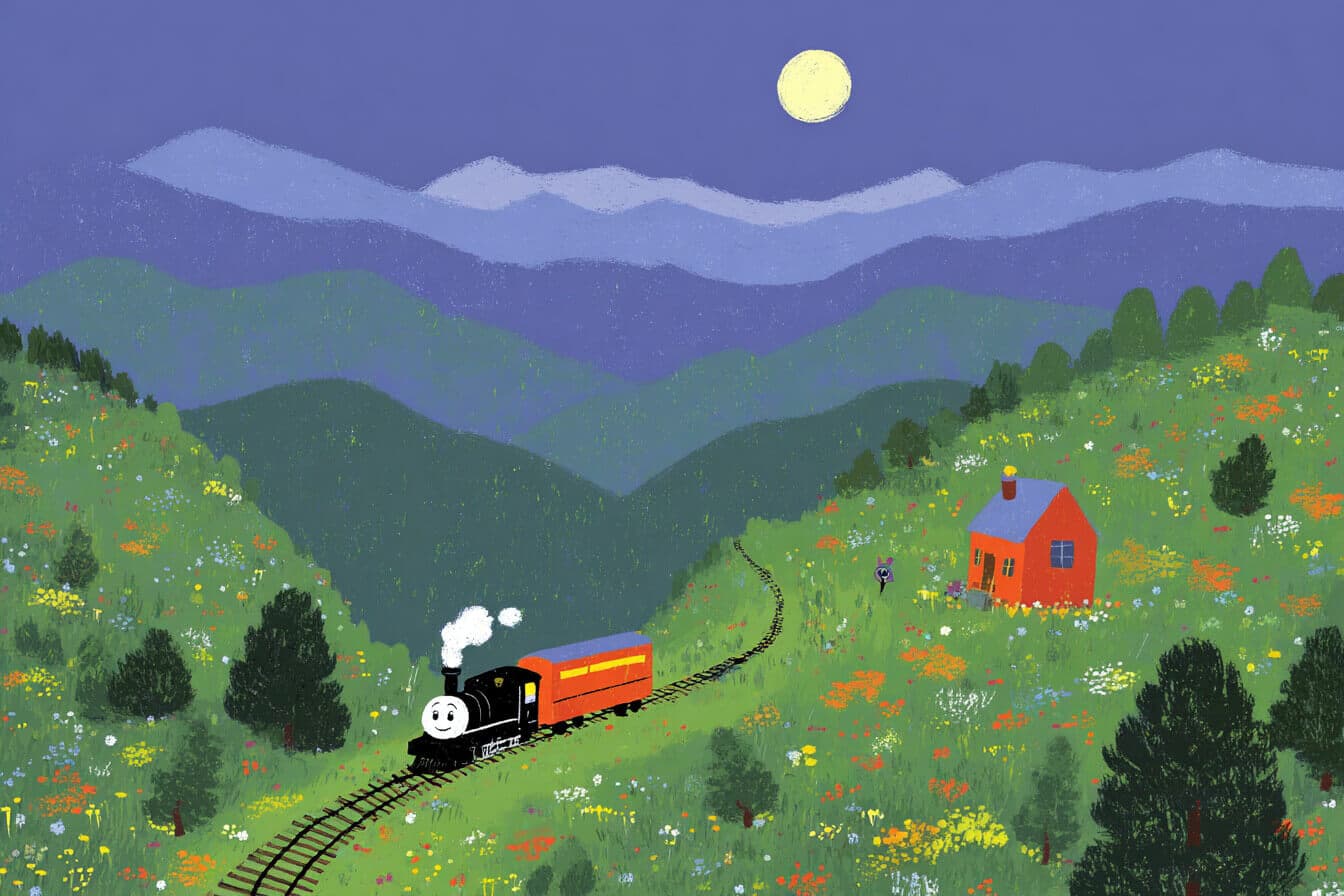
Thomas wakes before dawn to carry jars of wishes up a moonlit mountain in short train bedtime stories. A gentle climb, soft magic, and a cozy return help little listeners drift off.
Tractor Bedtime Stories
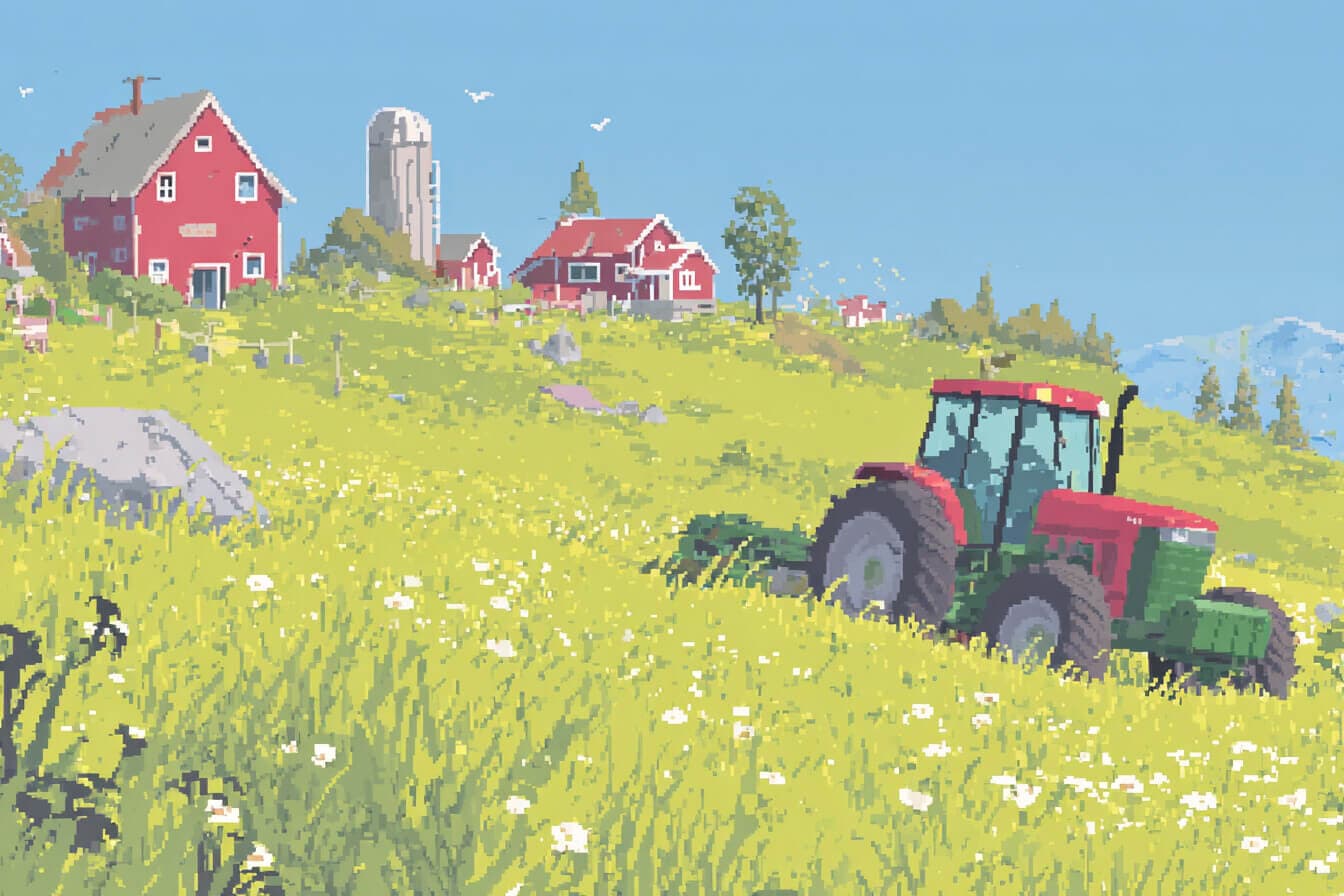
Tom the tractor learns how tiny seeds become supper in short tractor bedtime stories. A calm tractor bedtime story with gentle farm lessons and cozy field sounds.

Taxi Bedtime Stories
Tyler the taxi gathers gentle city moments in short taxi bedtime stories that soothe kids to sleep. Ride along with warm passengers, quiet streets, and a cozy garage goodnight.
Submarine Bedtime Stories
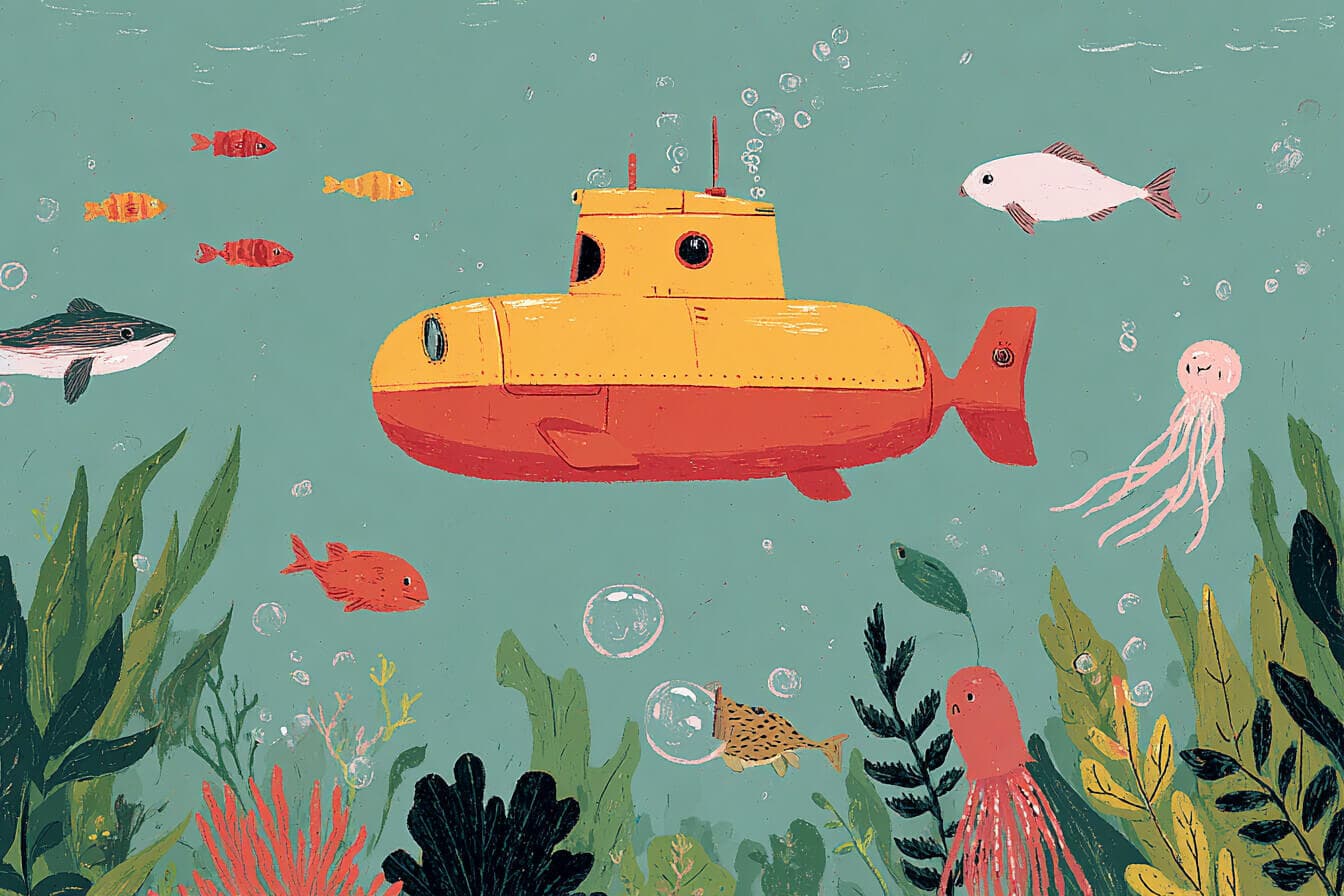
Looking for short submarine bedtime stories that feel calm, curious, and cozy at lights out? Want a gentle deep sea adventure that helps kids settle and drift off.

Spaceship Bedtime Stories
Drift into wonder with short spaceship bedtime stories as Stella joins a starlight parade and restores its glow using laughter, song, and kindness. A soothing twist among the stars.
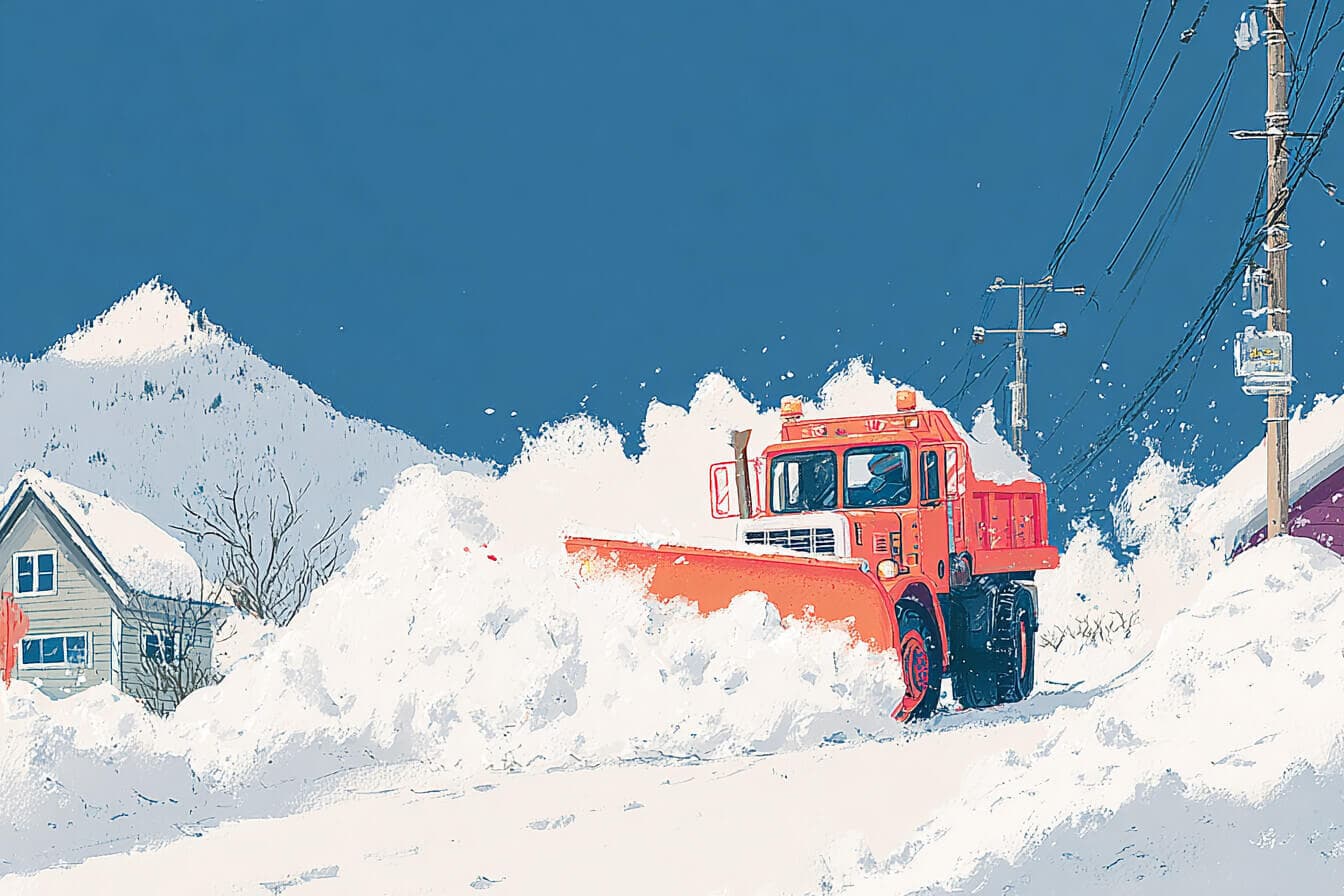
Snowplow Bedtime Stories
A friendly snowplow hums through quiet streets after a heavy snowfall, clearing paths with neighbors. Cozy short snowplow bedtime stories for peaceful nights.