
Farmer Bedtime Stories
By

Dennis Wang, Bedtime Story Expert
8 min 35 sec
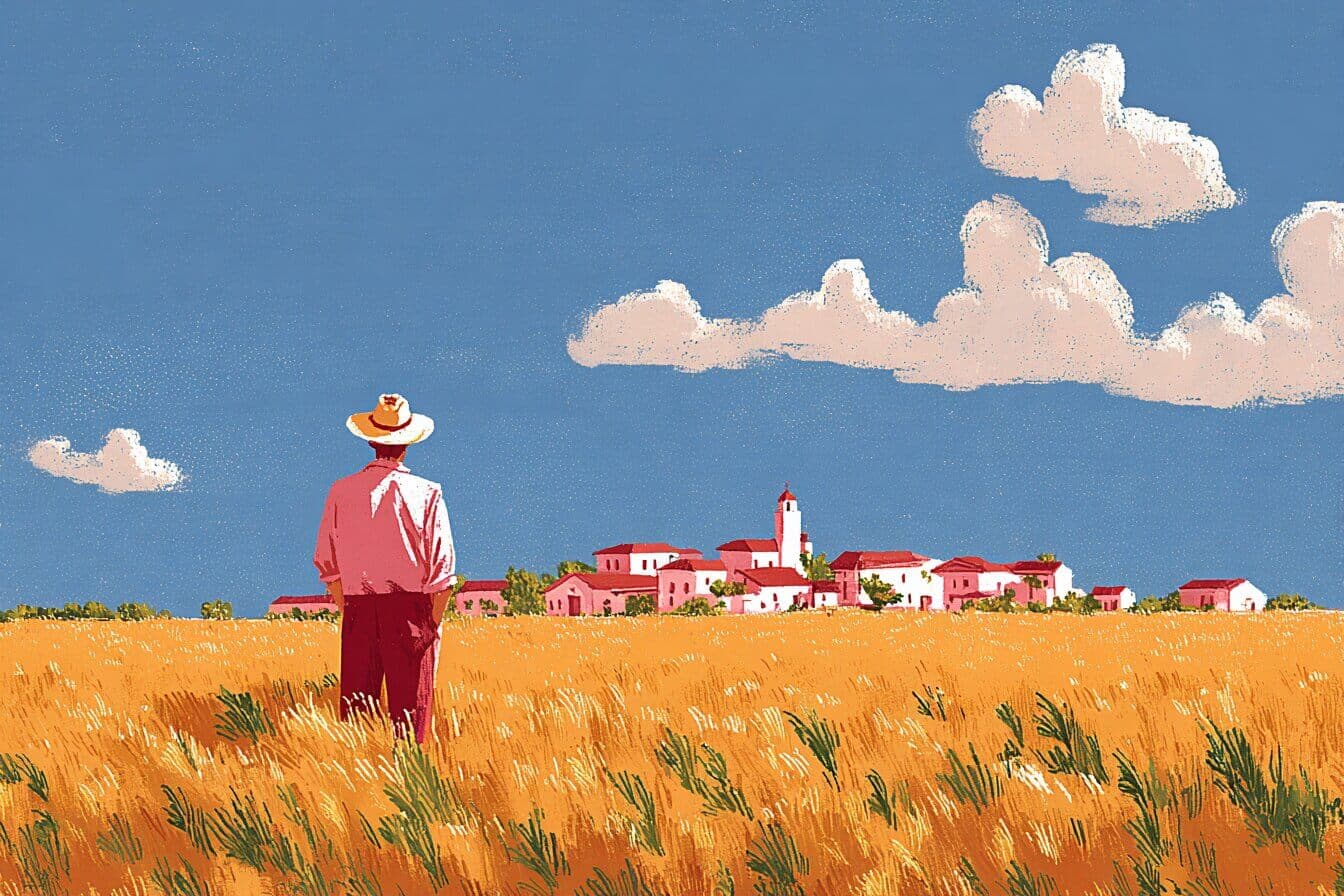
There's something about the smell of warm soil and the low hum of evening insects that makes kids go still in the best way. Tonight's story follows a farmer named Frank who opens his field to a class of second graders after noticing they rush past his land every morning without a second glance. It's one of those farmer bedtime stories that feels like pulling on a soft flannel shirt, full of growing things, quiet discoveries, and the kind of generosity that doesn't need to announce itself. If you'd like a version tailored to your child's name, favorite vegetable, or hometown, you can create one with Sleepytale.
Why Farmer Stories Work So Well at Bedtime
Farms run on rhythms, and rhythms are exactly what a restless mind needs before sleep. There's planting, then waiting, then growing, then harvesting. No sudden twists, no loud surprises. Just a steady, dependable loop that mirrors the reassurance kids crave at the end of the day. When a story is set on a farm, every scene comes with built-in sensory comfort: cool dirt between fingers, the weight of a ripe tomato, birds settling into hedgerows as the light fades.
A bedtime story about a farmer also gives children something gentle to think about as they drift off. The idea that seeds keep growing in the dark, that worms do important work nobody sees, that food starts as something impossibly small, all of it whispers that big things happen quietly. For a child lying in bed, that's a comforting thought to carry into sleep.
Frank's Fantastic Farm School 8 min 35 sec
8 min 35 sec
Frank stood at the edge of his field with a canvas sack of seeds slung over one shoulder. Spring sun laid warm stripes across the soil. The air had that particular smell, not just "earthy" but layered: the sweetness of last year's clover, the mineral tang of freshly turned clay, and somewhere underneath, the faintest trace of diesel from the old tractor cooling by the barn.
He knelt, pressed one bean into the ground, and sat back on his heels.
"Every seed is a lesson," he said to nobody. "And every lesson can feed more than bellies."
His farm sat right outside Brightville, a town where kids walked to school along the fence line every single morning without once stopping to look at what was happening on the other side of the wire. Frank had watched them for years, backpacks bouncing, eyes on their shoes. Today he decided to do something about it.
He walked to town square and found Ms. Maple, the second grade teacher, buying chalk at the general store.
"Would your class like to adopt a field for the season?"
Ms. Maple set the chalk down so fast it rolled off the counter.
The next morning, twenty kids marched onto Frank's land in boots three sizes too big. Some of them kept tripping. One boy, Theo, had borrowed his grandfather's rubber galoshes and could barely lift his feet, so he shuffled like a penguin, which made everyone laugh, including Frank.
Frank knelt in the middle of them and held up a single wrinkled bean.
"This," he said, very seriously, "is a sleeping baby plant wrapped in its own snack."
Giggles. But they leaned in.
He explained how the seed would drink water, breathe air, and stretch toward the sun. He passed out magnifying glasses so they could find the tiny dimple where the root would emerge. Then he showed them how to tuck each seed one knuckle deep, no deeper.
"It's not a grave," he said. "It's a bed."
Together they planted long rows and marked them with painted sticks: corn, squash, tomatoes, carrots, and sunflowers that Frank promised would grow taller than any of them, taller even than Ms. Maple. She raised an eyebrow at that. He handed each child a chart to record what they saw, and he told them to come back twice a week. They ran back to school talking about cotyledons and chlorophyll, words that tasted strange and important.
Days passed like slow clouds.
When the class returned, green helmets were pushing through the crust of the soil. Frank taught them to measure height with string, count leaves with tally marks, and sketch root systems through clear plastic cups he'd pressed against the dirt. They learned that plants make their own sugar from sunlight, water, and carbon dioxide, which seemed, to most of them, like actual magic.
One rainy afternoon they crouched in the mud and watched earthworms thread through the soil. Frank explained how worm castings work like vitamins. Then he told them a single teaspoon of dirt holds more tiny organisms than there are people on the entire planet. Theo picked up a teaspoon of dirt and stared at it for a full thirty seconds without blinking.
The field became their classroom. Birds provided the background noise, and the breeze carried lessons nobody had planned.
Weeks turned into sunny months. Corn stalks shot past the tallest student. Squash leaves unrolled into green umbrellas wide enough to hide under. Bees drifted from flower to flower, and the students tracked pollination routes using pipe cleaner bees they'd made at their desks. Frank showed them ladybugs and lacewings, the quiet guards that protected plants without any chemicals at all.
He taught them to read the weather by checking leaf color and to listen for the dry, papery whisper that meant a stem was thirsty. Each visit ended with the same question: "What do you think will happen next?" The kids learned to guess, test their guesses, and treat mistakes as clues instead of failures.
One morning they found a row of lettuce chewed down to nubs. Rabbit tracks everywhere.
Frank didn't look upset. He introduced something called integrated pest management, which mostly meant outsmarting the rabbits instead of chasing them. Together they planted marigolds along the lettuce rows, because the smell confused hungry visitors. Within a week, the nibbling stopped. The garden had balanced itself, and the kids had helped.
The farm school spilled into other subjects without anyone really noticing. During math, they estimated harvest weights and practiced fractions by slicing tomatoes into halves, quarters, eighths. They wrote poems about basil, specifically the way it smelled when you rubbed a leaf between your thumb and finger and then couldn't stop sniffing your hand. In art they painted sunflower spirals and discovered that the pattern followed real numbers. Frank taught them a short song about the water cycle, and they sang it while turning compost with a rusty pitchfork that had a wobbly handle everyone fought over for some reason.
Learning tasted like strawberries when you mixed subjects together. Frank said that. The kids repeated it to their parents at dinner.
As summer thickened, vegetables swelled.
One Thursday Frank handed each child a basket and told them to pick whatever was ripe. Carrots snapped from the ground like orange pencils. Cherry tomatoes pinged when they hit the metal pails. The students weighed everything on old brass scales, wrote the totals on clipboards, and loaded boxes into Frank's green truck, which had a dent in the tailgate from the time a pumpkin rolled off the back in 2019. He never fixed it. He said it gave the truck character.
They drove the harvest to the town food pantry. The children carried the boxes inside and explained the journey of each vegetable to the people waiting there. One girl, Ada, recited the entire photosynthesis equation from memory while handing over a bag of squash. An elderly man picked up a cherry tomato, bit into it, and closed his eyes.
"Tastes like sunshine somebody saved," he said quietly.
Back at the farm, they calculated that their single field had provided over two hundred meals. That number sat heavier and better than any grade on any worksheet.
Ms. Maple hugged Frank by the barn door.
He tipped his straw hat. "The land did the teaching. I just held the chalk."
The class painted a mural on the barn wall showing the whole process, seed to sprout to harvest to table, and labeled every stage so anyone walking by could learn something. At the bottom they signed it: "The Brightville Farmers of Tomorrow."
Autumn crept in with cool mornings and amber light that made the whole farm look like it had been dipped in honey.
Frank and the students harvested the last corn. They shucked dry ears and saved seeds for next year, and Frank explained how saving seeds preserved old varieties, kept history alive inside a kernel. In the barn they braided garlic, dried herbs, and ground corn into golden meal. Frank showed them how dehydration worked for food storage. They made tortillas from scratch, connecting geography, culture, and agriculture in one warm fold.
On the final day, each child planted a garlic clove upside down in the cold soil.
"It'll right itself," Frank said. "Roots know which way is down, even in the dark."
He told them the garden would sleep under snow all winter, but beneath the surface, roots would keep reaching. Just like knowledge in a curious mind.
The class gave Frank a handmade book titled "Thank You for Helping Us Grow," filled with drawings, facts, and one recipe for salsa that called for "a gazillion tomatoes." He placed it on the shelf beside his grandfather's almanacs and promised to read it to every class that came after.
Snow started falling as the children marched back to town, their heads packed with seeds of a different kind.
Over winter, Frank repaired tools, sketched plans for a butterfly garden and beehive, and mailed each student a small envelope of saved seeds. Inside each one he tucked a note: "Keep planting questions, and you will harvest answers that feed the world."
When the ground finally thawed, the second graders returned as third graders, taller, like the saplings along the fence line. Together they measured snowmelt, tested the soil temperature with a thermometer, and found the first garlic spear poking through the crust.
Frank didn't say anything for a moment. He just looked at it, that small green point pushing up through cold dirt into morning light, and smiled.
The Quiet Lessons in This Farmer Bedtime Story
This story is really about patience, generosity, and the courage to pay attention when everyone else is rushing past. When Frank watches kids walk by his fence every day and decides to invite them in instead of feeling ignored, children absorb the idea that you can answer loneliness with an open door. The harvest delivery scene, where Ada recites photosynthesis while handing squash to a stranger, shows kids that knowledge is most valuable when you give it away. And the upside-down garlic clove that quietly rights itself underground is a gentle reminder that growth happens even when you can't see it, a reassuring thought for any child lying in the dark, wondering what tomorrow will bring.
Tips for Reading This Story
Give Frank a slow, warm drawl, the kind of voice that sounds like it has all the time in the world, and let Theo's penguin shuffle get a laugh by pausing to let your child picture it. When the elderly man at the food pantry says the tomato tastes like "sunshine somebody saved," slow way down and let that line land quietly. If your child is still awake when Frank mails the seed packets, ask them what kind of seed they'd want in their envelope.
Frequently Asked Questions
What age is this story best for?
It works well for kids ages 4 to 9. Younger listeners love the image of Theo shuffling in giant boots and the idea of a sleeping seed wrapped in its own snack, while older kids connect with the real science, like the teaspoon of soil holding more organisms than there are people on Earth. The vocabulary stretches gently without losing anyone.
Is this story available as audio?
Yes. Press play at the top of the story to listen. The audio version brings out the rhythm of the farm seasons especially well, and Frank's lines land with a warmth that's hard to resist when read aloud. The quiet moment at the end, when he just looks at the garlic spear without saying anything, hits even harder in audio because you can feel the pause.
Will my child actually learn science from this story?
Quite a bit, actually. The story weaves in real concepts like photosynthesis, germination, soil biology, and integrated pest management, but always through action and conversation rather than lecturing. Kids tend to remember that a teaspoon of soil is full of tiny organisms, or that marigolds confuse rabbits, long after the story ends, because the facts are attached to characters they care about.
Create Your Own Version
Sleepytale lets you build a personalized farm tale in just a few taps. Swap Brightville for your own town, replace beans and sunflowers with whatever your child planted in the backyard last spring, or change the whole class into one quiet kid and their grandparent. You can adjust the tone, the length, and the details until the story feels like it grew in your own garden.
Looking for more job bedtime stories?

Spy Bedtime Stories
Quiet halls glow before sunrise as a student agent follows kind clues in short spy bedtime stories. A gentle mystery ends with secret teamwork and warm notes.
Detective Bedtime Stories
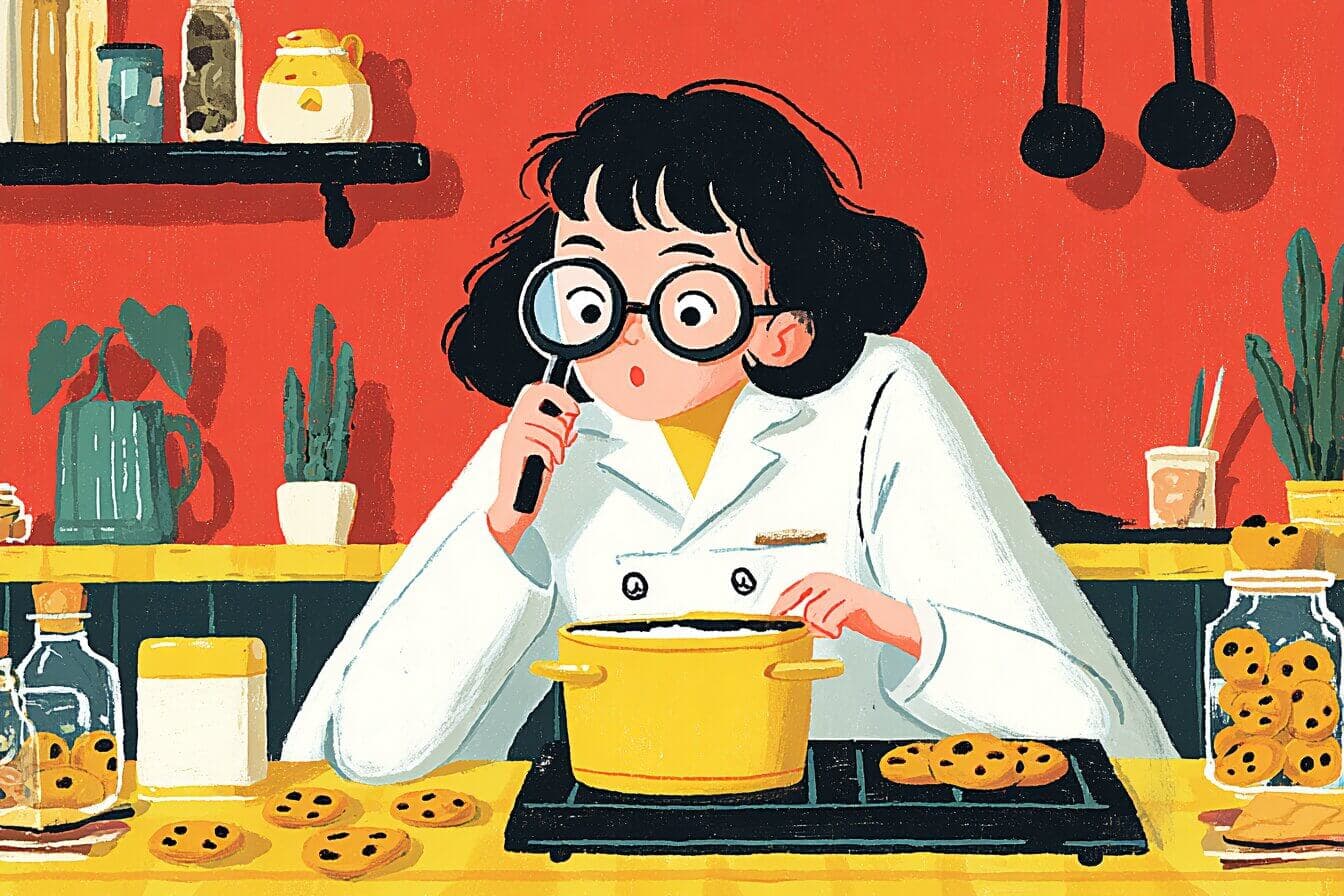
Detective Daisy follows crumbs and a chocolatey scent in short detective bedtime stories, then finds the missing cookies in a surprising place. A cozy case for winding down.

Astronaut Bedtime Stories
Looking for short astronaut bedtime stories that feel calm and wondrous at lights out? Read Astrid's gentle starlight parade and learn how to make your own version.

Vet Bedtime Stories
A tender clinic visit turns into a thank you lick and a tiny keepsake in short vet bedtime stories. A small thorn becomes a big lesson in trust and calm care.
Teacher Bedtime Stories
Want short teacher bedtime stories that feel cozy and kind for winding down after school? Discover a gentle classroom adventure you can read aloud tonight.
Scientist Bedtime Stories
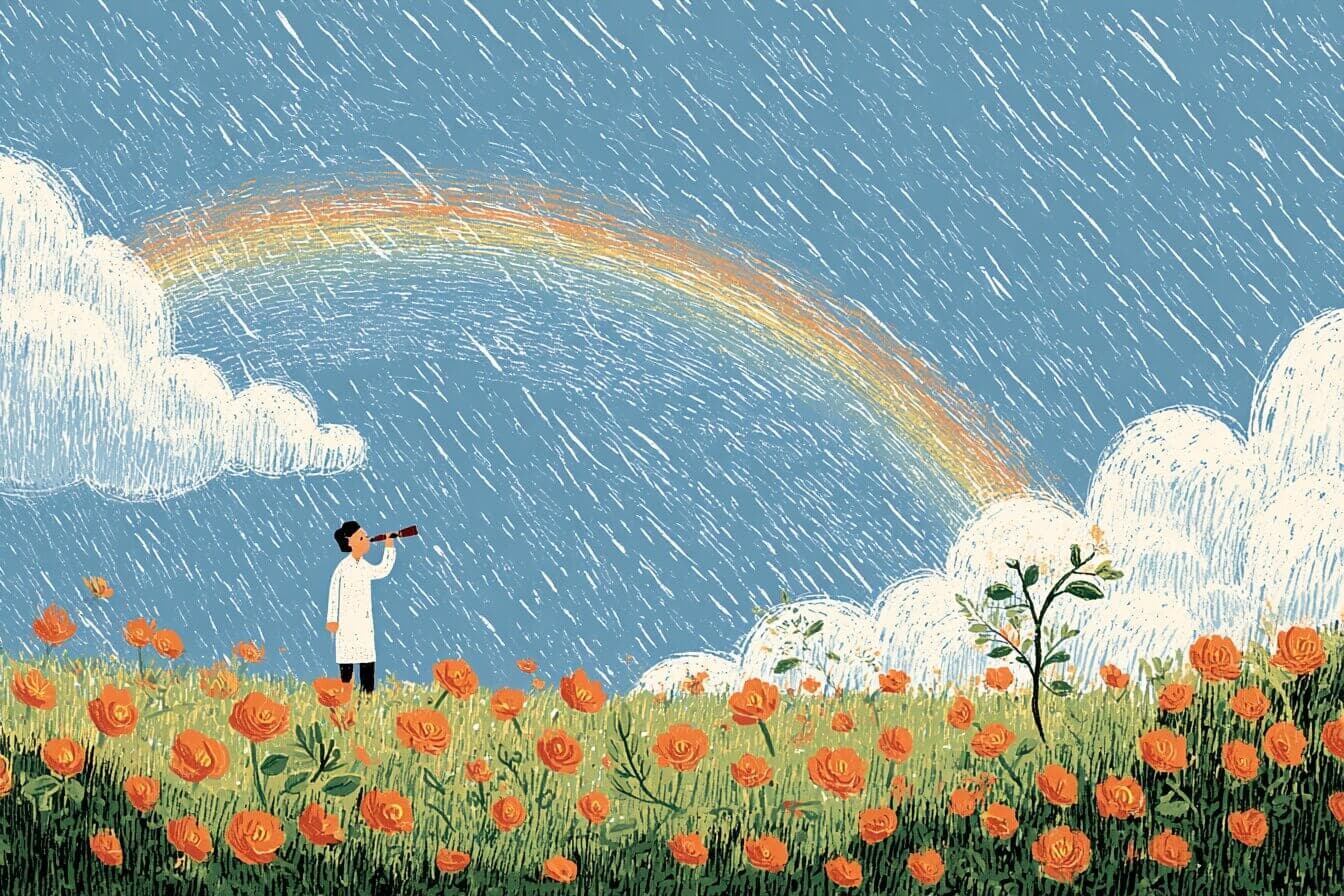
Preston turns a quiet flight into a gentle lesson for curious kids in short scientist bedtime stories. Clouds, wind, and light become soothing wonders as everyone settles down.