
Copenhagen Bedtime Stories
By

Dennis Wang, Bedtime Story Expert
12 min 10 sec
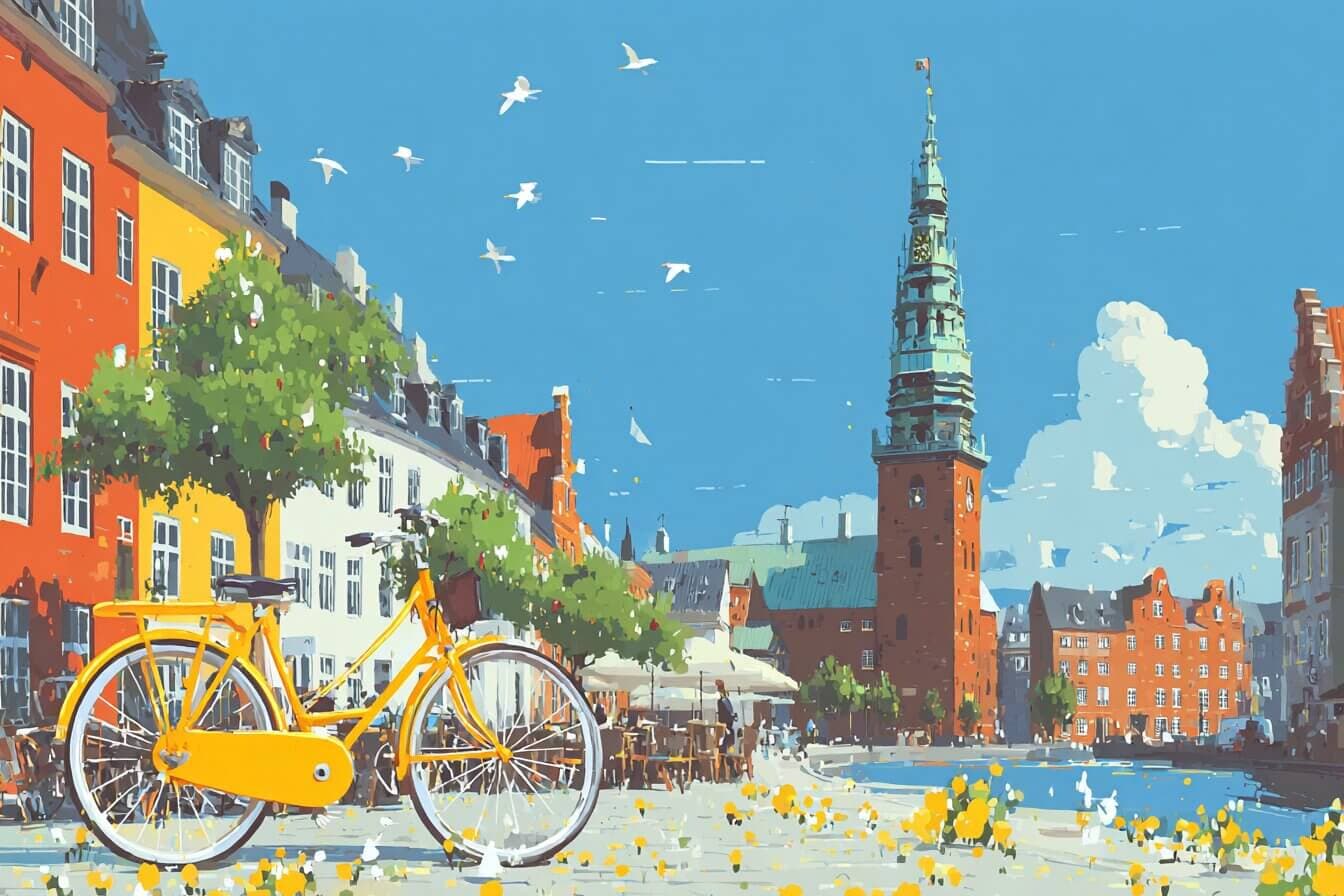
There is something about harbor water at night, the way light stretches across it like spilled honey, that makes children go quiet and lean into whatever story comes next. In this tale, a bronze mermaid who has spent a century watching children play along the pier finally gets her chance to walk among them for one extraordinary year. It is one of our favorite Copenhagen bedtime stories, gentle enough for drowsy eyes but full of the kind of wonder that keeps kids asking "what happens next?" in a whisper. If your little one loves the idea, you can build your own version with Sleepytale.
Why Copenhagen Stories Work So Well at Bedtime
Copenhagen is a city that practically whispers. Canals reflect lamplight, bicycles click past candy-colored houses, and even the busiest harbor feels tucked in by evening. For children, a story set in Copenhagen carries that same sense of a world that is lively but safe, full of things to discover without anything too loud or too fast. The cobblestones, the pastry shops, the little boats bobbing in place all give kids something concrete to picture as their breathing slows.
There is also a fairy tale feeling baked right into the city. Hans Christian Andersen walked those streets, and kids sense that layer of magic even if they cannot name it. A bedtime story about Copenhagen lets children travel somewhere far away while staying snug under the covers, and the rhythm of water against stone makes a natural lullaby that carries them toward sleep.
The Little Mermaid of Copenhagen 12 min 10 sec
12 min 10 sec
In the harbor of Copenhagen, where the water caught the last of the evening light and held it like a secret, a small bronze mermaid sat on her wave-washed rock.
She had been there for over a century. Her eyes had gone greenish with patina, but they still looked hopeful, the way a window looks when someone inside is waiting for a friend.
Children from every country came to see her. They clutched balloons, or their parents' hands, or both, and they always asked the same question: "Why does she look so sad?"
The truth was simple.
The Little Mermaid dreamed of legs.
She wanted to skip along the cobblestones of Nyhavn, to dance under the colored lanterns at Tivoli Gardens, to bite into a cinnamon pastry and let the crumbs fall wherever they pleased without worrying about making the fish jealous. Every sunset she sang, so softly you might mistake it for wind chimes strung with seashells, or for the harbor itself sighing before dark.
Her voice drifted through the rigging of tall ships, slipped between the masts of fishing boats, and found the ears of a moon-white gull named Freya.
Freya had carried messages from lighthouse keepers and love letters from sailors. She had flown over castles, forests, islands shaped like thumbprints. But she had never heard a song so full of longing.
She circled down, wings wide, and landed beside the statue.
"Why do you sing of legs?" the gull asked, tilting one bright eye.
The bronze lips could not move, yet the mermaid's answer shimmered in the air like heat over summer sand. She told of waves that never let her feel grass. Tides that always pulled her back. Children who ran laughing along the pier while she stayed frozen in metal, close enough to hear their shoes slapping the wood.
Freya preened a single feather, thinking.
Then she lifted off, promising to return before the harbor clock struck next.
She soared over rooftops and chimney pots until she spotted the Royal Library, its walls glowing like a golden waterfall in the dusk. Inside, among shelves so quiet you could hear a page turn two rooms away, lived Professor Elvira, keeper of stories and secrets.
Freya tapped the tall window with her beak until the scholar opened it, spectacles slipping down her nose.
When the gull explained the mermaid's wish, Elvira's eyes went wide and bright. She disappeared into a back room and returned carrying a tiny book bound in something that smelled of salt and far-off storms. Starfish skin, she said, though she would not explain how she got it.
Together they read about an ancient pearl hidden beneath Kronborg Castle, a pearl that could grant one wish to any creature of the sea during the midsummer full moon. The catch: the pearl sat at the center of a catacomb maze, guarded by the ghost of Hamlet's father, who tested visitors with riddles about sorrow and joy.
Freya thanked the professor and flew back to the harbor. Moonlight turned her wings the color of old pewter.
She told the mermaid everything.
The statue's heart, though made of metal, felt lighter than foam.
But how could a figure bolted to stone seek a pearl beneath a castle?
Freya chirped that every problem is just a story waiting for a clever page. She enlisted Otto the octopus, a playful creature who could squeeze through keyholes and shift color like a living prism. Otto agreed to guide the mermaid's spirit, because statues hold echoes of the souls they portray, faint but real, the way a bell holds its note after the ringing stops.
That night the moon hung round and low, close enough to touch if you were a seagull and not paying attention. Otto wrapped one tentacle around the statue's base while Freya perched on her shoulder. The harbor shimmered. The water parted. And the Little Mermaid felt herself lifting, not in body but in presence, like a bubble rising from the deep.
She traveled through canals lined with sleeping rowboats, over meadows of sea grass that swayed like dancers who had forgotten they were dancing, until she reached the dark mouth of the catacombs beneath Kronborg.
Torches flickered.
Shadows stretched along the walls like seaweed reaching for the surface.
The ghost of Hamlet's father appeared, his armor pale as moonlit surf, and he asked three questions.
"What is heavier than iron but floats like hope?"
"What sings without voice and remembers without mind?"
"What has roots that reach the ocean's heart yet craves the sky?"
Otto changed color six times while he thought, cycling through anxious orange and contemplative blue. The Little Mermaid was quieter. She let the silence sit for a moment, the way you might let a wave finish its run before you step forward.
Then she answered.
"A promise is heavier than iron yet floats like hope. The sea sings without voice and remembers every shore. And love has roots in the ocean but always reaches for the sky."
The ghost smiled. It sounded like distant applause echoing through stone corridors, or maybe like someone far away setting down a heavy thing at last. He stepped aside.
There, on a pedestal of coral, lay the pearl, glowing with the soft blush of dawn.
She reached out. The pearl dissolved into light that wrapped around her tail like silver ribbons, and she felt a tingling, as if thousands of tiny starfish were marching up her scales in a very orderly parade. The spell would last from midsummer moon to midsummer moon. One full year on land.
She thanked the ghost, Otto, and Freya, then felt herself pulled upward, faster than gull wings, until she burst through the harbor surface into morning.
Dawn painted the sky peach and rose.
Children were already gathering to greet the statue, but today they gasped. The bronze mermaid was gone.
In her place stood a girl with cinnamon-colored hair and eyes like deep fjords, barefoot on the rock, legs wobbly but strong. She wore a dress woven from sea foam and belted with kelp pearls, and she was grinning so hard her cheeks hurt.
The harbor master dropped his coffee. Seagulls circled, unsure of protocol. A tiny terrier barked once, then sat down, apparently satisfied.
The Little Mermaid stepped onto the pier. Her toes curled against the sun-warmed wood, and she stood there a moment just feeling that, the grain of it, the heat stored from yesterday's light. She smelled bread from the bakery across the street, heard bicycle bells ringing like happy crickets, and laughed out loud when a boy offered her a strawberry. She bit into it and juice ran down her chin. Nobody in the sea had warned her about that part.
Throughout summer she explored the city. She danced at Tivoli while carousel horses seemed to wink, climbed the Round Tower to see red rooftops stretching out like friendly waves in every direction, and fed ducks in the King's Garden with bread she always tore too big because her hands were still learning their own strength. She rode a bicycle, wobbling like a jellyfish in a crosscurrent, and discovered that legs could skip, hop, and kick footballs into fountains. Each splash felt like a small celebration.
Yet every night she returned to the harbor and sat on her old rock with her feet dangling in cool water.
She told Freya and Otto about her day.
They told her about moonlit currents and ships carrying dreams across dark water. Sometimes nobody said anything at all, and the three of them just watched the lights of the city reflect on the surface, wobbling gently, like something alive.
Summer faded into autumn. Chestnut trees dropped golden leaves onto the canals, and the Little Mermaid collected them, pressing patterns into notebooks she bought with small pearls she found along the beach. She joined children sailing paper boats, helping them fold crisp white sheets into brave little vessels. One boy folded his wrong and got a lopsided hat instead, and they both laughed so hard they had to sit down.
Winter came. Snow turned Nyhavn into a snow globe, and she built her first snowman, using seashells for eyes and a strand of dried seaweed for hair. When it melted, it left a puddle shaped roughly like a heart, if you tilted your head and squinted.
Spring returned with tulips pushing through park soil like colorful secrets that could not stay buried.
The year passed quickly, the way years do when they are full.
On the last midsummer eve, the city held a festival. Lanterns floated on the harbor. Music floated on the air. Children danced barefoot on the quay, and the Little Mermaid danced with them, her feet sure and swift now, steady as tides.
At midnight, moonlight touched her shoulders and she felt the tug of return.
She walked to her rock. She turned to the crowd. She bowed, a thank-you that needed no words.
Light shimmered. Bronze gleamed. And there she sat again, a statue gazing toward the horizon.
But something had changed.
Children who came the next morning swore her smile was wider, her eyes brighter, as if every memory of legs and laughter and melting snowmen and strawberry juice had been folded up small and tucked inside the metal where no tide could reach it.
And if you visit the harbor today, you might hear a gull whisper to an octopus about the year the Little Mermaid walked among the people, tasted cinnamon, and learned that dreams can fit inside shoes as well as shells.
The water sparkles a little more. The breeze carries the faintest scent of strawberries.
And the rock, if you press your palm to it on a warm evening, feels just slightly alive.
The Quiet Lessons in This Copenhagen Bedtime Story
This story is really about longing, patience, and gratitude, three feelings children know better than adults sometimes give them credit for. When the mermaid sits on her rock night after night, watching other children play, kids recognize that ache of wanting something just out of reach, and when help arrives through Freya and Otto, they absorb the idea that asking for help and accepting it are brave, not weak. The riddle scene, where the mermaid pauses before answering, shows that sitting with a hard question is more powerful than rushing to fill the silence. And the return to the rock at the end, willing and graceful, teaches that loving something does not always mean holding onto it forever. These are reassuring ideas to carry into sleep, the sense that a day full of wonder can end quietly, and that endings can feel whole rather than sad.
Tips for Reading This Story
Give Freya a quick, clipped voice, like someone who has important places to be but stops anyway, and let Professor Elvira sound warm and a little breathless, as if she has been waiting years for exactly this question. When the mermaid answers the ghost's three riddles, slow your pace and drop your voice lower so each answer lands with weight. At the moment she steps onto the pier and curls her toes against the warm wood, pause for a beat and ask your child what they think the wood feels like, it pulls them right into the scene and lets the story settle into their body rather than just their ears.
Frequently Asked Questions
What age is this story best for?
It works well for children ages 4 to 8. Younger listeners love the animal helpers, especially Otto changing colors and Freya tapping on the library window, while older kids get drawn into the riddle scene and the bittersweet return to the rock. The vocabulary is rich enough to hold a six or seven year old's attention without losing a four year old in complicated plot twists.
Is this story available as audio?
Yes. You can press play at the top of the story to hear it read aloud. The audio version really shines during the catacomb scene, where the ghost's three riddles build a rhythm that sounds almost musical, and during the quiet harbor conversations between the mermaid, Freya, and Otto. The pacing gives each seasonal vignette room to breathe, so it works beautifully as a wind-down listen.
Why does the mermaid turn back into a statue at the end?
The pearl's magic lasts exactly one year, from midsummer moon to midsummer moon, so the transformation was always temporary. But the story treats the return as something peaceful rather than sad. The mermaid bows to the crowd, the bronze gleams, and the children notice her smile has changed. It gives kids the comforting idea that even when something wonderful ends, the experience stays with you and changes you for the better.
Create Your Own Version
Sleepytale lets you reshape this harbor tale to fit your child's world. Swap Freya the gull for a neighborhood cat, move the adventure from Copenhagen to any city your family loves, or replace the riddle challenge with a treasure hunt through a cozy bookshop. You can adjust the tone, the length, and even add your child's name so the story feels like it was written just for tonight.
Looking for more travel bedtime stories?

Washington Dc Bedtime Stories
Ellie steps into bright marble streets and learns how big ideas become kind choices in short washington dc bedtime stories. A calm tour turns curiosity into comfort.

Tokyo Bedtime Stories
Looking for short tokyo bedtime stories that feel calm, magical, and easy to read aloud? Want a gentle tokyo bedtime story you can replay at bedtime.

Singapore Bedtime Stories
Lily arrives in Singapore and discovers rooftop gardens that float between towers in short singapore bedtime stories. She follows a humming seed to a gentle riddle and a citywide bloom.

Shanghai Bedtime Stories
Looking for short shanghai bedtime stories that feel calm and magical for kids? Read a gentle shanghai bedtime story and learn how to make your own cozy version in Sleepytale.

Sf Bedtime Stories
A foggy bridge becomes a quiet portal where a child rescues drifting dreams. Read short sf bedtime stories that glow with wonder and end in calm.

Seoul Bedtime Stories
Soothe bedtime with short seoul bedtime stories that blend gentle city sights, kind choices, and cozy calm for kids. Read a quiet Seoul adventure that settles little minds fast.