
Concert Bedtime Stories
By

Dennis Wang, Bedtime Story Expert
4 min 48 sec
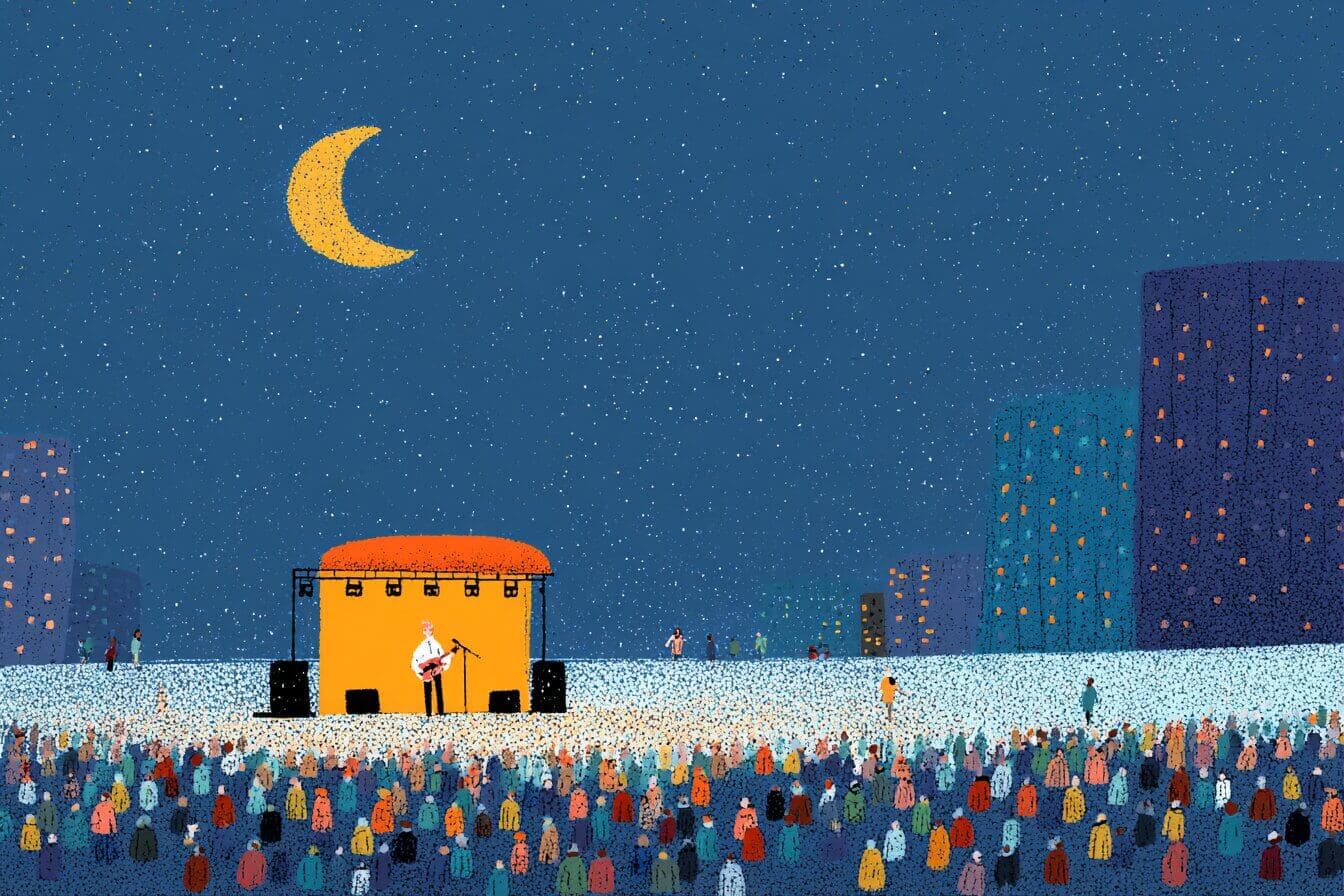
There is something magical about music that seems to wrap around you like a warm blanket, especially when the night sky is wide open above. In The Night the Music Hugged Me, a child sneaks out past bedtime in pajamas and wrong shoes to experience an outdoor concert that fills their whole body with warmth. It is one of those short concert bedtime stories that turns a simple evening into something a child will want to replay in their imagination again and again. You can even create your own version, with your child as the star, using Sleepytale.
Why Concert Stories Work So Well at Bedtime
Music has a natural way of slowing everything down, and that is exactly why concert stories feel so right at bedtime. The rhythm of a live performance mirrors the steady heartbeat a child feels when they are calm and safe. When a story brings a child into a world of soft melodies, glowing lights, and shared blankets, it wraps the whole bedtime ritual in a sense of wonder that lingers long after the last page. A bedtime story about a concert also teaches kids that stillness can be exciting. You do not need fireworks or wild action to feel something powerful. Sometimes the most extraordinary moment is simply sitting on a damp blanket, listening to a cello hum through the night air, and letting the music hold you close.
The Night the Music Hugged Me 4 min 48 sec
4 min 48 sec
It’s way past bedtime.
Mom’s voice is soft but excited.
“Tonight is an exception,” she says, and the words feel like a secret key clicking in a lock.
My pajamas are still on under my sweater.
My shoes are on the wrong feet.
I don’t care.
The car windows stay down the whole drive.
Wind slaps my hair against my cheeks.
Streetlights blink overhead like slow heartbeat.
I count them until they turn into trees and the trees turn into the park gate, open and waiting.
We park on gravel that crunches like cereal.
Mom carries the blanket.
I carry the flashlight even though the field is lit by strings of bulbs hung between poles.
They sway a little, glowing eggs in the night.
Other families walk ahead of us, their shadows long and quiet.
The grass is wet.
It soaks my ankles right through my socks.
Cold at first, then just there, like the ground is holding my feet.
We find a spot not too close to the speakers, which stand like tall gray fridges.
Mom shakes the blanket once.
It floats down and lands lopsided.
We sit.
A lady in a yellow raincoat asks if we mind sharing.
Her blanket is tiny and checkered.
She smiles with one side of her mouth.
Mom moves over.
The lady sits.
Her coat makes a soft plastic sound.
She smells like cinnamon gum.
The sky is dark blue, not black.
I can still see clouds moving.
The band walks on stage.
No one cheers loud, just a gentle clap that sounds like rain starting.
The singer says “Evening, friends,” and his voice is warm bread.
First note hits.
It’s a cello.
I feel it in my ribs before my ears.
The sound is so big it pushes the air around.
I think of whales.
I think of thunder far away.
My heart keeps its own beat, steady and slow.
Mom hands me a thermos cup of cocoa.
It’s lukewarm, sweet, gone in three swallows.
The lady offers popcorn from a crinkly bag.
I take one kernel.
It’s soft from humidity, chewy.
She takes none.
Just holds the bag like an offering.
Lights on the stage change from white to gold to soft rose.
Each color lands on faces around me.
A baby asleep on a shoulder.
A boy blowing bubbles that drift over us, catching the light for one breath before they pop on someone’s hair.
No one minds.
Between songs the night insects keep their own rhythm.
Crickets, maybe one frog.
The quiet feels stitched in with the music, same fabric.
I lean against Mom’s arm.
Her sweater smells like laundry soap and car seats.
I watch the cellist wipe his brow with a cloth that looks like a tiny table napkin.
They play a song I don’t know.
The singer hums first, then words about rivers and coming home.
My chest vibrates every time the drum kicks.
It’s like someone inside me is knocking, saying hey, we’re still here.
I close my eyes.
The knocking turns into a hug from the inside out.
When I open them the lady in yellow is crying, not sad, just wet cheeks catching the rose light.
She sees me looking, gives a small wave.
I wave back.
Mom squeezes my shoulder.
The song ends.
Applause lifts, settles, gone.
They play faster pieces.
Some kids dance in circles, arms linked.
Their bare feet slap the wet grass.
One boy spins until he falls, laughing up at the bulbs.
His mom pulls him onto her lap, kisses his hair.
He stays there, thumb in mouth, eyes wide on the stage.
I feel heavy, the kind of heavy that means something perfect is happening and you don’t want it to end.
I try to store each second: the shape of Mom’s hand on my knee, the popcorn taste, the way the lady’s coat crinkles, the hum inside my chest.
I press them like flowers in a book I’ll read tomorrow.
Last song.
The singer asks us to sing along if we know it.
I don’t.
But the melody is simple, repeats.
By the third time I hum under my breath.
Mom joins.
So does the lady.
Around us other voices rise, quiet, not trying to be louder than the band, just joining.
The grass, the wet socks, the wrong shoes, the cocoa, the crinkly bag, the rose light, the hum.
All one thing.
Song ends.
No claps.
Just stillness, like the whole park is holding its breath.
Then one dog barks far away and everyone breathes again.
Blankets fold, chairs scrape, sleepy kids lifted onto shoulders.
The lady stands, folds her tiny blanket under her arm.
“Thank you,” she tells Mom, then me.
I nod.
She walks into the crowd and I never see her again.
We drive home slower.
Windows up now because the air has turned cool.
My clothes smell like night and music.
In my bed later I still feel the drum in my ribs, soft now, steady.
I think of the checkered blanket, the napkin cloth, the wrong shoes.
I think of the song about rivers.
I think of the lady crying quiet rose light tears.
My heart keeps time with nothing but memory.
It’s enough.
It’s plenty.
I sleep.
The Quiet Lessons in This Concert Bedtime Story
This story gently explores mindfulness, generosity, and the beauty of shared experience. When the child presses each moment into memory like flowers in a book, young listeners learn the value of being truly present. The lady in the yellow raincoat, who offers her popcorn and shares a small wave through quiet tears, models a kind of open hearted generosity that needs no explanation. These themes settle softly at bedtime, when children are most reflective and ready to absorb ideas about kindness and paying attention to the world around them.
Tips for Reading This Story
When the singer says “Evening, friends,“ let your voice go low and warm, like bread fresh from the oven, and pause before describing the first cello note so the anticipation builds. Slow way down during the moment when the child closes their eyes and feels the drumbeat turn into a hug from the inside out; let your voice get quieter with each phrase. For the final scene where everyone sings along together, try humming softly for a few beats before reading the words, so your child can feel how the melody pulls the whole park into one voice.
Frequently Asked Questions
What age is this story best for?
This story works beautifully for children ages 3 to 8. Younger listeners will love the sensory details like crunchy gravel, lukewarm cocoa, and glowing string lights, while older kids will connect with the child's desire to store each perfect second in memory. The gentle pacing and quiet ending make it ideal for winding down at any age in that range.
Is this story available as audio?
Yes, you can listen to the full audio by pressing play at the top of the page. The audio version brings out wonderful details, from the crinkly sound of the lady's yellow raincoat to the warm, bread like tone of the singer's greeting. It is especially lovely to hear the final scene where the whole park falls into stillness and one faraway dog bark breaks the silence.
Why does the child feel the music inside their body in this story?
The story describes how deep instruments like the cello and the bass drum create vibrations you can physically feel, especially in your chest and ribs. The child experiences the cello's first note before their ears fully register it, and later the drum's steady kick feels like a gentle knocking from inside. This is a real phenomenon that makes live music feel so much more powerful than a recording, and the story captures it beautifully.
Create Your Own Version
Sleepytale turns your child's favorite ideas into personalized bedtime stories in moments. You can swap the outdoor park for a rooftop under the stars, change the cello to a piano or a steel drum, or replace the lady in yellow with a friendly grandpa who shares homemade cookies. In just a few taps you will have a cozy, calming concert story made especially for your little listener.
Looking for more music bedtime stories?
Rock Bedtime Stories
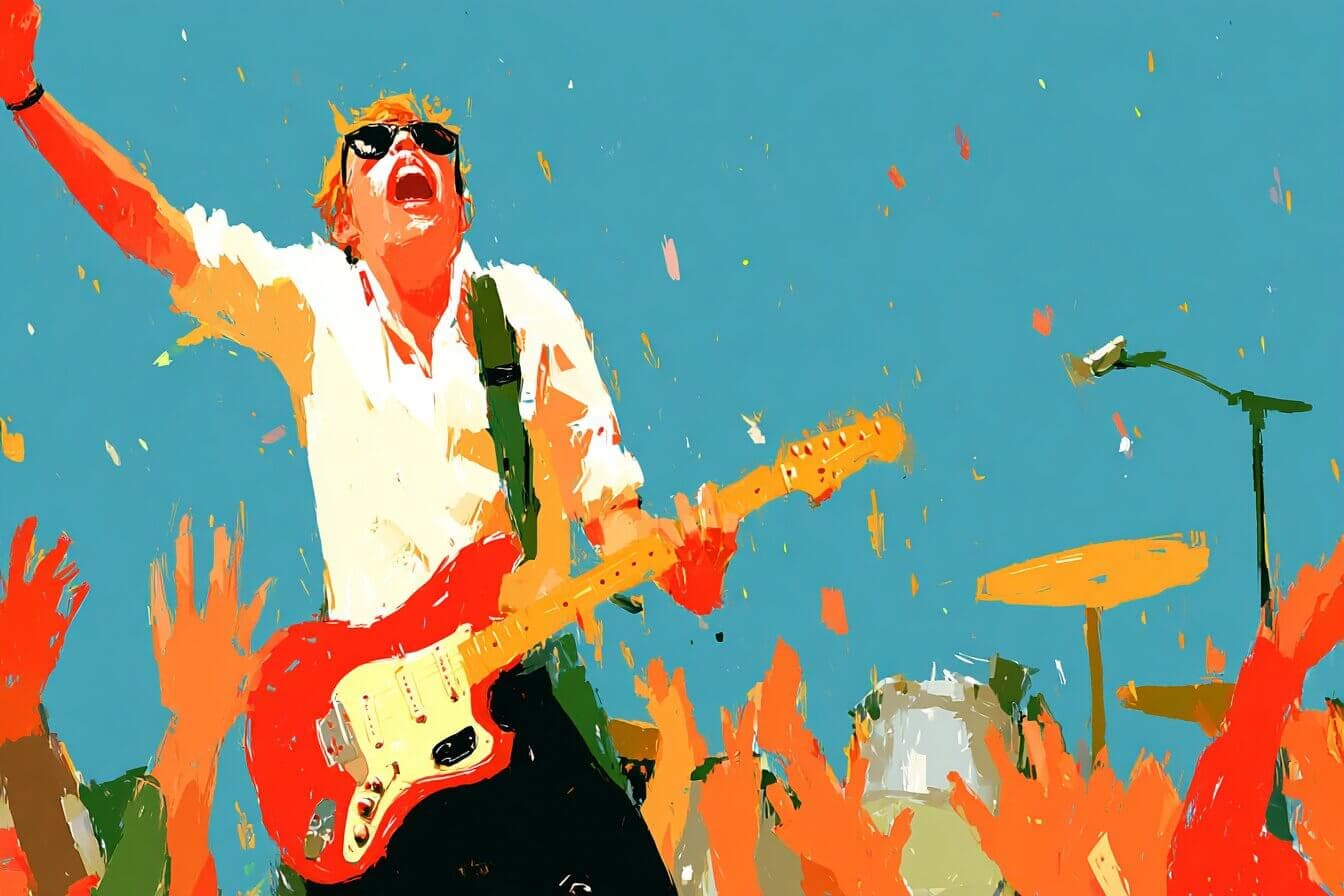
A dad's secret past as a crowd surfing guitarist sparks a family jam session in one of our favorite short rock bedtime stories.
Rap Bedtime Stories
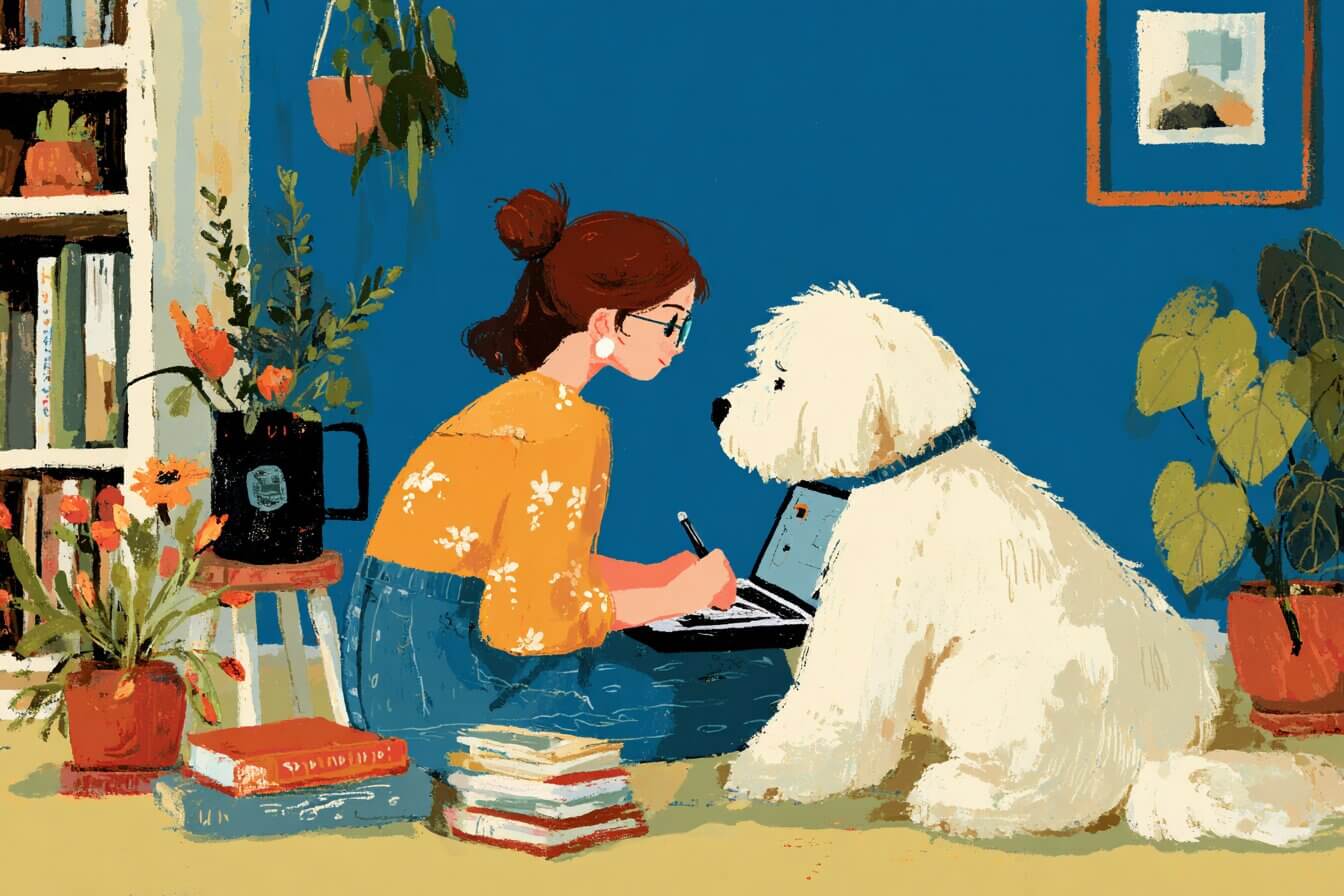
Ever wondered why short rap bedtime stories help kids sleep? Suki's sticky note rhymes and Milo's shoebox surprise say it all.
Pop Bedtime Stories
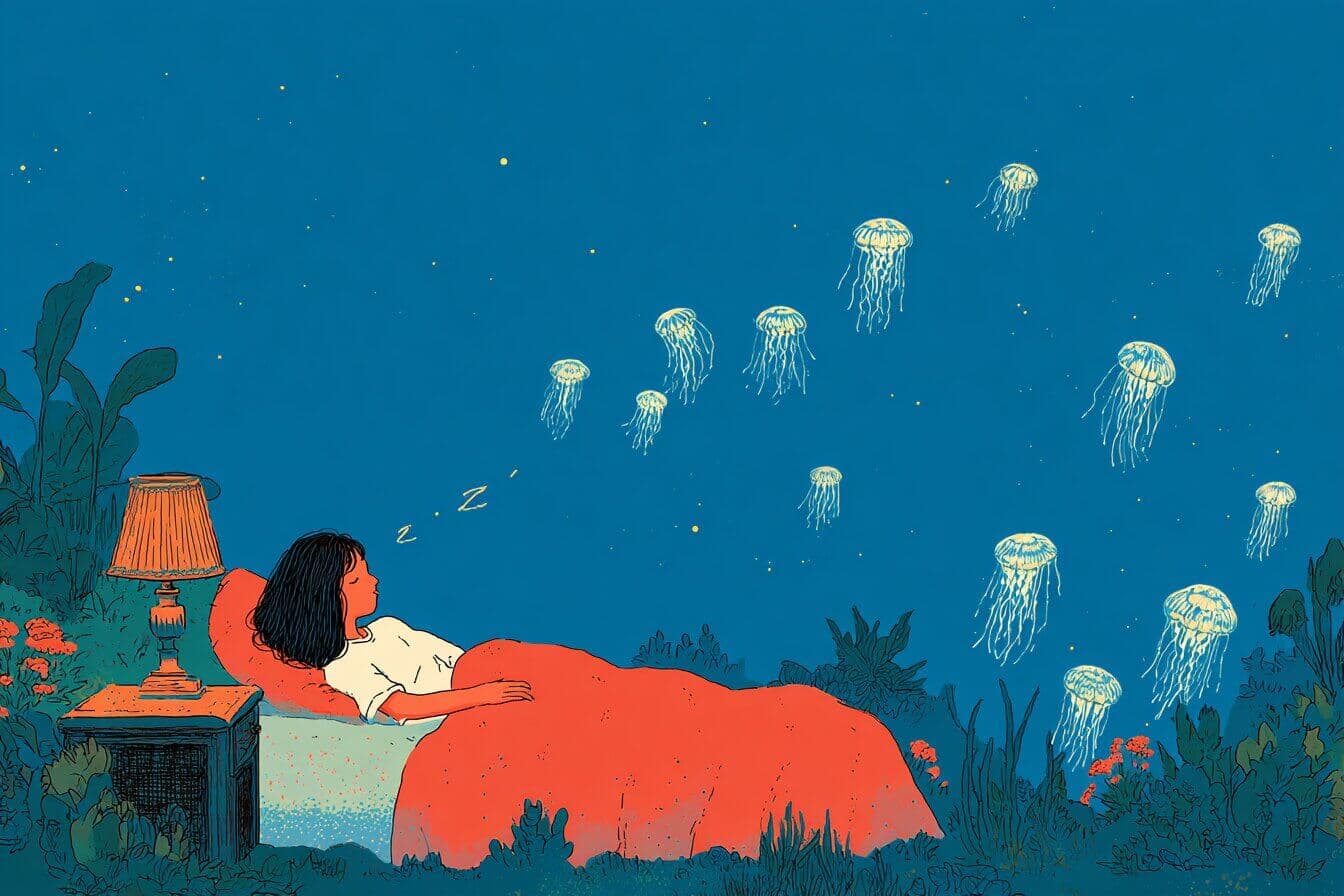
What happens when Mina performs for glowing jellyfish in one of our short pop bedtime stories featuring a silver pearl?
Orchestra Bedtime Stories
Mia's single triangle note unites a quarreling orchestra in one of our favorite short orchestra bedtime stories for little listeners.
Lullaby Bedtime Stories
Enjoy short lullaby bedtime stories like Mira's magical night Lark Lane, where a glowing feather chooses its keeper.
Kpop Bedtime Stories
A copper gold seed leads Jennie through Central Park in one of our favorite short kpop bedtime stories.