
Cello Bedtime Stories
By

Dennis Wang, Bedtime Story Expert
8 min 48 sec
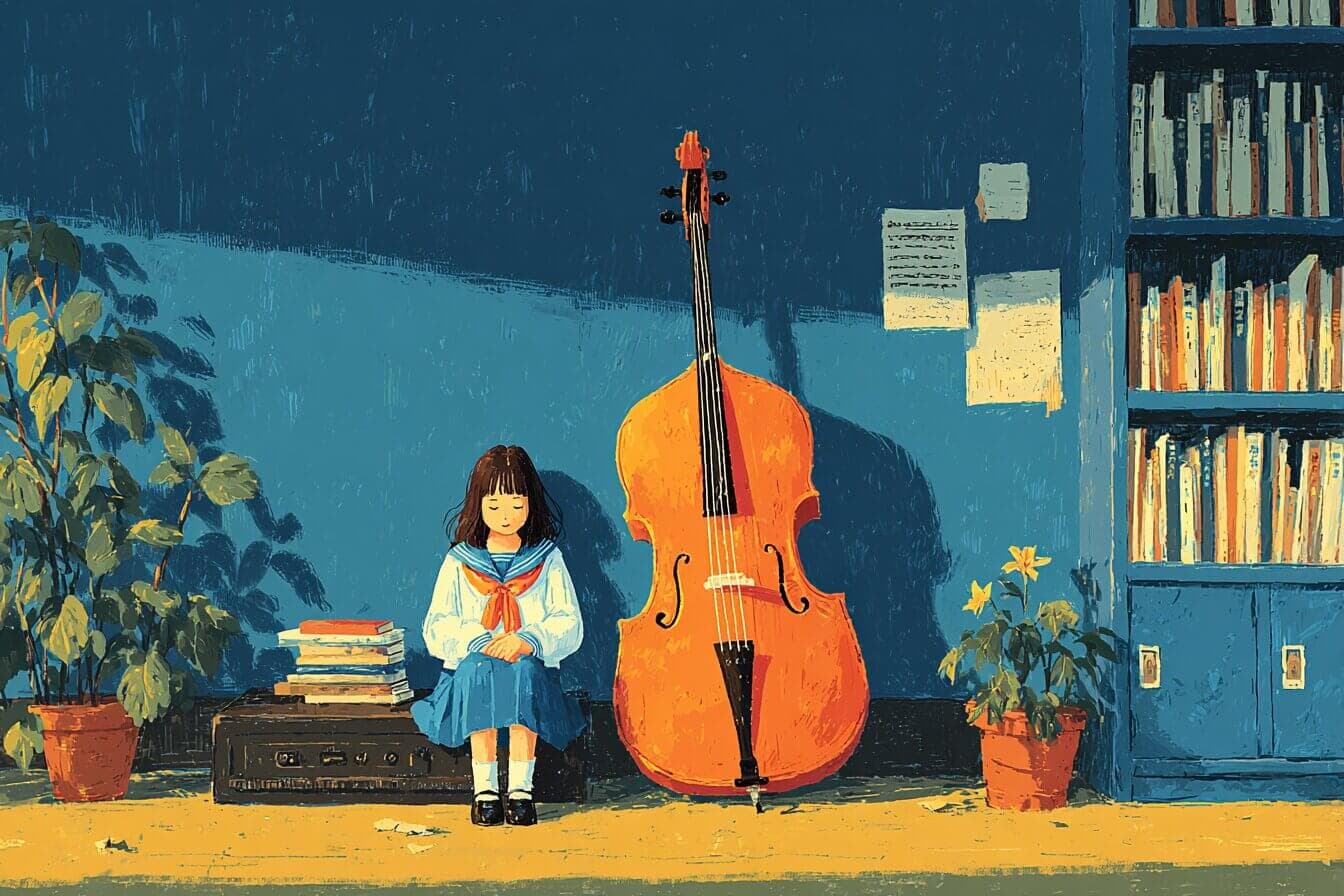
There is something about the deep, warm hum of a cello that feels like a lullaby all on its own. In The Giant Cello's Secret Song, a girl named Amara discovers a giant talking cello tucked in the corner of her school music room, and together they learn what it truly means to be heard. It is one of those short cello bedtime stories that wraps around you like a cozy blanket and stays with you long after the last note fades. If your child loves musical adventures, you can create your own personalized version with Sleepytale.
Why Cello Stories Work So Well at Bedtime
The cello is one of the closest instruments to the human voice, and children sense that instinctively. Its low, resonant tones feel grounding, almost like a hug you can hear. A bedtime story about a cello taps into that same calming frequency, giving kids a reason to slow their breathing and settle into stillness. When the music in a story is gentle and unhurried, the whole mood of the room shifts. Stories like this one also help children connect with the idea that quiet things deserve attention. Amara's cello isn't flashy or loud; it waits patiently in a corner. That patience mirrors the way bedtime itself works best: not rushed, not forced, but unfolding naturally when a child feels safe enough to let go of the day.
The Giant Cello's Secret Song 8 min 48 sec
8 min 48 sec
The cello stood in the corner of the music room like a sleeping giant.
Its neck reached higher than the top of the window frame, and its body was wider than three third graders standing shoulder to shoulder.
Amara had passed it every Tuesday and Thursday since September, but today something made her stop.
Everyone else had gone to lunch.
The room smelled like old wood and valve oil.
She dragged a folding chair across the tile floor, the metal legs scraping loud enough to make her wince, and sat beside the massive instrument.
The varnish was darker than her grandmother's coffee table, full of tiny cracks that looked like rivers on a map.
When she leaned her head against the side, she felt it.
A tremble.
Not sound exactly, more like when the school bus idles and your teeth buzz.
She pressed her palms flat against the wood.
The vibration traveled up her arms and settled behind her ribs.
"Hey," she whispered, because talking to instruments seemed less weird than talking to nothing.
"You okay in there?"
The response came through her cheekbones rather than her ears.
I've been waiting.
The words felt like warm breath on cold hands.
Amara jerked back.
The chair legs squeaked.
"Did you just..."
The cello hummed softer now, embarrassed maybe.
Students forget I exist.
They play the violins, the flutes, the shiny trumpets.
But I'm too big.
Too much.
"I'm Amara."
She touched the strings, thicker than her finger.
"I forget things too.
Like my lunch.
My mom's birthday.
The capital of Vermont."
Montpelier.
"Show off."
She grinned.
"Can you actually talk, or are you some kind of magic?"
The instrument shifted, barely.
Wood creaked like an old house settling.
I talk when someone listens.
Teachers see furniture.
Students see homework.
You saw...
me.
Her stomach growled, loud in the empty room.
Lunch period would end soon.
She should go, but her feet stayed planted.
"What happens when you talk to people?"
Usually they run.
Last year a boy dropped his tuba mouthpiece and it rolled all the way to the gym.
"I'm not running."
She stood and wrapped her arms around the body, pressing her ear to the f-holes.
"What do you want to say?"
The cello's voice dropped, rumbling through her bones.
I want to play again.
Not the clumsy scales from method books.
Real music.
The kind that makes your chest feel too small for your heart.
"I can't even play the recorder."
Amara traced a scratch in the varnish.
"Mrs.
Peterson said I have the rhythm of a caffeinated squirrel."
Laughter rippled through the wood, light and surprised.
I could teach you.
If you want.
The door banged open.
Amara jumped, knocking over the chair.
Kevin Nakamura and his trumpet case stood in the doorway.
"Who were you talking to?"
"Myself."
She stepped between him and the cello, heart hammering.
"I do that.
Talk to myself.
About...
fractions."
Kevin squinted.
"You're weird, Amara."
"Takes one to notice."
She righted the chair and grabbed her backpack.
When she glanced back, the cello stood silent, just wood and strings again.
But that afternoon, she returned.
And the next day.
She learned to tighten the bow just enough to make the horsehair sing without squealing.
Her first real note sounded like a goose honking underwater, but the cello laughed its warm wooden laugh and said, Better than my first sound.
I squeaked like a broken swing set.
Weeks passed in a rhythm of wrong notes and small victories.
Amara's fingers developed calluses.
The cello taught her to hear the difference between minor and major keys, how sadness could sound beautiful if you gave it space.
One Thursday in December, Mrs.
Peterson clapped her hands.
"Holiday concert in two weeks.
Everyone needs a performance piece."
The room erupted.
Violins compared sheet music.
Flutes practiced scales.
Amara sat frozen.
She'd never played for anyone but the cello.
That afternoon she pressed her forehead to the strings.
"I can't do it.
What if I mess up?
What if they laugh?"
What if they don't?
The cello's voice had grown familiar as her mother's hands.
What if someone needs to hear imperfect music played with love?
"Easy for you to say.
You're not the one who'll sound like a dying duck."
I've sounded like worse.
Trust me on this.
Concert night, the gym smelled of floor wax and nervous sweat.
Paper snowflakes hung crooked from the rafters.
Amara's turn came faster than she wanted.
She carried the cello to the front, its weight steady against her chest like a heartbeat outside her body.
The lights were too bright.
She couldn't see faces, just shadows.
Her bow trembled.
She thought of running, of faking stomach flu, of becoming suddenly invisible.
Then she felt it.
The cello's vibration, not making sound but sharing courage.
She drew the bow across the strings.
The first note wobbled.
The second found its pitch.
By the third, Amara wasn't thinking about right or wrong.
She was telling a story about waiting in corners, about being overlooked, about finding someone who listened.
When she finished, silence filled the gym like water.
Then someone clapped.
Another person joined.
Soon the whole room was clapping, not because she'd played perfectly but because she'd played honestly.
Backstage, Kevin Nakamura approached carrying his trumpet like it might bite him.
"That was...
different.
Good different."
"Thanks."
Amara set the cello on its side, running her fingers along its neck.
"It's not so scary when you have the right instrument."
Kevin shifted his weight.
"Think your cello might want to play duets sometime?
I've got this piece that's supposed to have piano accompaniment, but..."
The cello thrummed against her leg.
I like duets.
Tell the trumpet I don't bite.
"She says yes."
Amara grinned.
"But only if you promise not to call her furniture."
Over the following months, the music room became different.
Students lingered.
They asked the cello about composition, about feeling music instead of just playing it.
The instrument never spoke to them like it spoke to Amara, but sometimes, when the room was full of people really listening, the walls seemed to breathe.
Summer came too soon.
On the last day of school, Amara sat with the cello between her knees, bow loose in her hand.
"I'll be in fifth grade next year.
Different building.
Different music room."
I'll wait.
The cello's voice carried a smile.
You taught me something important.
"What's that?"
That being big and overlooked isn't the same as being alone.
And that small people can carry large songs if someone helps them find the right key.
Amara pressed her cheek to the wood, feeling the slow pulse of something that had learned to speak again.
"I'll come visit.
Every Tuesday.
Even when I'm old like Mrs.
Peterson."
Promise?
"Promise."
She played one last note, letting it ring until the vibration became memory against her skin.
Outside, buses honked and kids shouted.
Inside, a giant cello and a girl who used to feel invisible sat together, making music that sounded exactly like friendship.
The Quiet Lessons in This Cello Bedtime Story
This story explores the courage it takes to be truly seen, especially when Amara stands on stage with trembling hands and plays her imperfect song for the entire school. It also celebrates the value of showing up for others; Amara visits the cello day after day, building a friendship through patience and steady persistence. Finally, there is a beautiful thread about recognizing loneliness in someone else and choosing to stay rather than walk away, just as Amara does the very first time she feels the cello's quiet hum beneath her palms. These are the kinds of lessons that settle gently into a child's heart right before sleep.
Tips for Reading This Story
When voicing the cello, try a low, slow, resonant tone that vibrates in your chest, and pause just a beat longer than usual between its phrases to mimic the way Amara feels the words through her bones rather than her ears. Give Kevin Nakamura a quick, curious voice when he bursts through the door, and speed up slightly during that interruption to match the surprise. During the concert scene, let your own voice wobble on the first note just like Amara's bow, then gradually steady and warm as the music finds its footing.
Frequently Asked Questions
What age is this story best for?
This story is ideal for children ages 5 to 10. Younger listeners will love the magic of a talking cello and Amara's funny quips about caffeinated squirrels, while older kids will connect deeply with the feelings of being overlooked and the nervousness of performing on stage for the very first time.
Is this story available as audio?
Yes! Just press play at the top of the page to hear it read aloud. The audio version brings the cello's deep, rumbling voice to life in a way that feels almost musical, and the concert scene builds with a warmth that is perfect for winding down at bedtime.
Does Amara already know how to play the cello at the start of the story?
Not at all. Amara's very first real note sounds like a goose honking underwater, and Mrs. Peterson once told her she has the rhythm of a caffeinated squirrel. Over weeks of patient practice, she develops calluses on her fingers and learns to hear the difference between minor and major keys, guided step by step by the cello itself.
Create Your Own Version
Sleepytale turns your child's imagination into a personalized bedtime story in moments. You can swap the cello for a singing piano or a magical drum, set the adventure in a cozy attic instead of a school music room, or make your own child the main character. In just a few clicks, you will have a calm, cozy tale ready to read aloud tonight.
Looking for more music bedtime stories?

Rock Bedtime Stories
A dad's secret past as a crowd surfing guitarist sparks a family jam session in one of our favorite short rock bedtime stories.
Rap Bedtime Stories
Ever wondered why short rap bedtime stories help kids sleep? Suki's sticky note rhymes and Milo's shoebox surprise say it all.
Pop Bedtime Stories
What happens when Mina performs for glowing jellyfish in one of our short pop bedtime stories featuring a silver pearl?
Orchestra Bedtime Stories
Mia's single triangle note unites a quarreling orchestra in one of our favorite short orchestra bedtime stories for little listeners.
Lullaby Bedtime Stories
Enjoy short lullaby bedtime stories like Mira's magical night Lark Lane, where a glowing feather chooses its keeper.
Kpop Bedtime Stories
A copper gold seed leads Jennie through Central Park in one of our favorite short kpop bedtime stories.