
Bulldozer Bedtime Stories
By

Dennis Wang, Bedtime Story Expert
9 min 25 sec
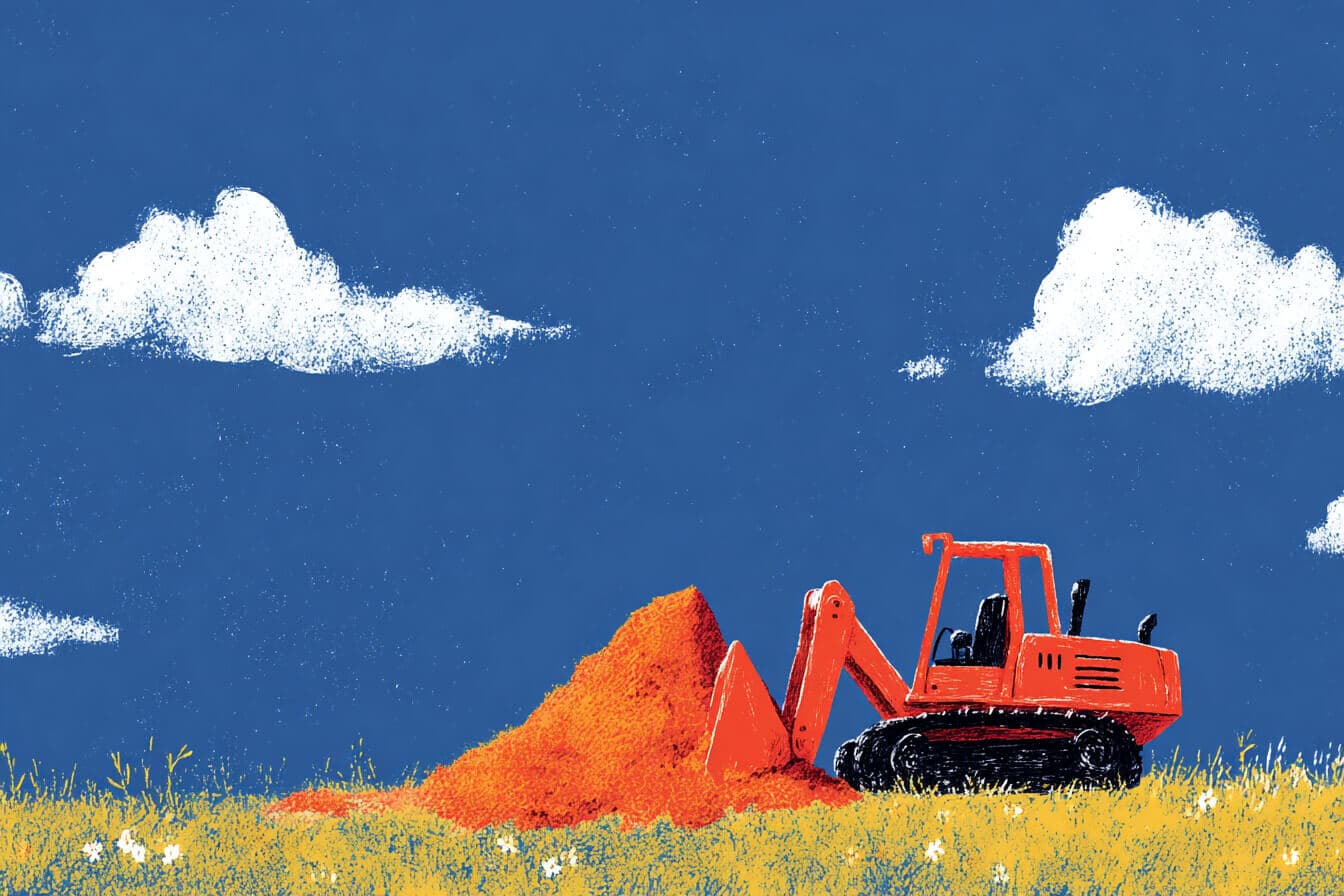
There is something about the low rumble of a big machine that makes kids go still and quiet, like the sound itself is a kind of lullaby. In this story, a yellow bulldozer named Betty helps her friends build a playground from bare dirt, only to discover that the most important thing she can push into place is not soil but kindness. It is the sort of bulldozer bedtime story that turns the clatter of a construction site into something surprisingly cozy. If your child loves trucks and gentle endings, you can create your own version with Sleepytale.
Why Bulldozer Stories Work So Well at Bedtime
Bulldozers move slowly. That is part of the magic. Unlike fire trucks screaming down a road or rockets blasting into space, a bulldozer pushes forward at a pace a child can follow with heavy eyelids. It smooths rough ground, clears away clutter, and leaves behind something flat and calm, which mirrors exactly what a bedtime routine is supposed to do for a busy mind. The repetitive motion of blade meeting dirt has a rhythm to it, almost like breathing in and out.
A bedtime story about a bulldozer also lets kids feel powerful and gentle at the same time. The machine is enormous, strong enough to move boulders, yet in the right story it uses that strength to help and to build rather than to break. That combination reassures children that being strong and being kind are not opposites. When they close their eyes picturing a friendly bulldozer settling into its yard for the night, the world feels steady and safe.
Betty the Bulldozer Builds a Playground 9 min 25 sec
9 min 25 sec
In the sunny town of Maple Glen, a yellow bulldozer named Betty woke up early.
Her engine turned over twice before catching, the way it always did on cool mornings.
Today was the day she would help build a playground for the children, and she had never built one before.
She knew it would take teamwork, kindness, and a lot of pushing dirt around.
She rolled out of the equipment yard with her big tracks leaving soft marks in the earth, past the dripping hose someone had left on overnight, past the sleeping forklift who always slept in.
Birds called from the oak trees. Betty tooted her horn back.
At the site she met her friends: Carla the crane, who could lift heavy beams so high they looked like matchsticks, and Max the mixer truck, whose drum turned and turned and turned like he could not stop thinking.
The foreman, Mr. Lopez, unrolled the plans across the hood of his truck and held down one corner with a coffee mug.
Swings, a slide, a sandbox, and a climbing wall shaped like a friendly dragon.
Betty's first job was clearing the field. She pushed her blade forward, scooping soil and sorting stones, setting each rock in a careful pile for the garden border.
Some rocks were stubborn. One in particular sat deep in the ground and would not budge until Betty backed up, lowered her blade an inch, and gave it a second shove that made Carla whistle from across the lot.
"Show off," Carla said, but she was grinning.
Along came Penny the painter in her tiny cart, cans of red, blue, and yellow rattling like a xylophone on every bump.
"Want to help me pick colors for the monkey bars?" Penny asked.
Betty blinked her headlights. She loved bright colors more than she loved fresh motor oil, which was saying something.
Together they chose a rainbow pattern that would sparkle in sunshine and glow soft under the moon.
Nearby, children peeked through the fence. A small girl named Mei clutched a toy bulldozer and whispered to no one in particular, "I hope they save a spot for me to dig."
Betty noticed those hopeful eyes.
After smoothing the last corner of the sandbox, she used her blade to draw a gentle heart in the center of the site. Nobody asked her to do that. She just wanted to.
Mr. Lopez declared a water break. While the machines rested, Betty rolled to the fence and lowered her scoop so Mei could set her toy inside.
"For good luck," Mei said, and patted Betty's warm metal with both hands.
Betty carried the tiny bulldozer to the sandbox and placed it beside the heart.
A promise that kids and machines would share this space.
When work started again, clouds bunched together overhead. Wind picked up, and rain began to tap on Betty's roof, not hard, more like fingers drumming on a desk during a boring meeting.
She kept pushing.
Carla draped tarps over fresh concrete. Max sealed his drum tight. Penny ducked under her cart and hummed while painting color samples on a board balanced across her knees.
Thunder rolled in the distance. The friends answered with friendly toots and beeps, a conversation only they understood.
Betty thought about how nervous she had felt at sunrise, standing in the yard with her blade still cold. That feeling was gone now.
She sang inside her engine, a steady chug chug chug that sounded like courage, or at least stubbornness, which is almost the same thing.
By late afternoon the storm wandered off. Puddles sat everywhere, reflecting the clearing sky like little mirrors laid across the ground.
A rainbow arched above the playground, matching Penny's color choices so perfectly that Penny crossed her arms and said, "You're welcome, sky."
Betty's tracks were caked in mud, but she did not mind one bit.
She graded the final path, the one that would let wheelchairs roll right up to the swings, because playgrounds are for every child, no exceptions.
Mr. Lopez checked his plans and announced, "All major earthworks done. Great teamwork, everyone."
Carla lifted the dragon climbing wall into place, green wings spread wide, teeth painted gold. Max poured a smooth ramp for strollers. Penny danced along the structures leaving stars and flowers everywhere her brush touched.
Children came back with handmade thank you cards covered in glitter and crooked stickers.
Mei ran straight to Betty and pressed a card onto her windshield. It showed a yellow bulldozer wearing a big red bow.
Betty's engine purred so loud that Mr. Lopez looked up from his clipboard.
As sunset turned the sky peach and gold, the crew lined up for a final look. The playground was something to see: safe paths, sturdy handrails, soft rubber tiles under the swings, and the sandbox heart waiting for little feet.
But Betty noticed a problem. A lonely corner near the fence sat empty. The plans showed nothing for it. The space just looked, well, sad.
"What if we make something special here?" Betty asked. "Something that shows we care?"
Carla suggested a bench where kids could sit if they felt shy.
Max offered leftover beams.
Penny wanted to paint each slat a different color so no one sitting there would feel invisible.
They worked by lamplight. Fireflies drifted above like tiny, unpaid decorators.
Measuring, cutting, mixing, painting. Max accidentally splashed concrete on Carla's cable, and Carla flicked it right back at him. Nobody was mad.
When the bench was ready, Betty nudged it gently into place. Mr. Lopez wrote "Buddy Bench" on a sign, and Mei added stickers of hearts and stars, her tongue poking out the side of her mouth the whole time.
The playground stood complete under the moon.
Betty and her friends gathered in a circle around the Buddy Bench and made a quiet promise to keep the friendship alive.
Mr. Lopez gave each machine a sticker shaped like clasped hands. Betty wore hers just below her left headlight.
Children would arrive at dawn, but tonight belonged to the builders.
Betty rolled back to the yard, tired in her axles, warm in her engine.
She dreamed of kids laughing, of Mei digging treasure in the sandbox, of the dragon wall echoing with brave shouts.
The next morning the gates opened wide. Children streamed in, their cheers filling every corner. Mei found her toy bulldozer still sitting in the heart, now surrounded by other tiny trucks that kids had left overnight.
They took turns on swings, slid down the shiny slide, and built crumbling castles in the sandbox. Whenever someone felt alone, they sat on the Buddy Bench. They never sat long. Someone always came.
Betty watched from the fence, engine idling warm.
Carla flew a kite that fluttered above the trees. Max gave slow spinning rides. Penny led a painting party, pressing handprints along the dragon's tail until it looked like it wore a coat of tiny gloves.
The whole town showed up. Juice boxes. Cookies. Someone's grandfather fell asleep in a lawn chair.
Mei waved and shouted, "Thank you for our dreams!"
Betty tooted once, softly, knowing she would come back every season to keep the ground smooth and the heart clear.
Seasons passed. Autumn leaves twirled across the rubber tiles. Winter snow crunched under small boots. Spring flowers pushed through cracks near the fence. Summer sunshine made the slides almost too hot to touch, but kids touched them anyway.
Betty visited often, bringing small surprises: new chalk for drawing games, a box of sand toys, and once a tiny bell for the Buddy Bench that rang in the breeze whenever someone sat down.
Children grew taller. The playground did not. But it stayed a favorite place.
They learned to take turns, to help each other up after falls, to wave shy classmates into their games.
One evening, a new boy named Leo stood by the fence hugging a stuffed rabbit so tight its ears bent sideways.
He watched kids laugh but could not make his feet move forward.
Betty rolled up beside him, quiet as a machine that size can be, and lowered her scoop.
Mei noticed and ran over. Together they walked Leo to the Buddy Bench.
Within minutes three kids joined him, sharing crayons and stories about the dragon wall. Leo's rabbit got its own crayon portrait.
His smile grew wide.
Betty's headlights glowed a little brighter, or maybe that was just the sunset.
She understood that building friendships is a project with no finish date. It needs care the way a garden does.
She promised herself to keep pushing away not just dirt but loneliness too. Whenever a child stood outside looking in, Betty's friends would send a gentle beep her way, and she would rumble over, scoop lowered like a hand reaching out.
Years later, when those children became helpers themselves, they remembered the yellow bulldozer who showed them that big machines and little hearts aim for the same thing: lifting each other a bit higher than before.
The playground kept going, loud with laughter, painted in every color Penny could find, anchored by a heart in the sand and a bench that never stayed empty for long.
Betty, polished and bright, still rolled through Maple Glen, always ready for the next project.
But none ever made her happier than the day she pushed dirt around to build a place where friendships could take root and never stop growing.
The Quiet Lessons in This Bulldozer Bedtime Story
This story weaves together generosity, courage, and the simple act of noticing someone who feels left out. When Betty draws the heart in the sandbox without being asked, children absorb the idea that kindness does not need instructions or permission. When Leo stands frozen at the fence and Mei walks him to the Buddy Bench, the story shows that bravery can look like crossing a small stretch of grass to sit beside someone new. These themes land especially well at bedtime because they reassure a child that tomorrow's playground, classroom, or lunch table is a place where someone will notice them, too.
Tips for Reading This Story
Try giving Betty a low, rumbly voice and Carla a slightly brighter, teasing tone, especially when Carla calls Betty a show off after the stubborn rock scene. When the rain starts tapping on Betty's roof, slow your pace and tap your fingers lightly on the book or mattress so your child can hear the rhythm. At the moment Mei places her toy bulldozer in Betty's scoop, pause and let your child imagine holding something small and precious before you continue.
Frequently Asked Questions
What age is this story best for?
It works well for children between ages 3 and 7. Younger listeners love Betty's friendly beeps, the heart in the sandbox, and the simple back and forth between the machines. Older kids connect more with Leo's nervousness at the fence and the idea of a Buddy Bench, which they may have seen at their own school.
Is this story available as audio?
Yes. Press play at the top of the story to hear it read aloud. The audio version captures Betty's steady chug chug chug rhythm especially well, and the rain scene has a natural pacing that sounds wonderful through a speaker on a nightstand. The contrast between the quiet moments at the fence and the cheerful construction noises gives the narration a gentle rise and fall that suits bedtime listening.
Why do kids find construction machines so comforting at night?
Construction machines do big, visible work and then stop. That clear start and finish mirrors a child's bedtime routine, where tasks happen in order and end with rest. In this story, Betty finishes her job, rolls back to the yard, and settles in for the night, giving kids a model for winding down after a full day of their own building and playing.
Create Your Own Version
Sleepytale lets you build a bedtime story around your child's favorite machine, setting, and mood. Swap Betty for a backhoe working on a garden, move the action to a snowy mountain, or add a new character your child invents at dinner. In just a few moments you will have a calm, personal story ready to play whenever the night needs a little extra softness.
Looking for more vehicle bedtime stories?
Train Bedtime Stories
Thomas wakes before dawn to carry jars of wishes up a moonlit mountain in short train bedtime stories. A gentle climb, soft magic, and a cozy return help little listeners drift off.

Tractor Bedtime Stories
Tom the tractor learns how tiny seeds become supper in short tractor bedtime stories. A calm tractor bedtime story with gentle farm lessons and cozy field sounds.

Taxi Bedtime Stories
Tyler the taxi gathers gentle city moments in short taxi bedtime stories that soothe kids to sleep. Ride along with warm passengers, quiet streets, and a cozy garage goodnight.

Submarine Bedtime Stories
Looking for short submarine bedtime stories that feel calm, curious, and cozy at lights out? Want a gentle deep sea adventure that helps kids settle and drift off.

Spaceship Bedtime Stories
Drift into wonder with short spaceship bedtime stories as Stella joins a starlight parade and restores its glow using laughter, song, and kindness. A soothing twist among the stars.
Snowplow Bedtime Stories
A friendly snowplow hums through quiet streets after a heavy snowfall, clearing paths with neighbors. Cozy short snowplow bedtime stories for peaceful nights.