
Best Lullabies For Babies
By

Dennis Wang, Bedtime Story Expert
1 min 3 sec
Quick answer
The best lullabies for babies use slow, repeating melodies that mirror a resting heartbeat to help little ones release wakefulness and drift into sleep. Harbor's Reverie is a standout example, pairing a mother's whispered refrain with the image of an opalescent butterfly drifting overhead, creating a calm visual anchor that softens a child's attention. Suitable from birth through age three, its cycling phrases of tranquility build familiarity that quiets anxiety and deepens breathing within the first few verses.
Picture a still, endless night where a tiny butterfly drifts overhead, casting an opalescent glow while a mother's voice whispers a gentle melody into the hush. Harbor's Reverie is one of the best lullabies for babies, weaving harmony and tranquility into every repeating line until little eyelids grow heavy. You can create a personalized version with Sleepytale.
Why best Lullabies Soothe at Bedtime
A slow, sung melody does something remarkable to a child's nervous system. When a parent's voice stretches each syllable into a gentle hum, the rhythm naturally settles close to a resting heartbeat, around sixty to eighty beats per minute. That steady cadence tells the body it is safe to let go. Whether sung live or played from a familiar recording, the voice itself carries trust, and trust is what allows a child to release the grip of wakefulness. What sets the best bedtime songs apart is the way they anchor a child's attention to soft, sensory details: a faint glow, a whispered word, a quiet settling. These images give the mind something simple and warm to hold instead of the scattered energy of the day. When the same verse circles back again and again, it builds a loop of familiarity that quiets anxiety before it can take root. Repetition is not laziness in a lullaby; it is the whole point, a promise that nothing unexpected is coming and sleep is the only thing left to do.
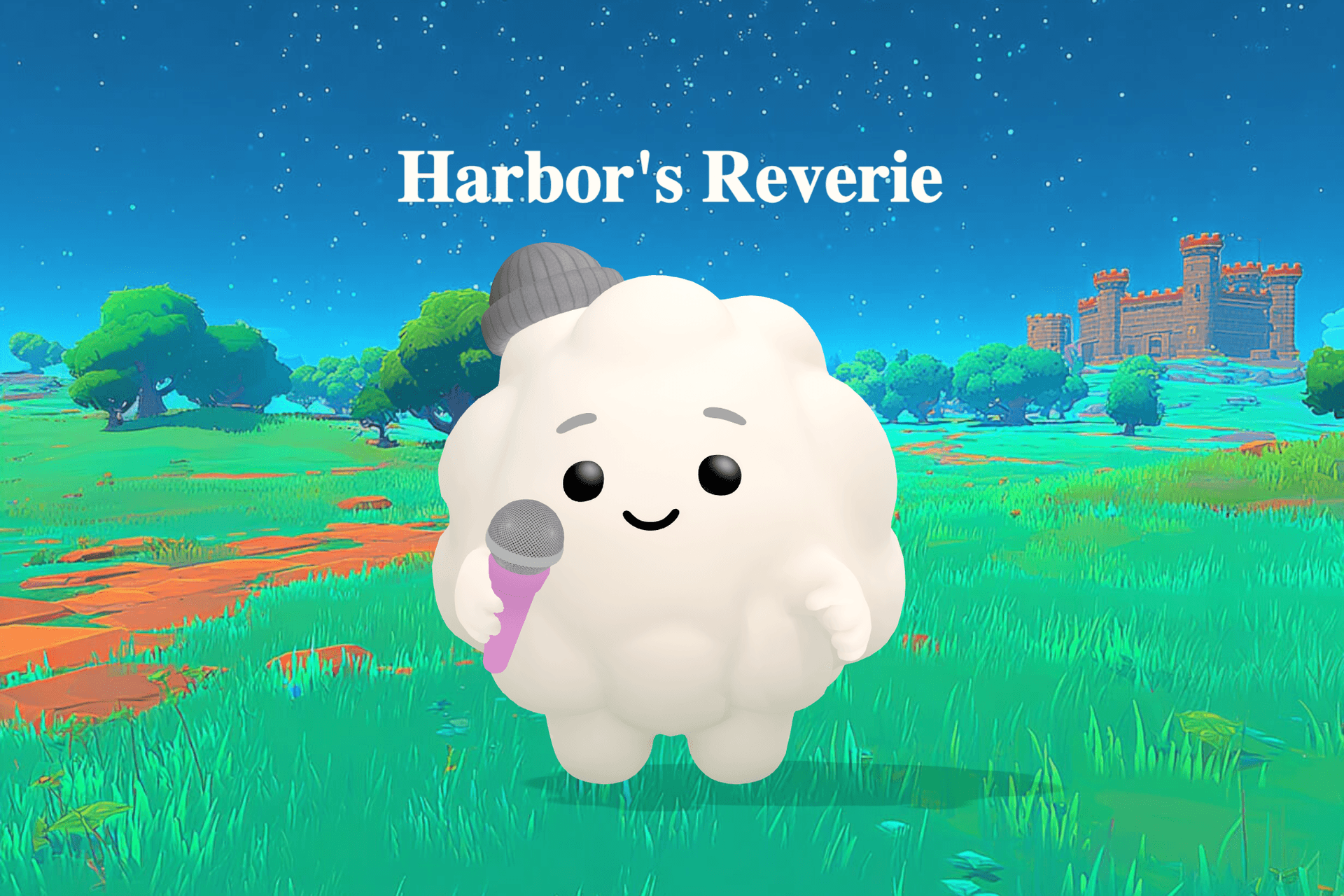
Harbor's Reverie 1 min 3 sec
1 min 3 sec
serenity quiet lullaby sleep
butterfly overhead opalescent glow
tranquility baby melody hush
lullaby harmony everlasting night
everlasting mother harmony rest
tenderly whispering tranquility now
tranquility baby melody hush
lullaby harmony everlasting night
Why This best Lullaby Helps at Bedtime
Harbor's Reverie moves at the pace of a slow, measured breath. Each line returns to the same gentle refrain of tranquility and hush, matching the calm cadence of a resting heartbeat. The images are deliberately quiet: an opalescent butterfly drifting overhead, a mother whispering tenderly, an everlasting night folding softly around the listener. None of these pictures demand action or excitement. They soften attention rather than sharpen it, which is exactly what a child's mind needs as the body prepares for sleep. By the second or third pass through the chorus, the melody becomes something the child no longer needs to follow closely. The familiar words release mental effort, letting the mind drift instead of work. Pairing this song with the same dim lamp, the same blanket, and the same quiet moment each evening turns it into a reliable sleep cue. Over a few nights, the child's body begins to recognize the opening notes as a signal to slow down. Many parents notice their little one's breathing deepens before the first verse even finishes.
What This best Lullaby Captures
The opalescent butterfly that drifts overhead is a small, luminous companion, something beautiful and close yet perfectly still, giving a child the feeling of being gently watched over. The mother's tender whisper carries the warmth of presence itself, a voice that says nothing needs to be fixed or figured out, only rest. The repeated word “tranquility“ wraps the whole song in a sense of deep, unhurried calm, the kind of safety where a child can stop holding on and simply be held. Even the phrase “everlasting night“ feels protective here, not vast or lonely, but steady and sheltering like a harbor that keeps everything quiet and close.
How to Sing It at Bedtime
When you reach the repeating phrase about tranquility and hush, let your voice drop to barely above a whisper and stretch each word a little longer than the one before. On the line where the butterfly appears in its opalescent glow, try resting a hand gently on your child's chest so the image of something soft settling overhead pairs with a real, grounding touch. Let the final “harmony“ of each verse trail off slowly, as if the melody is dissolving into sleep itself.
Frequently Asked Questions
What age is this lullaby best for?
This lullaby works beautifully from newborns through toddlers, roughly birth to age three. The simple, repeating melody and whispered tone suit the youngest listeners, while the soft image of a glowing butterfly overhead gives older babies and toddlers a gentle visual to settle into as they close their eyes.
Can I play this lullaby on repeat?
Yes, and Harbor's Reverie holds up especially well on repeat because the cycling phrases of tranquility and harmony blend together into a continuous, seamless lullaby. The opalescent butterfly and the mother's whisper feel just as soothing on the fifth listen as on the first. Press play at the top of the page and let it loop as long as your little one needs.
What does the opalescent butterfly represent in this lullaby?
The butterfly serves as a quiet, luminous presence overhead, something gentle and beautiful watching over the child as sleep arrives. Its opalescent glow suggests soft, shifting light, like moonlight reflected on still water, creating a feeling of wonder that is calm rather than stimulating. It gives a child a warm, peaceful image to carry into dreams.
Create Your Own Version
Sleepytale turns your family's favorite ideas into personalized lullabies with gentle melodies and calming lyrics made just for your child. You can swap the butterfly for your little one's favorite stuffed animal, change the harbor setting to a cozy blanket fort or a treehouse in the clouds, and even choose a soothing voice that feels like home. In just a few moments, you will have a one of a kind bedtime song your child can hear every night, filled with the people, places, and comforts they love most.
Looking for more lullabies for babies?
Songs To Sing To Baby To Sleep
The willow trees are already singing; now discover songs to sing to baby to sleep beneath soft moonlight and silver stars.

Songs To Put Newborn To Sleep
Silver stars shimmer around tiny eyelids as cosmic winds whisper low in one of the softest songs to put newborn to sleep.

Songs For Infants
Dreamy stars and quiet winds fill these songs for infants with silver moonlight that guides little ones to sleep.
Songs For Babies
Are you searching for songs for babies that shimmer like a low moon over a quiet shore? This lullaby hums your little one to sleep.
Songs About Newborn
Discover songs about newborn that wrap your little one in starlight and silver moonbeams for a peaceful night.
Song To Sing To Baby
Discover the perfect song to sing to baby as stars glow and cool blue waves rock your little one gently to sleep.