
Auckland Bedtime Stories
By

Dennis Wang, Bedtime Story Expert
8 min 22 sec
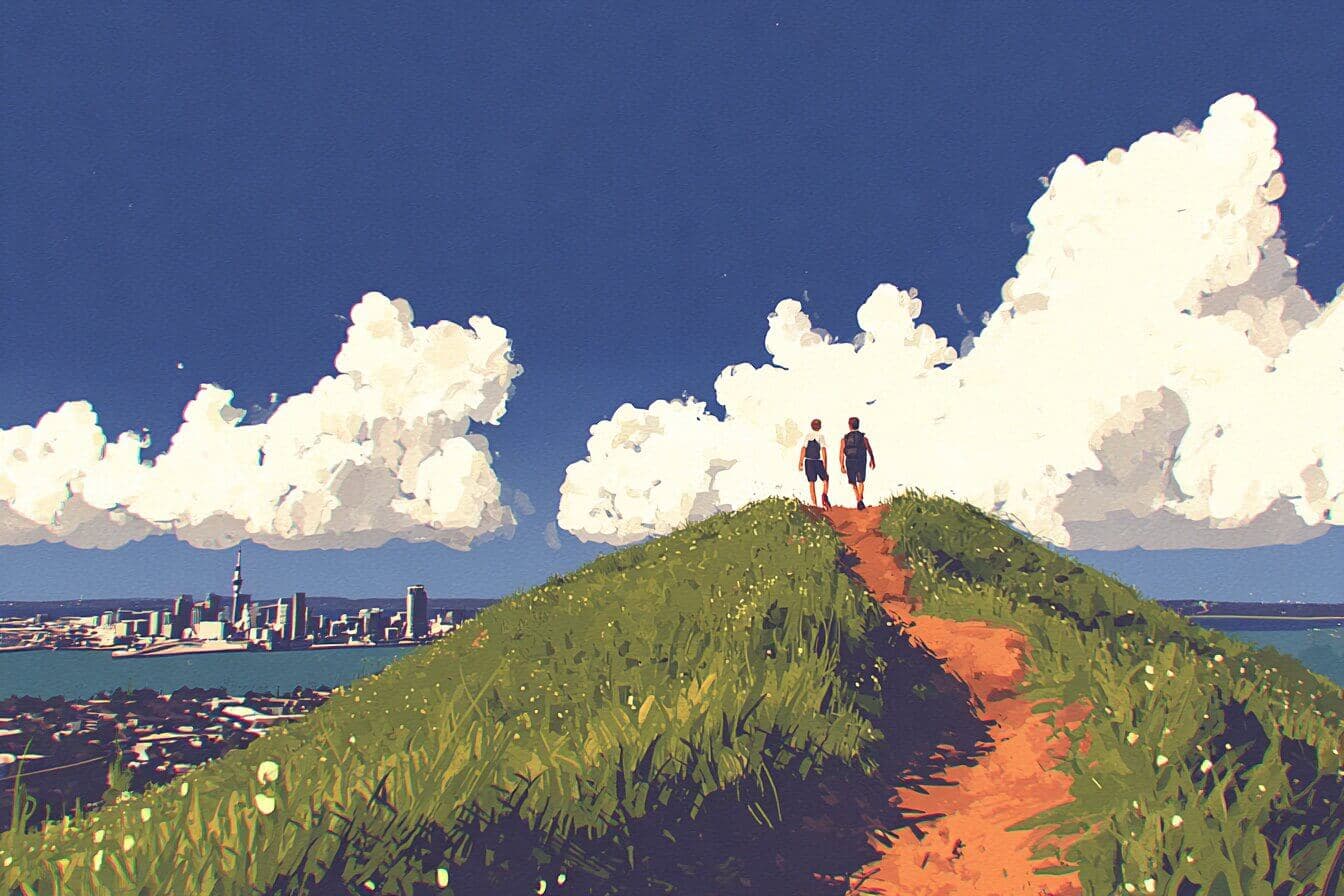
There is something about salt air and the sound of waves folding over each other that makes a child's eyes heavy in the best way. This story follows a young explorer named Auckland who sets out to climb a sleeping volcano and catch a glimpse of two oceans from a single grassy rim. It is one of those Auckland bedtime stories that trades big noise for small wonders, the kind of tale where pebbles glow and shells hum lullabies. If your little one would love a version with their own name or a different landscape altogether, you can create one with Sleepytale.
Why Auckland Stories Work So Well at Bedtime
Auckland sits on a narrow strip of land between two oceans, a place where you can stand on a hilltop and feel the Pacific on one cheek and the Tasman on the other. That geography is almost dreamlike on its own. For children, the idea of a city cradled between two bodies of water feels safe and enclosed, like being held by something much larger than yourself. A bedtime story set in Auckland taps into that natural sense of shelter, giving kids a world that is adventurous but also bordered by calm, rhythmic seas.
The volcanic landscape adds another layer. Dormant volcanoes are mountains that decided to rest, and that image resonates with a child who is being asked to do the same thing. Lava fields, fern tunnels, and hidden black-sand beaches give the imagination rich textures without anything too startling. The whole setting whispers that the earth itself knows how to be still.
Auckland and the Two Oceans 8 min 22 sec
8 min 22 sec
Auckland was not an ordinary city.
Auckland was a young explorer with hair the color of sunrise and boots always laced for climbing.
One bright morning Auckland stood at the base of a sleeping volcano called Rangitoto. The volcano looked like a giant green bowl turned upside down, its sides crusted in black rock that had once flowed like hot soup. Auckland pressed a palm against the rough stone and felt warmth still hiding inside, faint but stubborn, the way a kettle stays warm long after the flame goes out.
A fantail bird swooped low and chirped, "If you reach the top, you can see two different oceans at once."
Auckland's heart fluttered.
No one in the village had ever claimed they could see both the Tasman Sea and the Pacific Ocean on the same day.
Into a small pack went a red notebook, a sandwich of honey and banana (the banana already a little too ripe, but that made it sweeter), and a tiny wooden boat carved by Grandpa. The climb began through fields of purple wildflowers so thick with bees that the whole hillside buzzed like a telephone line.
Each step crunched. Auckland counted a hundred before the first lava cave appeared.
Inside, shadows slid along the walls. Auckland whispered, "I am just passing through," and the cave answered with cool air that smelled of salt and someplace far away. A single drop of water hit a ledge and echoed twice, then silence swallowed the sound whole.
Higher up, the path turned into a staircase of hardened lava bubbles. Auckland used hands and feet, pretending to be a spider, which honestly felt more like being a very clumsy spider, but it worked. The sun climbed too, painting the sky gold.
Halfway, Auckland met a tuatara lizard draped in a cloak of moss. The tuatara spoke slowly, the way someone speaks when they have all the time in the world and know it.
"Carry this shell. It holds the sound of the southern ocean."
Auckland tucked the spiral shell into a pocket and immediately heard soft shushing, steady and low, like water teaching itself a lullaby. The sound made the climb feel lighter, as if the mountain was humming encouragement under its breath.
Clouds gathered like curious sheep.
Auckland greeted them with a grin and kept moving.
Near the summit the trail narrowed to a silver thread. Auckland knotted shoelaces tighter, took a breath, and pressed on. Finally, the rim of the crater appeared, a grassy circle big enough to hold a village of dreams.
Auckland stepped onto it and gasped.
To the west, the Tasman Sea stretched wide and green, its waves winking. To the east, the Pacific Ocean shimmered blue, gentle and endless. Between them, Auckland felt the island breathe, slow and deep, the way someone breathes when they are almost asleep but not quite there yet.
The red notebook came out. A page was titled "Two Oceans, One Heart." Underneath, Auckland drew a line down the middle and filled each side with words: "Tasman laughs like a playful uncle. Pacific sings like a quiet aunt."
The fantail returned, landing on Auckland's shoulder. It sang three clear notes that sounded like "share, share, share."
Auckland understood. A gift this beautiful should not be kept secret.
The sandwich was eaten while watching ships crawl like tiny beetles across each sea. One crumb fell, and a bold ant carried it away before Auckland could even blink. The shell played its ocean song, mixing real waves with remembered ones.
Time softened.
Auckland closed both eyes, spread both arms wide, and spun slowly, tasting wind from two directions at once.
When those eyes opened, something new appeared: a narrow ridge running down the volcano's far side, a path not marked on any map. Curiosity sparked brighter than the sun ever could.
Auckland tucked the notebook away, whispered a thank you to the mountain, and started down the unknown trail.
The ridge dipped into a forest of tree ferns taller than houses. Their fronds formed green tunnels dripping with dew. Each droplet held a tiny rainbow, and Auckland caught one on a fingertip and watched it sit there, trembling, before it rolled away like a jewel that had somewhere else to be.
Further along, a stream sang over smooth stones. Auckland knelt to drink and saw a reflection wearing a cloak of clouds. The reflection winked, then spoke in a voice like wind chimes: "Follow the water. It remembers every ocean."
Auckland obeyed, stepping beside the silver thread as it twisted through ferns. The air smelled of mint and distant salt. Butterflies with wings like stained glass windows fluttered around, and Auckland got the feeling they were not just wandering but guiding.
The path sloped gently until the sound of surf grew loud.
Suddenly the forest opened to a hidden beach tucked between tall cliffs. Black sand glittered with flecks of greenstone. Auckland had found a place where the two oceans secretly shook hands underneath the island.
The tuatara's shell hummed louder, matching the rhythm of the waves exactly.
Auckland crouched and dug fingers into cool sand. Each grain felt like a tiny volcano holding ancient fire. A piece of driftwood shaped like a canoe lay half buried. Auckland unearthed it, brushed off the sand, and set Grandpa's wooden boat beside it. The two vessels looked like old friends meeting after a long trip.
Waves offered gifts: a blue mussel shell, a gull feather, a perfectly round pebble that fit in the center of a palm as if it had been measured.
Auckland arranged them inside the driftwood canoe.
A large wave pulled back, drawing a sparkling channel. Auckland set the little wooden boat on the water. It bobbed once, steadied, then sailed toward the horizon, carried by the pull of both oceans working together.
"Tell the seas I will visit soon!" Auckland called.
The boat shrank until it became a star on the water. Then it was gone.
The tide rose, lapping at ankles like playful kittens. Auckland turned back, following the stream upward through the ferns. The climb felt easier this time, as if the mountain had quietly added steps while no one was watching.
Back at the summit crater rim, the sun was slipping west. Colors softened to peach and lavender, and for a moment everything looked like the inside of a seashell.
Auckland sat on a smooth boulder and opened the notebook again. A new sentence appeared beneath the ocean notes: "The journey between two waters is really a journey inside one heart."
The fantail returned, chirped goodbye, and disappeared into the dimming sky.
Shadows stretched long fingers across the crater. Auckland stood, took one last look at the twin oceans, and began the descent. Lava bubbles underfoot felt like stepping stones placed by giants who had gone to bed long ago.
Halfway down the tuatara waited, moss cloak glowing faintly in twilight. It handed Auckland a small greenstone pebble polished by centuries.
"Memory keeper," it said. Nothing else.
Auckland tucked it beside the spiral shell.
Further down, the lava cave echoed with evening birdsong. Auckland paused inside and noticed something odd: darkness can feel safe when you share it with a mountain that knows your name. Outside, the first stars appeared.
The village lights twinkled far below like scattered treasure.
Auckland reached the base as the moon rose, a silver canoe crossing its own sky sea. Parents waited with warm blankets and mugs of cocoa that were almost too hot but not quite.
Auckland shared stories of two oceans, a hidden beach, and a boat that sailed toward both at once. Eyes grew wide. Questions tumbled. And then, slowly, the cocoa cooled and the talking slowed and everyone drifted toward bed.
That night Auckland placed the greenstone pebble on the windowsill. Moonlight made it glow like a tiny earth. The spiral shell rested beside it, softly singing.
Before sleep, Auckland whispered a promise to return and thank Rangitoto for teaching that every climb gives back more than it takes.
Dreams carried the young explorer across waves that touched every shore at once. In the quiet dark, the two oceans kept breathing. And somewhere beyond the horizon, a little wooden boat kept sailing, carrying messages of wonder to every shore it found.
The Quiet Lessons in This Auckland Bedtime Story
This story weaves together curiosity, generosity, and the courage to follow an unmarked path. When Auckland chooses the unknown ridge instead of the familiar way down, children absorb the idea that curiosity is not reckless when you pay attention and move carefully. The moment Auckland sets Grandpa's boat on the water and lets the ocean carry it away shows that some gifts grow larger when you release them instead of holding tight. And the return home, with cocoa and wide-eyed parents, reinforces that adventures feel complete only when they are shared. These are reassuring ideas to carry into sleep: tomorrow's unknowns are worth exploring, letting go can be an act of love, and the people who matter will always be waiting at the bottom of the hill.
Tips for Reading This Story
Give Auckland a voice that is bright but unhurried, and let the tuatara speak so slowly that your child starts leaning in to hear what comes next. When Auckland spins on the crater rim with arms wide, pause and invite your child to close their eyes and imagine wind from two directions. For the hidden beach scene, lower your voice almost to a whisper and tap gently on the bed or book to mimic the rhythm of waves lapping at ankles.
Frequently Asked Questions
What age is this story best for?
It works well for children ages 4 to 8. Younger listeners love the sensory moments, like catching a raindrop rainbow on a fingertip and hearing the shell's ocean hum. Older kids connect with Auckland's decision to take the unknown ridge and the idea of journaling observations in a red notebook.
Is this story available as audio?
Yes. Press play at the top of the story to hear it read aloud. The audio version brings out details that shine in narration, especially the tuatara's slow, deliberate speech and the contrast between the crunchy lava steps and the soft shush of the shell. The pacing naturally slows toward the cocoa-and-blankets ending, which makes it a smooth glide into sleep.
Why does Auckland send the wooden boat out to sea instead of keeping it?
Grandpa carved the boat as a gift, and Auckland decides the best way to honor it is to let it carry a message to both oceans. It is a small act of trust, releasing something precious and believing it will find its way. For kids, this moment often sparks conversation about what they would send across the water if they could.
Create Your Own Version
Sleepytale lets you reshape this volcano adventure into something that fits your child perfectly. Swap Rangitoto for a hill near your own home, replace the fantail with a bird your child would recognize, or change Auckland into your little one's name so the whole journey feels personal. You can adjust the tone from adventurous to extra cozy, and in a few moments you will have a story ready to read or play aloud tonight.
Looking for more travel bedtime stories?

Washington Dc Bedtime Stories
Ellie steps into bright marble streets and learns how big ideas become kind choices in short washington dc bedtime stories. A calm tour turns curiosity into comfort.

Tokyo Bedtime Stories
Looking for short tokyo bedtime stories that feel calm, magical, and easy to read aloud? Want a gentle tokyo bedtime story you can replay at bedtime.
Singapore Bedtime Stories
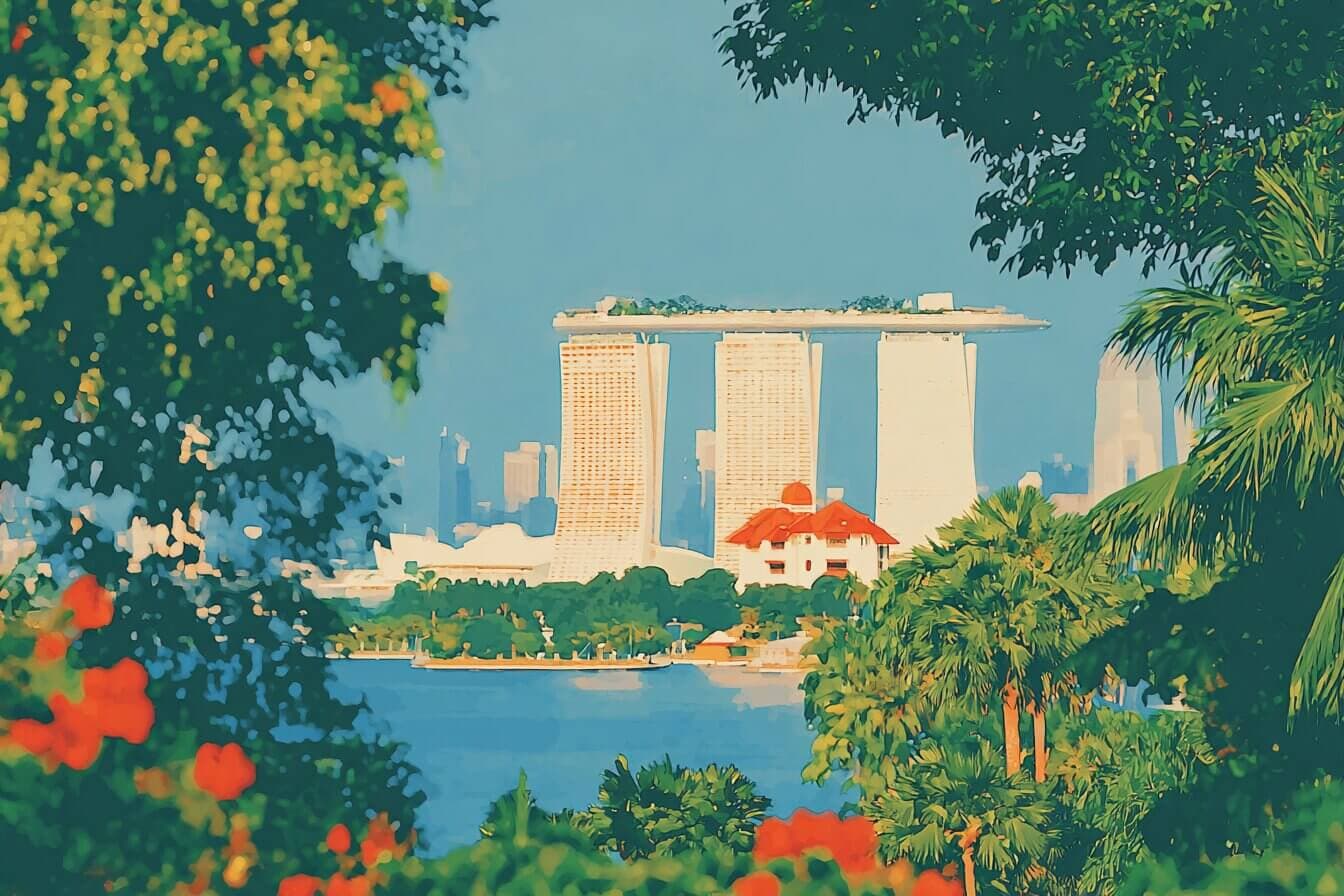
Lily arrives in Singapore and discovers rooftop gardens that float between towers in short singapore bedtime stories. She follows a humming seed to a gentle riddle and a citywide bloom.
Shanghai Bedtime Stories
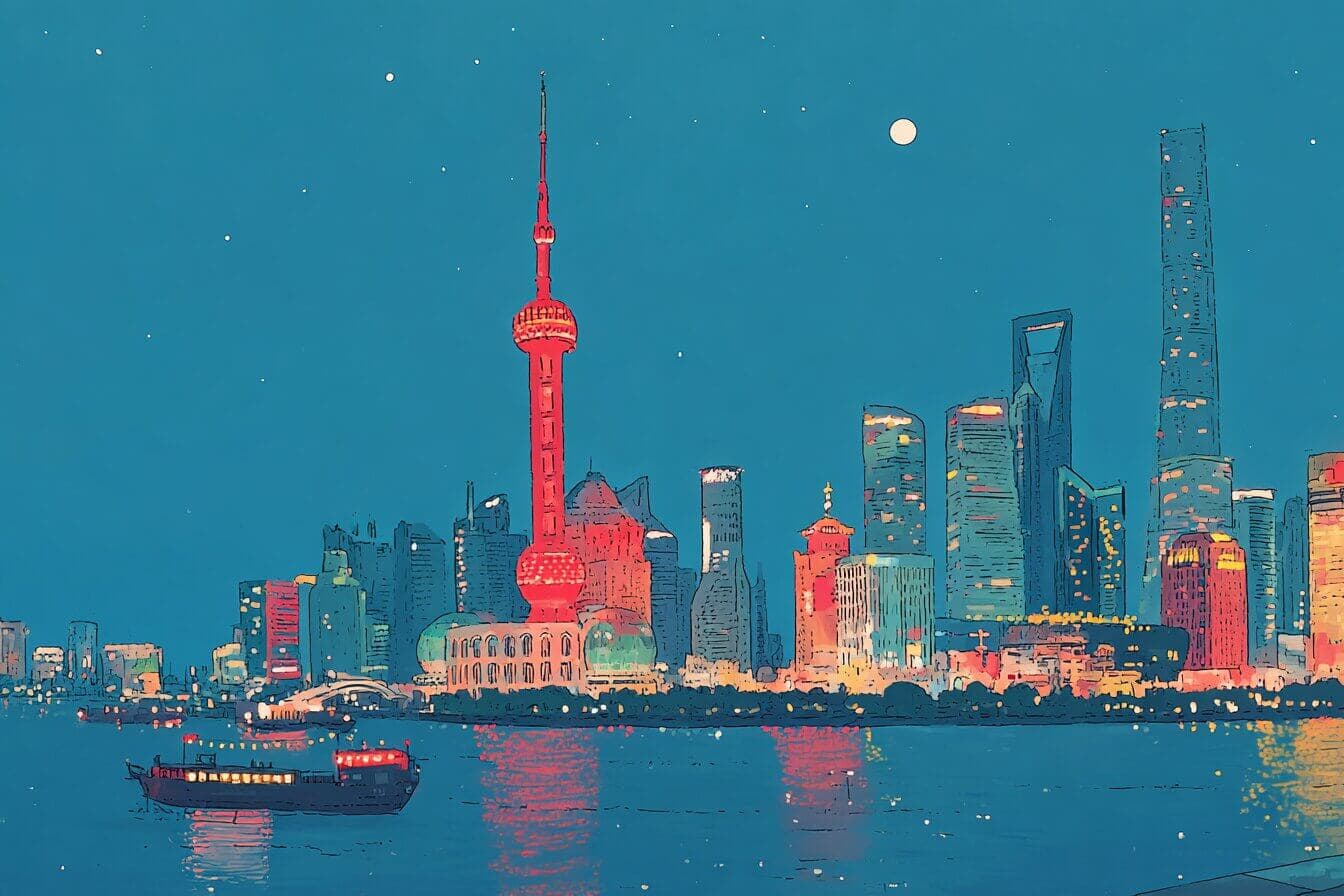
Looking for short shanghai bedtime stories that feel calm and magical for kids? Read a gentle shanghai bedtime story and learn how to make your own cozy version in Sleepytale.

Sf Bedtime Stories
A foggy bridge becomes a quiet portal where a child rescues drifting dreams. Read short sf bedtime stories that glow with wonder and end in calm.
Seoul Bedtime Stories
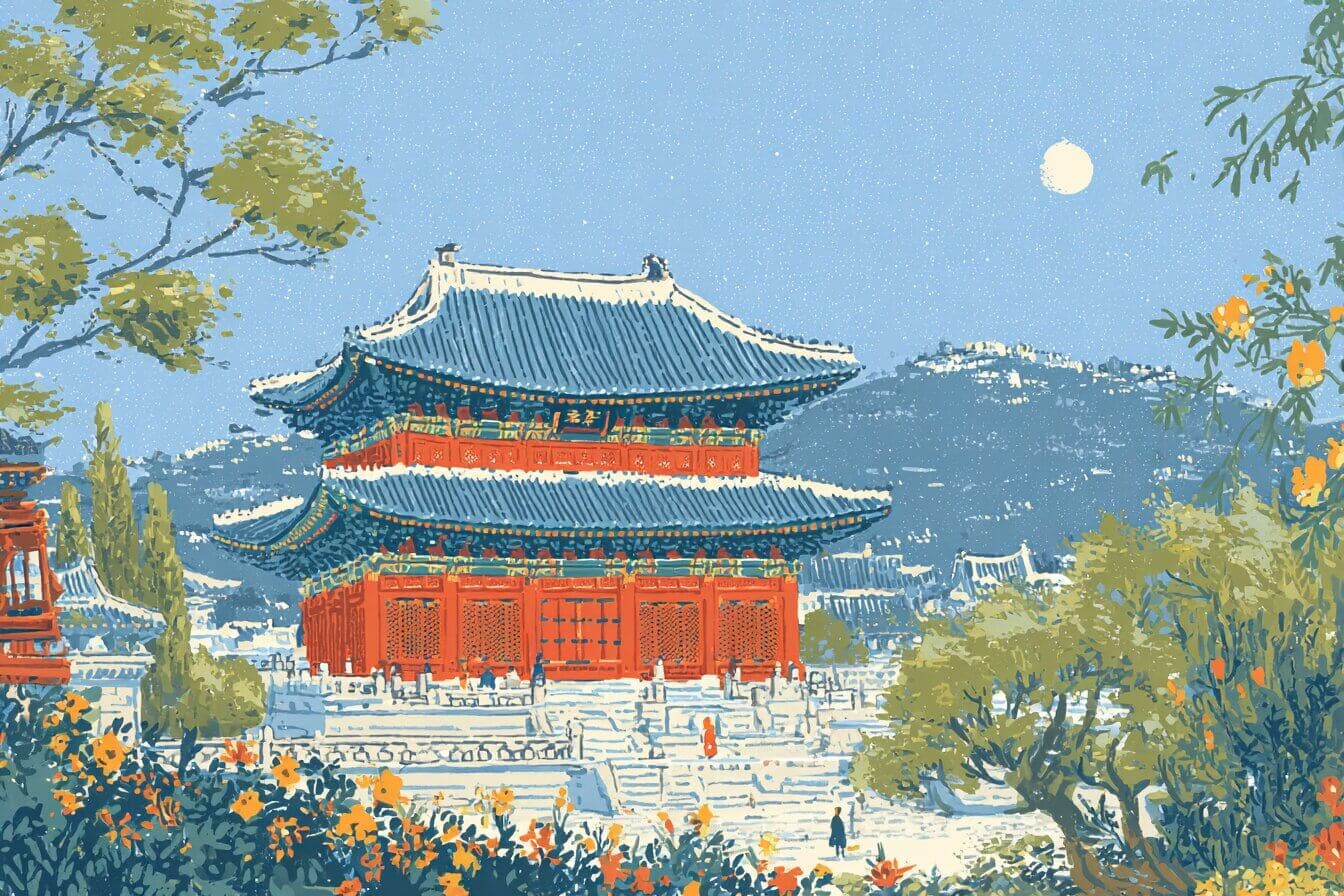
Soothe bedtime with short seoul bedtime stories that blend gentle city sights, kind choices, and cozy calm for kids. Read a quiet Seoul adventure that settles little minds fast.