
Sleepytale vs Toniebox: Which Is Better for Kids' Bedtime Stories?
By

Dennis Wang, Bedtime Story Expert
| Feature |  Sleepytale Sleepytale |  Toniebox Toniebox | Why it matters at bedtime |
|---|---|---|---|
| What It Is | No hardware needed: Cleo the Cloud, an AI friend for kids who makes stories, lullabies, musicals, lessons, and rhymes, and chats, any time of day, on the phone you already own | A soft, screen-free audio player with 1,500+ collectible figurines that play stories, songs, and games when placed on top | Toniebox is a physical device with collectible content; Sleepytale is an AI friend who makes something new whenever your child asks |
| 💡 Toniebox is a physical device with collectible content; Sleepytale is an AI friend who makes something new whenever your child asks | |||
| How Stories Work | Your child tells Cleo what they are into, and she makes a brand new story around them in seconds | Each Tonie figurine holds a fixed story or collection; place it on the box and it plays | Toniebox plays the same story every time; Cleo makes a different one every time, or sings instead if that is the mood |
| 💡 Toniebox plays the same story every time; Cleo makes a different one every time, or sings instead if that is the mood | |||
| Content | Endless original stories, plus lullabies, musicals, little lessons, and rhymes over ambient soundscapes | 1,500+ Tonie figurines with licensed content from Disney, Marvel, Hasbro, and more, plus 4,700+ digital titles | Toniebox has massive licensed catalog with beloved characters; Cleo makes new stories, songs, and lessons starring your child |
| 💡 Toniebox has massive licensed catalog with beloved characters; Cleo makes new stories, songs, and lessons starring your child | |||
| Interactive Companion | Cleo knows your child by name, remembers past conversations, and shapes what she makes around that ongoing friendship, morning or night | No interactive companion; Creative Tonies let parents and grandparents record custom messages and stories | Creative Tonies add a personal touch through recorded voices; Cleo adds personalization through AI-powered conversation |
| 💡 Creative Tonies add a personal touch through recorded voices; Cleo adds personalization through AI-powered conversation | |||
| Narration | 21 AI voices engineered for gradual wind-down, with ambient sound layered behind every story | Professional voice actors and licensed character voices on each Tonie; no ambient soundscapes | Toniebox narration is polished and character-specific; Sleepytale narration is designed for the biology of falling asleep |
| 💡 Toniebox narration is polished and character-specific; Sleepytale narration is designed for the biology of falling asleep | |||
| Physical Play | No physical component; entirely audio through a phone or speaker | Tactile figurines kids collect, display, and play with as toys beyond just audio | Toniebox doubles as a collectible toy system; Sleepytale is a friend your child listens to and talks with, any time of day |
| 💡 Toniebox doubles as a collectible toy system; Sleepytale is a friend your child listens to and talks with, any time of day | |||
| Upfront Cost | Free to try on your existing phone; no device purchase required | Toniebox starter bundle around $99 plus $14-18 per Tonie figurine | Toniebox requires real hardware investment; Sleepytale runs on the phone you already have |
| 💡 Toniebox requires real hardware investment; Sleepytale runs on the phone you already have | |||
| Ongoing Cost | Monthly subscription for unlimited stories, lullabies, musicals, every narrator, and Cleo | No subscription; buy individual Tonies as you want them, typically $14-18 each | Toniebox has no recurring fee but each new story costs money; Sleepytale has a subscription and Cleo keeps making new things |
| 💡 Toniebox has no recurring fee but each new story costs money; Sleepytale has a subscription and Cleo keeps making new things | |||
| Languages | Cleo tells and sings in 17+ languages, and switches the moment your child asks | Content available in English, German, French, and several European languages depending on region | Sleepytale covers more languages and can switch on demand; Toniebox content varies by market |
| 💡 Sleepytale covers more languages and can switch on demand; Toniebox content varies by market | |||
| Offline Access | Internet needed for Cleo to make something new; saved stories and songs replay offline | Fully offline after initial Tonie download; works without Wi-Fi anywhere | Toniebox wins decisively for offline use, travel, and places without internet |
| 💡 Toniebox wins decisively for offline use, travel, and places without internet | |||
| Age Range | Ages 2 to 10, with Cleo adjusting depth and vocabulary to the child she is talking to | Ages 1 to 9+, with figurines sorted by age and content type | Toniebox starts younger at age 1; Cleo adapts to the specific child's developmental level |
| 💡 Toniebox starts younger at age 1; Cleo adapts to the specific child's developmental level | |||
Toniebox is one of the most popular children's products of the last decade. Over 11 million Tonieboxes have been activated worldwide and more than 156 million Tonie figurines sold. The concept is simple and brilliant: a soft, screen-free speaker that plays audio when a child places a collectible figurine on top. Disney princesses, Marvel heroes, Peppa Pig, Pokémon, and hundreds more. Kids love the tactile ritual of choosing a Tonie, placing it on the box, and hearing a story begin. Parents love that there is no screen involved. It is a genuinely great product. But the Toniebox and Sleepytale go about it in fundamentally different ways. Toniebox plays a fixed story from a physical figurine your family purchased. Sleepytale gives your child an AI friend, Cleo the Cloud, who turns whatever they love into a story, a lullaby, a musical, a little lesson, or a rhyme, right then. One is a set of things you buy. The other is a friend who keeps making new ones. Here is how they compare, at bedtime and in the rest of the day too.
Physical Toy vs a Friend on Your Phone
This is the most fundamental difference, and it shapes everything else. Toniebox is a piece of hardware you buy, unbox, and set up in your child's room. It is a cube wrapped in soft fabric with no screen, no buttons beyond two squeezable ears for volume, and a magnetic top where figurines attach. Your child picks a Tonie, places it on the box, and the story starts. The interaction is physical, tactile, and deeply satisfying for young children who want to do things themselves.
Sleepytale is an app, and inside it is a friend. It runs on the phone you already own. There is no hardware to buy, no figurines to collect, no shelf to organize. Your child tells Cleo the Cloud what they are into this week, or you set the details yourself, and she makes it: a story where your child is the hero, a soft lullaby, a whole musical, a little lesson about why volcanoes do that, a rhyme, or just a chat. It is narrated through 21 voices with ambient soundscapes underneath, in any of 17+ languages, with the screen on or turned all the way off. The interaction is a conversation, not a placement, and it happens whenever your child wants company: the school run, the waiting room, the rainy Saturday, the last ten minutes of the night.
For children under 3 who benefit from the tactile, Montessori-style independence of choosing a figurine and placing it themselves, Toniebox has a real developmental advantage. For children who want the story, or the song, to be about them, about their world, about the thing they care about this specific week, having a friend who makes it on the spot is something a figurine cannot offer.
Fixed Stories vs Something New Every Time
Every Tonie figurine holds a specific piece of content. The Frozen Elsa Tonie plays the Frozen story. The Lion King Tonie plays The Lion King. The content is professionally produced, licensed from major studios, and the same every time. That consistency is a feature, not a bug. Young children often want to hear the same story over and over. Repetition is comforting and developmentally appropriate.
But repetition has a ceiling. After the 30th listen, even the most beloved Tonie loses some of its magic. Parents then face a choice: buy another $15 figurine or hope their child is happy with something in the existing collection. The Toniebox content model is buy as you go, and over time the cost adds up.
Cleo makes something new every time. Your child is never hearing the same narrative twice unless they choose to replay a saved favorite, and if they are tired of stories altogether she will sing a lullaby or put on a musical instead. Nothing is waiting on a shelf, because nothing exists until your child asks for it. The tradeoff is that what Cleo makes does not carry the production polish or brand recognition of a Disney Tonie. Your child will not hear Elsa's voice. But they will hear their own name.
Creative Tonies vs Cleo the Cloud
Toniebox has a genuinely unique feature: Creative Tonies. These are blank figurines that parents, grandparents, or anyone can load with custom audio. Record a bedtime story in grandma's voice from across the country and your child can play it by placing the figurine on the box. It is personal in a way that is hard to replicate digitally, and many families treasure their Creative Tonies more than any licensed character.
Sleepytale's version of personalization is Cleo. Instead of a recording from a family member, your child gets an AI friend who talks with them, learns their interests, remembers details from last week, and weaves all of it into the stories she tells, the lullabies she sings, and the little lessons she gives. Cleo is interactive where Creative Tonies are static. Creative Tonies carry real human warmth where Cleo carries real-time responsiveness. They solve different versions of the same problem: making what your child hears feel like it belongs to them, at whatever hour they reach for it.
The Cost Question
Toniebox requires upfront hardware investment. A starter bundle with the box and a few figurines runs around $99. After that, each new Tonie costs $14 to $18. There is no subscription fee, which many parents appreciate. You buy what you want, and you own it. A family with 15 to 20 Tonies has spent roughly $300 to $400 total but has years of content with no recurring charges.
Sleepytale costs nothing upfront. The app runs on your phone. A free tier lets you meet Cleo before paying anything. The premium plan charges a monthly subscription for as much as she can make, stories, lullabies, musicals, lessons, and rhymes, plus every narrator voice and unlimited time with Cleo herself. Over a year, the total spend is less than a Toniebox starter bundle. Over three years, the comparison depends on how many Tonies a family would have purchased.
Neither model is objectively better. Families who prefer owning physical products with no recurring fees will lean toward Toniebox. Families who prefer low upfront cost and unlimited digital content will lean toward Sleepytale.
Offline and Portability
Toniebox is exceptional here. Once a Tonie's content has been downloaded (which requires Wi-Fi the first time), it works completely offline forever. The box is portable, battery-powered, and durable enough for a toddler. It works in the car, on a plane, at grandma's house, in a tent. For families who do bedtime in unpredictable places, this is a major advantage.
Cleo needs internet to make something new. Saved stories and songs replay offline, but the making of them requires a connection. For bedtime at home this is invisible. For travel, you would want to save a few favorites before leaving.
The Figurine Factor
This deserves its own section because it is a bigger deal than most app-vs-hardware comparisons acknowledge. Kids do not just listen to Tonies. They play with them. They line them up on a shelf. They bring them in the car. They sleep with them. The figurines become part of the child's world in a way that no app icon ever will.
That physical, collectible dimension is something Sleepytale cannot replicate. Sleepytale offers a friend who makes things (stories, lullabies, musicals, little lessons, rhymes, and real back and forth conversation), but it does not give your child an object to hold. For some kids, holding the Elsa Tonie while the Elsa story plays is the bedtime ritual. For others, telling Cleo about their day and hearing a story about it is the ritual. These are different kinds of connection, and both are valid.
The Bottom Line: Is Sleepytale or Toniebox Better for Kids?
Toniebox is a brilliant product. The hardware is kid-proof, the figurines are collectible and beloved, the licensed content is excellent, and the no-subscription model appeals to many families. It has earned its place in millions of homes and it deserves the reputation it has. For children who love choosing a physical object, placing it on a device, and hearing the same comforting story, Toniebox delivers a ritual that feels magical every time.
But the Toniebox tells the same story to every child. Cleo makes something only your child will ever hear, built around their name, their interests, the thing they could not stop talking about in the car. Ambient soundscapes wrap around the narration. A lullaby follows if they want one. And Cleo remembers all of it tomorrow. Toniebox gives your child a toy they love. Sleepytale gives your child a friend who makes things for them.
Verdict: If you want a screen-free physical audio device with collectible figurines, licensed characters, and no subscription, Toniebox is a wonderful product. If you want an AI friend for kids who makes your child a new story, lullaby, musical, little lesson, or rhyme whenever they ask, and who will simply chat when that is what they want, in 17+ languages, on the long car ride as readily as at lights out, and who remembers them from one day to the next, Sleepytale does something the Toniebox was never designed to do.
How to Decide
If your child is under 3 and you value tactile independence, start with a Toniebox. The physical interaction is developmentally appropriate for that age and the figurines become treasured companions. If your child is 3 or older and craves stories about themselves, add Sleepytale. Many families own a Toniebox for daytime play and keep Cleo for the car ride, the rainy afternoon, and the wind-down at night. If you are choosing just one and bedtime is your primary concern, try Sleepytale's free tier first since it costs nothing. If your child wants something to hold and collect, the Toniebox is the better investment.
Frequently Asked Questions
Is Toniebox or Sleepytale better for bedtime?
Both are screen-free and audio-based, which makes them strong bedtime tools. The Toniebox gives your child a tactile, independent experience: they pick a figurine, place it on the box, and the story plays. Sleepytale puts a friend in the room instead: Cleo knows your child's name, makes them a story or a lullaby of their own, and wraps it in ambient sound paced for falling asleep. She is not only there at night, either, since the same friend makes musicals, rhymes, and little lessons on a rainy afternoon. If your child loves the ritual of choosing a physical figurine, Toniebox wins on that experience. If your child wants a friend who makes something new just for them, Sleepytale is designed for that.
Can I use Toniebox and Sleepytale together?
This is actually a natural pairing. Many families use the Toniebox during the day for music, stories, and Tonieplay games. At bedtime, the Tonie goes back on the shelf and Cleo takes over with a story or a lullaby made for your child, and she is happy to make a rhyme or a lesson earlier in the day too. Since Toniebox has no subscription fee and Sleepytale has a free tier, testing both costs nothing beyond the hardware you may already own.
Does Toniebox have personalized stories like Sleepytale?
Not through AI. Toniebox offers Creative Tonies, which let parents and grandparents record their own audio and assign it to a figurine. That is genuinely personal and a unique feature Sleepytale does not have. But the stories themselves are not generated around your child's name, interests, or preferences. Every child who owns the Frozen Elsa Tonie hears the same Frozen story. Cleo makes something new around your specific child whenever they ask, a story one day, a lullaby or a silly rhyme the next.
Is Toniebox worth the upfront cost compared to Sleepytale?
The Toniebox starter bundle runs about $99, and each figurine costs $14-18 on top of that. Over time, a collection of 20 Tonies could cost $300-400 total with no recurring fees. Sleepytale costs nothing upfront and charges a monthly subscription for unlimited stories, songs, and lessons from Cleo. The right choice depends on whether your family prefers paying once for physical collectibles or paying monthly for a friend who keeps making new things. Many families find value in both.
A Story No Figurine Can Tell
Sleepytale needs no box, no figurines, and no shelf space. Just your phone, your child's imagination, and 60 seconds with Cleo, the AI friend who makes things. A story about them, a lullaby to follow, a musical on Saturday morning, a rhyme in the back seat, a little lesson when they ask why the moon does that, or a chat when they only want someone to talk to. In 17+ languages, screen on or all the way off, at any hour you like. No hardware to buy. No collection to build. Just a friend who makes something new every time. Try it free.
Looking for more sleepytale vs competitors?
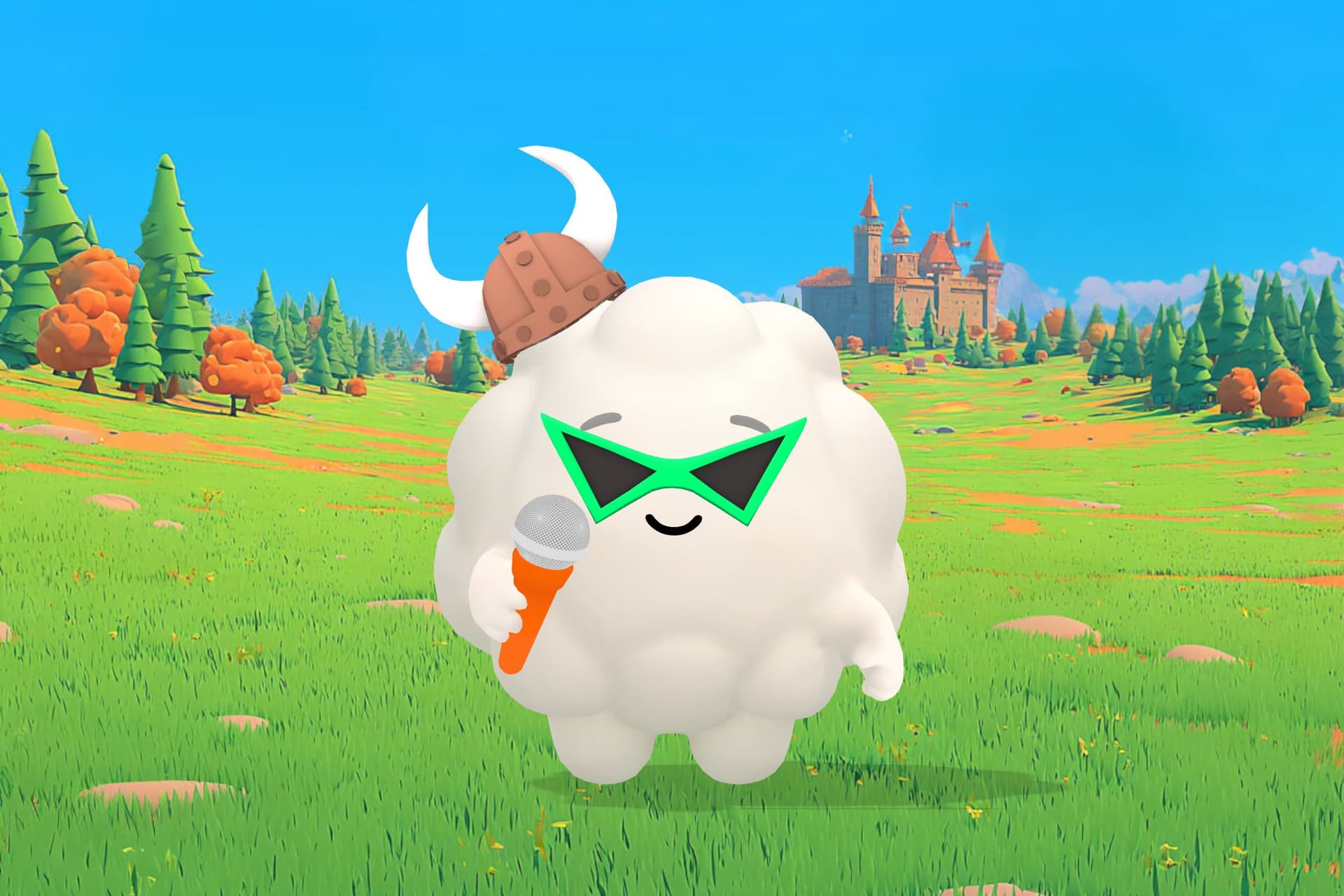
Best Podcasts to Fall Asleep To in 2026
The best podcasts to fall asleep to, compared, and why Cleo is different: an AI friend for kids who makes a bedtime story for your child alone.

Best AI Story Generators for Kids in 2026
Which story generator for kids is worth it? ChatGPT, Gemini and Copilot compared, plus Cleo, an AI friend who tells your child their own story.
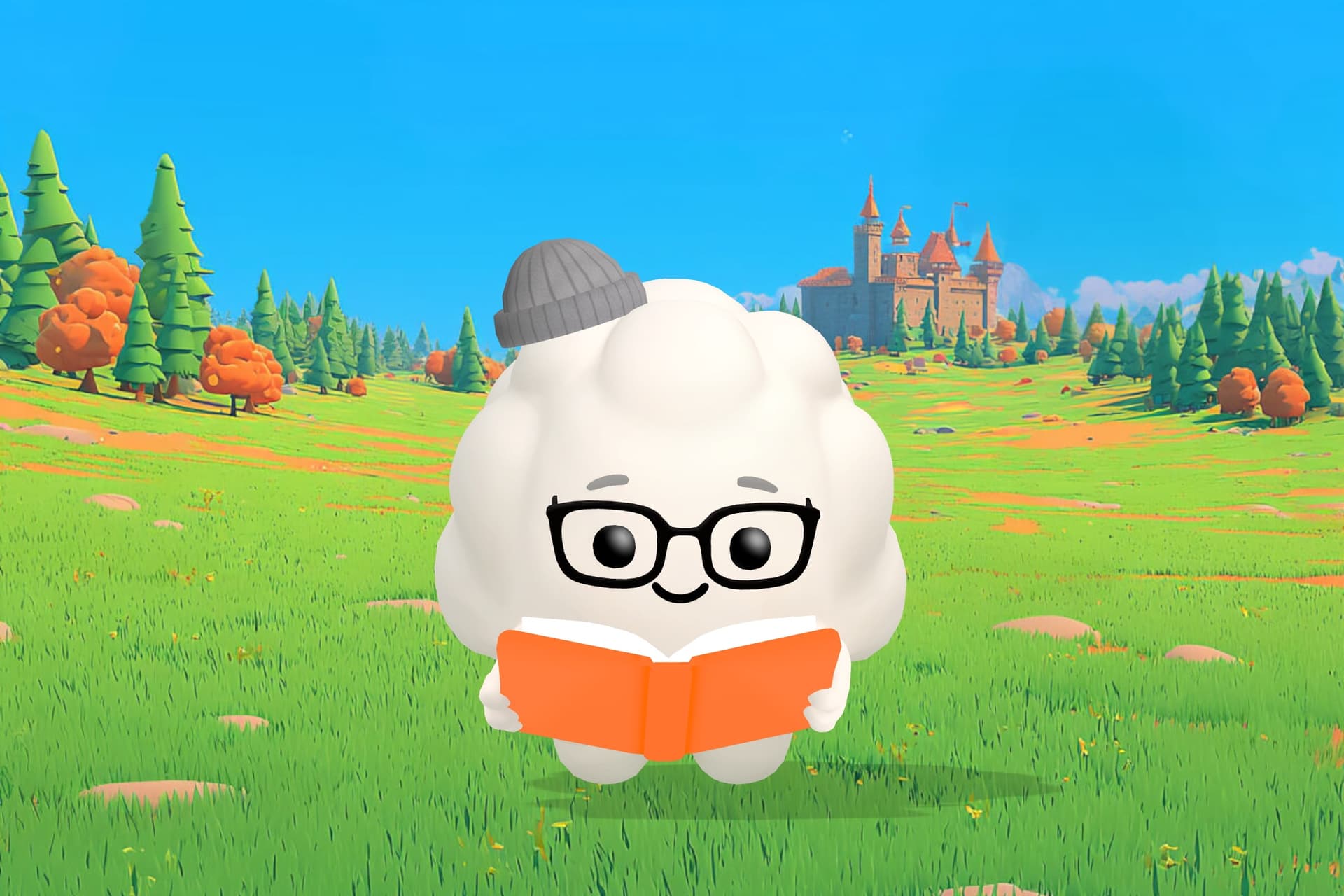
Best AI Image to Story Generators in 2026
Every AI image to story generator writes text back. Cleo, an AI friend for kids, turns the picture your child describes into a story read aloud.

Montessori Practical Life Toys Toddlers Love
Pouring, spooning and sweeping in toddler size: practical life toys from Lovevery, PlanToys, Melissa & Doug and Hape, plus lessons from AI friend Cleo.
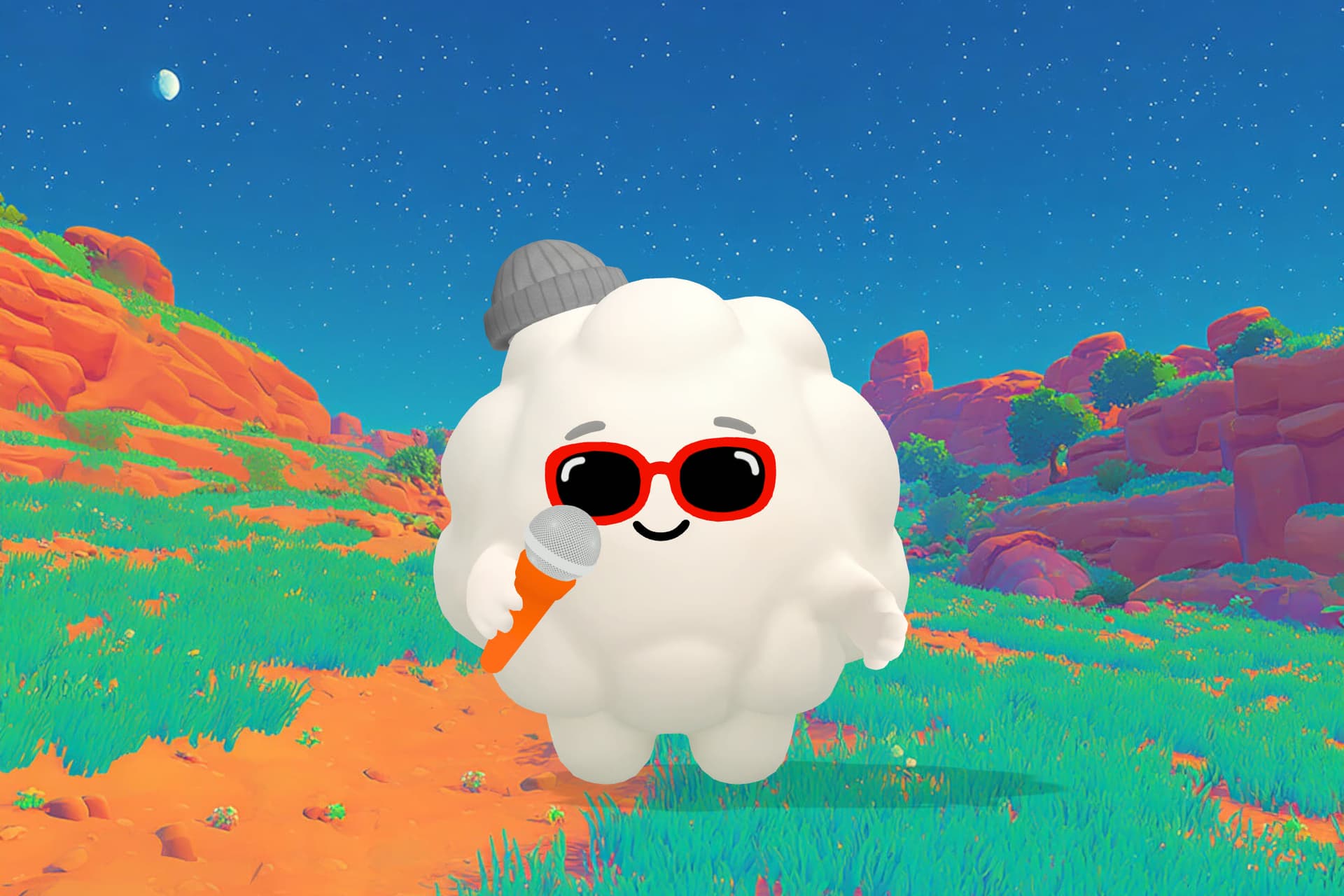
Best Montessori Toys for 1 to 5 Year Olds: A 2026 Guide
One shelf, four years: Montessori toys that carry a child from 1 to 5, from Lovevery kits to Hape wooden sets, with little lessons from AI friend Cleo.
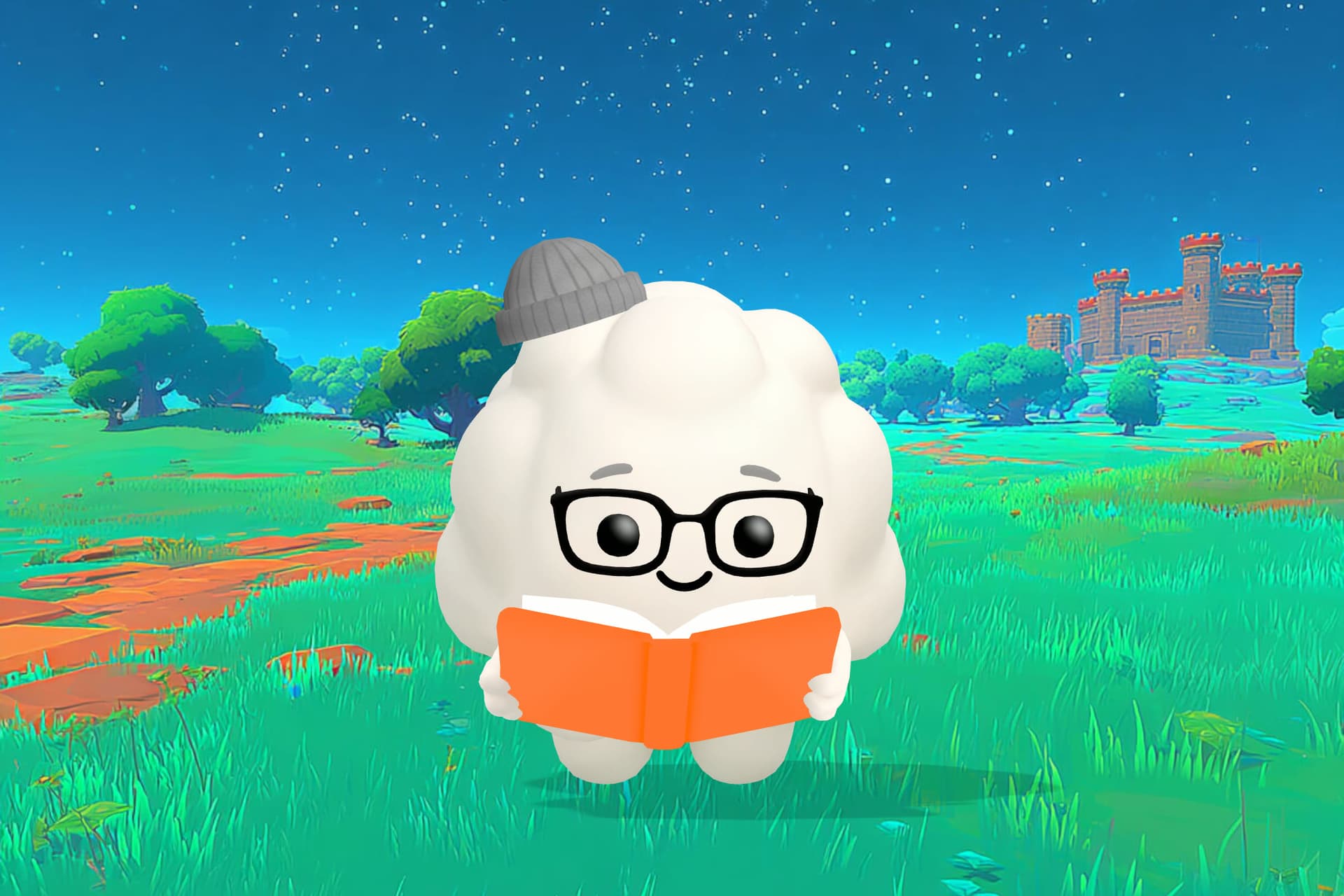
Best Montessori Baby Toys: A Parent's Guide
Wooden, quiet and matched to the stage, Montessori baby toys from Lovevery, PlanToys, Manhattan Toy and Hape, with lullabies from Cleo, an AI friend.