

Quick answer
Rhyming games are some of the best early learning tools there are, and they hide inside pure fun. When a child giggles at cat, hat, and splat, they are quietly tuning their ear to the sounds words are made of, which is a real head start for reading. This guide compares the main kinds of rhyming games for kids and preschoolers, from spoken games to cards and screens, and shows where Sleepytale fits, since Cleo, the AI friend for kids at the heart of it, will trade rhymes with your child whenever they ask, morning or midafternoon, and turn those same sounds into a story, a musical, a little lesson, or a lullaby once the games wind down.
Rhyming Games at a Glance
| Game type | Spoken games | Picture and card games | Online games | Sleepytale |
|---|---|---|---|---|
| What it is | Finish the rhyme, I spy, and more | Matching rhyming pairs | Apps and websites | AI friend who makes rhymes, stories, and songs |
| Best for | Anywhere, anytime play | Hands on matching | An occasional extra | Rhyming any time, bedtime included |
| Setup | None, just your voices | A few cards | A device | None, just listen |
| Screen | None | None | Yes | Screen on or fully off |
| Builds | Listening, sound play | Matching, recognition | Varies by app | Rhyme, language, calm |
| When to use | Car, table, bedtime | Table time | Short bursts | Car, quiet time, bedtime |
Play Hard, Wind Down Soft
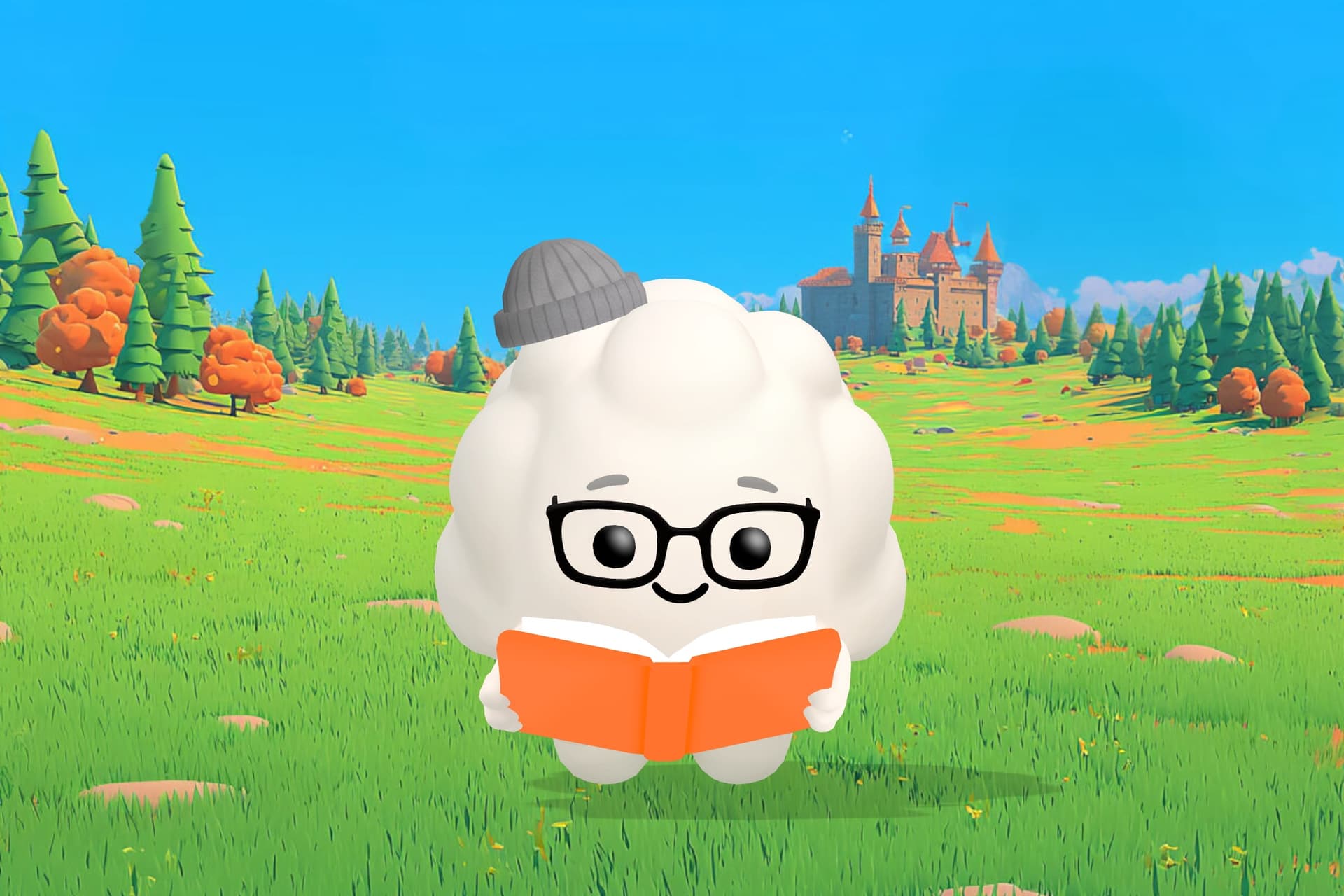
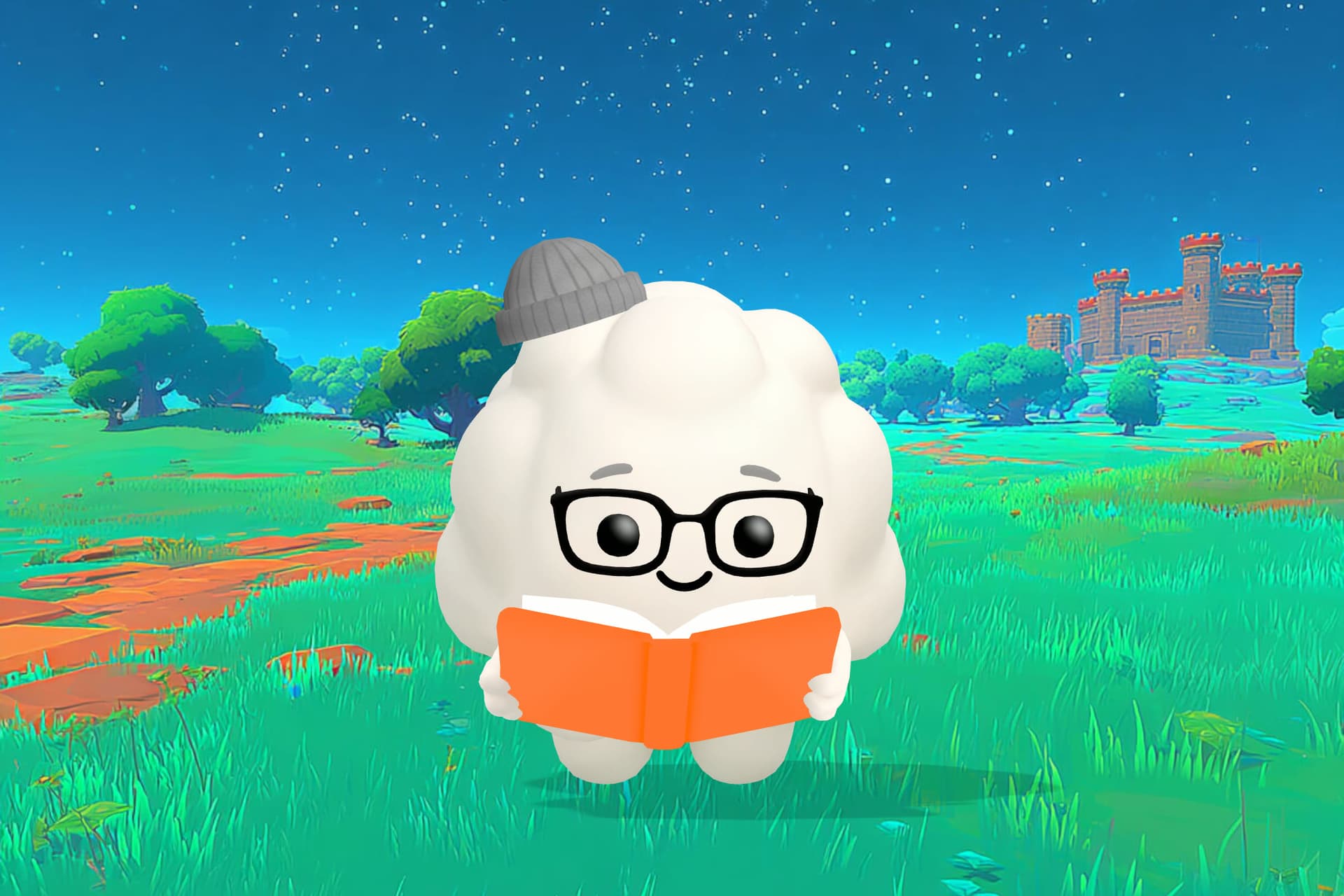
Behind the silliness, rhyming does serious work. Playing with rhyme builds phonological awareness, a child's ability to hear and play with the sounds inside words, which is an early version of the skill they later use to sound out words on a page. Most rhyming games are lively and active, exactly right for the awake hours. But rhyme has a second life at the end of the day, where its gentle, predictable beat helps a child settle. That is where Sleepytale comes in, though it is not only a night time thing. Cleo the Cloud is an AI friend your child talks to whenever they want company, and she turns whatever they are into that day into a silly rhyme, a personalized story, a musical, a little lesson, or a calming lullaby for children, in 17+ languages, screen on or fully off. Ask her for a bouncy rhyme in the back seat and a soft one at lights out, so the same love of sound that powered the games can also ease your little one toward sleep.
Spoken Rhyming Games
These need nothing but your voices, which is why they travel so well. A few favorites:
- Finish the rhyme. Say a short line and let your child fill in the rhyming word. "The fat cat sat on a ..." invites mat, hat, or a giggle worthy splat.
- Rhyme or no rhyme. Say two words and have your child shout rhyme or no rhyme. Sun and fun earns a cheer, while sun and dog gets a happy no.
- Rhyming I spy. Play I spy, but instead of a color, give a rhyme. "I spy something that rhymes with bear" sends your child hunting for a chair.
- The silly rhyme basket. Gather a few small objects, then take turns inventing a rhyme for each. Nonsense words are very welcome.
- Clap and rhyme. Sing a simple rhyming song and clap on the rhyming words, adding movement to lock the sounds in.
Spoken games are the liveliest, busiest form of rhyme. When you need a break from being the games master, Cleo will happily take a turn, batting rhymes back and forth with your child at any hour and slowing them right down at bedtime.
Picture and Card Games
For children who like something to hold, matching pairs of picture cards that rhyme adds a hands on layer to the same sound play. You can buy simple rhyming card sets or make your own with drawings. They work beautifully at the table during quiet daytime play, and they pair naturally with a rhyme, a song, or a whole small musical from Cleo whenever your child asks for one.
Online Rhyming Games
There are plenty of online rhyming games, and they can be a fun extra now and then. Just keep in mind that the richest rhyming practice is spoken, social, and back and forth, which is something a screen cannot fully give. A real conversation lets you follow your child's pace, celebrate their invented words, and pile on the giggles. If you do reach for an online game, keep it short and balance it with lots of out loud rhyming. If you want sound play with no screen at all, Cleo can run voice only, so a rhyme in the car or at lights out never means another bright display.
Rhyming Games for Preschoolers
Preschoolers are right in the sweet spot for rhyme, so keep things short, spoken, and silly. Finish the rhyme and rhyming I spy work beautifully at this age. You can also try matching rhyming picture cards or making up a goofy rhyming name for a stuffed animal. The key is to keep it out loud and playful, since preschoolers learn rhyme through their ears, not through reading or spelling. A few minutes here and there does more than one long, formal session.
How to Keep Rhyming Games Fun
A few small habits keep the games working and the giggles coming:
- Keep it short. A few minutes scattered through the day beats one long session.
- Stay silly. Nonsense words and surprising rhymes are the whole point, so lean into them.
- Play anywhere. The car, the bath, and the dinner table are all perfect spots.
- Follow your child. Celebrate their invented words and let them set the pace.
- End on a calm note. Ask Cleo for a gentle rhyme or story to close a day full of loud ones.
The Bottom Line
Each type of game earns its place. Spoken games are free, portable, and the richest for building the ear. Card games add a hands on twist. Online games can be a light extra when you want one. Together they make rhyme a daily, playful habit.
Verdict: Lean on spoken games for everyday rhyming fun and add cards or a quick online game for variety. Then bring in Cleo whenever your child wants a rhyming partner of their own, whether that is a giggly round in the car or a gentle rhyme, story, or lullaby that helps them drift off at night.
Frequently Asked Questions
What are good rhyming games for kids?
Great rhyming games include rhyme or no rhyme guessing, finish the rhyme, an I spy something that rhymes hunt, a silly rhyme basket of objects, and rhyming songs with actions. The best ones need no equipment and can be played in the car, at the table, or at bedtime.
Why are rhyming games important for kids?
Rhyming games build phonological awareness, which is a child's ear for the sounds inside words. That skill is a strong foundation for learning to read, since hearing that cat and hat share an ending helps children later connect sounds to letters. They also build vocabulary and listening skills, all through play.
What rhyming games are best for preschoolers?
Preschoolers love finish the rhyme, rhyming I spy, clapping rhyme songs, and matching pairs of pictures that rhyme. Keep games short, silly, and spoken rather than written, since at this age the goal is to play with sounds out loud rather than to read or spell.
Are online rhyming games good for kids?
Online rhyming games can be a fun extra, but they are not necessary. The richest rhyming practice is spoken, back and forth, and social, which a screen cannot fully replace. If you use online games, keep them short and balance them with plenty of out loud rhyming together.
At what age can kids start rhyming games?
You can start exposing children to rhyme from babyhood through nursery rhymes and songs. Most children begin to recognize and enjoy rhymes around age 3, and can produce their own rhymes closer to age 4 to 5. Follow your child's interest and keep it playful.
A Rhyming Friend for Any Hour
Sleepytale is an AI friend for kids named Cleo the Cloud, who takes whatever your child is into and makes it into a rhyme, a story, a lullaby, a musical, a little lesson, or a real back and forth chat, in a warm voice and 17+ languages, screen on or fully off. Trade rhymes in the car, play the games all afternoon, then ask Cleo for a soft one when it is time to settle. Try it free today.
Looking for more sleepytale vs competitors?

Best Podcasts to Fall Asleep To in 2026
The best podcasts to fall asleep to, compared, and why Cleo is different: an AI friend for kids who makes a bedtime story for your child alone.

Best AI Story Generators for Kids in 2026
Which story generator for kids is worth it? ChatGPT, Gemini and Copilot compared, plus Cleo, an AI friend who tells your child their own story.
Best AI Image to Story Generators in 2026
Every AI image to story generator writes text back. Cleo, an AI friend for kids, turns the picture your child describes into a story read aloud.

Montessori Practical Life Toys Toddlers Love
Pouring, spooning and sweeping in toddler size: practical life toys from Lovevery, PlanToys, Melissa & Doug and Hape, plus lessons from AI friend Cleo.

Best Montessori Toys for 1 to 5 Year Olds: A 2026 Guide
One shelf, four years: Montessori toys that carry a child from 1 to 5, from Lovevery kits to Hape wooden sets, with little lessons from AI friend Cleo.
Best Montessori Baby Toys: A Parent's Guide
Wooden, quiet and matched to the stage, Montessori baby toys from Lovevery, PlanToys, Manhattan Toy and Hape, with lullabies from Cleo, an AI friend.