
Story To Tell A Girl To Make Her Happy
By

Dennis Wang, Bedtime Story Expert
8 min 2 sec
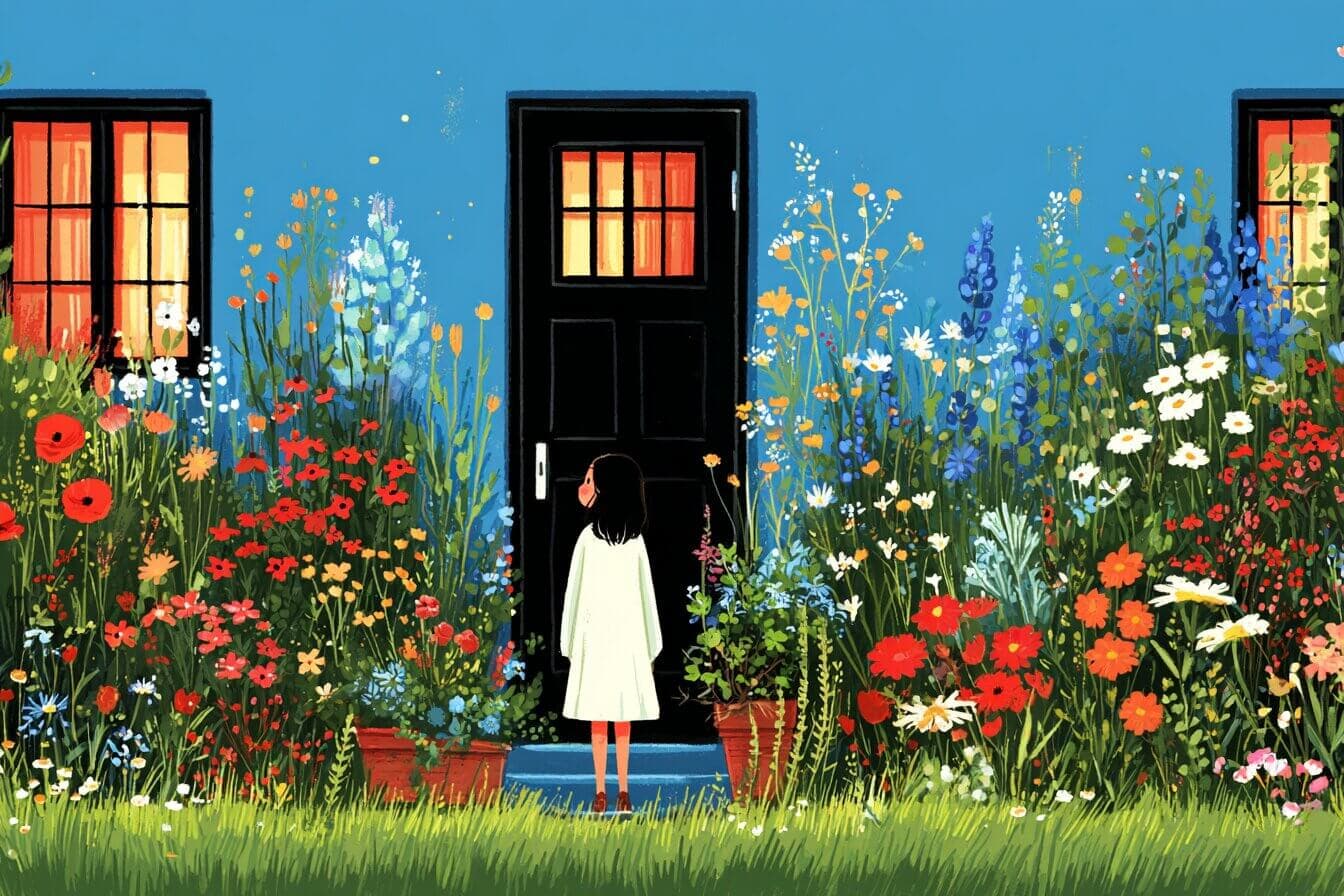
There is something about a story that ends in laughter and warm light that makes a child's whole body relax against the pillow. This tale follows Lily, an eight year old who discovers that her giggling can coax a shy little garden into wild, glowing life, and who learns that joy only multiplies when you give it away. It is the kind of story to tell a girl to make her happy right before sleep, when everything outside is quiet and the world feels small and safe. You can also create your own version, with different characters and settings, using Sleepytale.
Why Happy Stories Work So Well at Bedtime
Kids carry a lot of feelings by the time the lights go down. A story built around laughter and growing things gives all that emotional energy somewhere warm to land. When the central idea is joy itself, children don't have to navigate fear or suspense before they drift off. Instead, they close their eyes picturing bright flowers and friendly neighbors, which is about as gentle a send off as bedtime can offer.
A bedtime story about making someone happy also reinforces something children already sense but can't always name: that their own delight matters, and that sharing it with others is one of the simplest good things a person can do. Lily's garden becomes proof of that idea, turned into petals and moonlight, and it gives a child one last comforting image to hold as sleep arrives.
Lily and the Laughing Garden 8 min 2 sec
8 min 2 sec
Lily Green was eight years old and lived in a small yellow house at the end of Maple Lane.
She loved climbing trees, chasing fireflies, and, more than anything in the world, she loved to laugh.
Her laugh had a bell quality to it.
Dogs wagged their tails when they heard it. Old Mr. Patel next door would take off his hat and grin, even if he had been frowning at the crossword for an hour.
One warm June morning Lily ran outside barefoot to check the tiny garden her grandmother had helped her plant. The tomatoes barely reached her knees. The sunflowers looked embarrassed next to the fence, like children standing on tiptoe and still not tall enough for the ride.
She knelt and pushed her fingers into the dark soil. It was cool and slightly gritty under her nails.
"Grow big and strong," she told the seedlings, and then she giggled at herself for talking to vegetables.
The tomato leaves quivered.
Not from the wind. There was no wind.
She laughed again, louder, and every single plant stretched half an inch taller, right there in front of her eyes. The tallest tomato now reached her thigh. Lily blinked, rubbed her eyes, crouched closer. She tried a small, polite chuckle. Nothing. She tried a real, belly deep laugh, the kind that made her shoulders shake, and every flower, herb, and vine shot up another half inch with a faint creak, like a door in a very old house.
Her heart hammered.
She raced inside, grabbed her mother's wrist in the kitchen, and pulled her out to the yard without explaining anything. Then she laughed hard, and the garden responded. Colors brightened. Stems thickened. Petals peeled open wider. Her mother's mouth dropped open, and then her mother laughed too, and the two of them stood there in bare feet on the warm grass, making the garden dance upward like it was stretching after a long nap.
Word spread the way it does on small streets, quickly and a little crookedly.
Mrs. Patel brought her famous lemonade. The twins from across the road brought kazoos. Mr. Green dragged out the speakers and played the silliest songs he could find on his phone.
Every afternoon the yard filled with giggles, chuckles, snorts, and guffaws. Each laugh pushed the plants higher. By the first week of July the sunflowers towered above the roof. Their golden faces followed the sun all day long, patient and loyal. Morning glories wove themselves into living curtains across the porch. Tomato vines curled around the swing set, and the fruit hanging from them glowed red like rubies somebody had left out in a rainstorm.
Mint, basil, and roses sent their scent drifting halfway down the block, and the butterflies came first, then the bees, then the hummingbirds who hovered like tiny helicopters that couldn't decide where to land.
Lily noticed something else.
When she laughed from pure, uncomplicated joy, the plants glowed faintly from inside, as if someone had tucked a candle behind each leaf. When she laughed because someone told a good joke, the leaves sparked silver. When she laughed at herself for tripping over the garden hose, the flowers blushed deeper. Each kind of laughter painted the garden in a different color, and she started keeping a mental list because she liked knowing which laugh made which shade.
One evening she sat beneath the tallest sunflower, feeling the warm breeze move the hair off her forehead. A firefly landed on her hand. Its light blinked on and off, patient, like a tiny lighthouse.
"Thank you for believing in me," she whispered.
The firefly rose, and hundreds more joined it, drifting up from the grass and the hedges and the cracks in the fence. They arranged themselves in the air and spelled, letter by flickering letter, the word SHARE.
Lily sat still for a long time after the letters dissolved.
The next morning she invited everyone she could think of: her classmates, the librarian, the mail carrier, even the shy boy who delivered newspapers and never looked anyone in the eye. They arrived carrying instruments, joke books, and funny hats. One kid brought a whoopee cushion he had been saving for a special occasion.
Lily welcomed them with a laugh that set the pumpkins swelling round and the corn stalks reaching for clouds. Together the whole crowd created a messy, beautiful symphony of noise. Trumpets tooted off key. Kazoos buzzed. The whoopee cushion went off at exactly the wrong moment, which made it exactly right. The garden responded with wild abundance.
Carrots grew so big they looked like orange baseball bats. Watermelons became striped beach balls that needed two people to lift. Zinnias burst into colors that no seed catalog had ever printed, including a swirl of rainbow that made Lily's grandmother say, "Well, I have officially seen everything."
By August the garden had become a living playground. Children hid among bean teepees that touched the sky. Parents picked dinner by reaching overhead. Grandparents sat on stools carved from sturdy squash that had hardened into furniture all on their own. Every path was lined with soft lamb's ear leaves that, if you stepped on them just right, let out a tiny giggle.
Lily discovered that singing while laughing made the plants sway in rhythm, and dancing while laughing made them sway faster and sprinkle pollen like glitter. The garden had become the heart of the town, the place where worries shrank and friendships grew without anyone having to try.
One night a meteor shower streaked across the sky.
Lily tiptoed outside in her pajamas. The grass was cold and wet under her feet. She tilted her face upward and laughed, not loudly, just a soft, wondering laugh at how beautiful everything was. The flowers answered with a pulse of light that traveled from stem to stem until the entire yard glowed like a constellation that had decided to rest on the ground for a while.
She stood there and understood, in the simple way that eight year olds understand things, that the magic worked because laughter carried love, and love made everything thrive.
The next day she gathered her neighbors. She stood on a sturdy pumpkin, which wobbled just enough to be funny, and announced, "Let's make sure every kid in town has a place like this."
The adults cheered. They formed the Laughing Garden Club that same afternoon. They saved seeds from the largest tomatoes, the brightest zinnias, the sweetest strawberries. They planned community gardens at the school, the library, and the park. Lily designed a badge shaped like a smiling sunflower, and anyone who wore it promised two things: share laughter, and help something grow.
By the end of summer the town bloomed everywhere. Balconies held pots of chuckling chives. Windowsills hosted succulents that leaned toward the sound of laughter the way other plants lean toward the sun. Even the mayor kept a giggling ficus in his office and swore it made his meetings shorter.
Lily's own yard had become a jungle of wonder. Sunflowers formed a golden archway over the gate. Grapes hung like chandeliers. Apples grew in the shape of tiny hearts, and nobody could explain it, and nobody tried.
On the last day of August the town held the first annual Laugh Fest. Children performed silly plays. Dogs wore clown collars and looked only slightly offended. The bakery gave away cookies shaped like open, laughing mouths.
Lily stood at the center. She took a breath. She laughed the happiest laugh of all, the kind that starts deep in your stomach and doesn't stop until your cheeks ache.
The garden released thousands of glowing seeds into the sky.
They floated over rooftops, across the river, and into the kind of warm evening air that holds things gently. Wherever they landed, new magical gardens would begin to grow.
Lily watched them drift and felt her heart swell like a perfectly ripe melon, which made her laugh again, because comparing your own heart to a melon is a funny thing to do.
She knew that as long as people laughed with love, the world would keep blooming in impossible, unreasonable, absolutely wonderful ways.
That night Lily knelt by her garden one last time before autumn. She pressed her fingers into the soil. It was warm now, rich with memories and roots and the faint hum of everything that had happened there.
"Thank you for teaching me," she whispered.
A gentle rustle answered, leaf to leaf to petal to stem, as if the whole garden whispered back, "Thank you for believing."
Lily went inside. She brushed her teeth. She climbed into bed. Outside, the moon smiled down on the magical garden that laughter had built.
And somewhere far away, she could hear another child laughing for the very first time at something growing in the dark.
The Quiet Lessons in This Happy Bedtime Story
Underneath the glowing flowers and silly kazoo concerts, this story explores generosity, self acceptance, and the courage it takes to invite others into something you love. When Lily laughs at herself for tripping over the hose and the flowers blush deeper instead of wilting, children absorb the idea that stumbling is not something to hide, it is just another color in the garden. When the fireflies spell SHARE and Lily spends the next morning inviting the whole town, kids see that keeping a good thing to yourself makes it smaller, while giving it away makes it wild. These are reassuring ideas to carry into sleep: tomorrow you can be clumsy, you can be generous, and both of those things will make the world a little brighter.
Tips for Reading This Story
Give Lily a bright, slightly breathless voice, like a kid who just ran across the yard to tell you something amazing, and let Mr. Patel sound warm and slow when he takes off his hat and smiles. When the fireflies spell the word SHARE, pause for a few seconds and let the image hang in the air before you keep reading. At the very end, when the garden rustles back "Thank you for believing," drop your voice almost to a whisper so the room feels like it is part of the garden too.
Frequently Asked Questions
What age is this story best for?
It works well for children ages 4 through 9. Younger listeners love the sensory details, the giggling lamb's ear leaves and the glowing seeds floating into the sky, while older kids connect with Lily's decision to share her garden instead of keeping the magic to herself.
Is this story available as audio?
Yes. Press play at the top of the story to hear it read aloud. The audio version really shines during the scene where the whole neighborhood fills Lily's yard with kazoos, trumpets, and whoopee cushions, because the rhythm of that passage picks up speed in a way that is fun to listen to and hard to capture when you are reading silently.
Can laughter really help plants grow?
Scientists have studied whether sound vibrations affect plant growth, and some research suggests that certain frequencies may encourage development, though nothing as dramatic as Lily's garden. The idea that positive energy helps living things thrive is a wonderful conversation starter with kids after the story, especially if you have a windowsill herb pot they can talk to in the morning.
Create Your Own Version
Sleepytale lets you reshape this tale into something perfectly suited to the girl in your life. Swap the garden for a rooftop full of potted herbs, trade the fireflies for paper lanterns, or rename Lily after someone she knows. In a few moments you will have a cozy, personalized story you can read tonight and save for every night after.
Looking for more couples bedtime stories?

Funny Short Bedtime Stories For Girlfriend
Ben retells Shrek so loudly the neighbor's dog barks back in this short funny short bedtime stories for girlfriend favorite.

Funny Short Bedtime Stories For Boyfriend
A guitar serenade drifts to the wrong window in this short funny short bedtime stories for boyfriend tale about Mateo and a bearded neighbor.

Cute Short Bedtime Stories For Girlfriend
Discover short cute short bedtime stories for girlfriend featuring Mia waiting for Oliver's goodnight text under the stars.

Cute Short Bedtime Stories For Boyfriend
Forget grand gestures; a silver marker and a tiny heart a wrist say everything in this short cute short bedtime stories for boyfriend gem.

Bedtime Love Story For Your Girlfriend
This short bedtime love story for your girlfriend centers two blue hoodies, a pinky promise, and the gentle joy of learning to share.

Bedtime Love Story For Your Boyfriend
A short bedtime love story for your boyfriend winds through back roads, peach stands, and three quiet hand squeezes that say everything.