
Stories About Picky Eaters
By

Dennis Wang, Bedtime Story Expert
5 min 41 sec
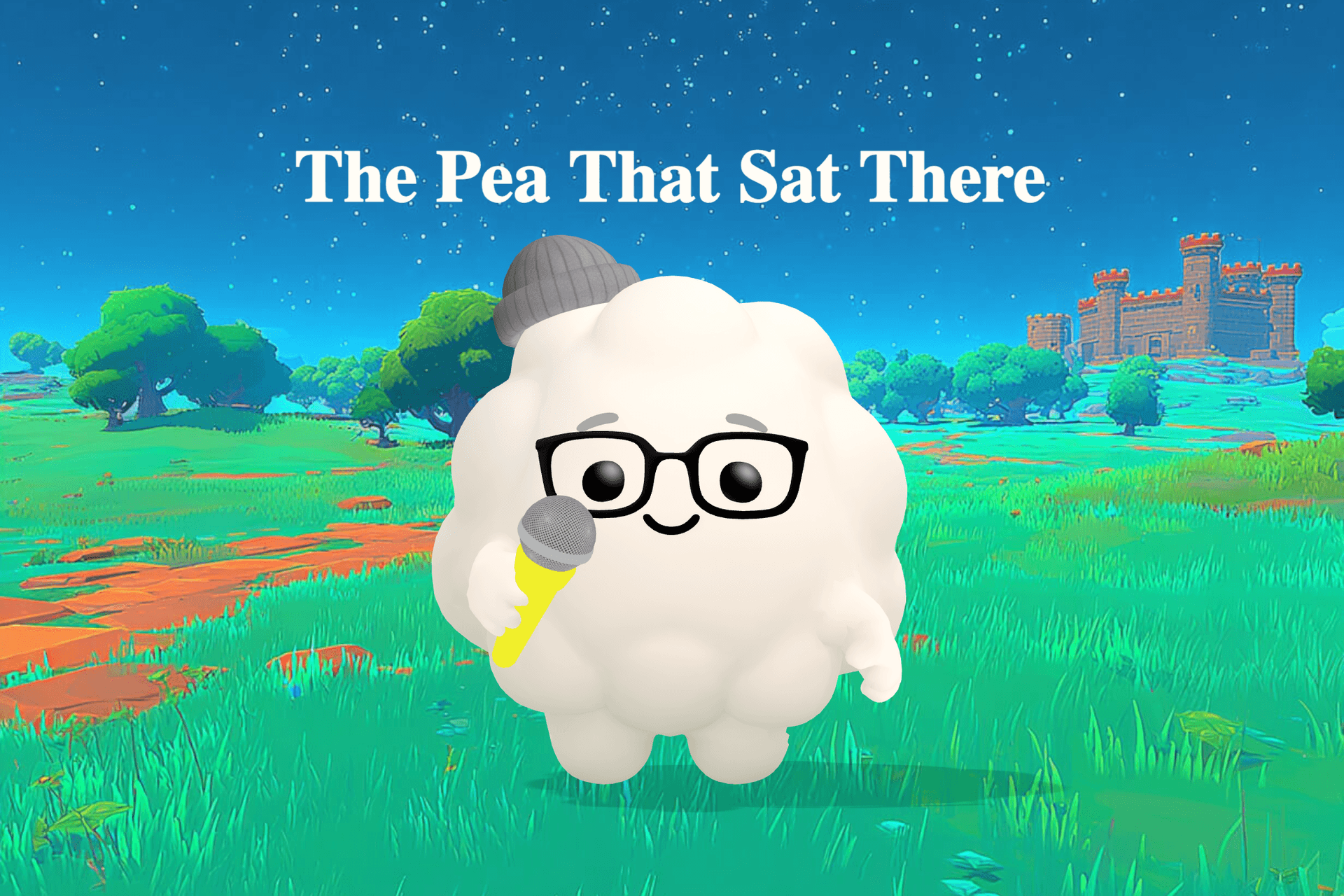
There is something quietly funny about watching a child size up a food they have never tried, that careful mix of suspicion and curiosity that plays out at dinner tables everywhere. In The Pea That Sat There, a boy named Oliver only eats white food until his grandmother, Nana Bette, starts placing a single green pea on his plate each night without saying a word. It is one of those short stories about picky eaters that feels real, gentle, and just right for winding down before sleep. If it sparks your imagination, you can create your own personalized version with Sleepytale.
Why About Picky Eaters Stories Work So Well at Bedtime
Dinnertime struggles can carry a surprising amount of tension for little ones, and stories about picky eaters to read at bedtime give children a chance to revisit those feelings from a safe, comfortable distance. When the lights are low and the day is done, a story about someone else staring down an unfamiliar food can feel both funny and deeply relatable. Kids get to laugh at the situation instead of living inside it. That is why these stories pair so naturally with the bedtime routine. The stakes are small, the humor is gentle, and the resolution always leaves room for hope. A child listening does not feel lectured or pressured. They simply hear about a boy, a pea, and a grandmother who knew exactly when to say nothing at all.
The Pea That Sat There 5 min 41 sec
5 min 41 sec
Oliver ate white food.
That was the rule, his rule, the only rule that mattered at the dinner table.
Rice, white as a cloud.
Bread, plain, no butter if the butter looked too yellow.
Milk, cold, in the blue cup.
Vanilla ice cream for dessert, always, no sprinkles.
He had a system.
The system worked.
He saw no reason to change anything about it.
His grandmother, Nana Bette, had opinions.
She had opinions about most things, actually.
She had opinions about the weather, about the neighbor's dog, about the correct way to fold a napkin.
But she never pushed Oliver about food.
Not once.
She would set his plate down, rice in the middle, bread on the side, and sit across from him with whatever she was eating, which was often something green or orange or some other color Oliver found deeply suspicious.
On a Tuesday, she put a pea on his plate.
One pea.
Singular.
It sat next to the rice like it had wandered in from somewhere else and gotten lost.
Oliver stared at it.
He leaned forward.
He tilted his head.
The pea was very green.
Aggressively green.
The kind of green that had no business being on a plate next to rice.
"There's a pea on my plate," he said.
"I see that," said Nana Bette.
She was already eating her soup.
"I don't eat peas."
"I know."
"Peas are green."
"Most of them, yes."
Oliver pointed at it.
"Why is it there?"
Nana Bette looked up.
"It's not hurting anyone," she said, and went back to her soup.
Oliver looked at the pea.
The pea did not look back, because it was a pea.
But it felt like it did.
He ate his rice.
He ate his bread.
He drank his milk.
He did not touch the pea.
He pushed his chair back, put his plate in the sink, and went to brush his teeth.
The pea went into the trash, he assumed.
He did not check.
He did not want to know.
The next night, there was another pea.
Same spot.
Same aggressive green.
Oliver sat down, looked at it, looked at Nana Bette.
She was humming something and pouring herself a glass of water.
"Is this going to be a thing?"
he asked.
"Is what going to be a thing?"
He pointed.
"Oh, the pea," she said.
"It's just sitting there."
"It keeps sitting there."
"Peas are good at that."
Oliver ate around it.
He was very precise about it.
He made sure no rice touched the pea.
He used his fork like a tiny bulldozer, building a wall of rice between himself and the green intruder.
Nana Bette watched this for a moment, pressed her lips together, and looked out the window.
Her shoulders moved slightly.
She might have been laughing.
Oliver chose not to investigate.
By day four, he had stopped building the rice wall.
The pea just sat there.
He ate his food.
The pea sat.
It was almost normal.
Almost.
On day five, he poked it with his fork.
Just once.
It rolled a little.
He put his fork down.
On day six, he picked it up on the fork and held it close to his face.
It was very round.
It smelled like outside, like the garden behind the house where Nana Bette grew things he had never tried.
He put it back down.
Carefully.
In the exact same spot.
Nana Bette said nothing.
She was reading a magazine with a picture of a cat on the cover.
She had not looked up once.
Oliver was almost certain she was paying very close attention.
On day seven, a Wednesday, Oliver ate the pea.
He did it fast, between one bite of rice and the next, like it was nothing, like it had always been part of the plan.
He chewed twice.
It was soft.
It tasted like the color green, which he could not explain, but that was the only way he could describe it inside his own head.
A little sweet.
A little strange.
Not bad.
Not bad at all.
He finished his rice.
He finished his bread.
He drank his milk.
He did not say anything.
Nana Bette got up and took her bowl to the sink.
She ran the water.
She dried her hands on the dish towel that had a rooster on it, which Oliver had always thought was a strange thing to put on a dish towel.
"Ready for ice cream?"
she asked.
"Yes," said Oliver.
She scooped it.
Vanilla, two scoops, in the green bowl because the blue bowl was in the dishwasher.
Oliver accepted the green bowl without comment, which was its own kind of progress, though he did not think about it that way.
He ate his ice cream.
Nana Bette ate a small piece of dark chocolate, which she kept in a tin on the counter and never offered to share, which Oliver respected.
Some things were private.
That night, he lay in bed and thought about the pea.
He thought about how it had just sat there, all those days, not doing anything.
Not asking him to like it.
Not making a big deal.
Just existing on the plate, next to the rice, being what it was.
He thought that was a pretty reasonable way to behave.
The next Tuesday, he came to the table and there was a pea on his plate.
He sat down.
He ate his rice.
He ate the pea somewhere in the middle, not at the end, not as a big moment.
Just as part of dinner.
Nana Bette got up to refill her water glass.
On the way back, she stopped and put her hand briefly on top of his head, the way she sometimes did, warm and quick, and then she sat back down and picked up her fork.
She did not say anything about the pea.
He did not say anything about the pea.
Outside, the neighbor's dog was barking at something in the yard, probably nothing, the way it always did.
The kitchen smelled like the bread Nana Bette had made that afternoon, still a little warm from the oven.
Oliver's sock had a hole in the toe, and he kept wiggling his toe through it under the table.
Dinner was ordinary.
Completely, entirely ordinary.
The pea was gone from his plate, and nobody mentioned it, and that was exactly right.
The Quiet Lessons in This About Picky Eaters Bedtime Story
This story gently explores patience, quiet courage, and the power of not making a big deal out of something new. Oliver's slow journey from staring at the pea to poking it to finally eating it shows children that bravery does not have to be loud or dramatic. Nana Bette's choice to never comment on the pea teaches respect for someone else's pace, a lesson that resonates especially at bedtime when kids reflect on their own small victories. These themes settle softly into a child's mind right when they are most open to receiving them.
Tips for Reading This Story
Try giving Nana Bette a warm, unhurried voice and pause just a beat before her calm replies, like when she says “It's not hurting anyone“ and goes right back to her soup. Slow down during the moment Oliver holds the pea close to his face and smells the garden; let that little silence hang so your child can picture it. When Oliver finally eats the pea “between one bite of rice and the next,“ read that line quickly and casually, matching the way he tries to make it feel like no big deal.
Frequently Asked Questions
What age is this story best for?
This story works wonderfully for children ages 3 to 7. Younger listeners will enjoy the repetition of the pea appearing each night and Oliver's funny reactions, while older kids will appreciate the quiet humor of Nana Bette pretending not to notice anything at all.
Is this story available as audio?
Yes, just press play at the top of the page to hear the full story read aloud. The audio brings out the wonderful contrast between Oliver's suspicious questions and Nana Bette's perfectly calm, unbothered replies. The moment Oliver finally eats the pea lands with delightful understatement when you hear it spoken rather than read it on the page.
What if my child only eats a few specific foods, like Oliver?
This story mirrors that experience perfectly, since Oliver's rule is that he only eats white food: rice, plain bread, milk, and vanilla ice cream. Rather than forcing change, Nana Bette simply places one pea on the plate each night and lets Oliver come to it on his own terms. It is a gentle reminder that small, patient steps can open the door to trying something new.
Create Your Own Version
Sleepytale turns your child's real life moments into personalized bedtime stories in seconds. You can swap Oliver's pea for a cherry tomato, change Nana Bette's kitchen to a cozy campfire, or make your own child the main character who discovers a new favorite food. In just a few taps, you will have a warm, cozy story that feels like it was written just for your family.
Looking for more social stories for kids?
Stories About Losing A Tooth
A stubborn tooth finally pops out into mashed potatoes at dinner in one of our favorite short stories about losing a tooth.
Stories About Getting Glasses
Explore short stories about getting glasses where a boy named Elliot sees his mom's freckles for the very first time.

Stories About Changing Schools
A yellow sticky note with a crooked map leads to real friendship in short stories about changing schools for bedtime.

Stories About Missing A Parent
Ever wonder if short stories about missing a parent could comfort your child the way Nora wraps herself in her dad's old sweatshirt.

Stories About Deployed Parent
Discover short stories about deployed parent love through Oliver, who plays his mom's recorded voice a pillow until the house feels right again.
First Day Of Daycare Stories
Milo's plan was simple: do not cry. Discover short first day of daycare stories where a wobbly block tower changes everything.