

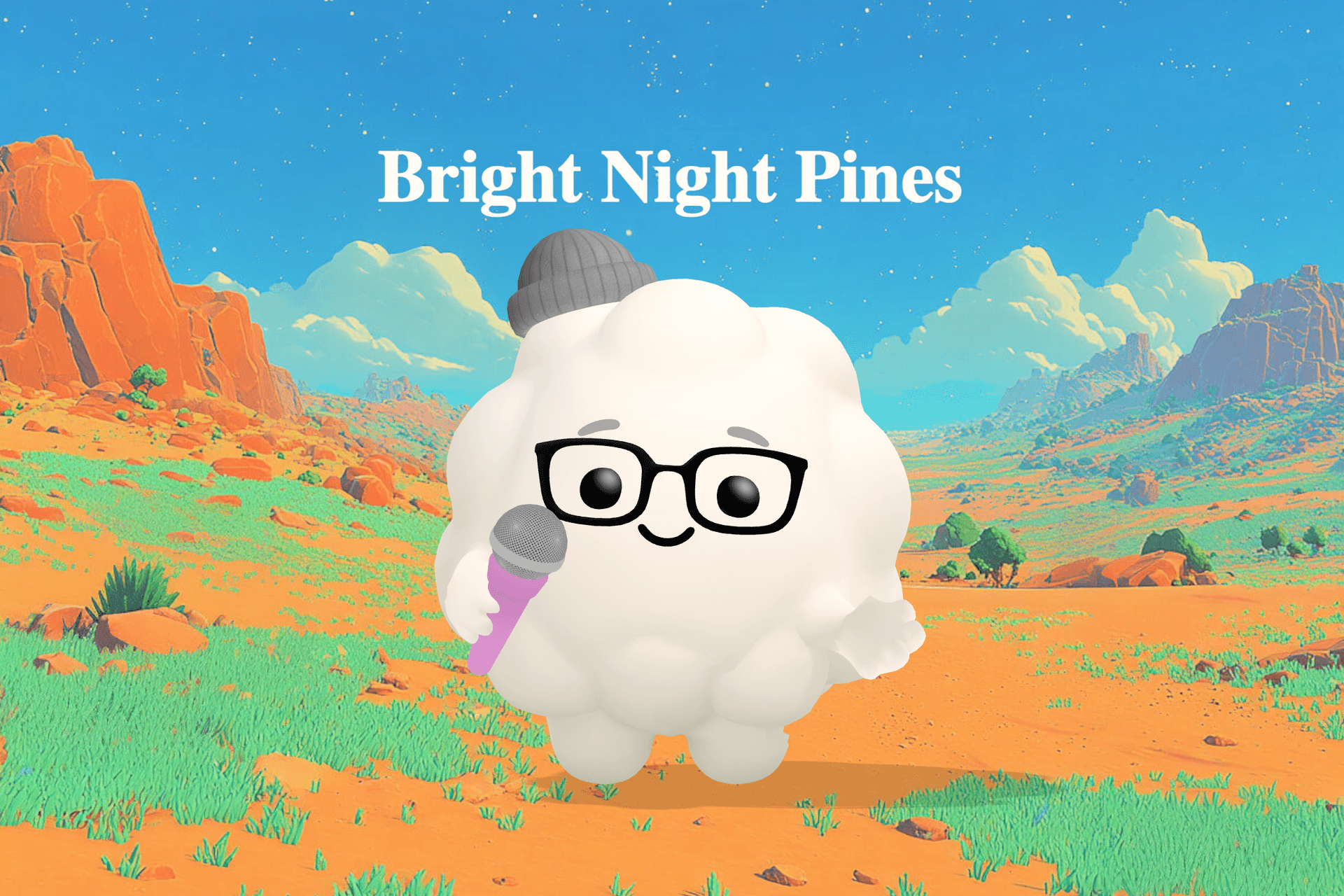
Quick answer
A star lullaby soothes young children by pairing a slow, heartbeat paced melody with gentle night imagery that guides the mind toward rest. The lullaby Horse Rest carries this calming effect as a quiet herd settles beneath a sky slowly filling with stars, crossing cool, clear streams under deepening darkness. Suited for newborns through preschoolers, the song's steady repetition turns each verse into a reliable sleep cue that softens the body before the first line ends.
Imagine a wide field where the last of the moonlight gives way to a sky thick with stars, and a small herd walks quiet paths while clear streams murmur soft songs nearby. A star lullaby holds your little one inside that stillness, letting the day fade as the night brightens overhead. You can create a personalized version with Sleepytale.
Why a Star Lullaby Soothes at Bedtime
A star lullaby works because it points a child's attention upward, away from the busy day and toward something vast, slow, and unchanging. The melody usually sits close to a resting heartbeat, and that gentle pace quietly invites a little one's breathing to follow. When a parent hums the line about stars in the quiet sky, the familiar voice adds a layer of safety, though a star lullaby instrumental does the same work because the brain recognizes the tune as a signal that night has come. The images woven through a star lullaby give a wandering mind something soft to rest on: clear streams, sheltered hills, a herd moving together under a brightening sky. Each time the verse circles back, the return feels expected and warm, replacing the mental chatter that keeps a restless child awake with a steady, starlit rhythm the body learns to trust.
Horse Rest 3 min 13 sec
3 min 13 sec
Green white fields now welcome foals to graze
Hush baby rest your head and gentle breeze pass by
Low calm hills now echo hoofbeats near
Night wind hums so quiet
We see pretty clouds moonlight up high
They cross gentle streams starlight so clear
We feel sleepy hearts beating so slow
Dreams will stay with baby
Soft white small calm pretty horse now here
Bright gentle moon now guides the quiet herd to rest
Soft brown small calm sleepy horse slow here
Stars and sky so quiet
We ride pretty paths moonlight by soft
They walk gentle hills starlight so calm
We hear sleepy hoofs rhythms so slow
Dreams will come so baby
Deep dark sky now blankets falls in peace
Hush baby hold my hand and gentle hues wake up
Cool clear streams now murmur soft songs near
Larks sing low so quiet
Guide young softly falls within their dreams
They find gentle shade starlight now gone
We keep sleepy eyes closing so slow
Day will wait for baby
Soft white small calm pretty horse now here
Bright gentle moon now guides the quiet herd to rest
Soft brown small calm sleepy horse slow here
Stars and sky so quiet
We ride pretty paths moonlight by soft
They walk gentle hills starlight so calm
We hear sleepy hooves Rhythms so slow
Dreams will come so baby
Soft white small calm pretty horse now here
Bright gentle moon now guides the quiet herd to rest
Why This Star Lullaby Helps at Bedtime
Horse Rest reads like a star lullaby from its first breath, opening on a quiet field where pretty clouds drift past moonlight high above. As the verses move along, the light slowly changes; the herd crosses gentle streams under clear starlight, then a deep dark sky blankets everything in peace. Nothing speeds up along the way. Each picture is sheltered and still, a herd guided overhead rather than racing across open land, and that calm is exactly what loosens a child's grip on the day. The chorus returns three times, and by the second pass most little ones stop tracking the words and simply float inside the tune. Pair this song with the same dim lamp, the same blanket, and the same moment each evening so it becomes a dependable sleep cue. Within a few nights the body begins to soften before the first verse even ends, and many parents notice their child's breathing slow right as the line about stars in the quiet sky comes around again.
What This Star Lullaby Captures
The slow turn from moonlight to a full starry dark sits at the heart of this star lullaby, and it tells a child something comforting without ever saying it aloud: the night is meant to deepen, and that deepening is safe. A bright moon guiding the quiet herd promises that someone is watching over them in the dark, while foals walking gentle hills under starlight offer the feeling of moving together with others who are calm and close. The cool, clear streams murmuring soft songs nearby suggest the world itself is humming along, turning an unfamiliar darkness into something musical. When sleepy eyes close so slow at the very end, the song mirrors exactly what your little one is already doing, making sleep feel like the natural last note of the night.
How to Sing It at Bedtime
Open softly, almost under the room, and let the line about pretty clouds and moonlight up high hang in the air a moment longer than feels natural. When you reach the verse where they cross gentle streams with starlight so clear, drop your voice lower and slow each word, as though you are watching the sky fill in alongside your child. Stretch the repeated chorus about riding pretty paths in moonlight a little longer each round, nearly whispering by the final pass. On the closing image of sleepy eyes closing so slow, match your own breathing to the pace and let the last note fade into silence rather than stopping short.
Frequently Asked Questions
What age is a star lullaby best for?
A star lullaby suits newborns through preschoolers, roughly ages zero to five. The slow tempo and simple night images of starlight crossing quiet streams settle the youngest listeners, while toddlers and preschoolers can picture the herd walking gentle hills under a sky slowly filling with stars before they close their eyes.
Does a star lullaby work as an instrumental?
Yes, a star lullaby instrumental still soothes because the brain leans on the melody itself, not just the words. The rising and falling line carries the same starlit calm whether you hum it, sing it, or let the recording play. Press play at the top of the page and let the quiet hooves and clear streams cycle for as long as your little one needs.
Why does a star lullaby move from moonlight to deep starry dark?
The slow shift mirrors the night growing deeper, gently telling a child that the world is quieting in a safe and natural way. The bright moon guides the herd first, then starlight takes over as the foals find gentle shade, and at last a deep dark sky blankets them in peace. That steady dimming matches the feeling of eyelids growing heavy, so falling asleep feels like part of the song.
Create Your Own Version
Sleepytale turns your family's favorite ideas into personalized lullabies with gentle melodies and calming lyrics. You can swap the foals for your child's favorite stuffed animal, trade the starlit hills for a cozy blanket fort, and choose a soothing voice that feels just right. In just a few moments you will have a one of a kind star lullaby your little one can hear every night, built around the images and comforts they love most.
Looking for more nature lullabies?
Fall Songs For Kids
Discover gentle fall songs for kids with drifting leaves and a harvest moon to soothe your little one to sleep.
Spring Songs For Kids
Butterflies fold their wings and flowers yawn in these spring songs for kids, turning bedtime into the gentlest garden lullaby.
Winter Songs For Kids
Discover gentle winter songs for kids that drift like snowflakes, guiding your little one into cozy, peaceful dreams all night long.
White Noise Lullaby
Wondering if a gentle white noise lullaby filled with ocean hums and silver breezes can ease your baby to sleep.
Rain Lullaby
Drift off to gentle taps tin with this soothing rain lullaby, where silver lines shimmer glass and warm sheets welcome sleep.
Ocean Lullabies
Whales sing and silver tides drift in this gentle collection of ocean lullabies, calming your little one to sleep.