
Restaurant Bedtime Stories
By

Dennis Wang, Bedtime Story Expert
7 min 38 sec
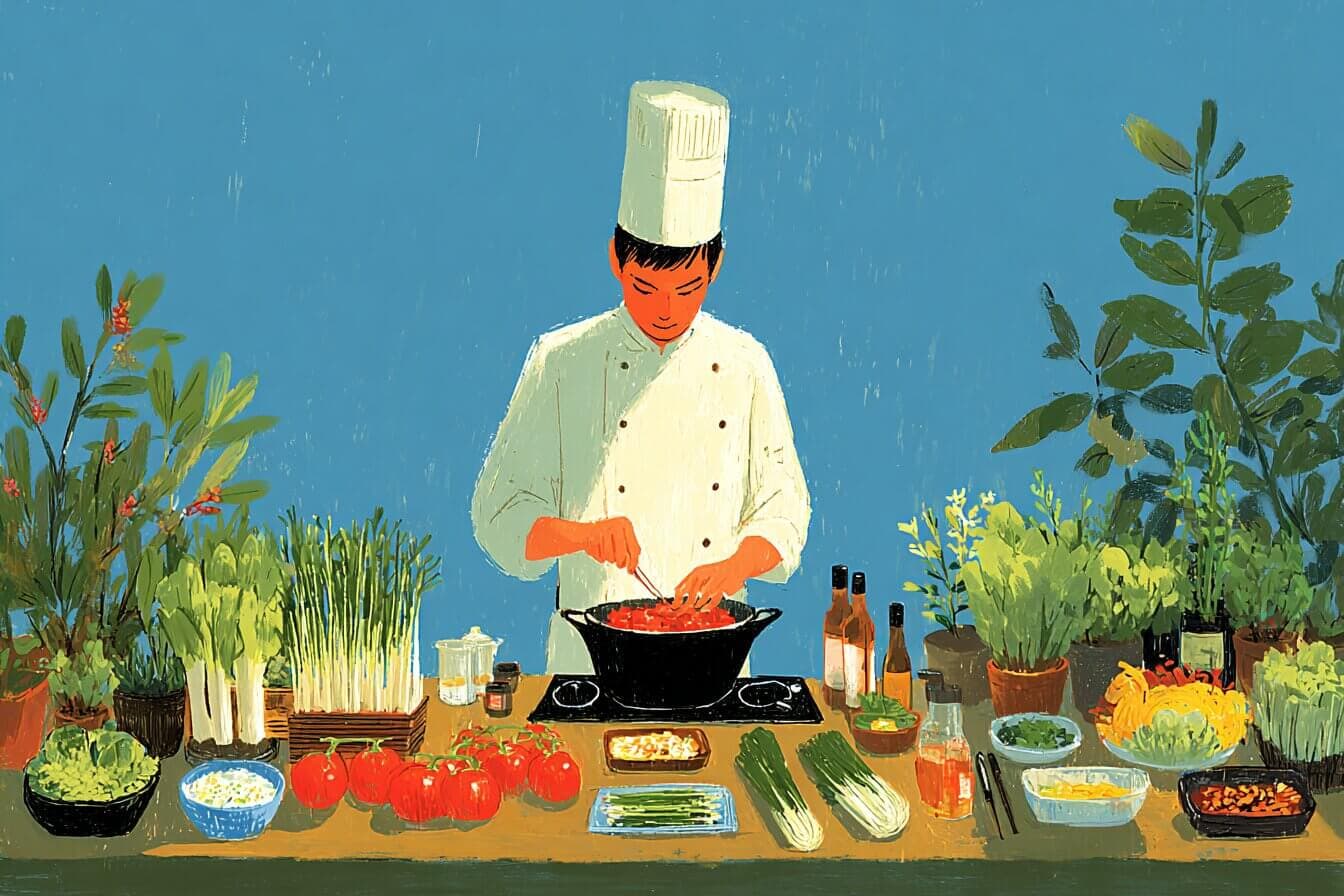
There is something about the low hum of a kitchen winding down for the night that makes kids feel instantly safe, the clatter of pots settling, the faint smell of bread still hanging in the air. This story follows Chef Rosa, who runs a little restaurant in a town called Mapleberry and discovers what to cook when her pantry is nearly empty and her neighbors need comfort. It is one of our favorite restaurant bedtime stories because it trades big excitement for the kind of warmth that actually helps small listeners drift off. If you would like a version shaped around your own child's name, favorite food, or special details, you can create one in minutes with Sleepytale.
Why Restaurant Stories Work So Well at Bedtime
Restaurants are places where someone takes care of you. Someone else does the cooking, sets the table, and brings you exactly what you need. For kids, that feeling of being looked after maps perfectly onto the mood they need before sleep. A bedtime story about a restaurant wraps them in all the right sensory details, too: warm kitchens, simmering pots, soft bread, and the quiet rhythm of someone chopping and stirring with care.
There is also something calming about the structure of a meal. It has a clear beginning, middle, and end, just like a good night routine. Kids know the food will be made, shared, and enjoyed. Nothing is uncertain. That predictability, layered with cozy scents and gentle characters, creates a story world that feels as safe as a warm bowl of soup held in both hands.
Chef Rosa's Secret Spoonful 7 min 38 sec
7 min 38 sec
In the tiny town of Mapleberry, where the wind carried a faint cinnamon smell and most houses had gardens full of flowers that hummed in the breeze, there was a restaurant called The Loving Ladle. It sat between the post office and a bench that nobody had painted in years.
Inside worked Chef Rosa.
She had silver streaks in her hair, freckles that almost looked like hearts if you squinted, and a wooden spoon she kept tucked behind her ear the way a schoolteacher keeps a pencil. Her apron was the color of a sunrise, stained near the pocket from years of wiping her hands on the same spot.
Every morning she woke before the sun, stepped over Muffin the cat without looking because she knew exactly where he slept, and walked to the market humming a lullaby her grandmother once sang. She never remembered all the words, only the melody, which was enough.
She greeted the baker, the cheesemaker, and the boy who sold berries in paper cones. She chose tomatoes that blushed the deepest red, lettuce still holding dew like tiny glass beads, and carrots that smelled of earth and yesterday's rain.
Back in her kitchen she tied her apron and rolled up her sleeves.
But Rosa had a secret.
Before she stirred a single pot or flipped a single pancake, she closed her eyes and thought of one person she loved. Sometimes it was her mother's warm arms. Sometimes her nephew's gap toothed grin. Once it was the postman, just because he always waved even when his bag was heavy.
She spooned that picture into the food like adding sunshine to soup. And the moment the love touched the ingredients, they shimmered, faintly, like fireflies blinking inside the pot.
Rosa hummed. The pots and pans hummed back. Clink clink. Clatter clatter.
When she tasted a spoonful of tomato sauce, she could feel her mother's laughter bubbling right there on her tongue. She ladled it over noodles, tore fresh basil on top, and set the bowl on the windowsill so the steam could curl out into the street. A dog passing by wagged his tail, sniffed, and trotted away happier, though he could not have told you why.
At noon the bell above the door jingled.
In trooped the lunchtime crowd: teachers with chalk dust still on their fingers, children whose pockets rattled with marbles, and old Mr. Wren, who wore a bowtie even when he was gardening. They sat at mismatched tables, unfolded napkins, and waited.
Rosa greeted each one by name. She asked about lost teeth, new puppies, spelling tests. Then she served the food, and something happened that was hard to explain.
Mrs. Alder, who had been worrying about her roses all morning, tasted the tomato noodles and suddenly remembered how her own mother grew roses on a tiny balcony in a city apartment, and the memory made her braver. Timmy, who had been dreading the big slide at school, bit into Rosa's grilled cheese and felt his knees go steady. The mayor, who missed his grandmother, spooned Rosa's chicken soup and could almost hear her voice telling him stories about stars.
Every bite carried something. A memory. A hope. A hug.
The restaurant filled with quiet sighs, bright giggles, and the occasional happy tear that Rosa dabbed away with a corner of her apron. When plates were empty, guests felt lighter. They left humming, or skipping, or simply smiling wider than when they arrived. Rosa waved from the doorway, then went back to her sink.
She never told anyone the secret. She believed love spoken out loud sometimes fluttered away like startled birds.
But the townsfolk felt it. They came back day after day, bringing friends from nearby villages. Word spread that something wonderful happened at The Loving Ladle, though nobody could explain exactly what. Travelers arrived with tired eyes and left with steadier steps.
One afternoon a famous food critic visited, notebook in hand, ready to dissect every flavor. After a single spoonful of Rosa's potato leek soup he closed the notebook, pulled out his phone, and called his daughter. They had not spoken in two years. He invited her to lunch. Rosa smiled and offered him a second helping without saying a word.
Then autumn came, and with it a problem.
One evening, when the moon hung low and pale like a sugar cookie someone had left on a shelf, Rosa opened her pantry and found it nearly bare. A storm had delayed deliveries. The market had closed early. Her garden gave only three small potatoes and a single onion, still wearing a papery skin that crackled when she picked it up.
She sat on a stool, chin in her hands.
Muffin jumped onto the counter, purring, and bumped his head against her arm.
Rosa scratched behind his ears. She felt a small spark, not a plan exactly, more like the beginning of one.
She chopped the onion slowly, letting its sweet scent fill the room. She diced the potatoes. She filled her biggest pot with water, sprinkled in salt, and set it to simmer. While the soup worked itself into something, she opened the window. Moonlight poured in and pooled on the counter like spilled milk.
She did not send invitations. She just left the window open and let the smell do the talking.
A quiet knock came first from Mrs. Alder, who arrived carrying a basket of rosemary she had just cut. Then Timmy appeared with a loaf of bread his mother had baked that afternoon, still warm in its cloth. The mayor brought butter shaped like daisies, a detail that made Rosa laugh out loud.
One by one, others came. A handful of beans. A jar of honey with a handwritten label. A single shiny apple.
Rosa stirred each gift into the pot, thinking of the person who brought it. The soup grew richer, greener, golden.
When they all sat together at the long table, nobody said much at first. They just ate. The soup tasted of shared thyme and borrowed stories and the particular warmth of a room where no one is pretending.
Outside, the moon seemed to lean a little closer. Inside, every heart felt full.
Rosa set down her spoon and looked around the table. She realized something she had almost missed: love was not only something she stirred into food. It was something the whole town could stir into each other.
From that night on, The Loving Ladle became more than a restaurant.
It became a place to belong.
Years later, children who had once tasted Rosa's peach cobbler would grow up and move to other cities, yet they remembered the warmth and tried adding love to their own kitchens. It never tasted quite the same, but they kept trying, and the trying was the whole point.
Rosa grew older. Her hands moved slower. Her smile never dimmed.
She taught apprentices her recipes but never revealed the true ingredient. She simply told them, "Cook as if the person you cherish most in the world is sitting at your table." They wondered why their soups did not taste exactly like hers, but they kept at it, and that kept the magic alive.
On quiet afternoons Rosa sat by the window with Muffin on her lap, watching the world go by. She listened to birds argue in the gutters and felt the breeze carry her gratefulness out to everyone who had ever shared a meal at her table.
The restaurant sign creaked gently. The smell of fresh bread drifted down the lane, inviting new travelers to step inside and taste something they could not name but would never forget.
And people still say that if you close your eyes while eating one of her recipes, you can feel a tender squeeze around your heart, like a whisper you hear without words.
The Quiet Lessons in This Restaurant Bedtime Story
This story carries a few ideas that land softly right before sleep. When Rosa discovers her pantry is nearly empty, she does not panic or give up; she slows down, chops what she has, and opens the window, showing kids that asking for help is its own kind of strength. The neighbors arriving with small offerings, a handful of beans, a jar of honey, teaches that generosity does not have to be grand to matter. And Rosa's lifelong habit of never explaining her secret reminds listeners that the most important things are often felt rather than announced. At bedtime, these lessons settle like a warm blanket: tomorrow you can be brave enough to ask, kind enough to share, and quiet enough to let love speak for itself.
Tips for Reading This Story
Give Rosa a warm, unhurried voice, the kind that sounds like she is always half smiling, and let Muffin's purr be a low rumble you hum in your throat whenever the cat appears. When the neighbors start knocking one by one, slow your pace and drop your volume a little with each new arrival so the room feels like it is filling up gently. At the moment Rosa opens the window and moonlight pours onto the counter, pause for a breath and ask your child what they think the soup smells like.
Frequently Asked Questions
What age is this story best for?
It works well for children ages 3 to 8. Younger listeners love the sensory details like simmering soup and moonlight on the counter, while older kids connect with the idea that Rosa's neighbors each bring something small to help. The pacing is calm enough for toddlers winding down but the plot has enough heart to hold a second grader's attention.
Is this story available as audio?
Yes. Press play at the top of the story to hear it read aloud. The audio version brings out the rhythm of Rosa's kitchen, the clink clink of pots humming back at her, and the quiet knocks as each neighbor arrives. It is especially nice for the long table scene at the end, where the narration slows down and lets the warmth of the shared meal settle in.
Why does Chef Rosa keep her secret ingredient hidden?
Rosa believes that naming the love out loud might make it flutter away, so she lets people feel it in the food instead of explaining it. It is her way of trusting that kindness does not need a label. Kids often notice this detail and enjoy feeling like they are in on the secret themselves.
Create Your Own Version
Sleepytale lets you reshape this cozy kitchen tale into something that fits your family perfectly. You can swap Chef Rosa for your child's name, change The Loving Ladle into a seaside cafe or a bakery on a cloud, trade potato soup for pancakes or dumplings, or even make Muffin a dog instead of a cat. In a few moments you will have a gentle, personalized story with the same warm pacing, ready to play or read at bedtime tonight.
Looking for more kid bedtime stories?

Bedtime Poems For Kids
Discover short bedtime poems for kids through a story where a boy says goodnight to kettles, slippers, stars, and a goldfish named Planet.

Scary Story Ideas For Kids
Looking for short scary story ideas for kids that feel cozy, not overwhelming? Meet Sir Boop, a bow tie wearing ghost who judges spooky slips from an Idea Jar.

Interactive Children's Stories
Discover short interactive children's stories where a girl named Wren makes choices guided by a paper fox bookmark called Flip.

Ghost Stories For Kids
The scariest thing about Puddle the ghost is his giggle, not his boo, in one of the sweetest short ghost stories for kids.

Adventure Stories For Kids
A folded map hidden inside a library book sends two friends a treasure hunt in one of our favorite short adventure stories for kids.

Native American Stories For Kids
Discover short native american stories for kids through a fireside tale of geese, gratitude, and a grandfather's gentle wisdom.