
Patience Bedtime Stories
By

Dennis Wang, Bedtime Story Expert
7 min 41 sec
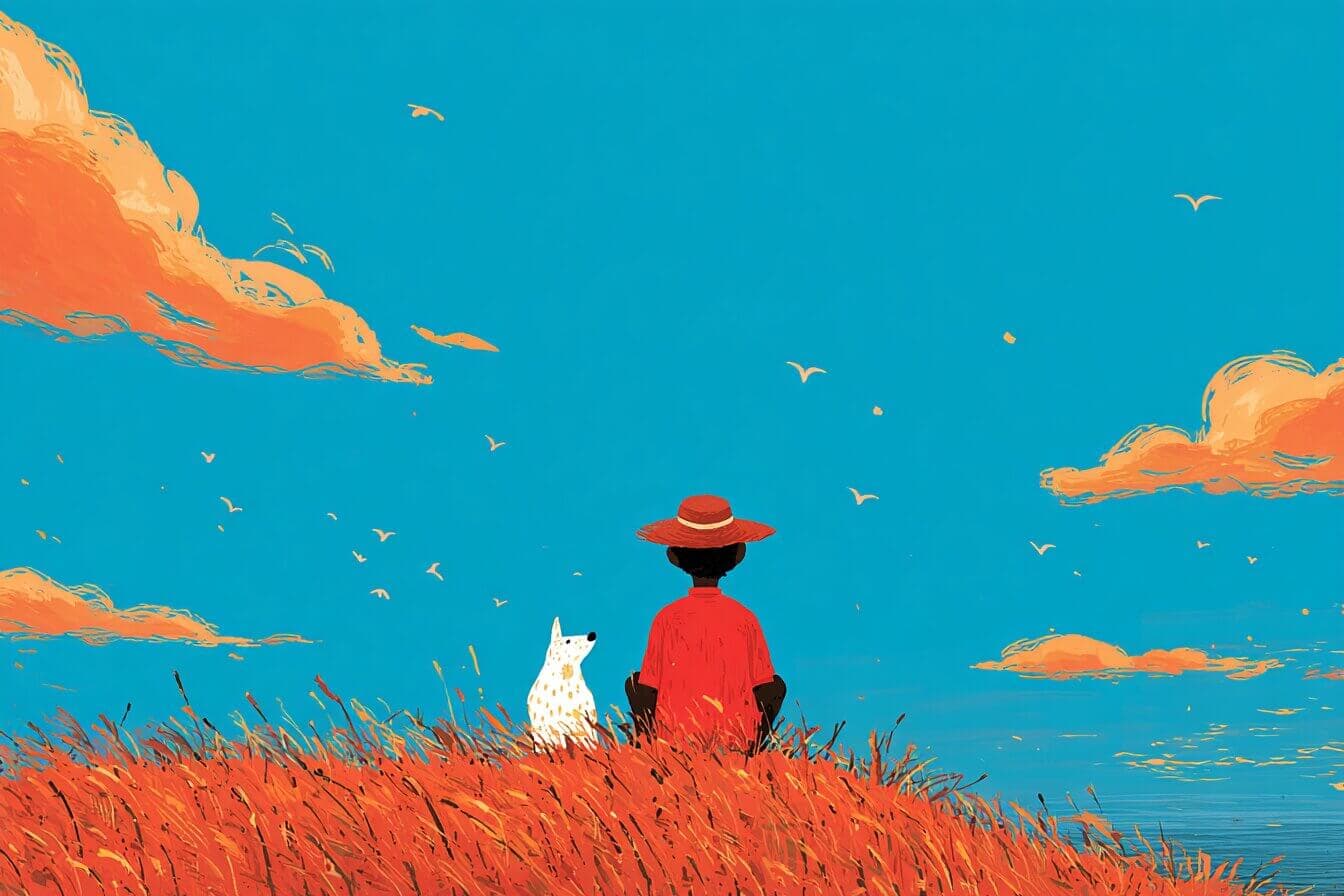
There is something about the hour right before sleep when a child's body has finally gone still but their mind is still spinning, wanting one more thing, one more minute, one more look at the ceiling. That restless edge is exactly where a story about waiting can meet them. In this tale, a girl named Pippa plants shimmering seeds and discovers, with help from a tortoise named Tully, that the quiet space between planting and blooming holds its own kind of magic. It makes a lovely addition to your patience bedtime stories rotation, and if you want to shape one around your own child's world, you can create a fresh version with Sleepytale.
Why Patience Stories Work So Well at Bedtime
Bedtime is already an exercise in waiting. The lights go off, the blanket gets tucked, and then there is that long stretch where nothing seems to happen before sleep finally arrives. A bedtime story about patience mirrors that exact experience, showing children that the quiet in-between is not empty. It is full of small, noticeable things: the hum of a fridge, the weight of a quilt, the sound of their own breathing slowing down.
When kids hear a character sit with discomfort and come out the other side feeling calm rather than cheated, it gives them a little blueprint they can borrow. Patience stories reassure children that not everything needs to happen right now, and that waiting does not mean something has gone wrong. That is a surprisingly comforting idea to carry into the dark.
The Garden of Waiting 7 min 41 sec
7 min 41 sec
In the middle of Lumenvale, a village where the houses had blue shutters and the bakery door was always propped open with a brick, a small girl named Pippa loved to run everywhere.
To the bakery for bread. To the fountain to splash. To the meadow to chase whatever was flying.
One spring morning, Grandmother Maple handed her a canvas pouch no bigger than her palm. Inside were round seeds that shimmered like moonlight, or maybe like the inside of a soap bubble, depending on how you tilted them.
"Starlight Seeds," Grandmother said. "They grow into flowers that bloom only for those who wait calmly and kindly."
Pippa clapped once, loud, and raced to the garden patch behind her cottage. She poked the seeds into the soil, patted them down, and stared.
Nothing.
She watered them twice, then three times, then pressed her ear to the ground as if the seeds might whisper their progress. The soil just smelled like soil. A little bit like pennies.
Still nothing.
Her best friend, a speckled tortoise named Tully, tottered up the path. His shell had a tiny chip on the left side from the time he had bumped into the gate last autumn, and he never seemed bothered by it.
"We could sit here and count clouds," Tully offered.
Pippa sighed the kind of sigh that starts in your toes. But she flopped onto the grass and agreed.
While they counted, she noticed ants carrying crumbs twice their size in a wobbly line. A ladybug landed on her knee, stayed for three breaths, and left without explaining itself.
Sun warmed her cheeks. The wind chimes on the porch made that particular sound they only made when the breeze came from the east, more of a clatter than a ring.
She checked the soil again. Brown.
She reached to dig the seeds out and peek, just a quick look.
Tully blocked her hand, gently, with his foot. "Leave them be."
"But what if they're lost down there?"
"Seeds aren't lost. They're busy."
Pippa frowned. Then she spotted a robin nearby, tugging at a worm with a steady, slow pull. Not yanking. Just leaning back and holding on, patient as anything, until the worm slid free with a soft pop.
The robin sang, a single bright trill that sounded like it was bragging.
Something in Pippa's chest unclenched. She sat back, folded her hands over her knees, and told the seeds she would guard their quiet dreams.
Days passed.
Each morning she watered once, hummed whatever song was stuck in her head, and then practiced waiting. She painted three fence slats. She helped Tully polish his shell with a cloth, working carefully around the chip. She learned to braid dandelion chains and made one long enough to loop twice around the mailbox.
Whenever her fingers itched to dig, she counted to ten, took a breath so deep her ribs creaked, and pictured silver petals opening against a dark sky.
One twilight, while fireflies drifted above the garden like tiny lanterns with no particular plan, she heard a faint crackle from the soil. She leaned close. Saw nothing. But she whispered anyway. "Take your time. I'm here."
The next morning: a green curl pushing up through the dirt, still wearing its seed coat like a lopsided hat.
Joy hit her so fast she almost shouted. But she caught herself. She smiled, tipped an imaginary hat back at the sprout, and tiptoed away.
Over the following week, more sprouts appeared, each lifting seed leaves like small hands waving.
Pippa measured their progress by the width of Tully's slow steps instead of by her racing heartbeat.
She told them stories, odd ones about distant mountains and whales who forgot how to swim, and she promised that when they bloomed she would host a moonlit concert with the wind chimes.
The sprouts grew taller. Leaves spread out like green butterflies resting on stems.
Pippa noticed something strange: the slower she breathed, the greener the leaves seemed. As if the plants were watching her back.
She practiced breathing like Tully. Slow. Smooth. So slow that a moth once landed on her shoulder and stayed there for a full minute, apparently convinced she was furniture.
One evening, when the first star blinked on, she saw tiny silver buds forming among the leaves.
Excitement fluttered through her chest. She sat still and let the crickets fill the silence instead.
She thanked the earth and the sky and even the waiting itself, which had started to feel less like an obstacle and more like a room she had learned to be comfortable in.
At dawn she woke to a glow seeping through her window, soft and silver.
She hurried outside. Stopped.
The garden patch gleamed with star-shaped blossoms of pearl white, each petal edged in something that caught light the way a creek catches sunlight through branches.
They shimmered. Just as Grandmother had promised.
Butterflies circled above the blooms. The air smelled of vanilla and the particular freshness that comes after rain but before the ground dries.
Pippa knelt. Her eyes stung, not from sadness, just from how full the moment was.
The flowers had not appeared because she willed them into existence. They arrived because she gave them time and calm and did not pry.
Tully tottered up, eyes twinkling, and together they hosted a celebration. Dewdrop tea, honey bread, and an open invitation to every ant, beetle, and firefly.
Nobody RSVP'd, but everyone came.
Grandmother Maple arrived carrying a silver ribbon, which she tied around Pippa's wrist.
"Badge of Patience," she said. Then, quieter, "You earned it by not digging."
Pippa laughed, because it was true.
From that day on, whenever the itch to hurry crept in, she touched the ribbon, breathed deep, and pictured her starlight garden glowing in quiet glory.
And every spring she and Tully planted new seeds. Not just in soil. In conversations, in the pauses between words, in the way she let a friend finish a sentence before jumping in.
The village children came to ask how such flowers grew. Pippa smiled and said they had to listen to the hush between heartbeats.
She taught them cloud counting, dandelion braiding, and the art of breathing like a tortoise.
Together they started the Waiting Club, which met each week to practice stillness. Sometimes they just sat in a circle and said nothing for two whole minutes, which felt like an eternity at first and then, strangely, not long enough.
They watched sunsets. They traced constellations. They learned that patience was not empty time but time filled with trust.
Pippa's garden spread beyond its patch, blooming in every quiet moment when someone chose to wait kindly.
And every blossom carried a message written in silver light, though you had to be very still to read it: the best gifts arrive on gentle feet.
The Quiet Lessons in This Patience Bedtime Story
This story threads together several ideas a child can absorb without a lecture. When Pippa fights the urge to dig up her seeds, kids see that resisting impulse does not mean missing out; it means protecting something fragile. Tully's calm presence shows that patience is easier when you borrow it from someone who already has plenty, which is a gentle way to teach children it is okay to lean on a friend when waiting feels hard. The moment Pippa notices the ants, the ladybug, and the robin is really about attention, learning that the world is already interesting if you stop demanding it perform on your schedule. These are reassuring ideas to carry into sleep, where the body has to trust that rest will come without being forced.
Tips for Reading This Story
Give Tully a slow, slightly gravelly voice, and let Pippa talk just a little too fast at the beginning so kids can hear the contrast soften as the story goes on. When Pippa presses her ear to the ground, pause and ask your child what they think the seeds might be doing down there. At the moment the first green curl appears wearing its seed coat "like a lopsided hat," slow your voice way down and let the image land before you move on.
Frequently Asked Questions
What age is this story best for?
It works especially well for children ages 3 to 7. Younger listeners connect with Pippa's physical restlessness and the fun of Tully's slow tortoise voice, while older kids appreciate the details like measuring sprout growth by Tully's steps and the idea of a Waiting Club they could actually start themselves.
Is this story available as audio?
Yes. You can press play at the top of the story to listen. The audio version brings out the contrast between Pippa's energetic early scenes and the hush of the twilight garden, and Tully's quiet one-liners land even better when you hear them delivered at his unhurried pace.
Do the Starlight Seeds in this story teach kids anything about real gardening?
The basics are surprisingly accurate. Pippa waters once a day instead of flooding the soil, she avoids disturbing the seeds by digging, and she watches for the first seed coat to crack open. While real flowers will not glow silver, the rhythm of planting, waiting, and finally seeing a sprout mirrors what a child would experience growing beans or sunflowers on a windowsill.
Create Your Own Version
Sleepytale lets you shape a bedtime story around whatever your child is currently fascinated by. You could swap Lumenvale for a rooftop garden in the city, turn the Starlight Seeds into glowing shells on a beach, or replace Tully with a sleepy cat who gives advice between naps. In a few moments you will have a cozy, personal story with the same gentle pacing and a peaceful ending your child can return to night after night.
Looking for more educational bedtime stories?

Folklore Examples
Discover short folklore examples through a library night where Anansi the spider, a loyal crane, and a clever hare teach timeless lessons.

Children's Fable
A fast fox loses to a steady turtle in this short children's fable about patience, ripe pears, and the quiet power of one step at a time.

Science Stories For Kids
Leo and his mom explore twinkling stars with a flashlight and a jar of water in one of our coziest short science stories for kids.
Small Stories With Moral
A girl gives her red umbrella to a classmate in the rain, one of the best short small stories with moral for bedtime.

Short Christian Stories With Moral Lessons
Discover short christian stories with moral lessons like Pastor Eli's unplanned outdoor sermon that teaches kids faith grows in unexpected places.

Quick Stories With Moral Lesson
Marcus copies a science test but discovers short quick stories with moral lesson show that honest effort feels better than a perfect stolen score.