
Italian Bedtime Stories
By

Dennis Wang, Bedtime Story Expert
4 min 41 sec
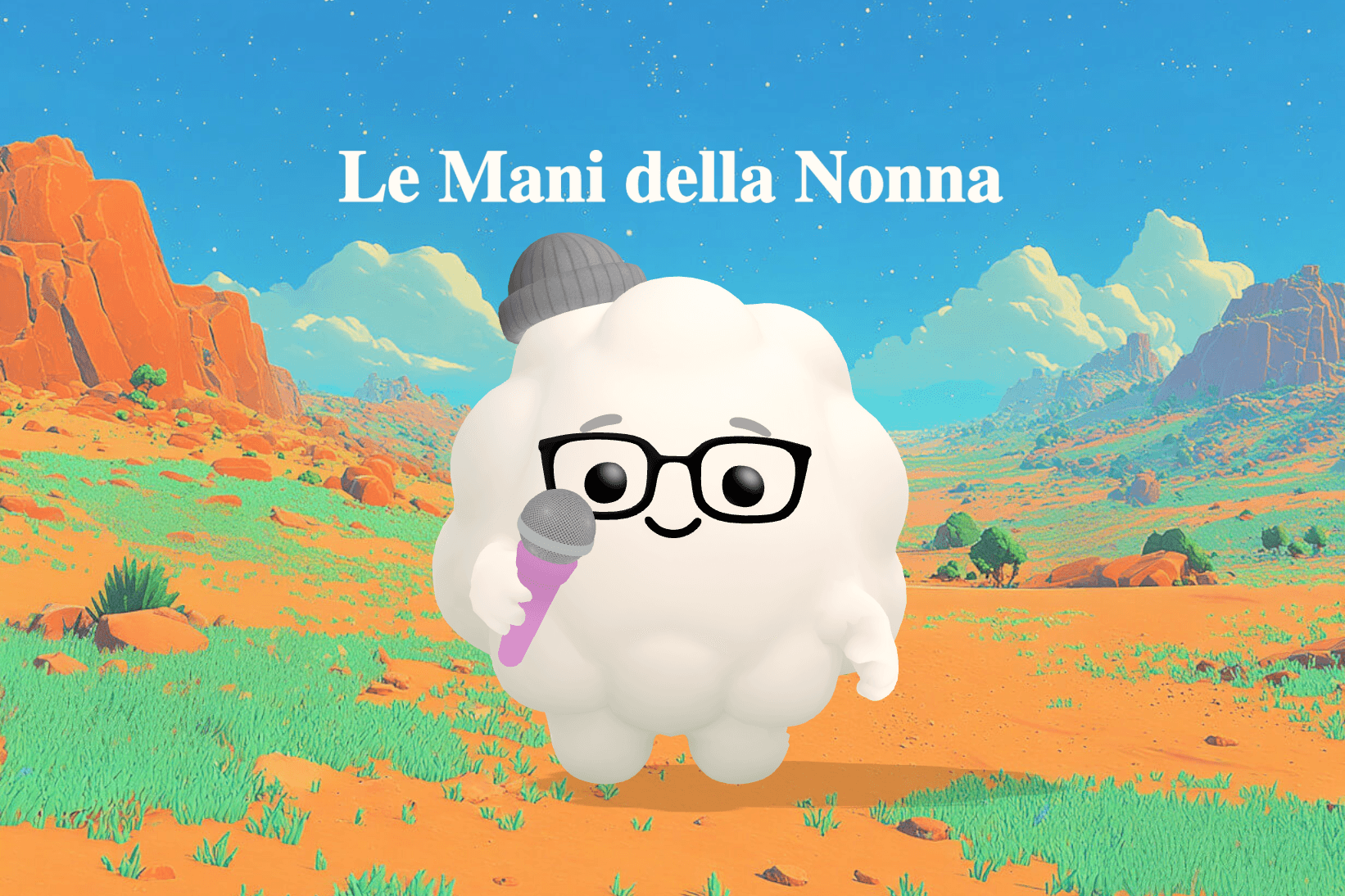
There is something about the smell of flour and warm wood that makes bedtime feel instantly safe and close. In Le Mani della Nonna, a girl named Mia visits her grandmother Nonna Rosaria every Sunday, spending nine weeks learning to knead dough with her own small hands. It is one of those short italian bedtime stories that feels like a quiet hug, full of patience and golden afternoon light. You can even create your own version, starring your child, with Sleepytale.
Why Italian Stories Work So Well at Bedtime
Italian kitchens have a way of wrapping you in warmth before a single word is spoken. The sounds of a knife on a cutting board, the scent of flour on old wood, the rhythm of hands working dough; these details create a sense of safety that children naturally respond to. When a bedtime story about Italian family traditions unfolds slowly, it mirrors the unhurried pace kids need to feel calm before sleep. Stories set in Italy often carry a deep sense of connection between generations. A grandmother passing down a recipe is not just cooking; it is offering love in the most patient way possible. For children, hearing about that kind of steady, quiet presence helps them settle into the feeling that they are held, even as the day slips away.
Le Mani della Nonna 4 min 41 sec
4 min 41 sec
La cucina della nonna Rosaria odorava sempre di farina e di qualcosa di antico, come se le pareti stesse ricordassero ogni domenica passata.
Sul tavolo di legno, consumato al centro da anni di impasto, c'era sempre la stessa ciotola bianca con il bordo azzurro.
Nessun altro posto in casa sembrava così vivo.
Mia si sedette sul bordo dello sgabello e guardò la nonna versare la farina a fontana.
Le mani di nonna Rosaria si muovevano senza pensarci, aprendo un buco nel centro come se lo facessero da sole.
Rompeva le uova con un colpo secco, uno, due, tre.
Il tuorlo cadeva dentro senza fare disastri.
Mia non aveva mai capito come facesse.
Quella prima domenica, nonna Rosaria disse: prova tu.
E Mia ci provò.
Mescolò, spinse, tirò.
L'impasto si attaccò alle dita, poi si spezzò nel mezzo, poi diventò una cosa appiccicosa che non assomigliava a niente.
Mia guardò la nonna.
La nonna non si mosse.
Disse solo: ancora.
La seconda domenica fu uguale.
Anche la terza.
L'impasto di Mia cadeva a pezzi oppure era duro come argilla.
Una volta le si attaccò così tanto alla mano che dovette usare l'altra per staccarlo, e la nonna rise, un riso basso e vero che riempì tutta la cucina.
Non era una risata cattiva.
Era solo onesta.
Mia cominciò a portare i guanti di lana fino alla porta e poi li lasciava fuori, perché la nonna diceva che le mani devono sentire.
Sentire cosa, non lo spiegava mai.
Mia non chiedeva.
Imparava a stare con la domanda.
La quarta domenica pioveva.
L'acqua batteva sulla finestra piccola sopra il lavello e la luce era grigia e piatta.
Nonna Rosaria aveva messo il grembiule a fiori, quello con la tasca strappata che non aveva mai cucito.
Mia lo sapeva perché ogni domenica ci guardava dentro sperando di trovarci qualcosa, ma c'era sempre solo un po' di farina vecchia.
Quella domenica Mia spinse l'impasto con tutto il peso del corpo, come aveva visto fare alla nonna.
Qualcosa cambiò per un momento, una sensazione diversa sotto i palmi, più liscia.
Poi si ruppe di nuovo.
Mia soffiò fuori l'aria dai denti.
La nonna era già dall'altra parte del tavolo e stava guardando fuori dalla finestra, le braccia conserte, come se aspettasse il sole.
Ancora, disse, senza girarsi.
La quinta e la sesta domenica passarono così.
Mia portava a casa le mani bianche di farina e sua madre le guardava e non diceva niente, solo le passava un panno umido.
Il panno era sempre troppo freddo.
La settima domenica Mia arrivò dalla nonna con un taglio sul pollice, preso aprendo lo zaino con troppa fretta.
Nonna Rosaria lo guardò, andò al cassetto in fondo, tirò fuori un cerotto con le anatre stampate sopra.
Lo mise in silenzio.
Poi disse: oggi facciamo lo stesso.
E fecero lo stesso.
L'impasto si ruppe.
Ancora.
L'ottava domenica Mia non voleva andare.
Stette seduta sul letto con le scarpe in mano per cinque minuti.
Poi le allacciò.
Non sapeva bene perché.
Forse perché la cucina della nonna odorava in un modo che non riusciva a trovare da nessun'altra parte.
Forse perché nonna Rosaria non le diceva mai che stava sbagliando.
Diceva solo ancora, e quella parola non pesava come le altre parole degli adulti.
Arrivò.
Impastò.
Si ruppe.
La nona domenica era di settembre.
L'aria dalla finestra aperta portava dentro l'odore di terra bagnata e di qualcosa che bruciava lontano, foglie forse.
Mia mise le mani nella farina senza pensarci troppo.
Spinse.
Girò.
Spinse ancora.
La nonna stava tagliando il prezzemolo dall'altra parte della cucina, clic clic clic del coltello sul tagliere.
L'impasto non si ruppe.
Mia si fermò.
Guardò le sue mani.
La pasta era lì, tonda e liscia, un po' appiccicosa ancora ma intera.
Tenne il respiro.
La spinse di nuovo, piano, e rimase.
Girò il bordo verso il centro come aveva visto fare cento volte, e rimase anche quello.
Nonna Rosaria si avvicinò senza fretta.
Si asciugò le mani sul grembiule, quello con la tasca strappata.
Guardò l'impasto.
Poi guardò Mia.
Sorrìse, non con tutta la faccia, solo con gli occhi e con un angolo della bocca.
Disse: adesso sai.
Mia non disse niente.
Guardò le sue mani bianche di farina, le righe sui palmi riempite di bianco, e sentì qualcosa che non aveva un nome preciso ma che stava lì, fermo, come l'impasto.
Nonna Rosaria tornò al prezzemolo.
Clic clic clic.
Fuori la luce era già pomeriggio, dorata e obliqua, e disegnava un rettangolo lungo sul pavimento di cotto.
Mia rimase ferma un momento con le mani appoggiate sulla pasta tiepida, e ascoltò il coltello, e l'aria che entrava, e il rumore lontano di qualcuno che chiamava un nome per strada.
The Quiet Lessons in This Italian Bedtime Story
This story gently explores persistence, as Mia returns Sunday after Sunday even when the dough falls apart in her hands. It also celebrates the power of quiet encouragement through Nonna Rosaria's single repeated word, “ancora,“ which carries no judgment, only an invitation to try again. There is a beautiful thread about learning through the body rather than through explanation, since Mia discovers that her hands must feel the dough before they can shape it. These are lessons that settle well at bedtime, when children are open to reflection and ready to absorb the idea that good things take time.
Tips for Reading This Story
When reading Nonna Rosaria's lines, use a low, unhurried voice and let the word “ancora“ land with a full pause afterward, as if the kitchen itself is waiting. Slow your pace during the ninth Sunday scene when Mia's dough finally holds together, and let the repeated “clic clic clic“ of the knife on the cutting board become almost rhythmic, like a lullaby. When Mia looks at her flour covered hands at the end, soften your voice to nearly a whisper so the stillness of that moment fills the room.
Frequently Asked Questions
What age is this story best for?
This story is best suited for children ages 4 to 8. Younger listeners will enjoy the repetition of Mia's Sunday visits and the sensory details of flour and sticky dough, while older children will connect with her frustration and the deep satisfaction of finally getting it right on the ninth try.
Is this story available as audio?
Yes, you can listen to the audio version by pressing play at the top of the page. It is especially lovely to hear the rhythmic “clic clic clic“ of Nonna Rosaria's knife and the gentle repetition of “ancora“ spoken aloud, which gives the story the soothing pace of a real Sunday afternoon in an Italian kitchen.
Why does Nonna Rosaria only say “ancora“ instead of giving Mia detailed instructions?
Nonna Rosaria understands that some things can only be learned through the hands, not through words. By simply saying “ancora,“ she gives Mia the space to discover the feel of the dough on her own terms. It is her quiet way of showing trust, letting Mia know she believes her granddaughter will get there without anyone rushing the process.
Create Your Own Version
Sleepytale turns your family's favorite memories and ideas into personalized bedtime stories your child will treasure. You can swap the Italian kitchen for a bakery in Tokyo, change the dough to clay on a potter's wheel, or replace Nonna Rosaria with a gentle grandfather who carves wooden animals. In just a few moments, you will have a warm, cozy story ready for tonight.
Looking for more international bedtime stories?

Islamic Stories For Kids
A boy carries a basket of Medjool dates through narrow streets, learning why generosity returns. Discover short islamic stories for kids.

Vietnamese Bedtime Stories
Rain taps a tin roof as a boy and his grandmother shell peanuts together in one of our favorite short vietnamese bedtime stories.

Thai Bedtime Stories
Discover short thai bedtime stories like Malee the elephant who paints the same river scene each morning with her trunk and paintbrush.

Russian Bedtime Stories
Enjoy short russian bedtime stories featuring Марьяна and three forest animals who guide her safely to grandmother's cozy house.

Portuguese Bedtime Stories
A lost wooden boat and the patience of the sea make this one of the loveliest short portuguese bedtime stories to read online.
Japanese Bedtime Stories
A mysterious paper crane carries a hidden message for years in one of the loveliest short japanese bedtime stories about patience and quiet wonder.